


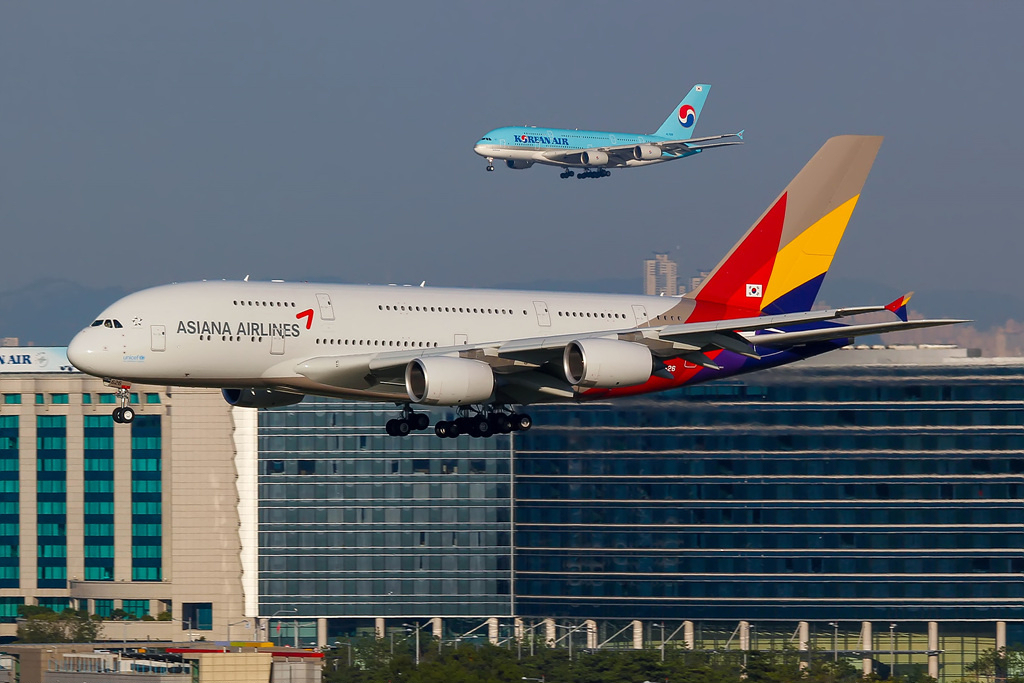
SEOUL– The government’s move to redistribute 10 flight routes following the merger of Korean Air (KE) and Asiana Airlines (OZ) has drawn strong interest from low-cost carriers (LCCs) eager to claim newly available slots.
The application window for six international and four domestic routes closed on the same day, following a public call that signaled a fast-moving process.
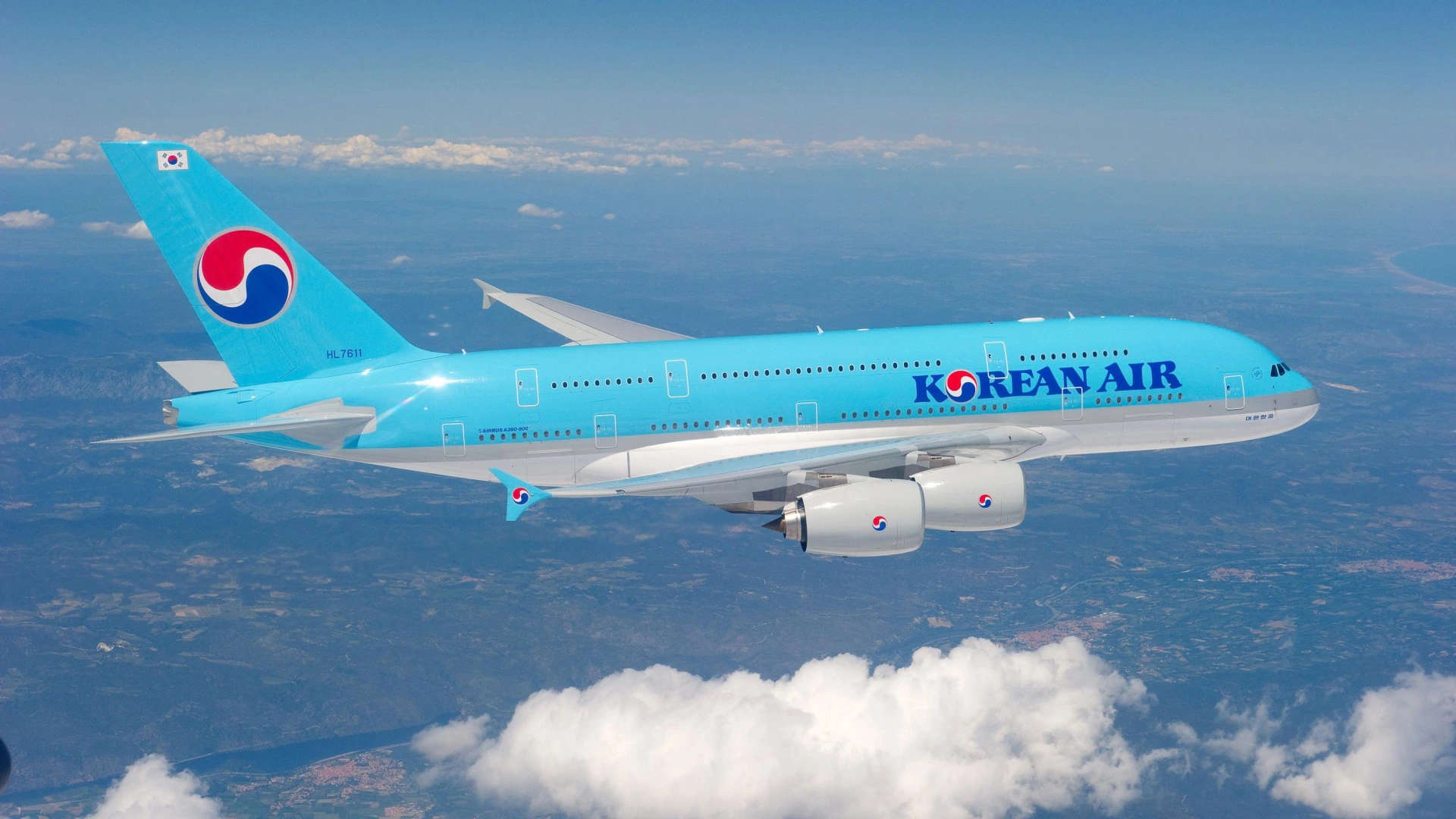
South Korea’s Merger Remedy
The Korea Fair Trade Commission (KFTC) approved the KE-OZ merger on the condition that airport slots and traffic rights on 34 routes be transferred to third-party carriers to maintain competition.
Without such reallocation, the merged entity risked creating monopolies or duopolies on crucial domestic and international corridors. The current batch of 10 routes marks the next stage in fulfilling those structural remedies.
These routes include the major international legs of Incheon (ICN) to Seattle (SEA), Honolulu (HNL), Guam (GUM), Jakarta (CGK), and London, plus Busan (PUS) to Guam; domestically, the routes are Gimpo (GMP)–Jeju (CJU) and Gimpo–Gwangju (GWG) pairs.
The scale of redistribution reflects the structural remedies imposed by the Korea Fair Trade Commission (KFTC) on the merger to prevent monopolistic dominance at key links, the Korean JoongAng Daily reported.
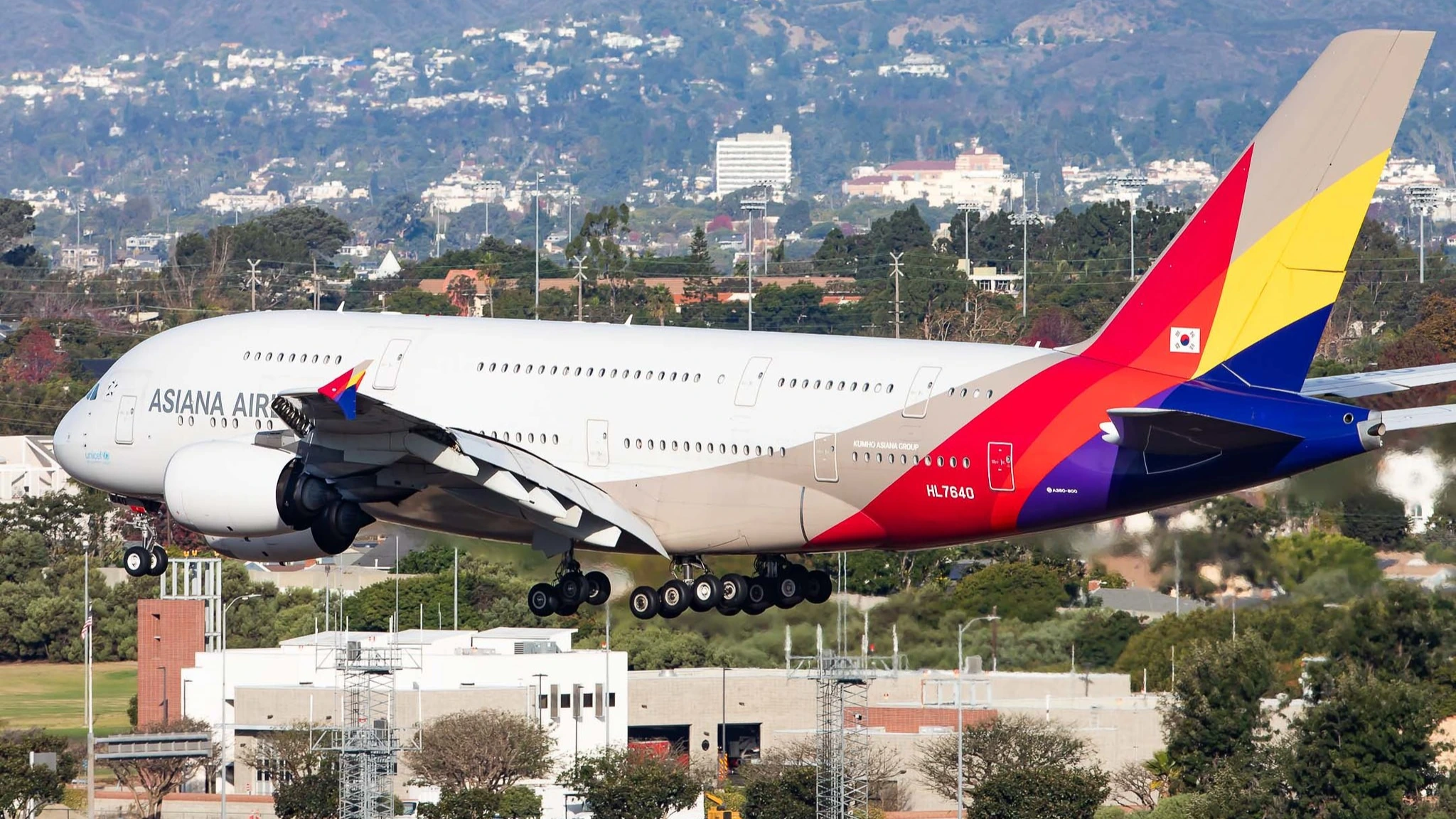
LCC Interest & Strategy
Independent LCCs are watching closely. Among the routes up for grabs, the Incheon–Jakarta leg is especially coveted. Few LCCs are equipped to operate long-haul flights to the United States or Britain, making a Southeast Asian destination more viable given existing capabilities and network constraints.
A source remarked, “Jakarta is not a guaranteed high-profit route. But once you enter it, competitors find it hard to break in.” The presence of large South Korean business-related installations near Jakarta ensures steady business-travel demand.
For domestic carriers, this represents a rare growth opportunity. The routes Gimpo–Jeju and Gimpo–Gwangju have traditionally been saturated with strong incumbents.
By opening access to routes ceded by the merged full-service carriers, LCCs such as Jeju Air and Eastar Jet are expected to apply, leveraging existing operations and lower-cost structures. Their entry could shift market dynamics at regional airports and enhance connectivity across Korea.
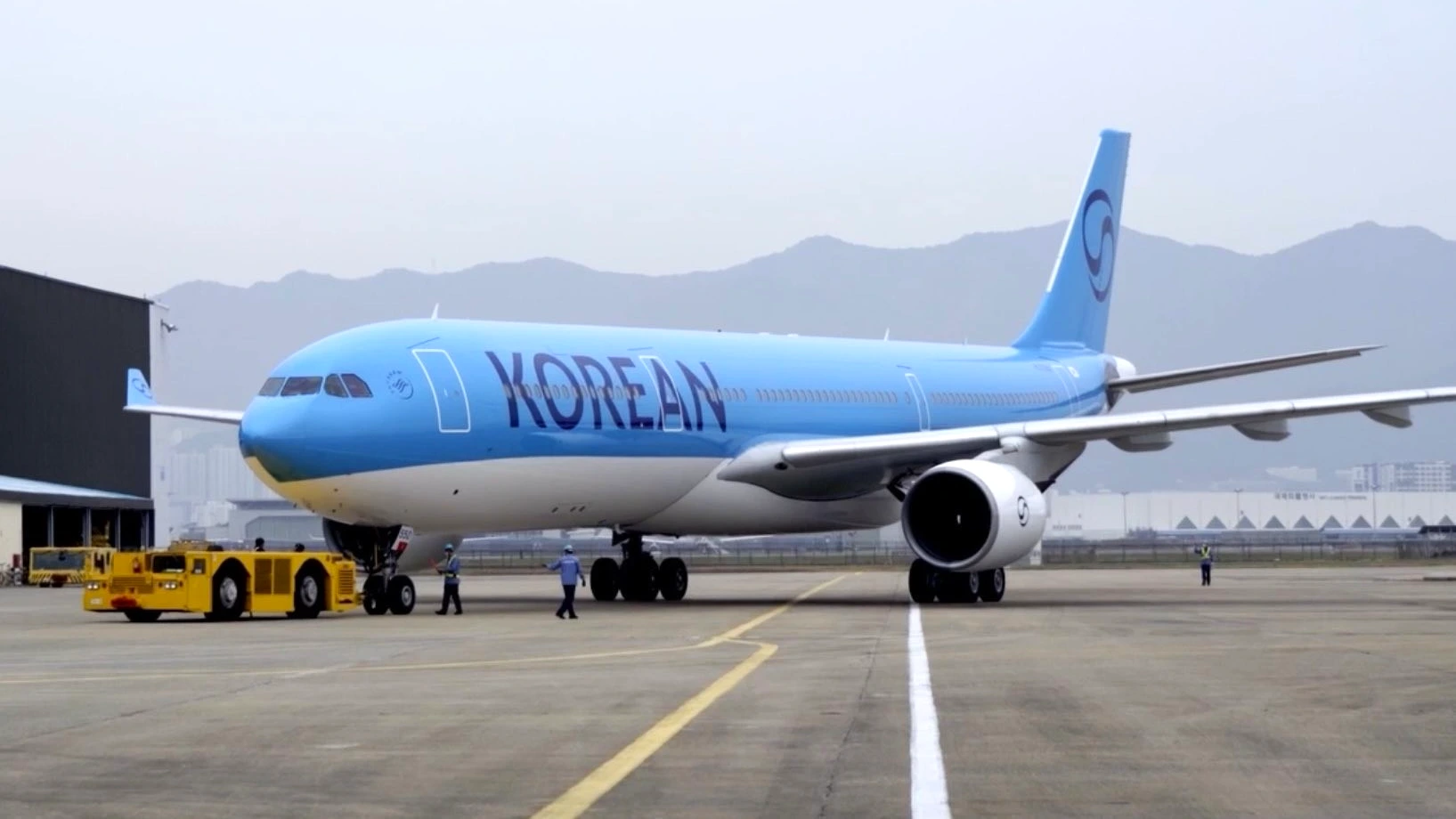
Screening & Selection
The allocation process begins with an eligibility review to ensure carriers are independent (i.e., they are not materially controlled by KE or OZ or their LCC subsidiaries).
Applicants will also be assessed for competition risks in the first round.
In the second round, the Ministry of Land, Infrastructure and Transport will evaluate safety, passenger convenience, clarity of operational plans, long-term viability, and regional-airport contribution.
Qualified carriers will be notified in late November, with final selections scheduled by the end of December.
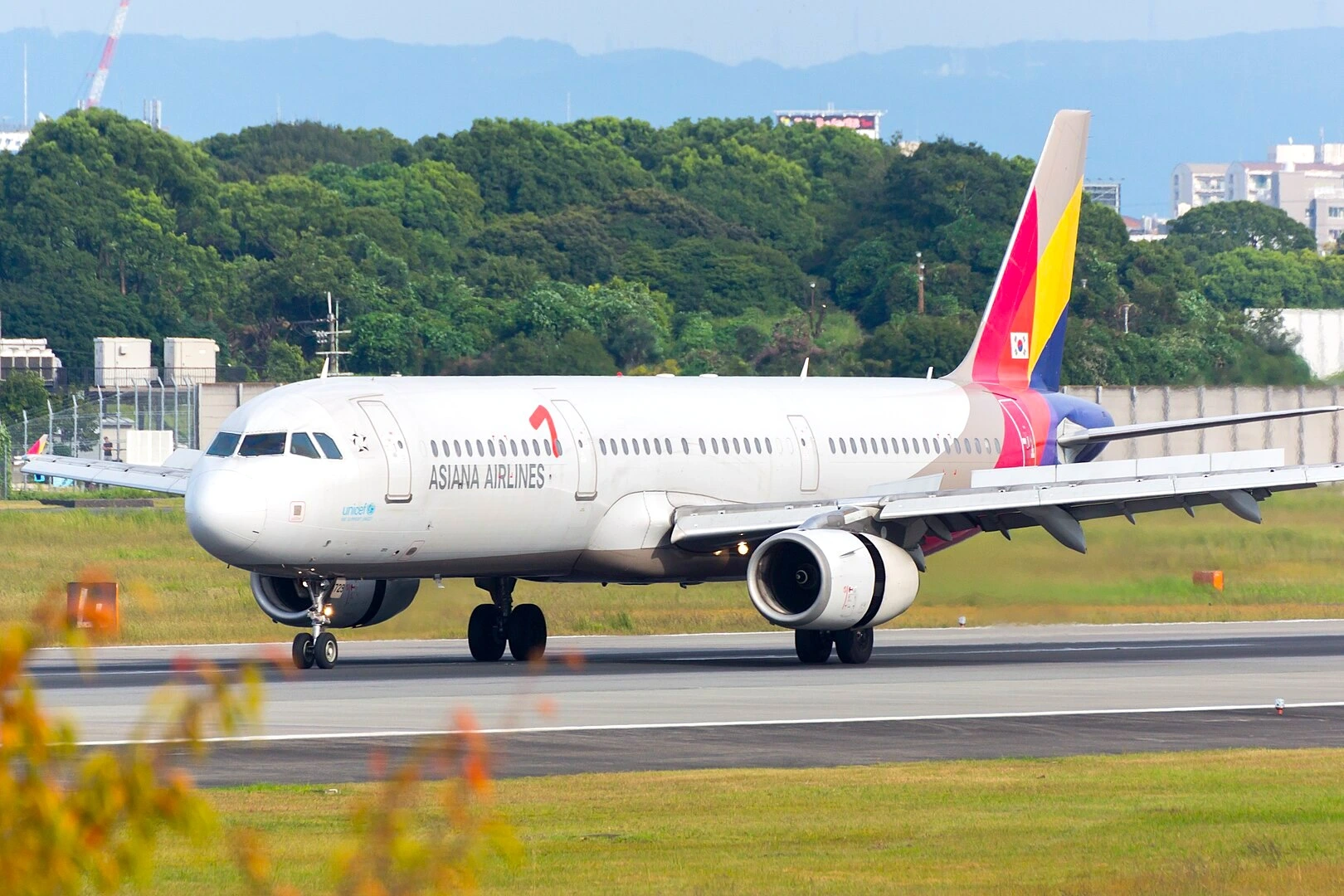
Outlook & Timing
The authorities aim to complete the route allocation process by year-end, with operations possible in the first half of 2026 at the earliest.
The outcome will shape domestic competitive structure for years to come. If LCCs secure these routes, they may strengthen their footprint and challenge legacy carriers more directly.
For KE and OZ, the process is a prerequisite to fully integrating their networks while adhering to antitrust conditions.
Bottom Line
The redistribution of 10 key routes under the Korean Air–Asiana merger conditional remedies is putting independent Korean LCCs on the verge of a potentially game-changing expansion.
While the screening and selection process will determine the actual winners, the opportunity alone signals a structural change in South Korea’s aviation sector.
The outcome will not only affect which airlines fly where but may also recalibrate competitive balance in domestic and regional network markets.
Stay tuned with us. Further, follow us on social media for the latest updates.
Join us on Telegram Group for the Latest Aviation Updates. Subsequently, follow us on Google News
