

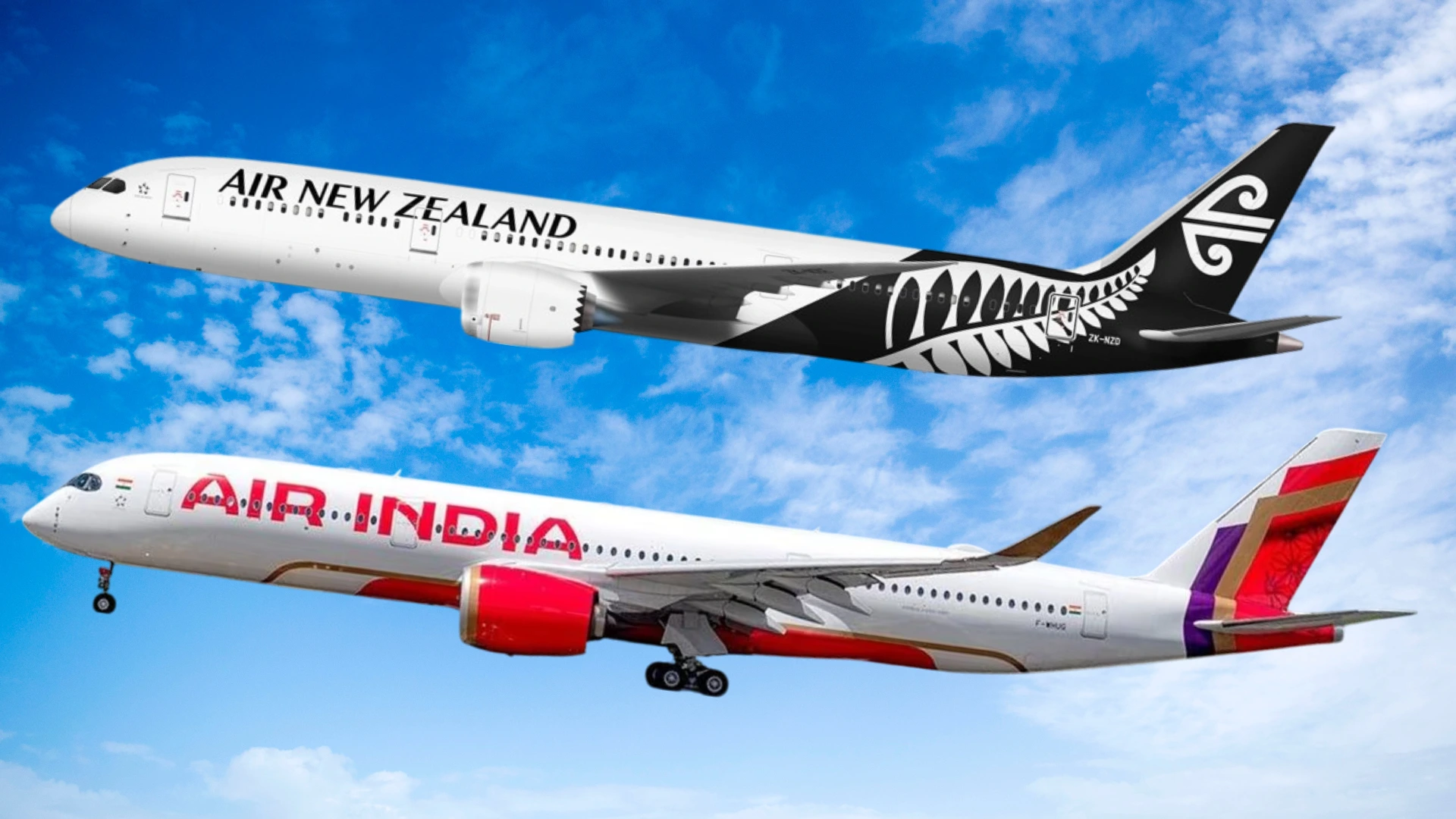
CHRISTCHURCH- India’s Industry Minister Piyush Goyal met Nikhil Ravishankar during his official visit to New Zealand to negotiate the fourth round of the Free Trade Agreement (FTA) between the two nations.
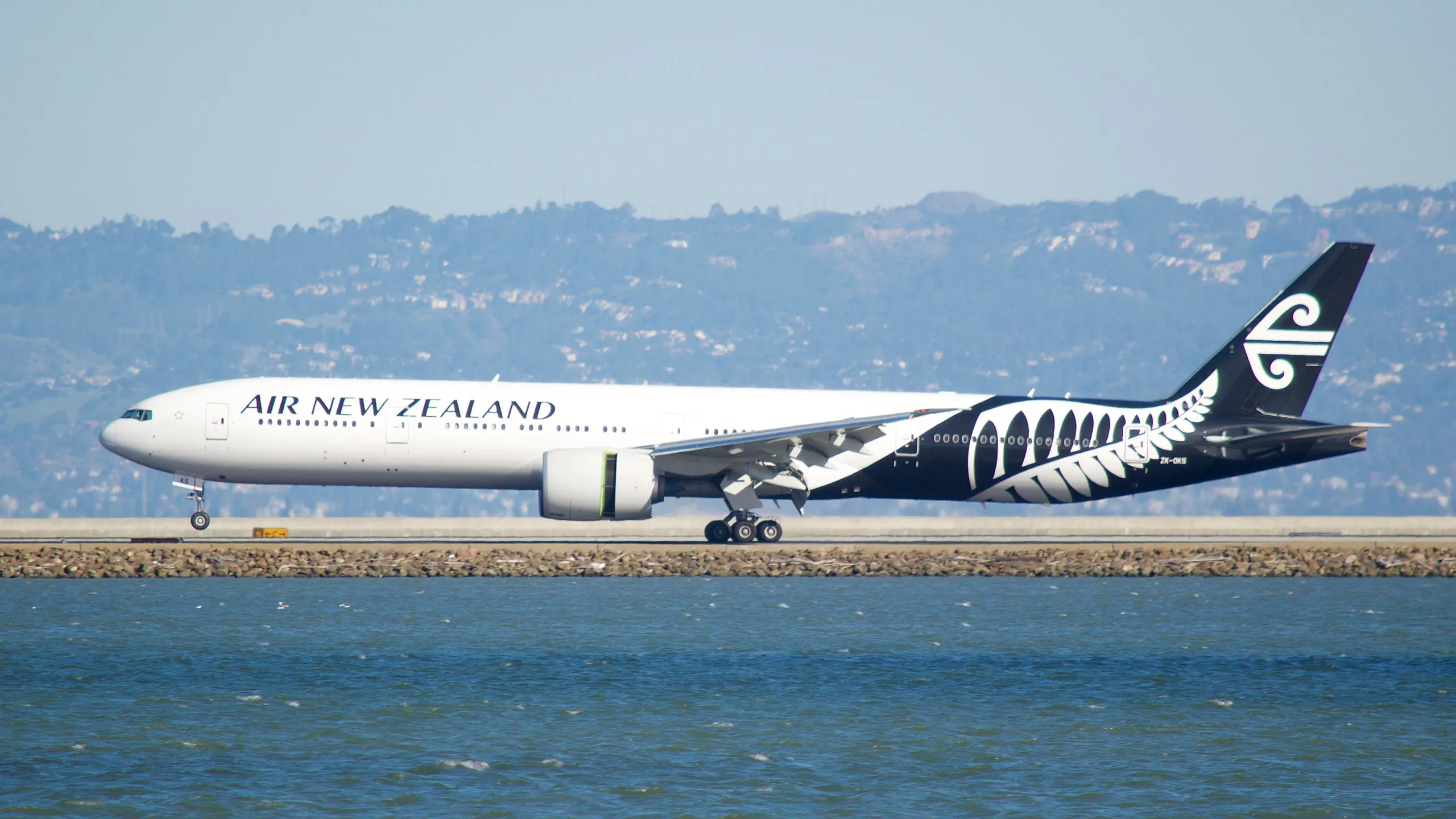
Ravishankar, the newly appointed CEO of Air New Zealand (NZ), has stressed that the airline’s performance is intimately bound to the nation’s broader economic recovery and touched upon plans for improved aviation links and deeper trade ties between both countries.
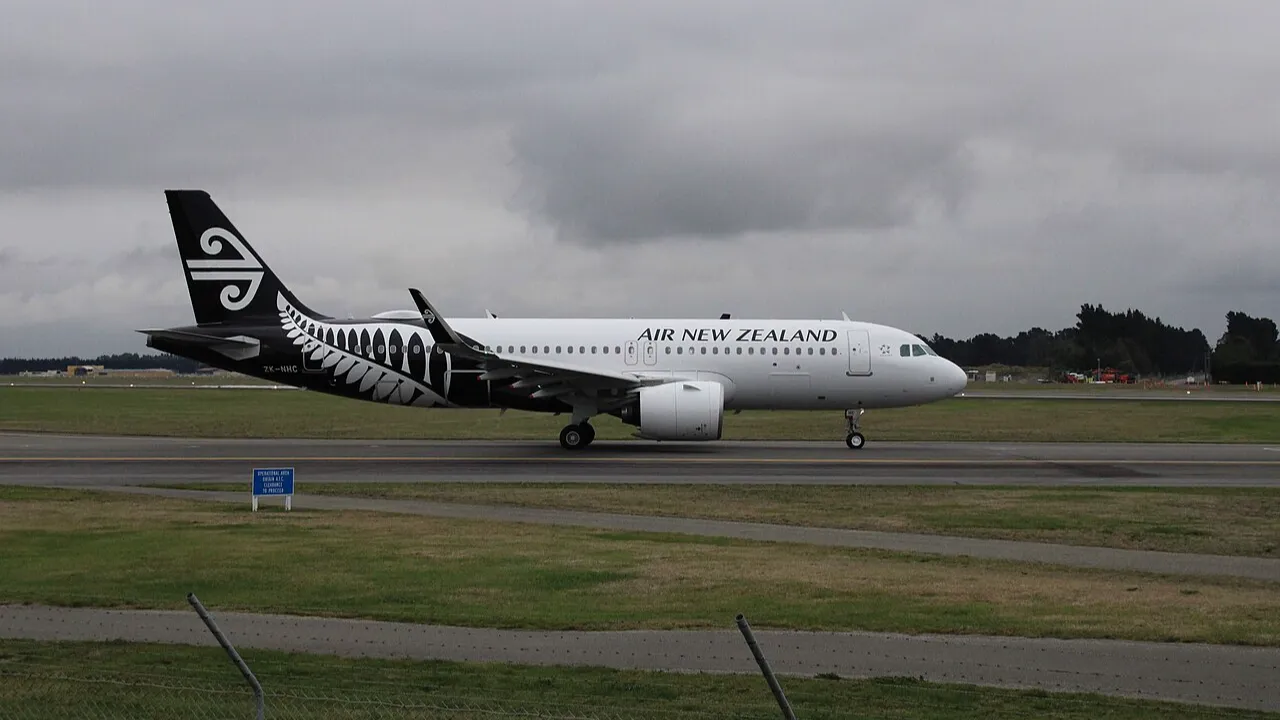
https://commons.wikimedia.org/wiki/File:Air_New_Zealand_A320neo_.jpg
India New Zealand FTA Progress
India and New Zealand are advancing discussions on a bilateral trade agreement aimed at building a sector‑specific pact that strengthens economic ties without compromising on sensitive issues.
The fourth round of FTA talks took place in Rotorua and Auckland over five days, with both sides reporting constructive engagement. India’s merchandise trade with New Zealand reached around USD 1.3 billion in fiscal year 2024‑25, marking a growth of 48.6 per cent compared to the previous year.
Appointed in October, Nikhil Ravishankar described himself as a “transformation expert” and “systems thinker” as he took the reins in a particularly challenging period for the carrier and the country.
Ravishankar told the media his country was “potentially moments away” from finalizing the deal, although he noted that in trade processes, “moments” can stretch out.
Minister Goyal emphasized that the talks are being conducted in a spirit of enthusiasm and mutual respect and that the eventual deal would reflect the interests of both nations.
Aviation Connectivity
The meeting between Goyal and Ravishankar placed particular emphasis on aviation as a vehicle for trade and mobility. Ravishankar signalled that Air New Zealand would act as a platform for Indian businesses to test products and services in New Zealand before scaling globally.
He linked the airline’s commercial success with its role as critical infrastructure supporting New Zealand’s economy.
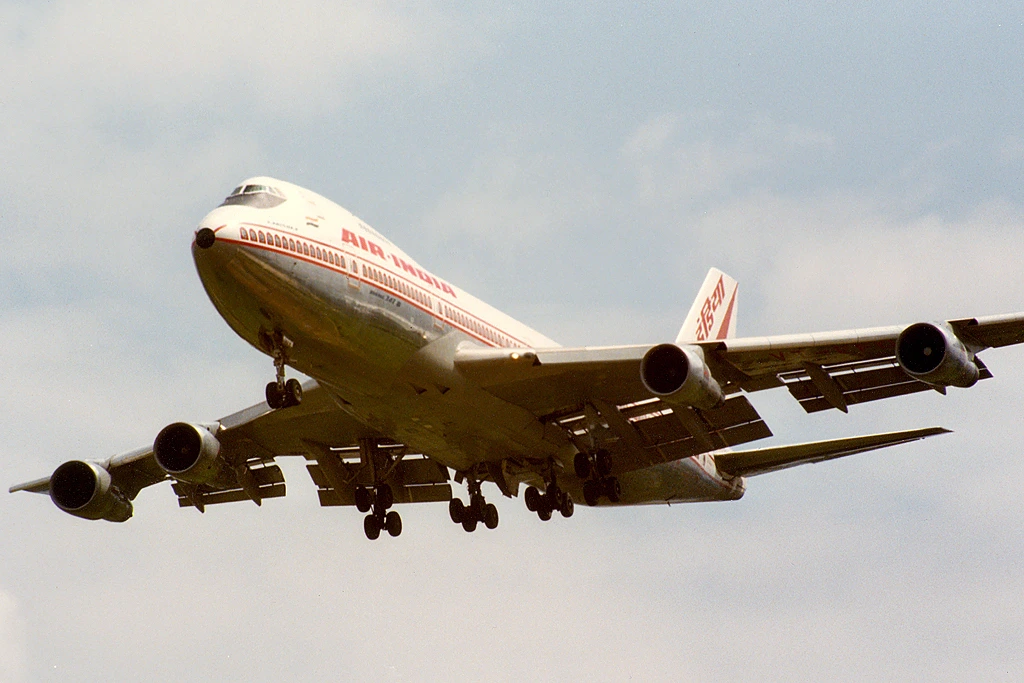
Goyal discussed India’s expanding aviation sector and pointed to planned direct flights between Air India (AI) and Air New Zealand by 2028.
He described the airline meeting as “delighted to meet” Ravishankar and noted discussions on regional connectivity and future opportunities in the Indian aviation market.
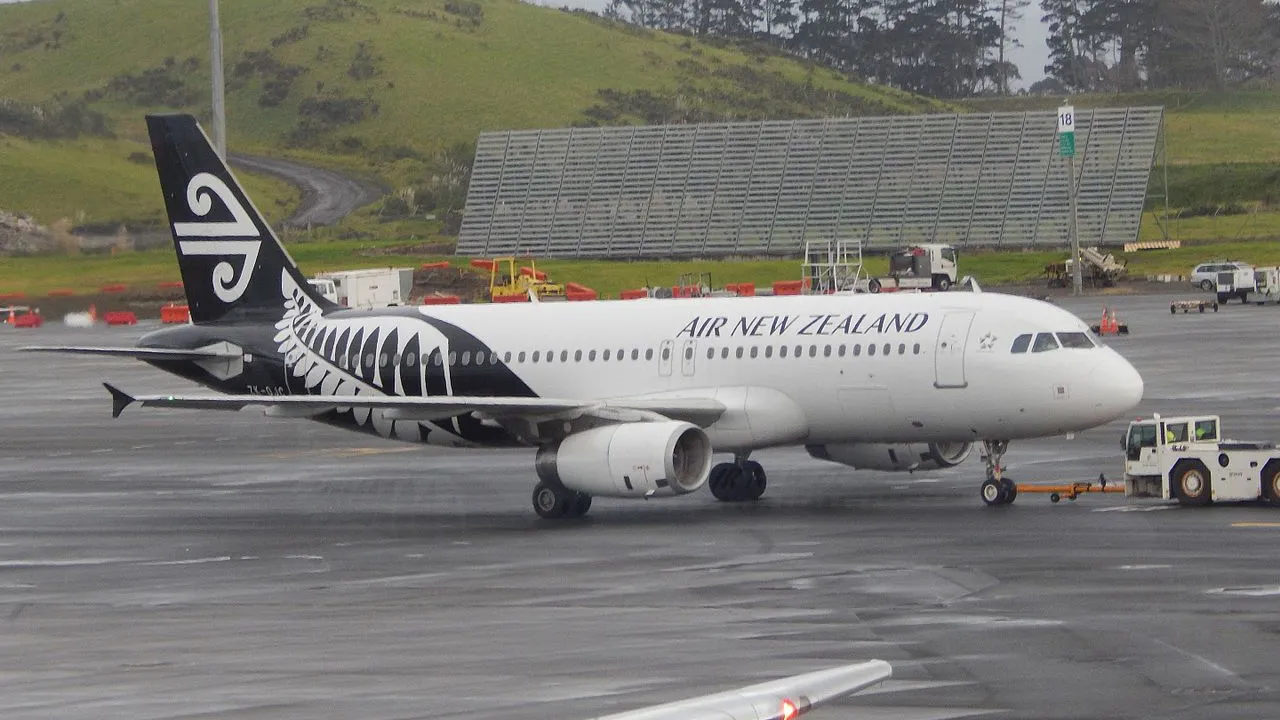
https://commons.wikimedia.org/wiki/File:Air_New_Zealand_A320_ZK-OJC_at_AKL_(27804562754).jpg
Strategic Implications
Air New Zealand’s current challenges underline the urgency of strategic partnerships. The carrier expects a pre‑tax loss of up to NZD 55 million (USD ~33 million) for the six months ending December, following grounded aircraft—some 11 jets or about one‑fifth of the fleet—due to engine issues.
Heading costs rose as engine‑lease expenses and maintenance pressures mounted.
For New Zealand the carrier’s fortunes reflect broader national stakes: when the airline does well, so too does the economy.
Its performance depends on global market resilience, trading relationships with countries like China and the United States, and now, deepening links with India.
India stands to gain from improved access to New Zealand markets and advanced connectivity. With trade already growing rapidly, the FTA and enhanced aviation ties could fuel supply‑chain resilience, boost services, and expand export potential in manufacturing, textiles, pharmaceuticals, and agri‑commodities.
The bilateral trade relationship exhibits strong momentum. India’s exports to New Zealand and New Zealand’s exports to India both show meaningful increases. New Zealand currently ranks relatively low in India’s export destination list, meaning there is room for substantial growth as trade ties deepen.
Sector‑specific opportunities include dairy, agriculture, food‑processing, and aviation services. New Zealand’s wool, iron and steel, fruit and nuts, and aluminium are among its key exports to India.
India’s major exports to New Zealand include:
- pharmaceuticals
- machinery
- made‑up textile articles
- precious stones and metals.
Direct flights and aviation agreements are more than symbolic. They offer tangible benefits for tourism, cargo, business travel, and logistics.
For Air New Zealand, participating in this broader framework positions the airline beyond national carrier status into a global partner capable of integrating with India’s growth story.

Aviation Growth Opportunities
India’s aviation sector is entering a period of remarkable expansion, projected to become the world’s third-largest market by 2030.
With rising passenger demand and government-led infrastructure upgrades, the sector presents significant opportunities for international collaboration.
For New Zealand, this growth opens avenues for tourism, cargo, and aviation services, aligning with its efforts to strengthen Asia-Pacific connectivity.
The planned direct flights between Air India (AI) and Air New Zealand (NZ) could reshape travel patterns by:
- boosting tourism
- business exchanges
- cultural connections
Industry experts note that such routes are likely to enhance trade efficiency and promote mutual investment in maintenance, repair, and training.
Both countries are also exploring cooperation in sustainable aviation, including biofuels and carbon-efficient operations.
As India continues to modernize its airports and air traffic systems, New Zealand’s expertise in regional aviation could play a pivotal role in building a more resilient Indo-Pacific air network.
Outlook & Next Steps
In the near term, Air New Zealand must stabilise operations, reduce downtime, and restore fleet availability to strengthen its financial position. The projected loss and engine issues are immediate concerns, but they also emphasise why deeper international partnerships matter.
On the trade front, both India and New Zealand will continue inter‑sessional dialogue while setting targets for finalising the FTA. The aviation dimension adds urgency and strategic weight. As Goyal noted, India’s delegation was welcomed warmly, and the Indian diaspora remains an important bridge for the bilateral relationship.
Medium‑term horizons point to a deal that could “boost trade ten‑fold in ten years,” as Indian officials have suggested. This puts aviation at the core of a broader economic architecture linking connectivity, commerce, and national infrastructure.
For Air New Zealand, integrating into that architecture offers new commercial pathways while fulfilling its role in the national economy. As Ravishankar put it, the challenge is not to choose between profit and public service, but to achieve both simultaneously.
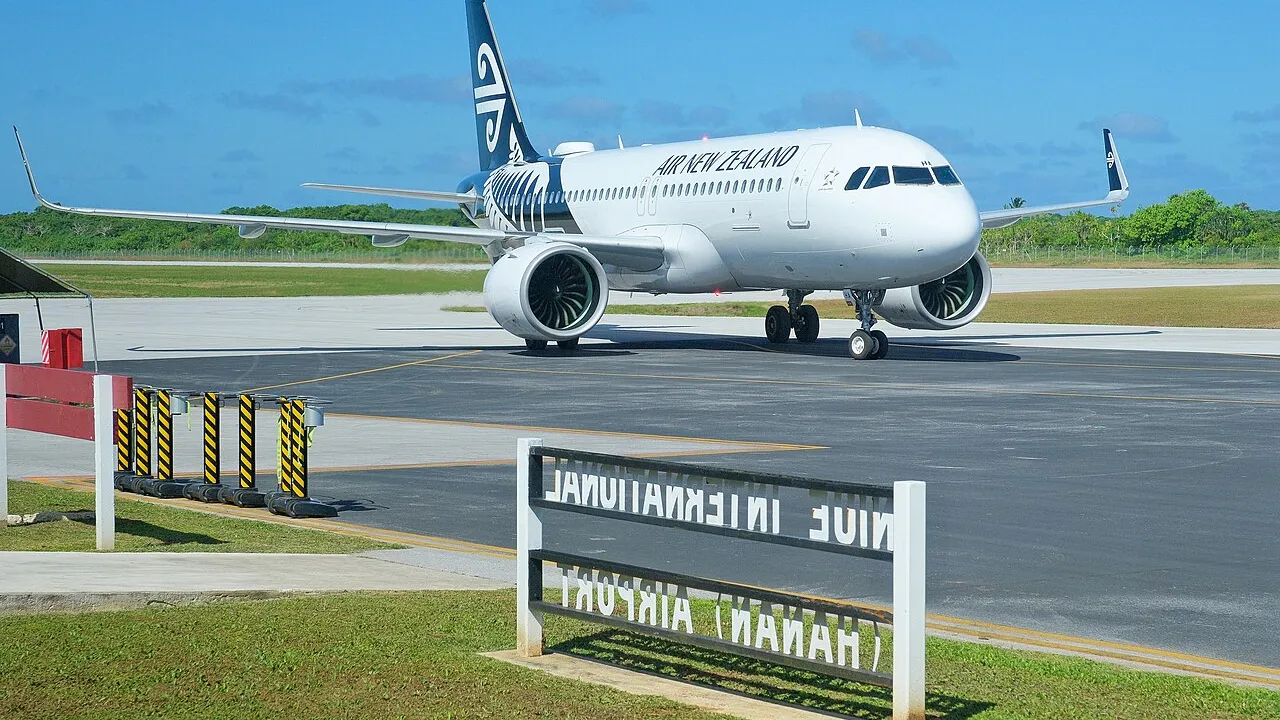
https://commons.wikimedia.org/wiki/File:Air_New_Zealand_A320_taxiing_to_terminal_at_Niue_International_(Hanan)_Airport.jpg
Bottom Line
The convergence of trade diplomacy and aviation strategy between India and New Zealand marks a meaningful shift for both nations.
With Air New Zealand navigating financial and operational headwinds, its role in this partnership could offer new levers of resilience. Meanwhile, India’s rapidly expanding aviation sector and broader export ambitions find a willing partner in New Zealand.
If the FTA proceeds and direct flights launch as planned, the result could be a strengthened aviation‑trade corridor linking two maritime nations with ambition and connectivity at its core.
Stay tuned with us. Further, follow us on social media for the latest updates.
Join us on Telegram Group for the Latest Aviation Updates. Subsequently, follow us on Google News
