


CHANDIGARH- The Indian Air Force’s MiG-21, which officially retired in September 2025, is set for a new lease of life.
The iconic jet will soon rejoin the skies under the Indian Air Force’s (IAF) Heritage Flight program, a move aimed at preserving India’s aviation legacy.
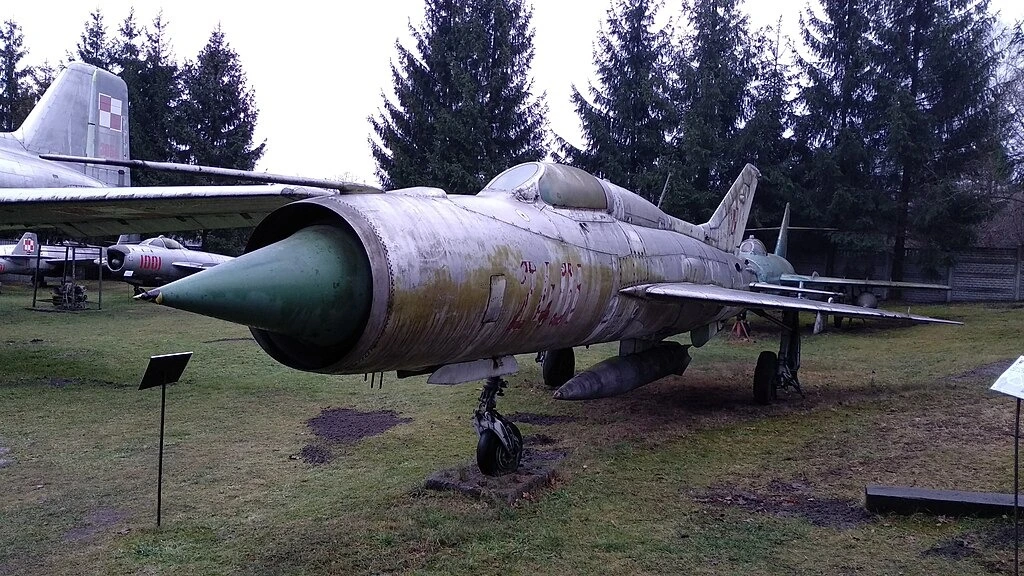
MiG-21 Joins India’s Heritage Flight Revival
The MiG-21, India’s first supersonic fighter-interceptor, bowed out after 62 years of service with a ceremonial flypast over Chandigarh (IXC)—the same base where it was first inducted in 1963.
Now, the Indian Air Force is preparing to restore the aircraft for its Heritage Flight program, which celebrates the nation’s aviation milestones.
The Heritage Flight, established in 2012, evolved from the earlier Vintage Aircraft Flight created at Air Force Station Palam (DEL) in 1988. Its mission is to maintain and operate historic aircraft that shaped the IAF’s history.
Today, the fleet includes the British-built de Havilland DH-82 Tiger Moth, the American T-6G Harvard, and the Douglas C-47 Dakota. Recently, the indigenously developed Hindustan Trainer-2 (HT-2) joined the lineup, flying during the 93rd Air Force Day in Prayagraj (IXD).
The inclusion of the MiG-21 marks a symbolic bridge between India’s early jet era and its modern air power. The aircraft being evaluated in Nashik could soon fly again as part of this heritage fleet.
While restoration poses challenges due to aging components, the IAF and Hindustan Aeronautics Limited (HAL) have sufficient technical experience and spare parts to make it feasible.
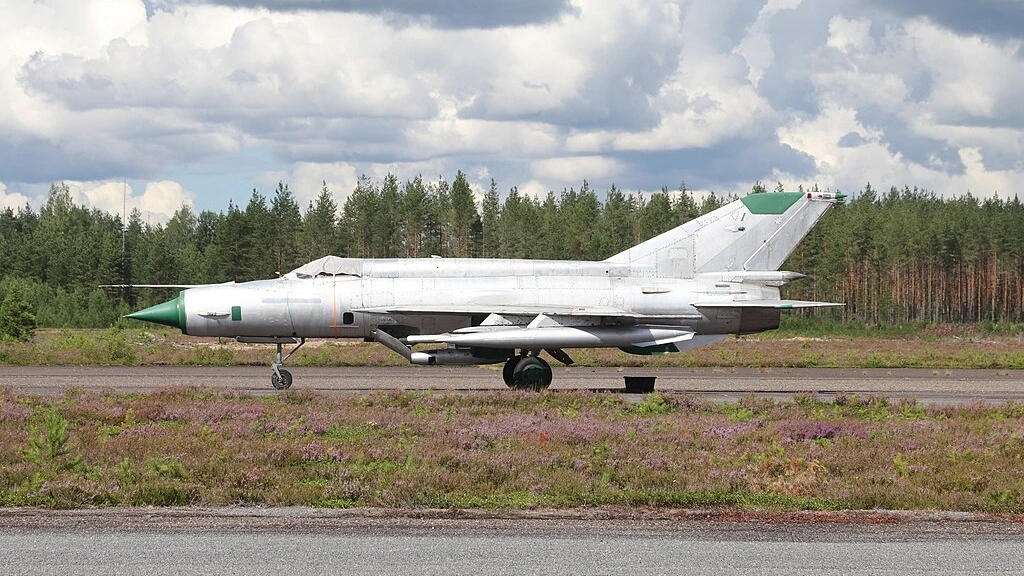
A Fighter That Defined Generations
Inducted in 1963, the MiG-21 revolutionized the Indian Air Force. Built under license from the Soviet Union, it made India self-reliant in maintaining and producing jet fighters.
Over six decades, the aircraft served as an interceptor, bomber, and trainer, forming the backbone of India’s aerial defense.
The MiG-21’s combat record is extensive. During the 1971 Indo-Pak War, it played a decisive role with precision bombing missions, including the strike on the Governor’s House in Dhaka, which accelerated Pakistan’s surrender. In the Kargil War of 1999, the aircraft provided close air support and reconnaissance at high altitudes, helping locate enemy positions on peaks like Tiger Hill.
It also engaged in peacetime operations that tested its prowess, including the 1999 shootdown of Pakistan’s Atlantique aircraft (Atlantic-91) and its stunning performance against the U.S. F-15 Eagles during the Cope India 2004 exercise.
Even in modern air combat, the MiG-21 proved relevant—most notably when Wing Commander Abhinandan Varthaman used a MiG-21 Bison to down a Pakistani F-16 during the 2019 Balakot conflict.
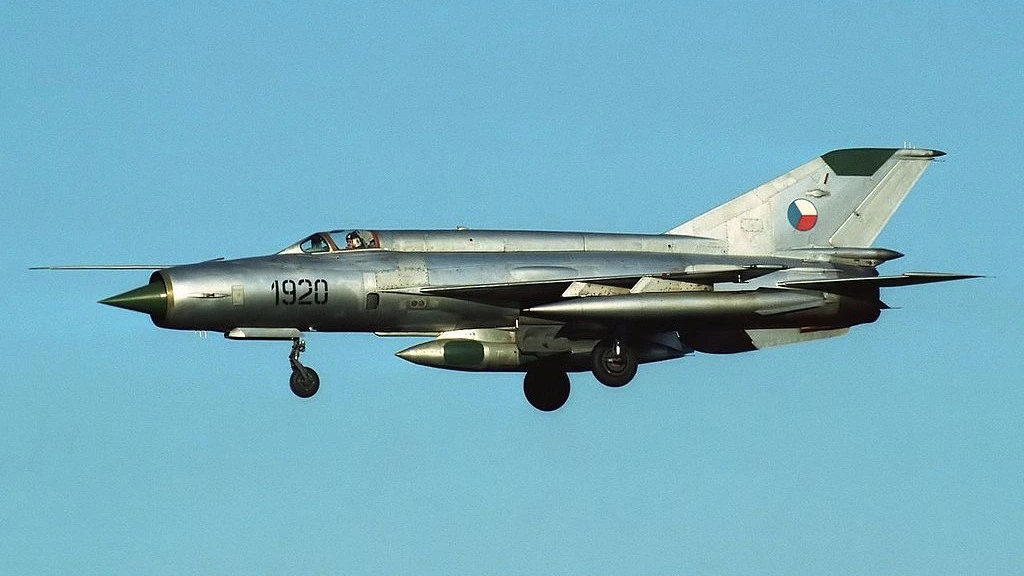
From “Flying Coffin” to Timeless Legend
Despite earning the controversial nickname “Flying Coffin,” largely due to its demanding handling and age-related issues, many IAF veterans defend the aircraft’s reputation. They emphasize its reliability when maintained properly and its unmatched agility in the hands of a skilled pilot.
As Air Chief Marshal Amar Preet Singh noted before his farewell flight, the MiG-21 was both “simple and remarkable,” requiring rigorous discipline but rewarding mastery.
Its retirement ceremony in Chandigarh (IXC), complete with a water cannon salute and a formation with Rafales, symbolized the passing of an era—from the nation’s first supersonic jet to its newest fighter generation.
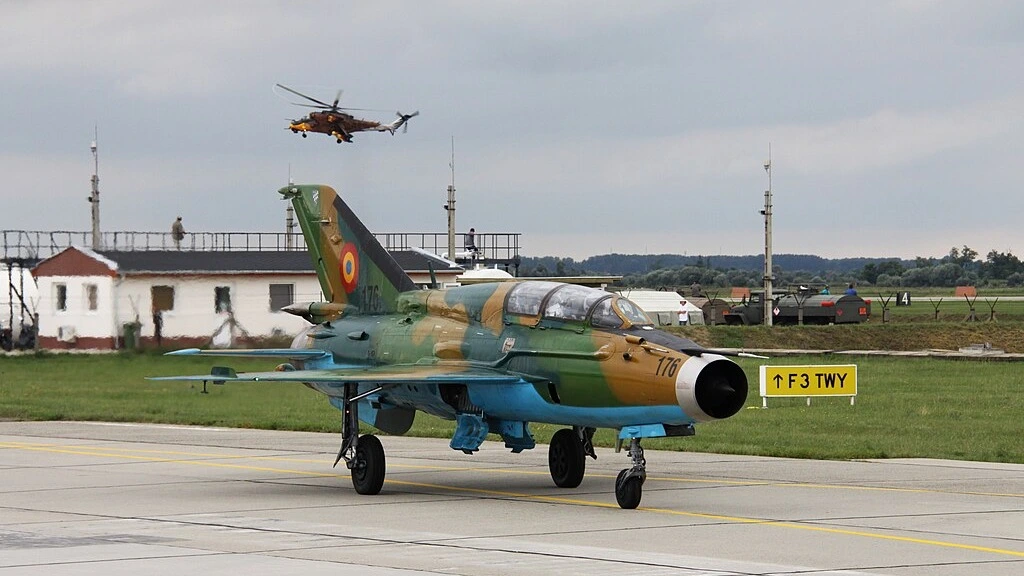
Legacy Takes Flight Again
Restoring the MiG-21 for the Heritage Flight is more than an act of nostalgia—it’s a tribute to the aircraft that defended India for six decades.
As it prepares to fly again, the MiG-21 will embody the spirit, resilience, and evolution of Indian military aviation, inspiring future generations to remember where the journey began.
Stay tuned with us. Further, follow us on social media for the latest updates.
Join us on Telegram Group for the Latest Aviation Updates. Subsequently, follow us on Google News
