For more than three decades since the end of the Cold War, the United States has remained the world’s leading air power. Its unmatched number of fighter jets and advanced technology have made American skies nearly untouchable.
But that dominance is being tested. China, Russia, and India are building up their air forces fast, while new technologies like long-range missiles and unmanned aircraft are changing how air battles might be fought in the future.
Largest Air Force by Fighter Jets
Still, looking at raw numbers gives a clear picture of how the world’s major powers stack up.
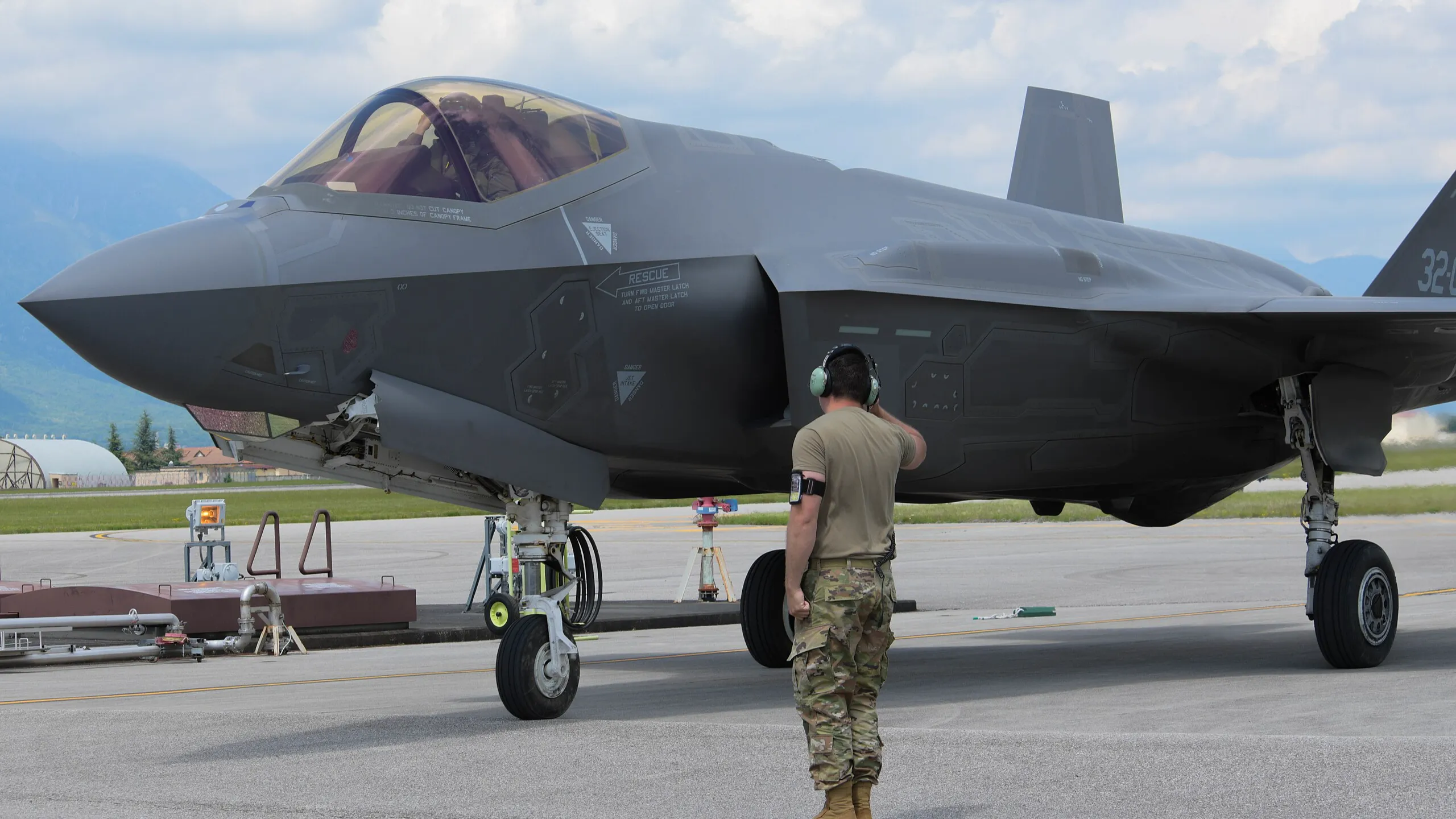
https://commons.wikimedia.org/wiki/File:Italian_F-35s_train_at_Aviano,_strengthening_partnerships_(6665235).jpg
1. The United States – Around 2,650 Fighters
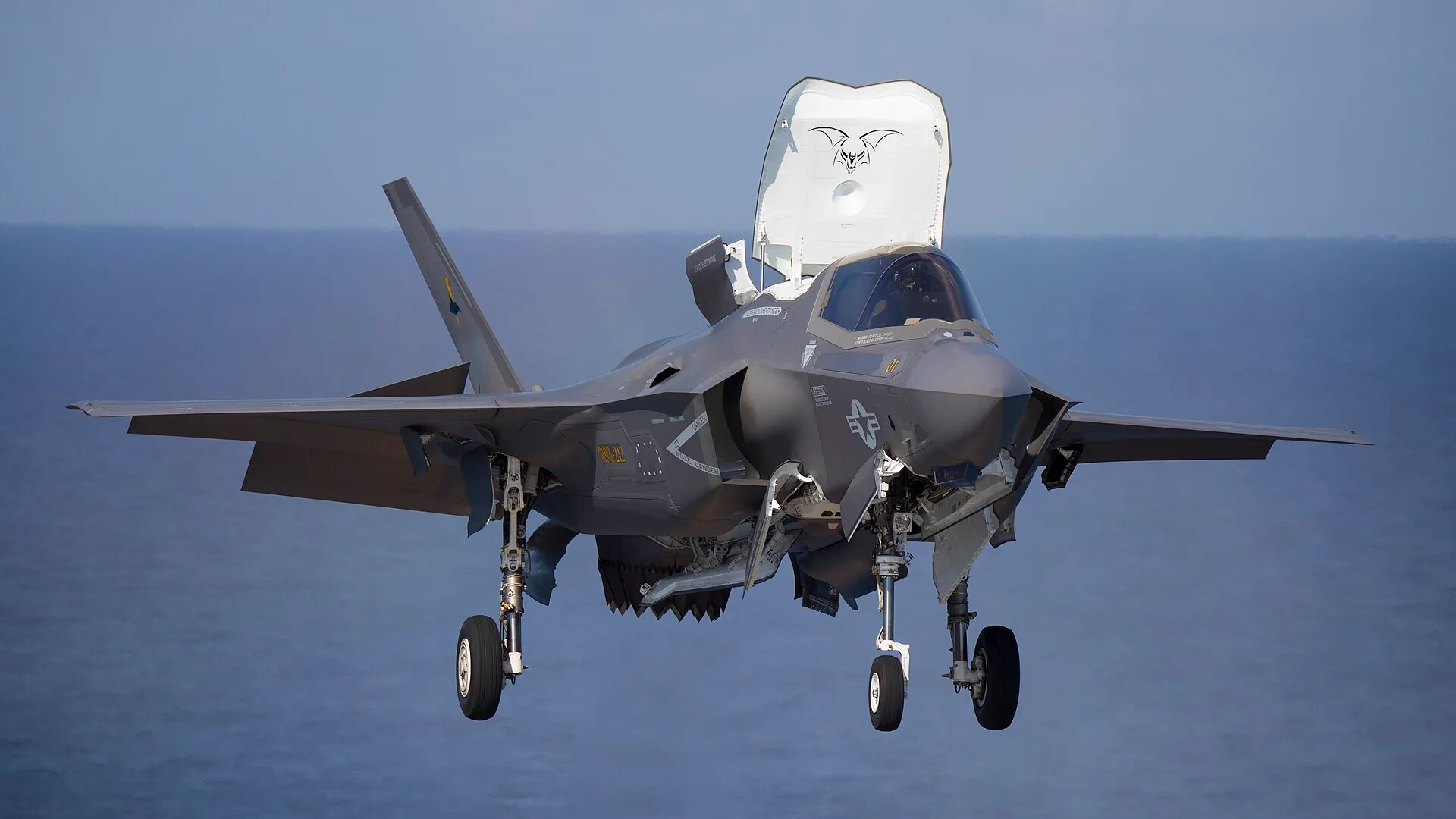
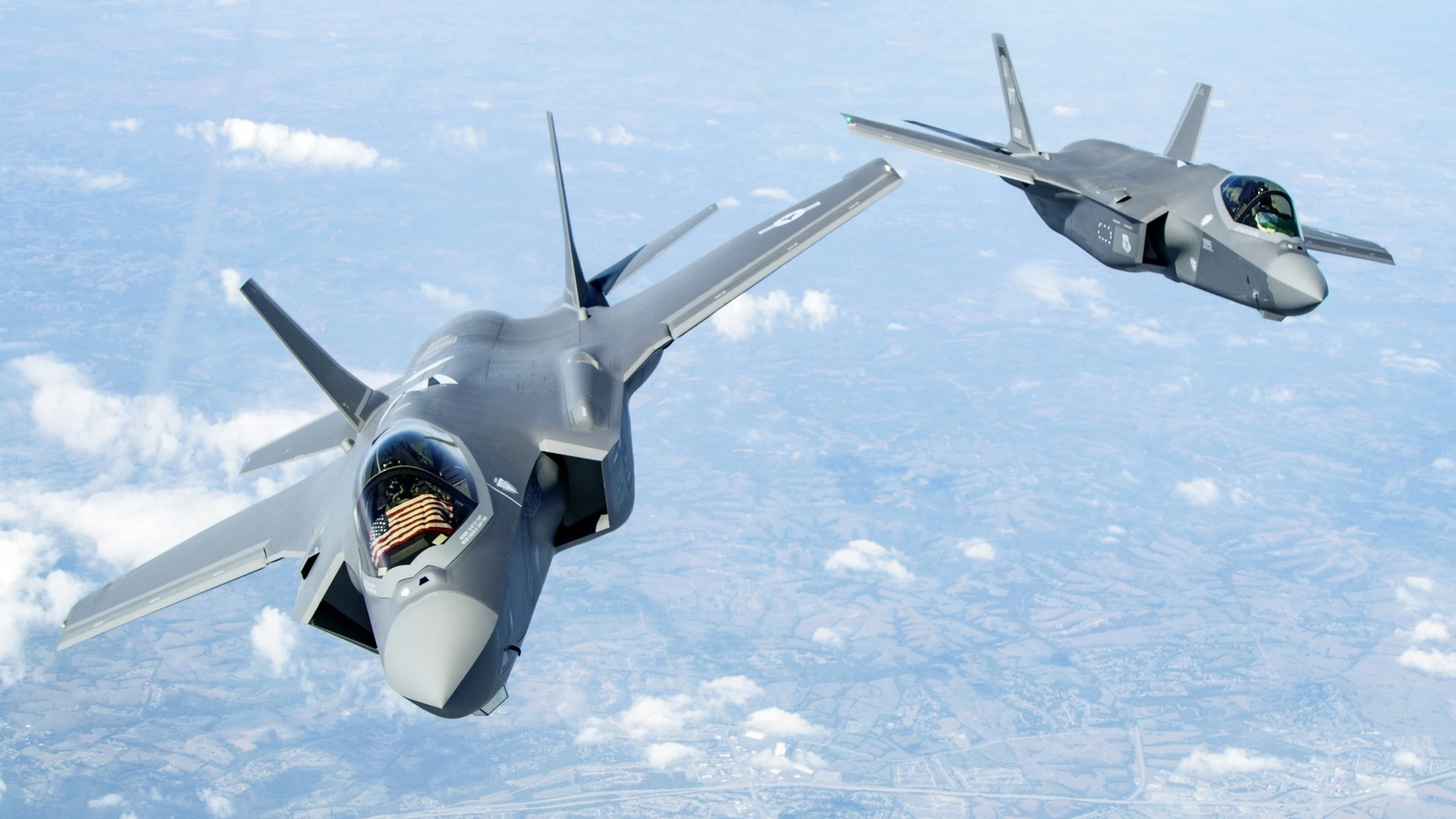
The United States fields the largest and most advanced collection of fighter jets in history. Across the Air Force, Navy, and Marine Corps, there are roughly 2,651 fighters in service, reports Simple Flying.
These include stealth aircraft like the F-22 Raptor and F-35 Lightning II, as well as older but still capable models such as the F-15 Eagle and F-16 Fighting Falcon.
The U.S. Air Force alone flies almost 2,000 of these jets. The F-22 remains the most powerful air superiority fighter in the world, though it is slowly being phased out in favor of a next-generation aircraft being developed under the Next Generation Air Dominance (NGAD) program.
Meanwhile, the F-35 has become the backbone of the American fighter fleet, with versions designed for every service branch.
The U.S. Navy’s aircraft carriers, including the Nimitz and Gerald R. Ford classes, each carry dozens of fighter jets.
The Navy also operates the F-35C for carrier use, while the Marine Corps flies the F-35B, which can take off and land vertically.
Together, they ensure that the U.S. can project air power anywhere in the world — no other nation comes close.
2. China – About 2,150 Fighters
China’s People’s Liberation Army Air Force (PLAAF) has undergone a massive transformation in the past two decades. Once reliant on outdated Soviet-era aircraft, it now flies a growing number of advanced, domestically made fighters.
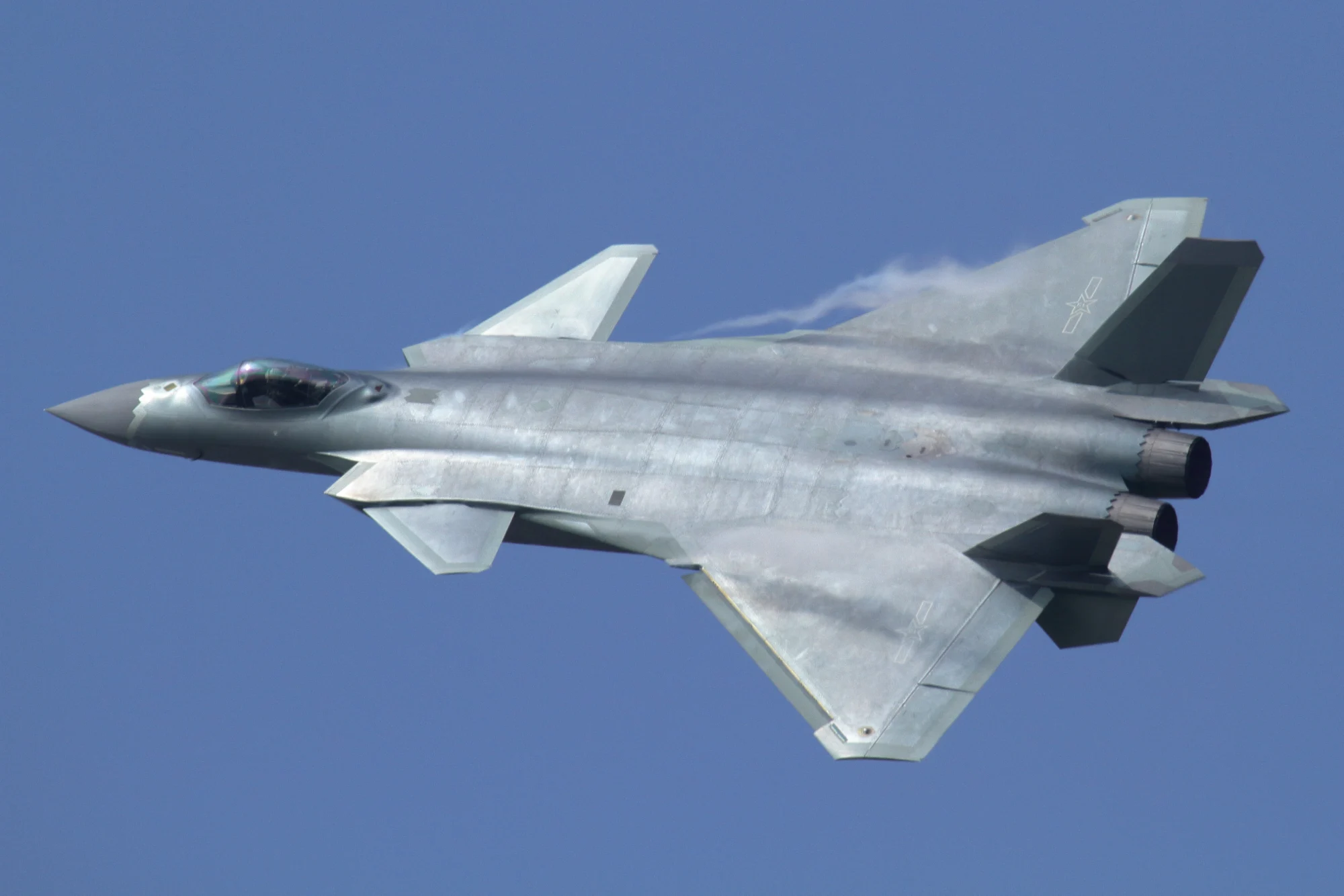
The centerpiece of China’s fleet is the J-20 Mighty Dragon, a stealth fighter often compared to the American F-22. Though it may not yet match the Raptor’s capabilities, its increasing numbers and range make it a serious challenge.
Supporting the J-20 are other home-grown designs like the J-10, a lightweight, single-engine fighter built for air defense and close-support roles.
The J-16, a heavy, twin-seat strike fighter, is based on Russian Su-27 designs but features advanced Chinese radar and electronics. The J-11 is another Su-27-derived fighter, produced under license in China.
China’s naval aviation branch is also expanding fast, with new aircraft carriers such as the Shandong and Fujian joining the fleet.
These ships will operate modern carrier fighters and make China’s Navy the world’s second most capable, after the United States.
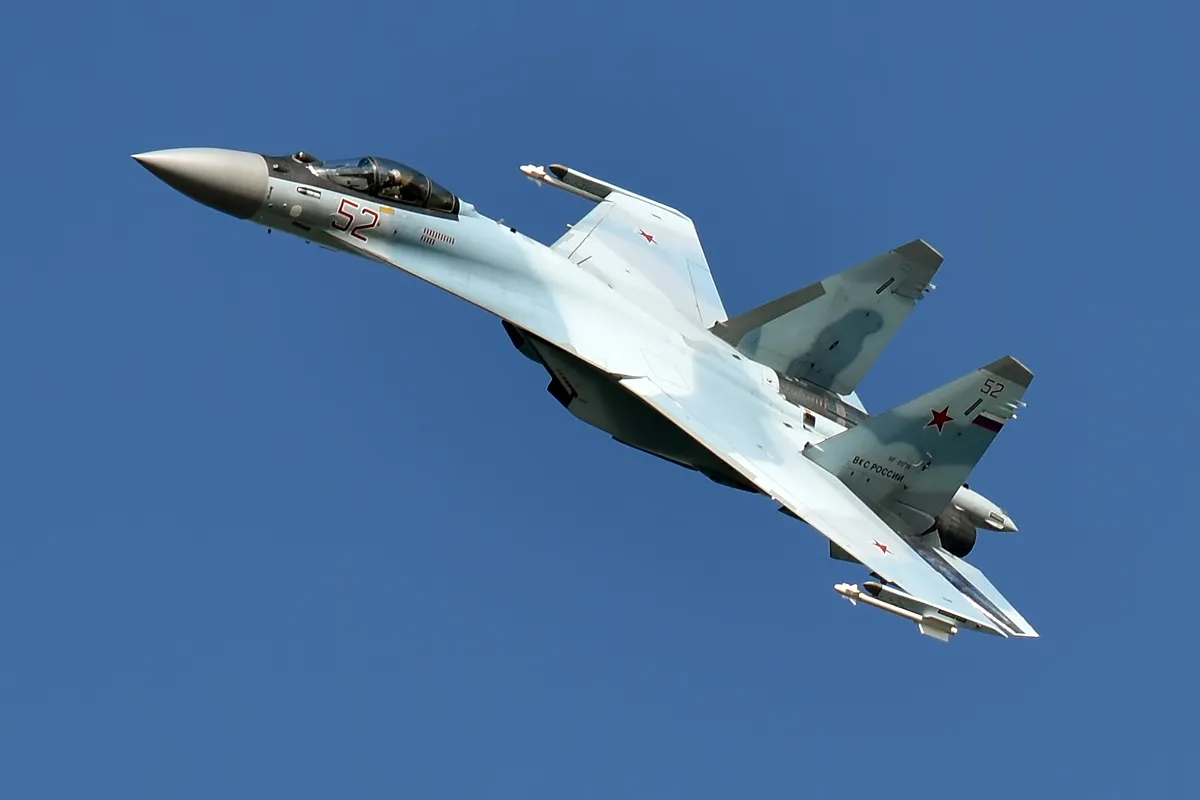
3. Russia – Around 1,150 Fighters
Russia still maintains one of the world’s largest fighter fleets, but its actual combat strength is uncertain. The ongoing war in Ukraine has revealed gaps in training, logistics, and readiness.
Although the country fields a mix of older and modern aircraft, many airframes are aging or grounded due to maintenance and parts shortages.
The Sukhoi Su-35, Su-30, and Su-34 make up the backbone of Russia’s modern fighter force. The Su-57 Felon, a fifth-generation stealth jet, has entered limited production but remains rare.
Older aircraft like the MiG-29 and Su-27 are still used widely, while the MiG-31 Foxhound continues to serve as a long-range interceptor.
Russia’s air operations in Ukraine have shown heavy losses and limited effectiveness. Sanctions have also hurt aircraft production by restricting access to electronics and composite materials.
Even its lone aircraft carrier, the Admiral Kuznetsov, has been plagued by fires and mechanical issues, leaving Russia’s naval aviation in poor shape. Despite the numbers, Russia’s fighter power is stretched thin and far from its Cold War peak.
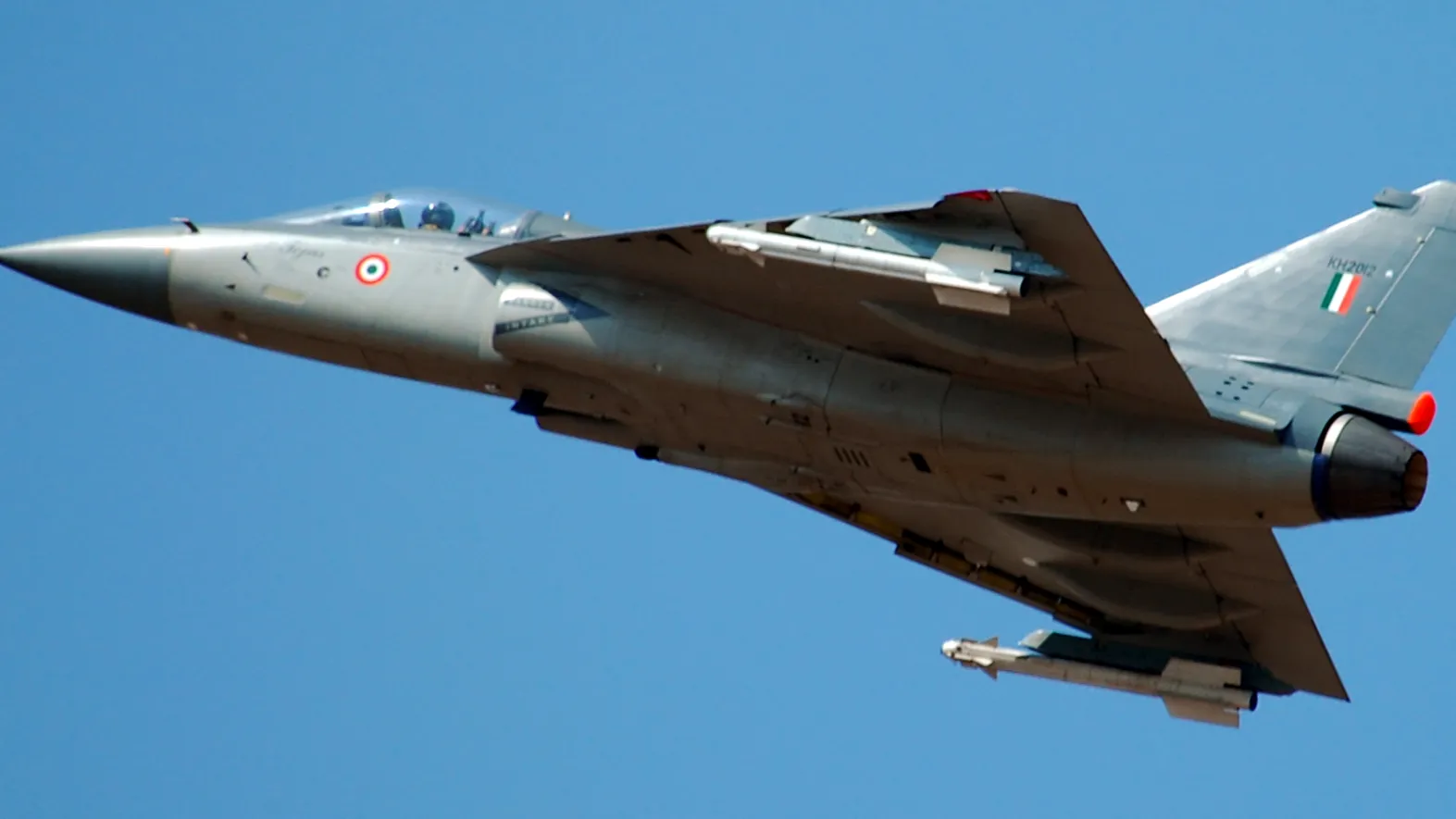
https://commons.wikimedia.org/wiki/File:HAL_Tejas.jpg
4. India – About 580 Fighters
India’s Air Force (IAF) has one of the most diverse fighter fleets in the world. It operates jets from the United States, Russia, France, and the United Kingdom — along with its own locally developed aircraft.
This mix reflects India’s long-standing strategy of sourcing weapons from multiple partners.
The most common jet in Indian service is the Sukhoi Su-30MKI, a twin-engine Russian design customized with Indian and Western technology.
The Dassault Rafale, built in France, represents the IAF’s newest and most advanced fighter. India also flies Mirage 2000s, MiG-29s, Jaguar strike aircraft, and the domestically developed HAL Tejas light fighter.
Recent border tensions and aerial clashes with Pakistan have pushed India to modernize its air force faster. The country is developing an upgraded Tejas Mark 1A, investing in a “Super Sukhoi” program to modernize existing jets, and considering future purchases like the F-21 or even the F-35.
The retirement of the aging MiG-21 Bison in 2025 marks the end of an era — and the start of a more capable, homegrown Indian Air Force.
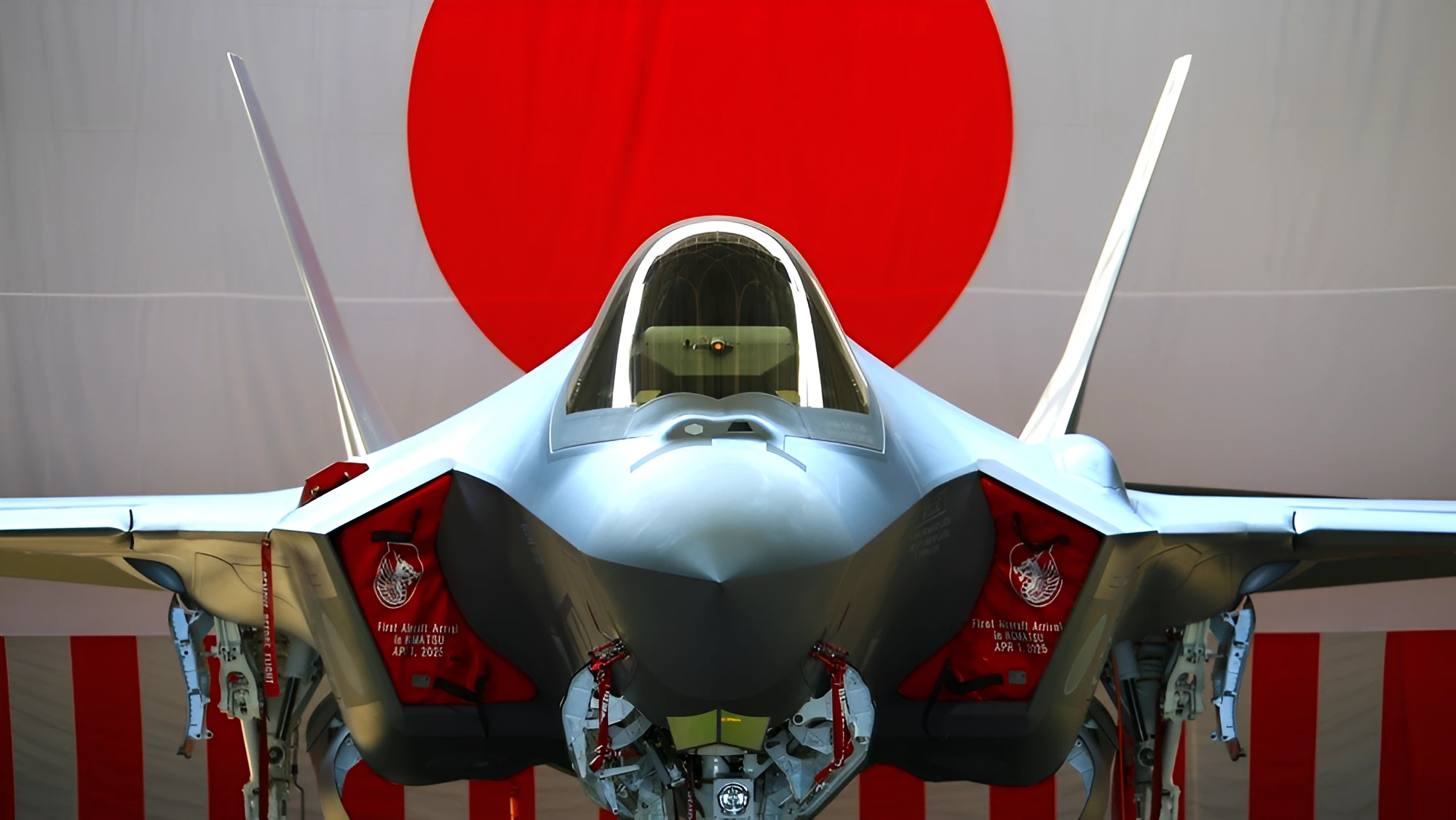
5. Japan – Around 250 Fighters
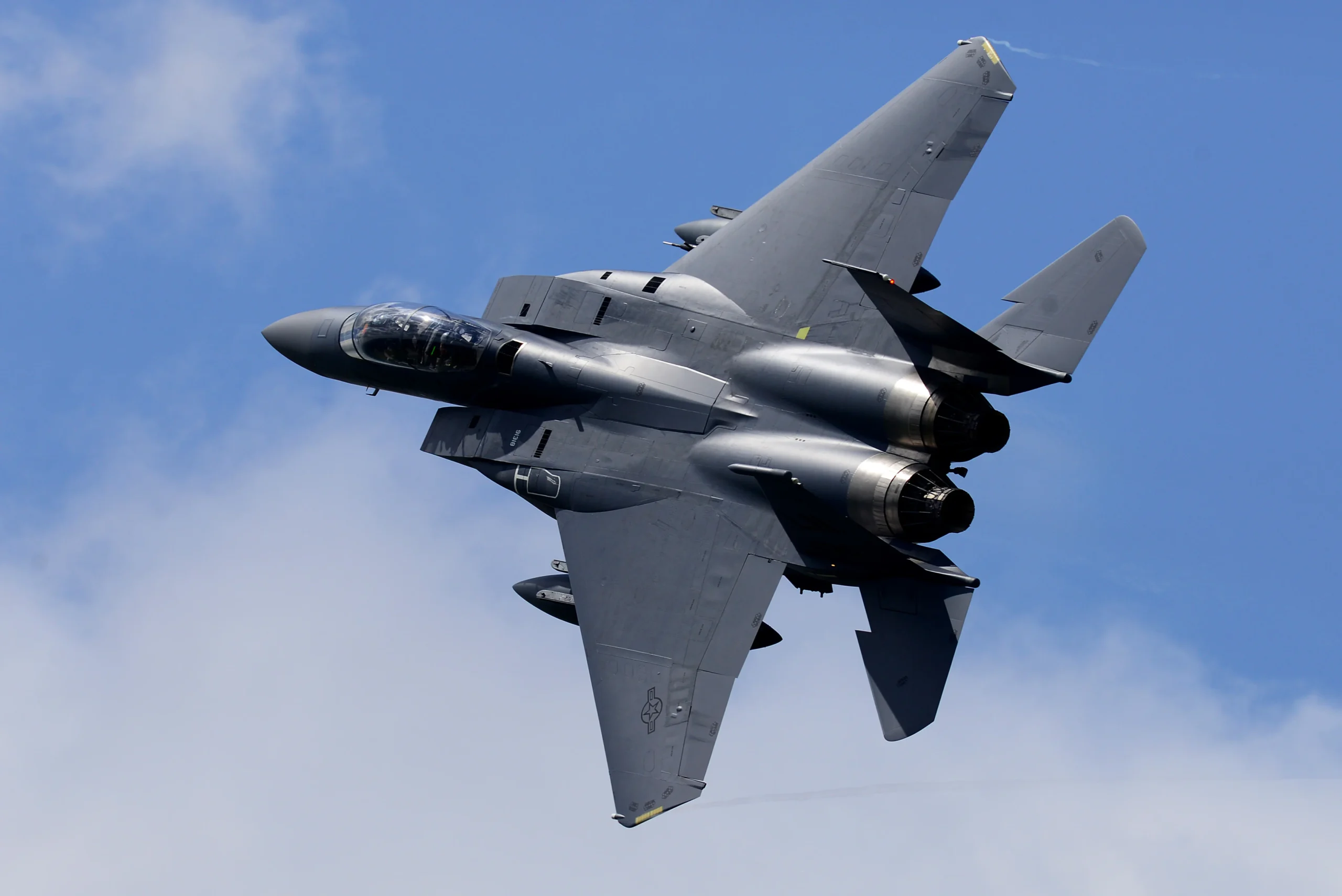
Japan’s Air Self-Defense Force (JASDF) maintains one of the most sophisticated and well-trained air fleets in the Asia-Pacific region. Its mainstay fighter is the F-15J Eagle, built locally by Mitsubishi under license from Boeing.
Although the design is decades old, modern upgrades have kept it combat-ready, including advanced radar and networking systems that allow it to coordinate with newer aircraft.
Japan is also one of the largest international operators of the F-35 Lightning II, with more than 140 jets ordered.
The F-35A will serve as the country’s main air-defense fighter, while the F-35B variant, capable of short take-offs and vertical landings, will be flown from the aircraft carrier Izumo.
Alongside these, Japan operates the Mitsubishi F-2, a jet based on the American F-16 but optimized for maritime missions and long patrols.
Japan’s combination of cutting-edge technology, disciplined training, and close cooperation with U.S. forces makes it one of the most capable air powers in the world — even if its total numbers are smaller.
Bottom Line
The U.S. still leads the world in air power, with the largest fleet of advanced fighter jets and unmatched global reach.
But numbers alone don’t decide modern air wars. Smaller forces — equipped with stealth, advanced sensors, and unmanned support — can now pose serious threats to even the biggest air fleets.
The race for air superiority is no longer just about how many planes a nation has, but how smartly they can fight together — crewed or uncrewed — in the skies of the future.
Stay tuned with us. Further, follow us on social media for the latest updates.
Join us on Telegram Group for the Latest Aviation Updates. Subsequently, follow us on Google News