

DAYTON– The US Air Force expects its next-generation adaptive fighter engine to be ready for aircraft integration by around 2030, marking a major milestone in the service’s effort to modernize military propulsion systems.
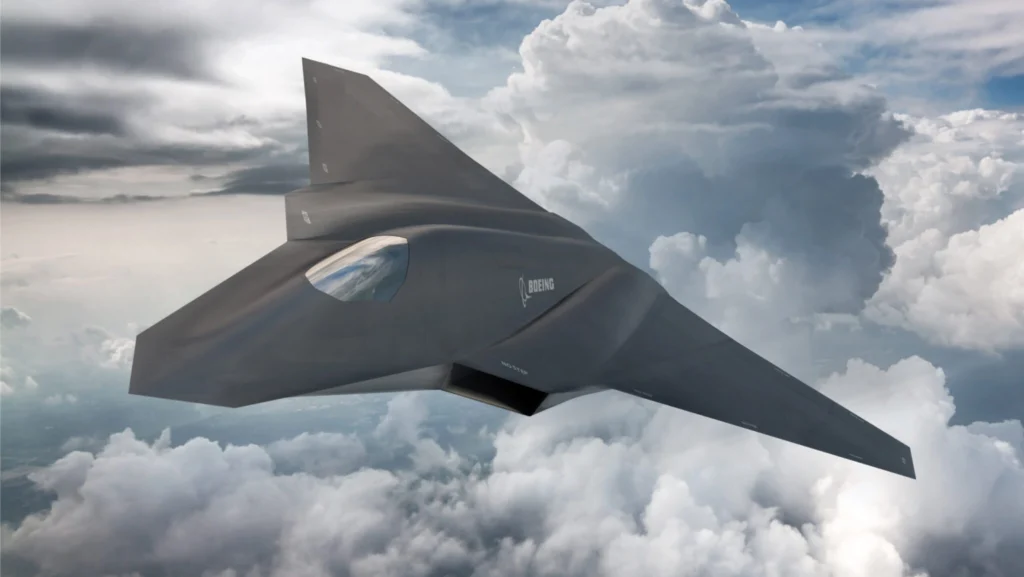
Officials say the advanced engine could eventually power the upcoming Boeing F-47 stealth fighter, although no final decision has been made.
Speaking at the Life Cycle Industry Days conference in Dayton, Ohio, John Sneden, chief of the U.S. Air Force’s Propulsion Directorate, said the service remains focused on developing adaptive engine technology before selecting the aircraft that will ultimately receive it.
The program is widely viewed as a key component of the Air Force’s future combat aviation strategy.
US Air Force F-47 New Engine
The Air Force’s Next Generation Adaptive Propulsion (NGAP) program is entering a critical phase as contractors GE Aerospace and Pratt & Whitney prepare to build and test competing engine prototypes over the next several years.
According to Sneden, the development effort is expected to progress toward potential aircraft integration around 2030.
He emphasized that the Air Force is currently evaluating multiple options and has not committed the engine to a specific platform.
While the F-47 remains a potential candidate, Sneden said the service has not finalized any decisions. Instead, the Air Force is prioritizing the development of a flexible propulsion system that can support future operational requirements.
The official described NGAP as more than a single engine, calling it a collection of advanced propulsion technologies that could also be adapted for existing aircraft in the future.

Possibility of Developing the F-47
The F-47 is the Air Force’s sixth-generation stealth fighter under the Next Generation Air Dominance (NGAD) program. Previous Air Force statements have indicated that NGAP was originally envisioned as the propulsion solution for the aircraft, although the program was intentionally designed to remain platform agnostic.
That approach allows the engine architecture to support different aircraft rather than being tied exclusively to one fighter.
Because the F-47 is expected to enter service before NGAP completes development, the aircraft could initially fly with another engine before receiving an adaptive propulsion upgrade later in its operational life.
Adaptive turbofan technology represents one of the most significant advances in military aviation propulsion in decades.
Unlike conventional engines, adaptive designs can modify airflow characteristics during flight, allowing pilots to balance fuel efficiency and maximum thrust depending on mission requirements.
The technology promises improved combat range, greater fuel economy, increased power generation for onboard systems, and enhanced performance during demanding flight conditions.

Engine Investment in the NGCAP Program
The NGAP program has experienced cumulative delays of approximately three years as the Air Force chose to maintain competition between GE Aerospace and Pratt & Whitney while working within funding constraints.
Despite those setbacks, the service is increasing investment in the program.
Budget documents show the Air Force is requesting approximately $514 million for NGAP in fiscal year 2027, with funding projected to rise to nearly $906 million in fiscal year 2028 as prototype development accelerates, Breaking Defense flagged.
Sneden noted that the last entirely new U.S. fighter engine entered development during the 1990s, underscoring the importance of investing in advanced propulsion technology to maintain a technological advantage over potential adversaries.
Separately, he confirmed that the Engine Core Upgrade (ECU) for the Lockheed Martin F-35 Lightning II is also expected to reach flight testing around 2030.
The Pratt & Whitney-led program is scheduled to complete its critical design review in the coming weeks before progressing toward production later in the decade.
Stay tuned with us. Further, follow us on social media for the latest updates.
Join us on Telegram Group for the Latest Aviation Updates. Subsequently, follow us on Google News
