

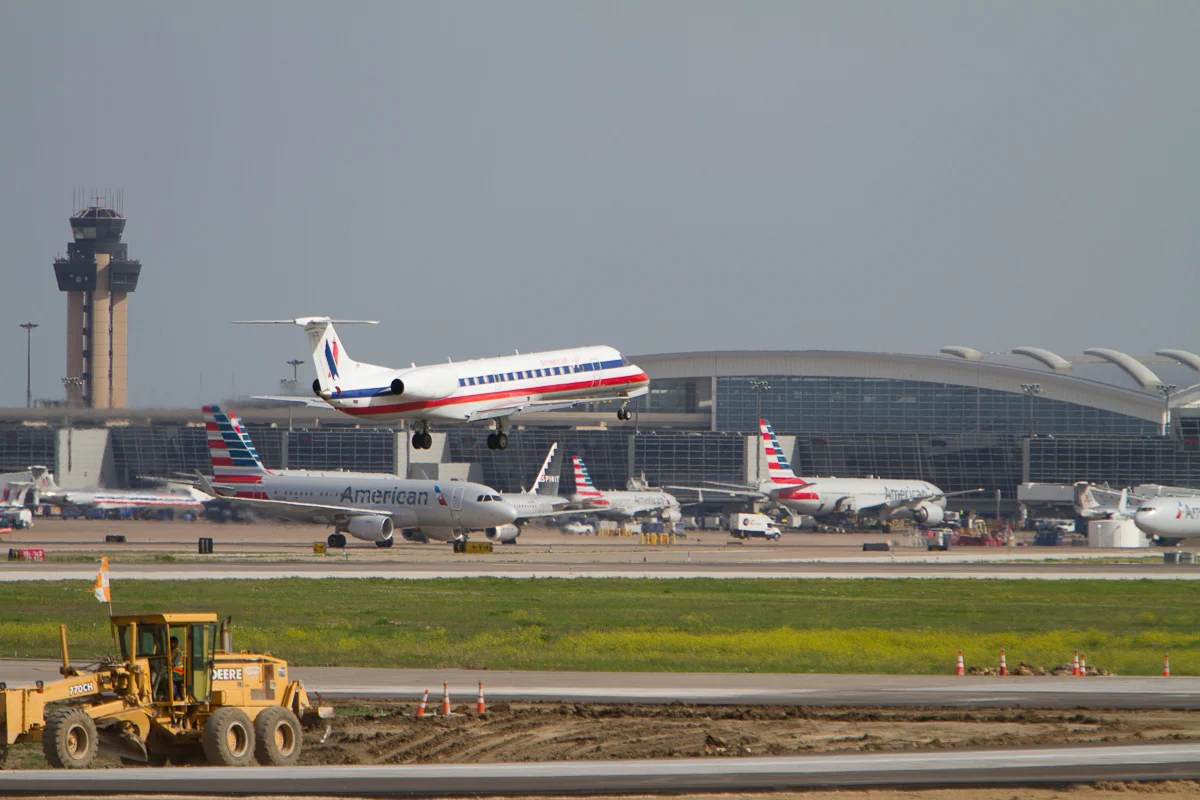
WASHINGTON— American Airlines (AA) flight 4435, operated by Republic Airways (YX), was en route from Chicago O’Hare International Airport (ORD) to Ronald Reagan Washington National Airport (DCA) when it diverted to Columbus Airport (CMH) on Monday (November 10, 2025) night due to a cracked cockpit windshield.
The Embraer E175 regional jet departed nearly two hours behind schedule amid air traffic delays at Chicago and was forced to make a precautionary landing in Columbus, where all passengers were safely accommodated on another aircraft.
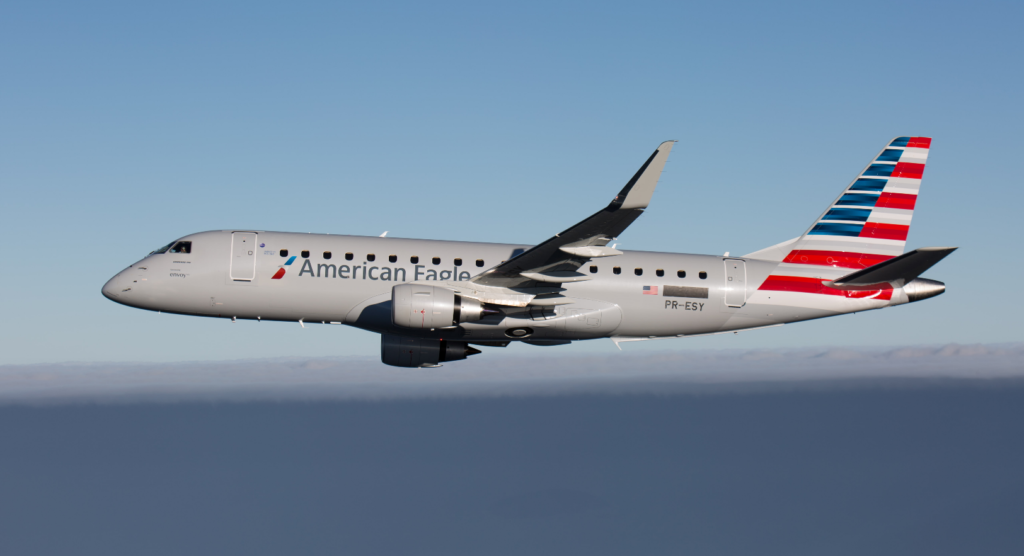
American Airlines Windshield Crack
Flight 4435, operating as an American Eagle service, took off from Chicago at 9:26 p.m. local time after delays linked to congestion at O’Hare. While cruising toward Washington, the flight crew noticed a crack in the outer pane of the cockpit windshield on the first officer’s side.
Following standard safety procedures, the pilots declared an emergency and coordinated with Columbus Air Traffic Control to divert for inspection.
According to the air traffic control exchange, the crew confirmed that only the outer layer of the windshield had cracked, while the inner pane remained intact, maintaining cabin pressurization.
The pilots opted for a controlled descent and precautionary landing, declining the need for emergency vehicles on the runway. The aircraft landed safely at Columbus Airport (CMH) shortly after 11 p.m.
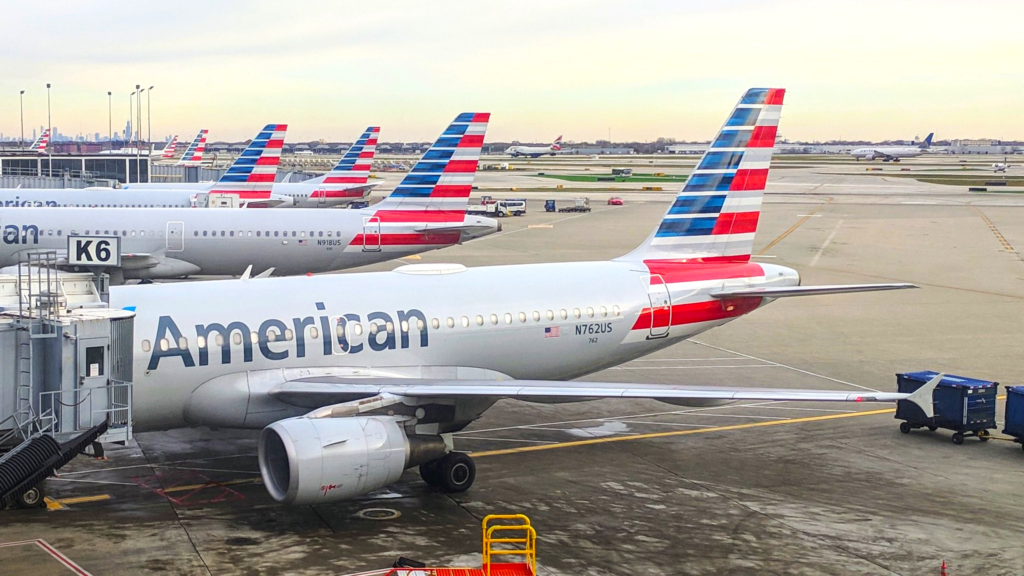
Passengers Continue to D.C. After Aircraft Replacement
Once on the ground, American Airlines confirmed that the aircraft was taken out of service for a full inspection.
Passengers were transferred to a replacement aircraft, which departed Columbus at 2:19 a.m. and reached Washington, D.C. around 3 a.m.
In an official statement, the airline said the flight “experienced a mechanical issue with the windscreen and landed safely in Columbus after being re-directed.”
Understanding Windshield Safety in Modern Aircraft
Aircraft cockpit windows are laminated, multi-ply structures designed with fail-safe capability. If one layer cracks, the remaining layers are engineered to hold pressure and maintain integrity until landing.
The American Airlines incident demonstrates how redundancy in aircraft design allows flights to continue safely even when a single ply fails.
Such events are uncommon but not unprecedented. Similar cases, including a recent United Airlines windshield crack, have shown that these systems perform as intended — allowing crews to descend, divert, and land without risk of depressurization.
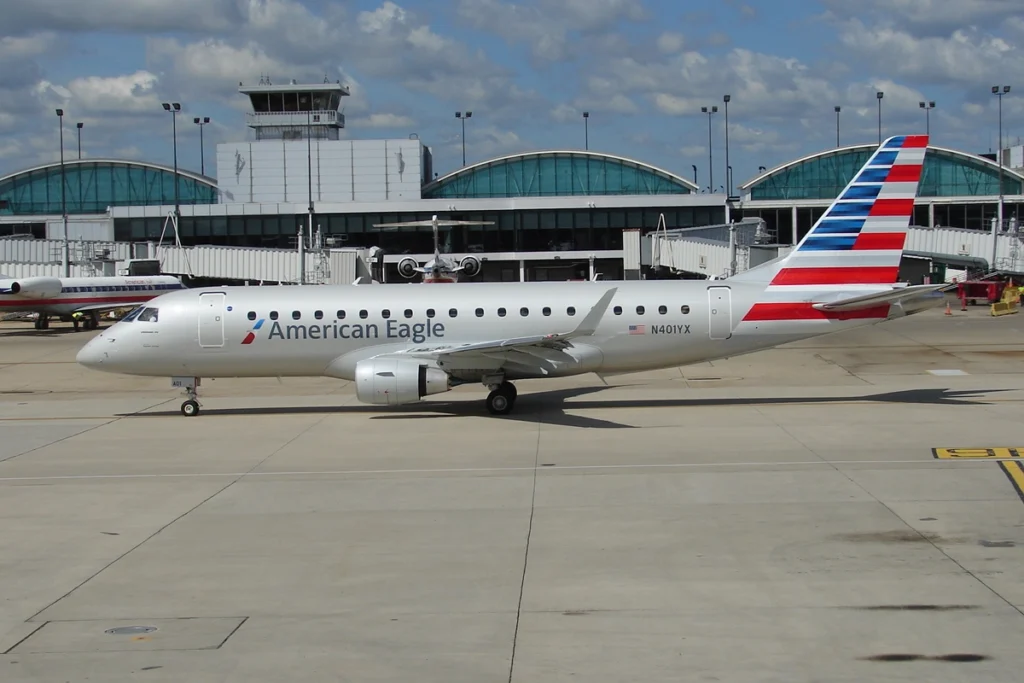
Aircraft Background and Maintenance History
The Embraer E175 involved in this diversion previously operated within the former US Airways regional fleet. Records show it has experienced minor issues in the past, including bird strikes and electrical odor reports — events typical for regional jets with extensive flight hours.
The aircraft will remain grounded pending a maintenance inspection and any necessary repairs before returning to service.
Similar Incident
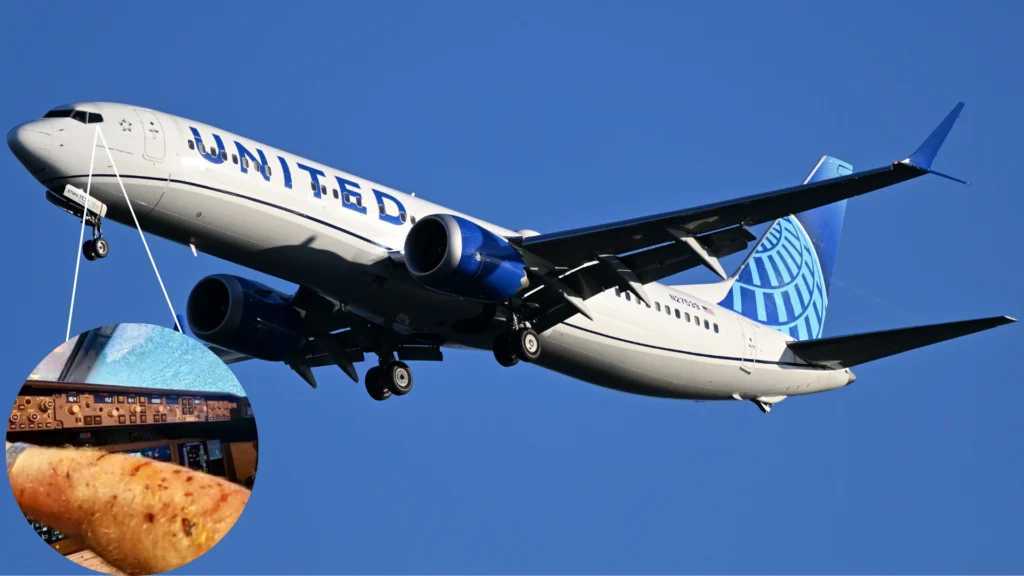
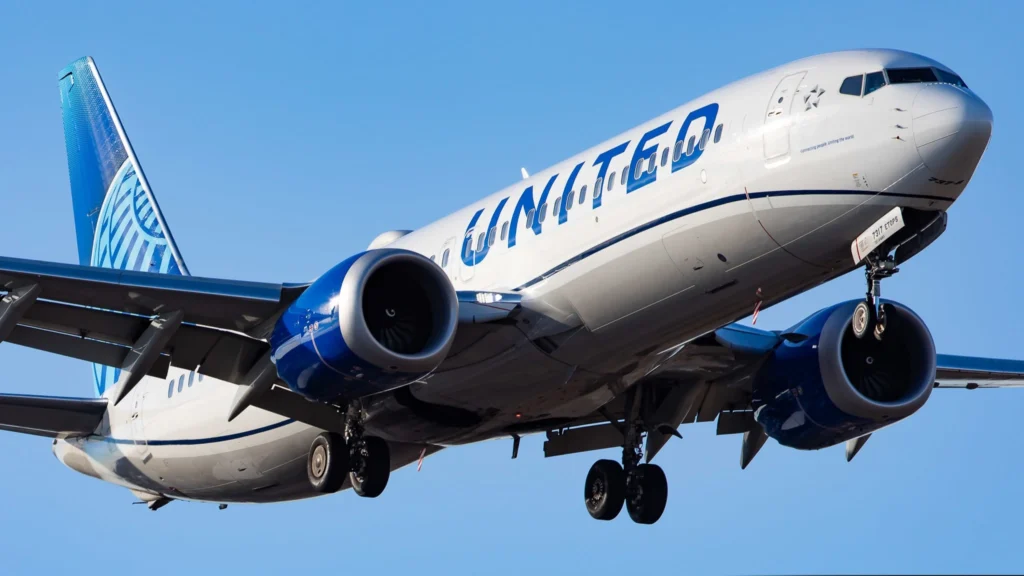
A WindBorne Systems high-altitude weather balloon may have been involved in a mid-air collision with a United Airlines (UA) Boeing 737 MAX operating flight UA1093 from Denver (DEN) to Los Angeles (LAX). The aircraft was diverted to Salt Lake City (SLC) after its cockpit window shattered, injuring the Captain.
Federal investigators are examining how a research balloon entered the aircraft’s flight path at 36,000 feet. WindBorne Systems’ co-founder and CEO, John Dean, confirmed that one of the company’s balloons was likely responsible and said the firm is fully cooperating with the Federal Aviation Administration (FAA) and the National Transportation Safety Board (NTSB).
Investigators Probe Possible Balloon Strike Over Utah
WindBorne Systems, based in Mountain View, operates a global network of long-duration, lightweight balloons that collect weather and climate data. These devices are designed to travel in the upper atmosphere for extended periods, transmitting meteorological data to improve forecasting accuracy.
Dean said the company learned of the October 16 incident late Sunday and immediately initiated a full internal review. He emphasized that WindBorne’s operations follow FAA 14 CFR Part 101 regulations, which govern the launch, tracking, and recovery of unmanned free balloons. The company also files NOTAMs to coordinate with air traffic authorities before each launch.
According to Dean, safety systems are built to minimize collision risks, even in rare circumstances. “The system is built to avoid posing a danger to human life. No depressurization occurred, and there were no severe injuries, which aligns with FAA and ICAO safety standards,” he said.
At the time of the incident, United Airlines flight UA1093 was cruising at 36,000 feet above Utah when the crew noticed an unidentified object approaching the cockpit.
The object struck the upper corner of the First Officer’s windscreen, shattering both layers and scattering glass throughout the cockpit. Despite sustaining an arm injury, the Captain maintained control and diverted safely to Salt Lake City International Airport (SLC).
Safety and Regulatory Response
The FAA and NTSB are working with WindBorne to confirm whether one of its weather balloons caused the strike. Investigators initially considered the possibility of space debris or an untracked aerial object, but later focused on the balloon after WindBorne’s internal tracking data showed one of its units in the vicinity at the time.
Aviation experts note that while weather balloons are common research tools, their intersection with commercial air routes remains rare. The FAA may review current regulations to assess whether additional safety measures are necessary as high-altitude balloon operations expand.
Stay tuned with us. Further, follow us on social media for the latest updates.
Join us on Telegram Group for the Latest Aviation Updates. Subsequently, follow us on Google News
