

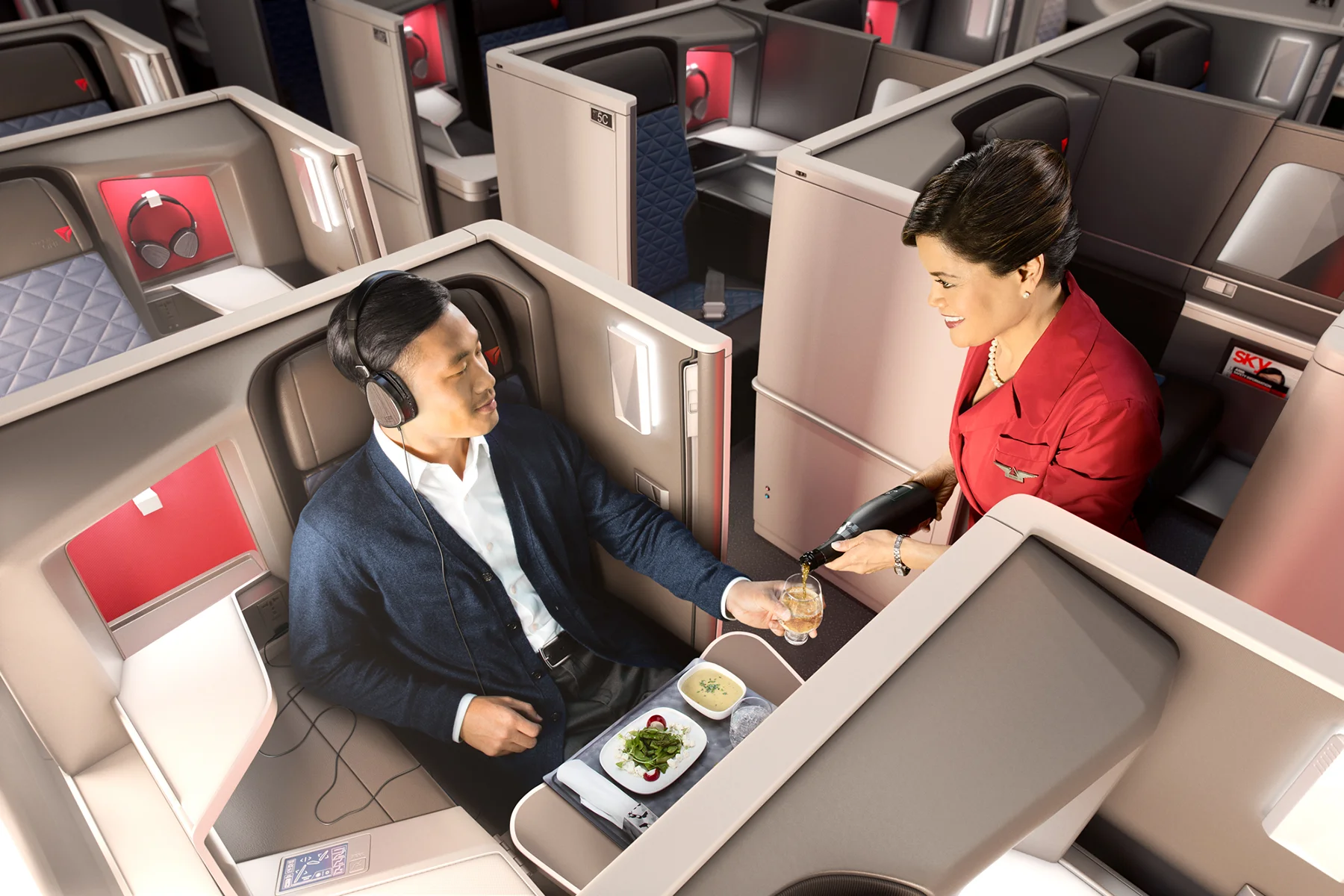
ATLANTA- Delta Air Lines (DL) is selling First Class upgrades for as little as $26 more than Main Cabin fares, signaling how little loyalty now matters. The airline confirms that only 12% of its First Class seats are now going to complimentary upgrades.
Frequent flyers who once relied on status perks like free upgrades are seeing diminishing returns. With such low-cost buy-ups available to anyone, the perceived value of elite loyalty is fading fast.
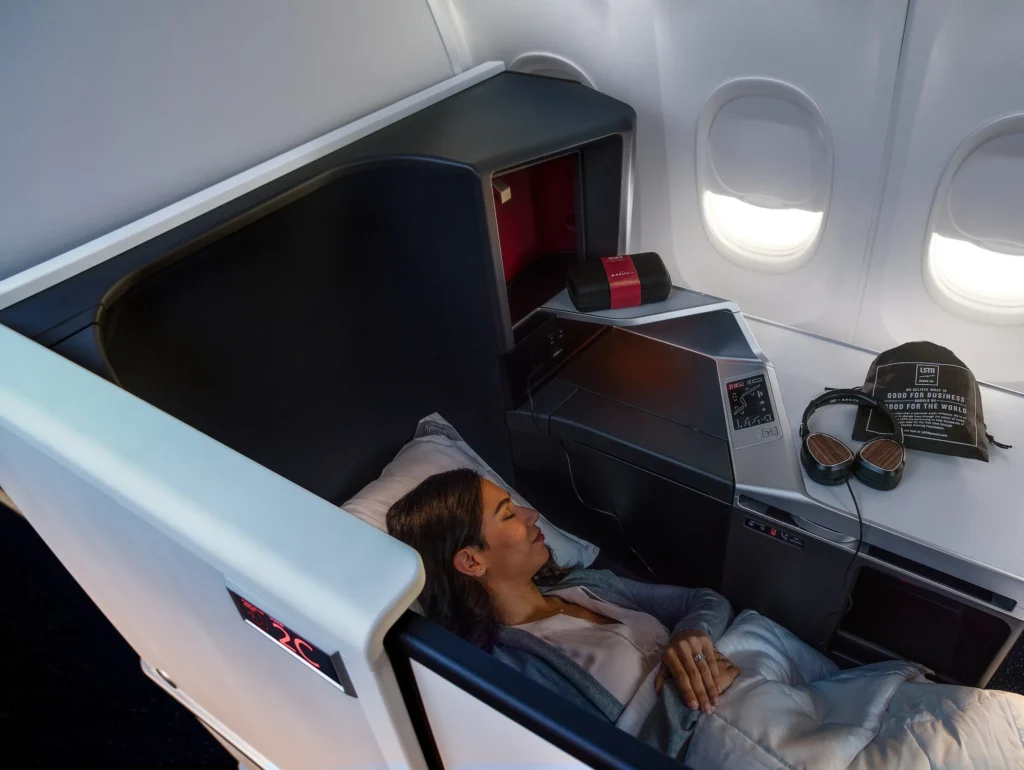
Delta Loyalty Takes a Back Seat
For decades, loyal travelers stuck with one airline for better treatment — early boarding, better service, and most importantly, complimentary First Class upgrades. Delta Air Lines (DL), like most major U.S. carriers, built loyalty around that promise. But the model has changed.
Flights that once offered complimentary upgrades are now selling those premium seats at rock-bottom prices.
In one example, a passenger flying from Chicago O’Hare (ORD) to Detroit (DTW) was offered a First Class upgrade for just $26.77 shortly after purchasing a Main Cabin ticket. That’s less than the cost of a meal at the airport — and significantly cheaper than buying First outright.
Reported by ViewfromtheWing, this shift reflects a broader strategy: airlines are prioritizing immediate revenue from low-cost seat buy-ups over long-term loyalty benefits.
A Changing Upgrade Landscape
Fifteen years ago, about 81% of First Class seats on Delta were filled by upgrades, award tickets, or employees. Today, only 12% go to complimentary upgrades. The rest are sold — often at deeply discounted rates — to any customer willing to pay a small fee.
For elite travelers, especially SkyMiles Diamond Medallions, this sends a clear message: loyalty no longer guarantees premium treatment. Spending $30,000 a year with the airline doesn’t even secure a seat that’s being sold for $26.
This shift suggests Delta’s strategy is to monetize every possible seat rather than reward loyalty. From a revenue perspective, it’s efficient. But from a customer relations standpoint, it risks eroding the trust that frequent flyers have built over the years.
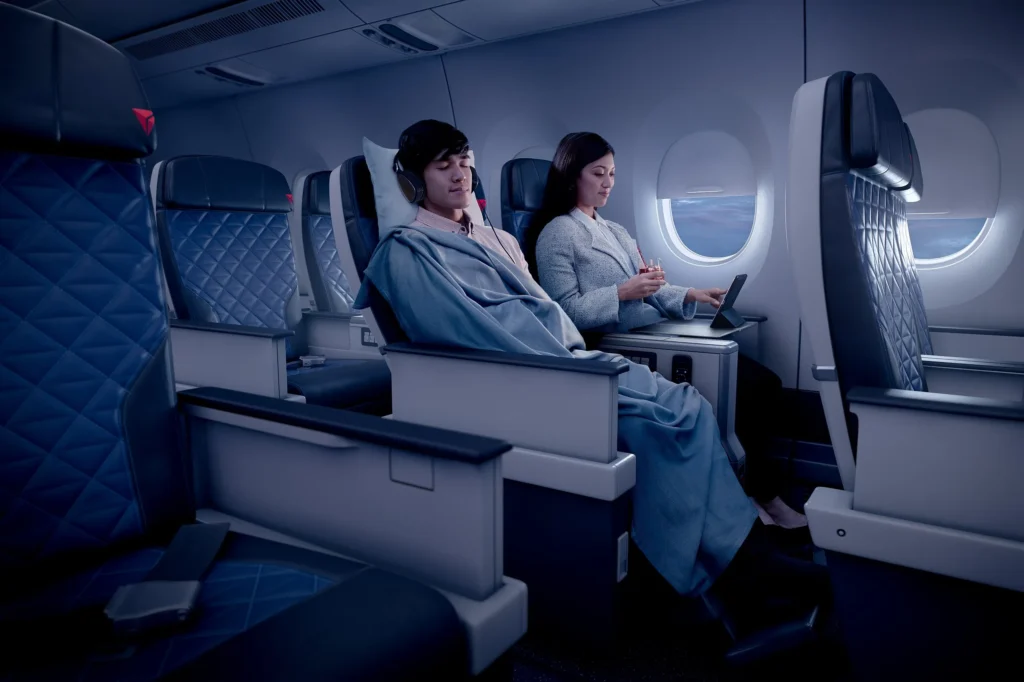
How Travelers Can Adapt
There’s still a way to work within the system. Passengers can book a Main Cabin seat, wait for the post-purchase upgrade offer, and decide whether to take it.
If no discounted offer appears, they can cancel within 24 hours and rebook in First Class using the credit.
Since most fares no longer carry change fees, this approach gives travelers flexibility to chase deals without losing money. It’s a smart workaround for those who want a First Class experience without paying full fare — or waiting for an upgrade that may never come.
The Decline of Loyalty Value
The value of airline status has shifted. Today, status helps mostly with practical benefits like early boarding, free checked bags, and access to preferred seating. The days of consistent complimentary upgrades are largely over.
Mid-tier status levels might now offer the best return, giving travelers enough perks for comfort without the heavy spending required for top-tier benefits. The trade-off is clear: airlines prefer quick revenue from buy-ups over long-term loyalty incentives.
Delta’s approach makes one thing certain — the airline values $26 now more than years of repeat business later. Whether that’s sustainable remains to be seen.
Stay tuned with us. Further, follow us on social media for the latest updates.
Join us on Telegram Group for the Latest Aviation Updates. Subsequently, follow us on Google News
