

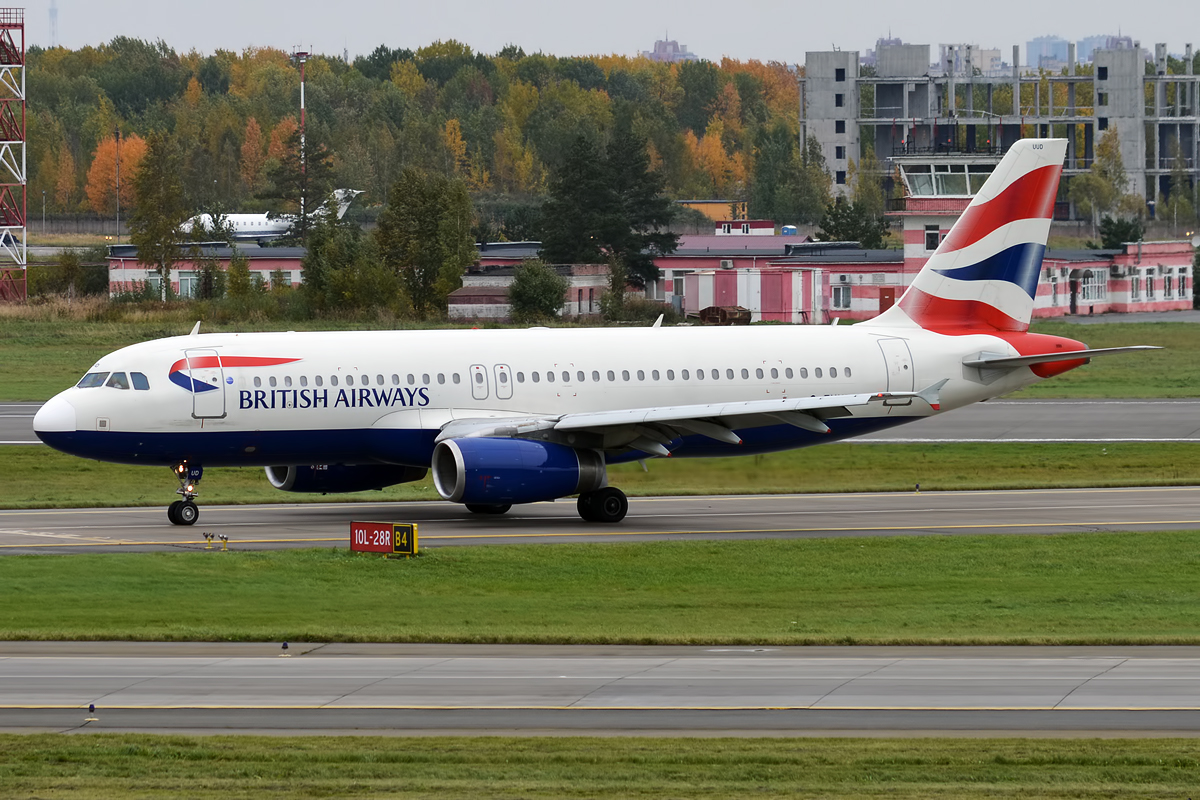
LONDON- A British Airways (BA) passenger claims she would have refused to board her flight to Rome Fiumicino (FCO) had she known she’d be sprayed with what she described as a “toxic” insecticide.
Melissa Arana shared her experience online, alleging that the crew sprayed the cabin before takeoff and that one attendant admitted frustration over performing the task regularly.
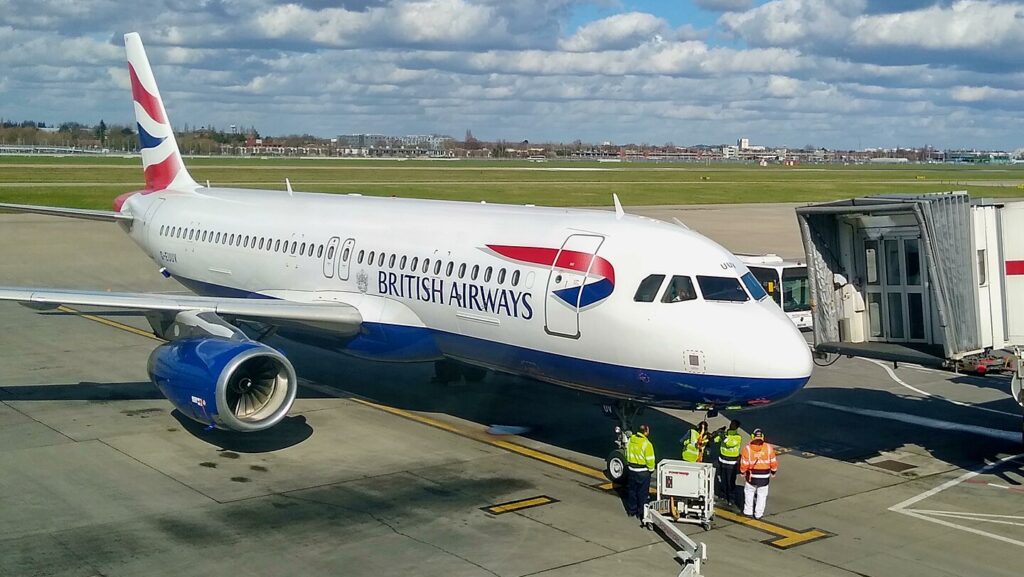
British Airways Passenger Found Insecticide
Arana said the incident occurred on a British Airways flight from London Heathrow (LHR) to Rome Fiumicino (FCO).
In her post, she wrote that passengers were “sprayed down” with a chemical insecticide without prior notice. She added that the spraying was “disgusting” and raised concerns for people with asthma or respiratory issues.
While British Airways does not explicitly inform passengers during booking that certain routes involve insecticide spraying, the airline provides details on its official website about which flights require “disinsection.”
This process, recognized by the World Health Organization (WHO) and the International Civil Aviation Organization (ICAO), aims to prevent the spread of mosquito-borne diseases such as dengue, malaria, and Zika.
According to PYOK, the insecticides used are typically synthetic pyrethroids like Phenothrin or Permethrin, both approved for in-cabin use under international aviation health regulations.
Understanding Aircraft Disinsection
Aircraft disinsection involves spraying the cabin with approved insecticides before or after passengers board, depending on the route.
The measure traces back to the Chicago Convention of 1944, which gave health authorities the right to enforce pest control procedures on international flights.
The purpose is to stop disease-carrying insects from traveling between countries. Health agencies in many regions consider this essential for controlling outbreaks linked to mosquito-borne illnesses.
Why Italy Requires Aircraft Spraying
In 2024, Italian authorities introduced stricter rules requiring airlines to spray aircraft that might have previously operated in areas at risk for dengue or Zika transmission.
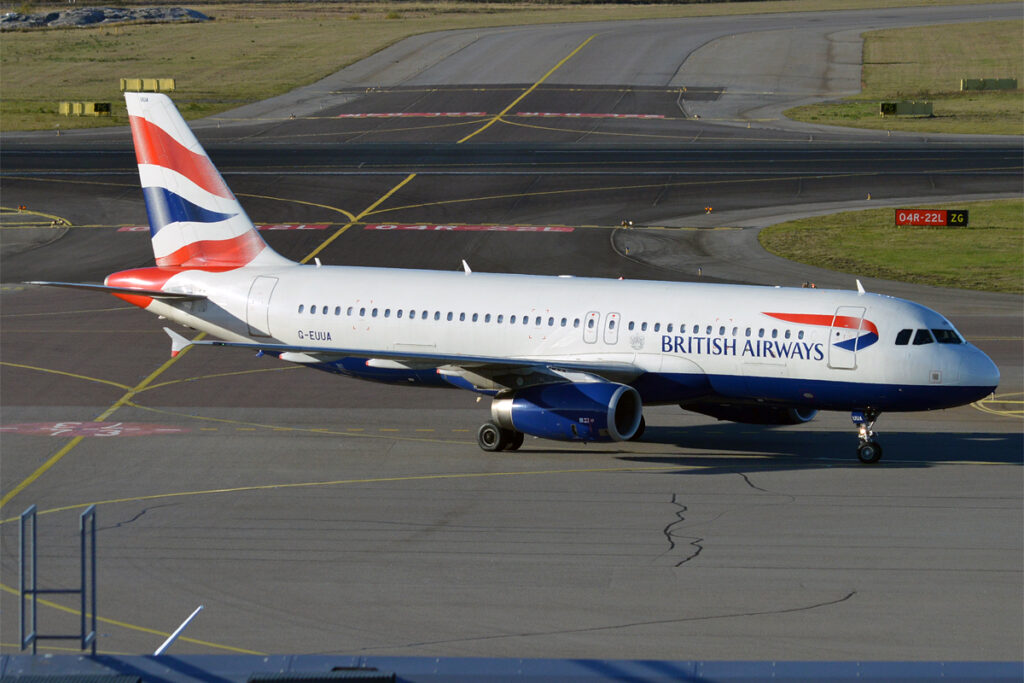
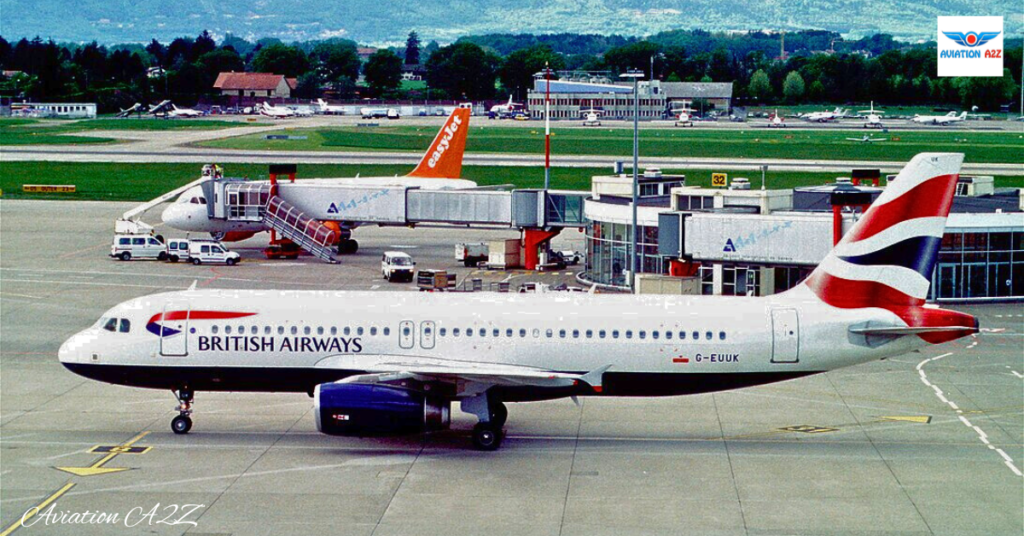
Although the UK is not a risk region, British Airways (BA) short-haul aircraft often rotate between destinations, so flights to Italy are treated as precautionary.
Since BA cannot confirm whether a particular plane has flown to an affected region, it sprays every aircraft bound for Italy. This ensures compliance with Italian health regulations but has led to criticism from passengers unaware of the procedure.
An alternative approach called residual disinsection involves coating cabin surfaces with a lasting insecticide treatment. This method needs reapplication only once every eight weeks and avoids spraying around passengers. However, it is only cost-effective for airlines that frequently fly to countries requiring disinsection, such as Australia or New Zealand.
Global Practices and U.S. Perspective
Over 30 countries mandate aircraft disinsection in some form. The Centers for Disease Control and Prevention (CDC) in the United States has stated there is no conclusive evidence that these sprays prevent disease transmission.
Similarly, the Environmental Protection Agency (EPA) withdrew approval for in-flight insecticides in 1996, citing potential health risks.
Even so, U.S. airlines must still comply with foreign regulations when operating international routes to countries that enforce disinsection requirements.
Passenger Options and Airline Policies
Passengers typically cannot opt out of disinsection once cabin doors are closed. Airlines advise covering the nose and mouth during spraying if sensitive to chemicals.
The WHO maintains that approved insecticides are safe for use around passengers, but debate continues within the aviation community.
Some cabin crew have voiced discomfort with repeated exposure to insecticides and have requested alternative compliance methods. Despite these concerns, cost and regulatory complexity make a full shift to the residual method unlikely in the short term.
Stay tuned with us. Further, follow us on social media for the latest updates.
Join us on Telegram Group for the Latest Aviation Updates. Subsequently, follow us on Google News
