

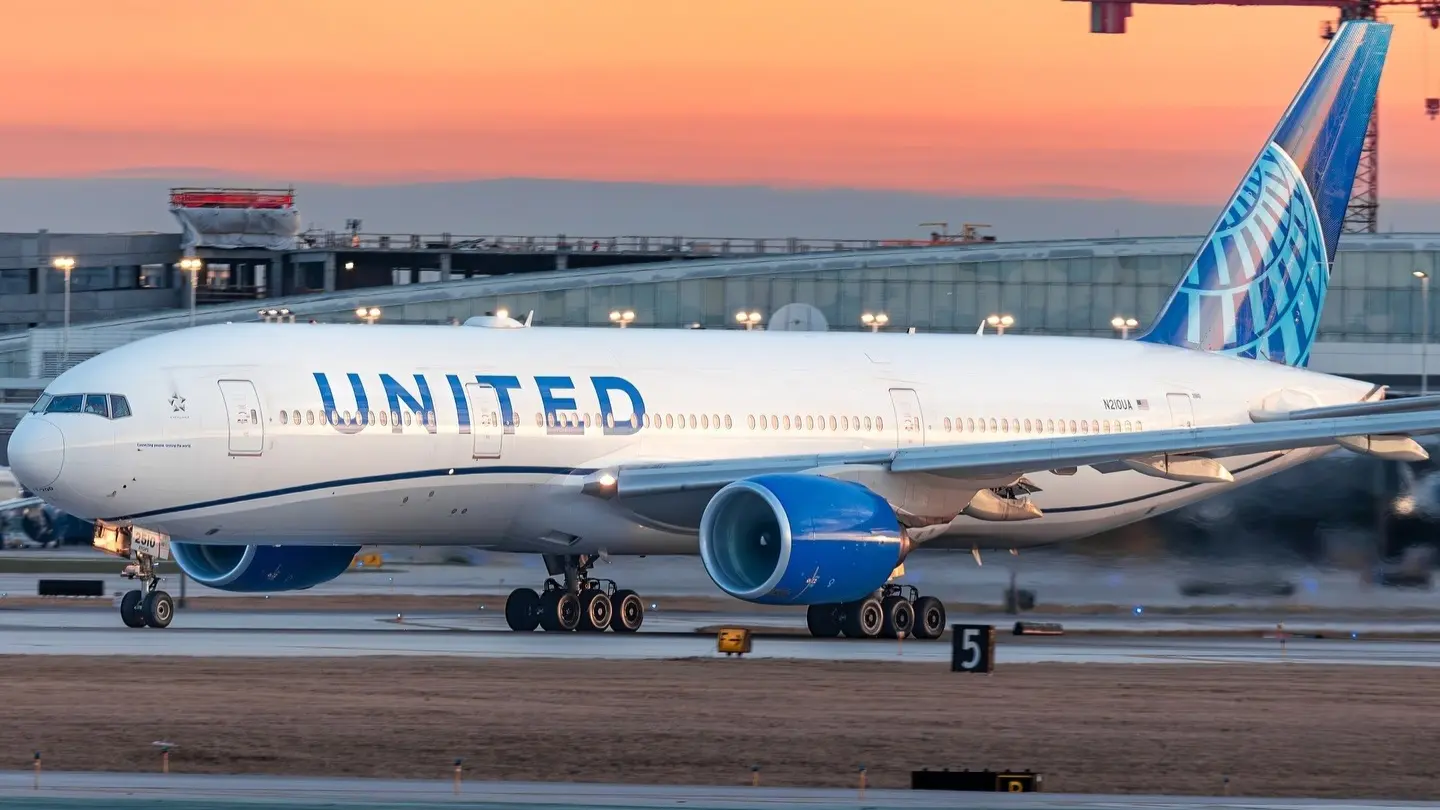
CHICAGO- United Airlines (UA) has banned humanoid and animal-like robots from the cabin and from checked baggage across its network, with the restriction taking effect on July 23, 2026.
The move follows Southwest Airlines (WN), which introduced a comparable rule in May after a humanoid robot occupied its own seat on a flight from Las Vegas (LAS) to Dallas Love Field (DAL). Delta Air Lines (DL) has also introduced a temporary ban of its own.
New Robot Rules For United Passengers
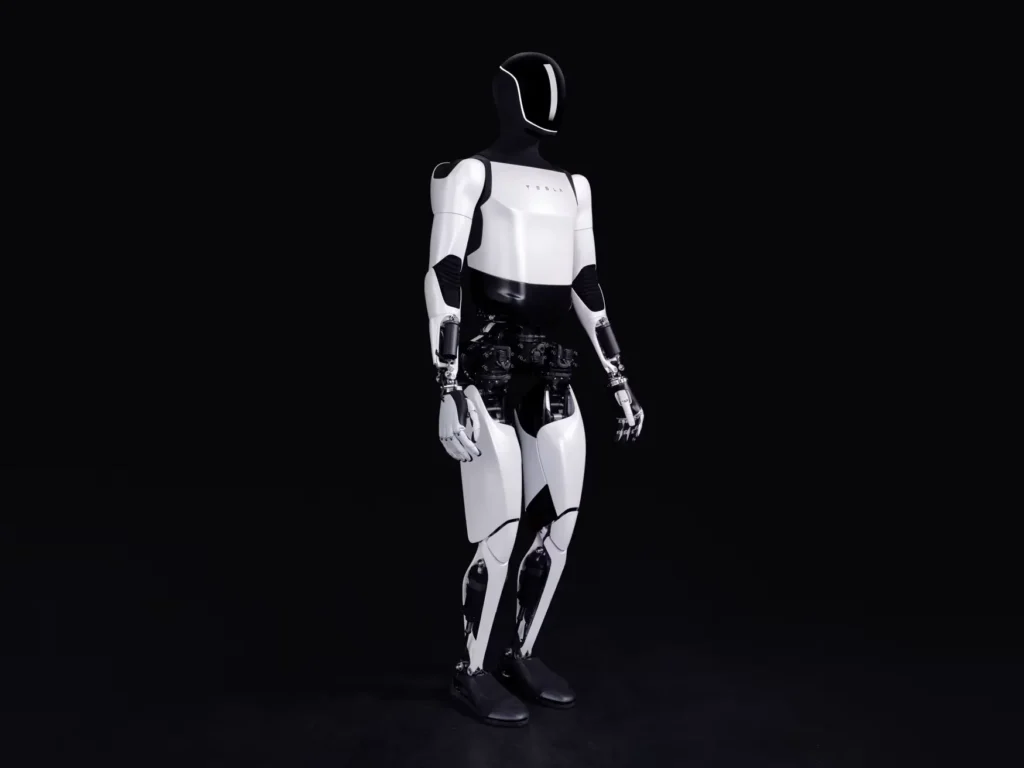
United has prohibited humanoid and animal-like robots regardless of their size or intended purpose.
An internal bulletin issued to staff stated that from July 23, such robots are “not permitted in the cabin or as checked baggage, regardless of size or purpose.” The contents of that bulletin were reported by Live and Let’s Fly.
The restriction now appears publicly on united.com within the airline’s dangerous items tool. That listing states that humanoid and animal-like robots are not allowed on the plane or in checked bags.
United defines a humanoid robot as an artificial intelligence-driven or remote-controlled machine that mimics how a human looks, moves, thinks, and speaks.
An animal-like robot is defined as an artificial intelligence-driven or remote-controlled machine that looks and behaves like an animal.
Other types of robots, including small toys and gadgets, may still be carried if they meet United’s standard size, weight, and battery restrictions along with the airline’s other safety and carry-on rules.
Lithium Batteries Drive Restriction
United has pointed to onboard safety as the reason for the change.
The airline said these machines frequently contain “batteries that we do not accept on board or in checked baggage” because of the risks involved, and stated the change would further protect customers and crew.
Large lithium-ion batteries can create a serious fire risk onboard an aircraft, particularly if damaged, defective, or improperly packaged.
What Existing Battery Limits Actually Say
Robot operators are working against thresholds that were written for consumer electronics.
Lithium-ion batteries rated under 100 watt-hours need no airline approval and cover most phones, laptops, and power banks.
Batteries between 101 and 160 watt-hours require prior approval from the carrier and are capped at two per passenger. Anything above 160 watt-hours is prohibited on passenger aircraft, with narrow exceptions for medical devices such as wheelchairs.
Removable lithium batteries are also barred from checked luggage entirely under IATA, FAA, and ICAO rules, regardless of capacity.
A humanoid robot packed in a case therefore cannot travel in the hold with its power pack installed, which is the practical reason these machines end up in the cabin in the first place.
Instructions For Airport And Cabin Staff
United has directed airport employees to watch for passengers attempting to check or board with a prohibited robot.
If one reaches the aircraft, flight attendants are instructed to contact the gate and coordinate its removal.
Flight That Started It
Southwest introduced its ban in May, two days after a robot completed a scheduled flight as a ticketed occupant.
Aaron Mehdizadeh, owner of The Robot Studio in North Dallas, was returning from Las Vegas with Stewie, a 3.5-foot humanoid robot normally rented out for events. Rather than shipping the machine as cargo, he bought it a seat using the ticket type often purchased for fragile items such as wedding dresses or equipment. Stewie was fitted with a smaller battery to clear airline and TSA requirements, then walked through the airport and boarded the flight to Dallas Love Field.
The flight operated on May 10. Passengers and crew reacted with surprise as the robot made its way to a window seat.
Because Stewie was technically classified as a carry-on item, it was not supposed to occupy a seat at all. Crew members disconnected the robot’s battery and moved it to a window position so the flight could proceed.
Writing on social media, the team behind the flight said earlier attempts by them and others had failed because of batteries, and that this time they used a custom lithium pack specified just under the legal limit.
They stated they broke no FAA rule. Also said a Southwest employee subsequently leaked them the internal training the airline pushed to every flight attendant companywide, which they described as mandatory and urgent and said used a photo of Stewie onboard as the example to watch for. They called the response arguably robophobic.
Mehdizadeh has disputed the battery rationale. He said the power source used was comparable to a laptop battery and that the restriction was therefore not really about batteries.
Southwest told CNN the policy was introduced over lithium battery safety concerns and was not triggered by any single incident. Mehdizadeh has said he hopes the airline will eventually permit humanoid robots that meet safety requirements.
Oakland Delay That Came First
An earlier incident had already exposed the gap in airline rulebooks.
A team from Dallas-based Elite Event Robotics was travelling with Bebop, a 70-pound humanoid robot built for events and performances, on a Southwest flight from Oakland (OAK) to San Diego (SAN).
Bebop’s case was too heavy to check under Southwest’s rules, so the team purchased the robot a seat. Once it was strapped in, crew questions about its batteries and hardware began, and the delay ran past an hour.
A Southwest spokesperson confirmed a ticket had been bought for Bebop but said the initial delay stemmed from the robot occupying an aisle seat, which breached the airline’s policy on large carry-on items.
Bebop was moved to a window seat before staff identified a second problem with the battery. Southwest said the lithium battery exceeded its maximum allowable size and was confiscated, which caused the delay.
Elite Event Robotics then overnighted the batteries to Chicago so the robot could make its next scheduled appearance. Video posted by the company showed Bebop dancing for travellers at the airport before the battery was removed.

Southwest And Delta Have Already Moved
Southwest’s policy language is broader than United’s in one respect.
The carrier does not allow human-like or animal-like robots in the cabin or as checked baggage regardless of size or purpose. It defines a human-like robot as one designed to resemble or imitate a human in appearance, movement, or behaviour, and applies the same test to animal-like robots.
All other robots, including toys, must fit within a carry-on size bag and comply with existing battery restrictions.
Delta has gone further in framing. Its published baggage policy describes the measure as a temporary ban covering any robot designed to resemble or imitate a human or animal in appearance, size, movement or behaviour, in the cabin or as checked baggage.
Delta also states that these machines are not assistive devices and do not meet the definition of a trained service animal. Human-like and animal-like toy robots remain exempt provided they meet standard carry-on limits, are stowed in an FAA-approved location, and comply with existing battery restrictions.
That leaves American Airlines (AA) as the remaining major United States carrier without a published position.
United has left room to revisit the restriction as the technology matures.
The airline said it will keep evaluating whether and how these machines can be transported safely as the technology continues to evolve.
Bottom Line
United Airlines has banned humanoid and animal-like robots from its cabins and checked baggage from July 23, 2026, citing lithium battery safety.
Southwest Airlines adopted the first such policy in May after Stewie flew from Las Vegas to Dallas in a purchased seat and after Bebop delayed an Oakland to San Diego departure by more than an hour.
Delta Air Lines has since published a temporary ban of its own. Three of the four largest United States carriers now restrict these machines, and all three have identified battery capacity as the obstacle rather than the robots themselves.
Stay tuned with us. Further, follow us on social media for the latest updates.
Join us on Telegram Group for the Latest Aviation Updates. Subsequently, follow us on Google News
