

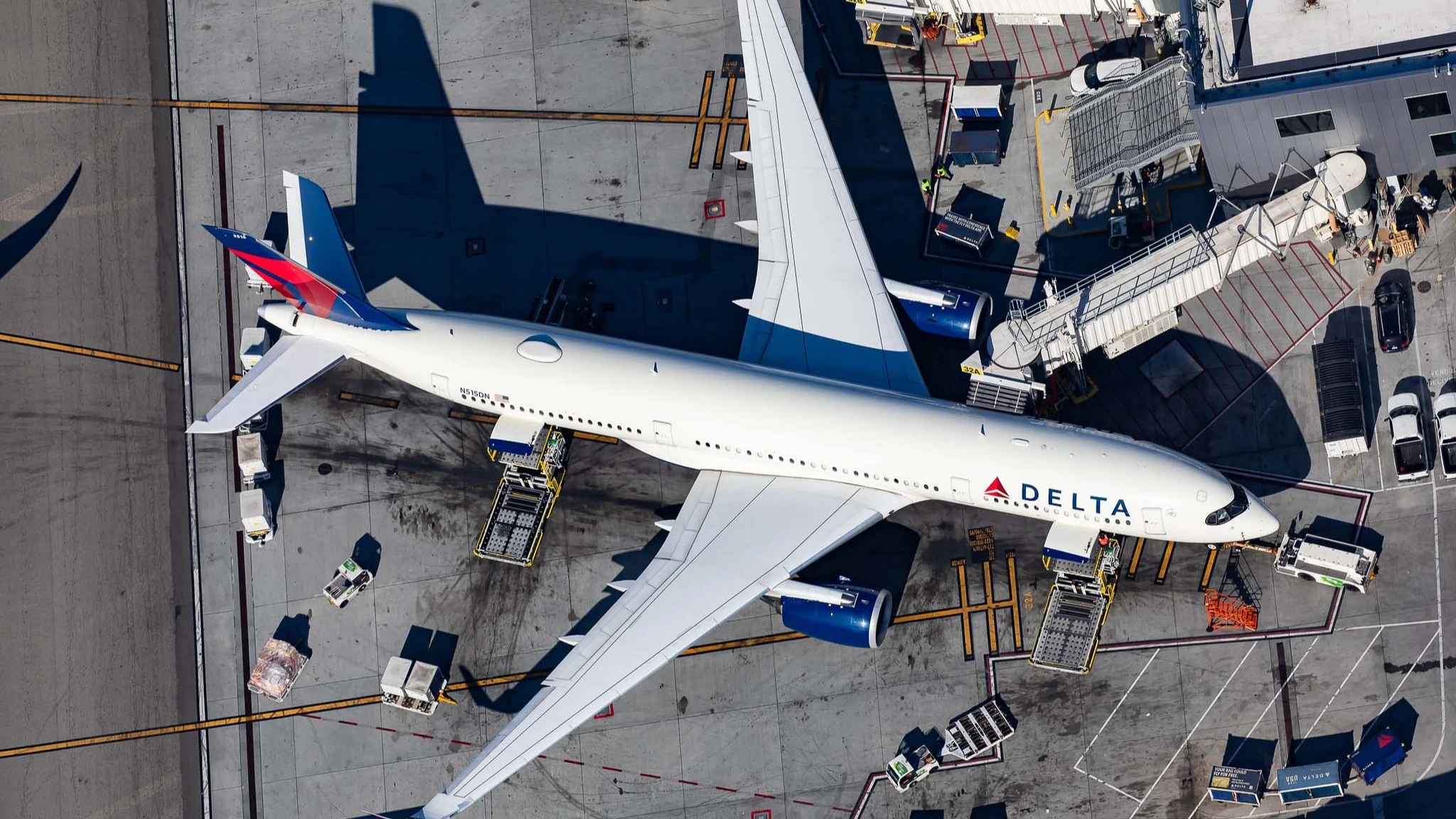
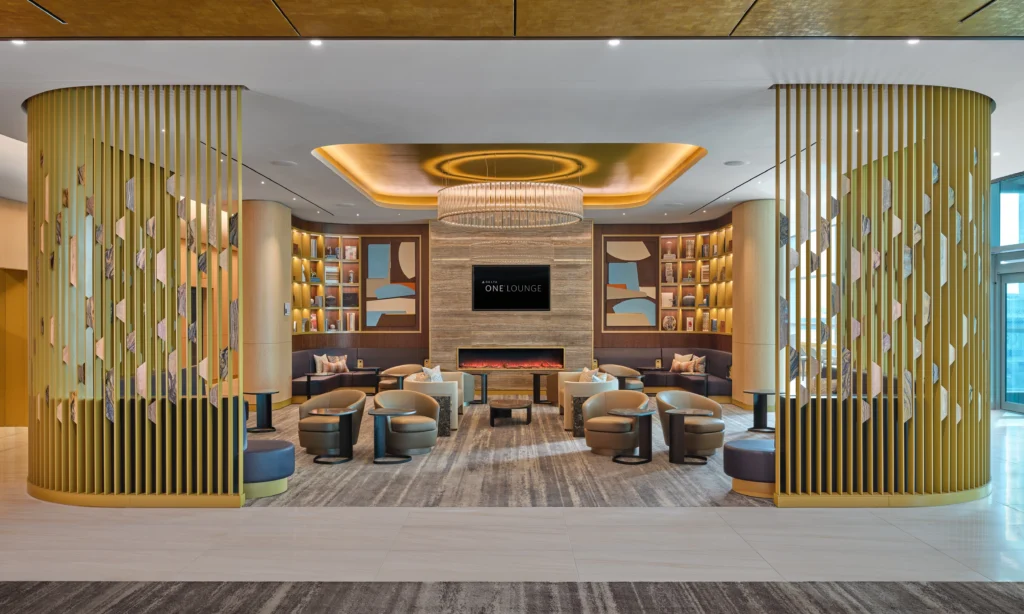
Atlanta-based Delta Air Lines (DL) has temporarily suspended its exclusive Delta One security screening lanes at New York’s John F. Kennedy International Airport (JFK) and Los Angeles International Airport (LAX) due to the ongoing U.S. government shutdown.
The premium checkpoints, designed for Delta One international travelers, are inactive as Transportation Security Administration (TSA) resources remain stretched. Passengers flying in Delta’s top-tier cabin are now required to use regular TSA security lanes alongside general travelers.
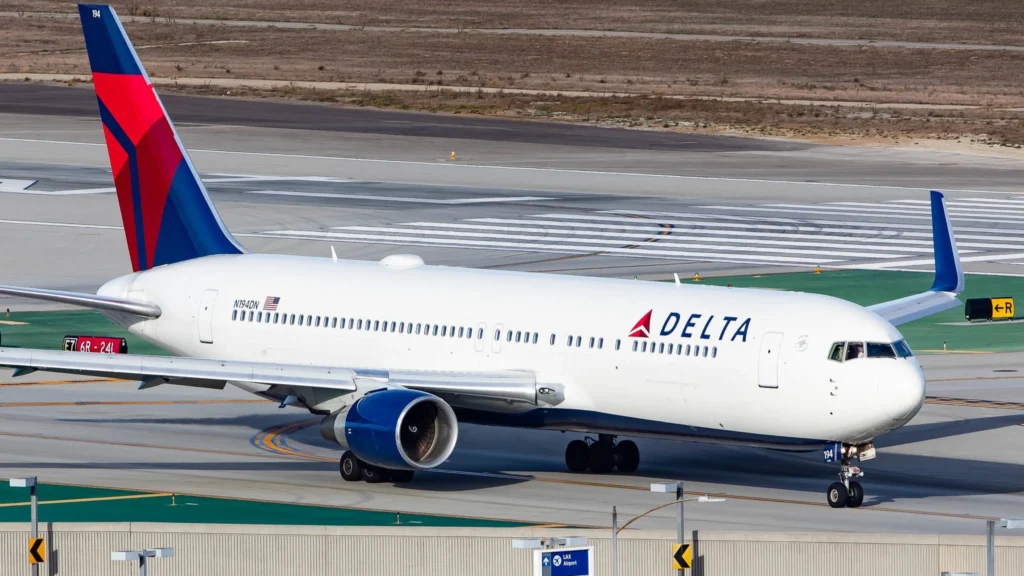
Delta One Lanes Suspended
Delta Air Lines confirmed that its dedicated security lanes for Delta One customers at JFK and LAX are currently unavailable. Normally, these lanes provide business-class passengers a faster and more private security experience before international departures.
The disruption follows the continued U.S. federal government shutdown, which has strained airport staffing and security operations nationwide.
According to Delta’s website, the Delta One experience is meant to make travel “feel effortless from the moment you arrive.” That promise has temporarily unraveled as high-paying customers are funneled into standard TSA checkpoints.
A Delta One ticket from JFK to Paris-Charles de Gaulle Airport (CDG) can exceed $4,000, underscoring the level of service these travelers expect.
A Delta spokesperson said the airline is “working with TSA partners in these locations to have customers screened through other checkpoints.” The airline continues to coordinate with TSA to minimize disruptions while maintaining operational safety and efficiency, WSJ reported.

Airline and TSA Coordination Efforts
Delta maintains a longstanding partnership with TSA, with trained airline staff assisting at its premium checkpoints to expedite screening. During the shutdown, however, reduced staffing among federal employees has limited the agency’s ability to operate these exclusive lanes.
To support affected personnel, Delta has also arranged meal distributions for TSA and transportation employees currently working without pay. Despite these efforts, the shutdown’s fifth week has deepened pressure on airport systems and travel operations.
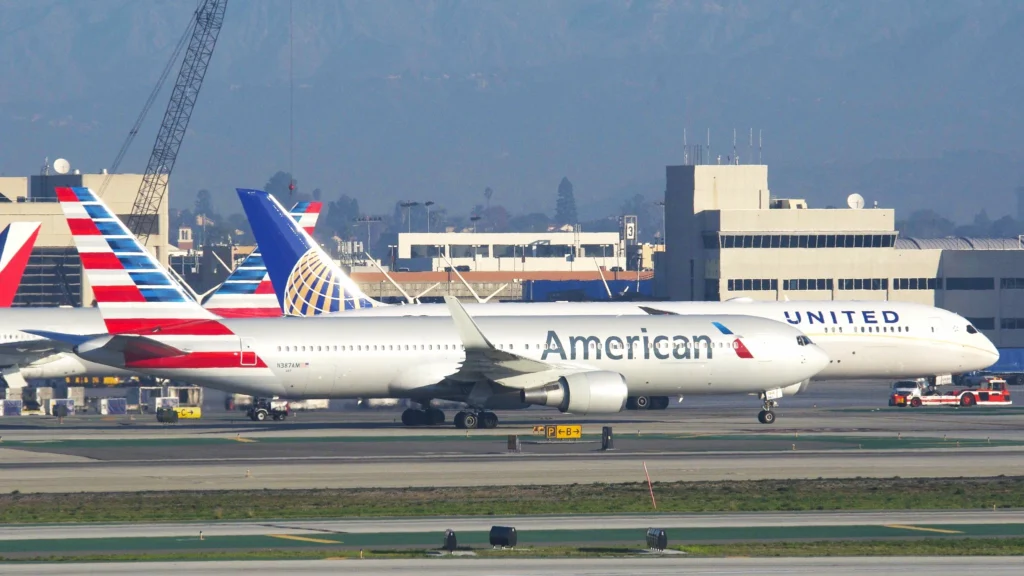
Meanwhile, other U.S. carriers appear to be weathering the situation better. American Airlines (AA) and United Airlines (UA) both reported that their concierge and priority security services remain unaffected.
United’s Premier Access lanes, available at more than 60 airports globally—including major hubs such as Los Angeles (LAX) and Chicago O’Hare (ORD)—continue to operate normally.
Impact on Air Travel and Security Operations
The TSA has warned of “occasional delays” at certain airports due to limited staffing. While most of its operations remain active, fewer employees are reporting to work as financial strain increases. Air traffic control facilities are also feeling the impact.
The Federal Aviation Administration (FAA) has implemented traffic-slowing measures across multiple airports due to staffing shortages. On a recent Saturday, there were 22 “staffing triggers” nationwide—instances where controller numbers fell below optimal levels—leading to delayed or reduced air traffic.
Transportation Secretary Sean Duffy noted that many air traffic controllers “live paycheck to paycheck,” with this week marking their first missed full paycheck since the shutdown began.
Since the start of the shutdown, more than 23,000 U.S. flights have faced delays, caused by a mix of staffing shortages, technical issues, weather, and construction.
Expert Insight on TSA and Staffing Shortages
Industry experts such as Gary Leff stress that TSA operations are not considered non-essential and cannot simply be paused. Instead, when employees go unpaid, the agency struggles to maintain full capacity.
TSA screeners and air traffic controllers, though classified as essential workers, are currently receiving no pay and are expected to be reimbursed later.
Many employees have taken temporary jobs—such as driving for Uber or delivering for DoorDash—to make ends meet. This results in fewer workers showing up for shifts, increasing fatigue and absenteeism among those who remain on duty, ViewfromtheWing Highlighted.
The situation recalls January 25, 2019, when large-scale sick calls from controllers at New York TRACON (N90) and Washington Center (ZDC) caused nationwide flight disruptions and ultimately pushed Congress to end a 35-day shutdown. Experts warn that a similar outcome could occur if current trends continue.
At present, neither American Airlines nor United Airlines reports any suspension of premium security access for their high-value passengers. However, continued staffing shortages could widen the operational impact across the aviation sector.
Stay tuned with us. Further, follow us on social media for the latest updates.
Join us on Telegram Group for the Latest Aviation Updates. Subsequently, follow us on Google News
