

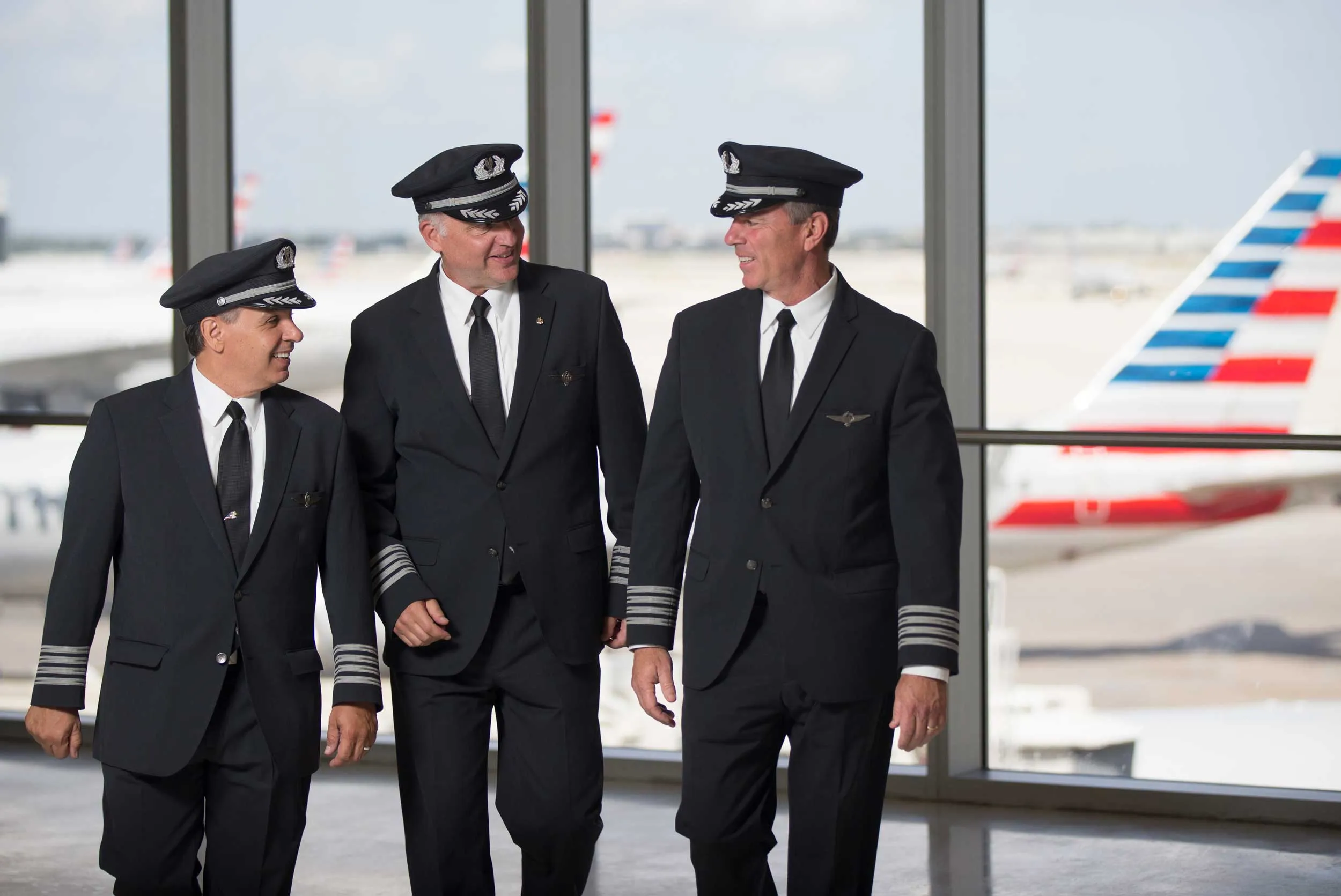
FORT WORTH- American Airlines (AA) outlines a turnaround path after a troubled summer, focusing on operations, fleet refresh, and premium product investment.
The leaked employee briefing maps immediate fixes and longer-term capital plans and is shared by ViewfromtheWing.

American Airlines Leaked Employees’ Briefing
The leaked internal briefing frames the next phase as a pragmatic, multi-year effort: fix operations, invest in product, and redeploy aircraft where they earn best.
Executives acknowledge summer operational failures, cite seasonal and weather pressures, and present specific remedies — from boarding and gate policies to security processing and cabin upgrades.
According to ViewfromtheWing, the brief also signals how American will shift aircraft types and retrofit older frames rather than replacing them immediately.
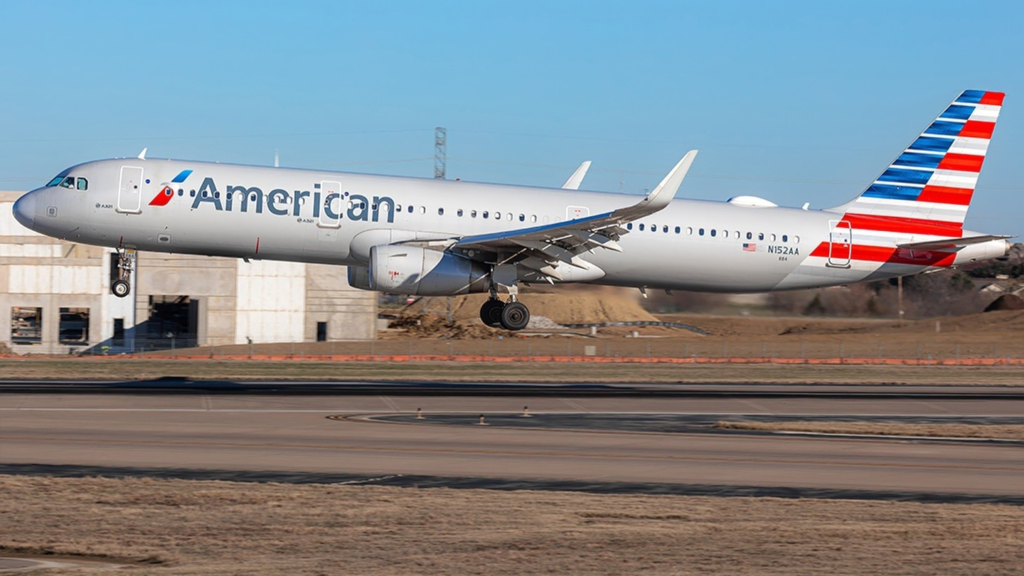
Why Summer went Wrong and How It Changed?
Executives described the summer as the airline’s most important period and the one where problems were concentrated.
The company conceded the operation was “not strong” over peak months, attributing some disruption to weather and tariff-related headwinds but also to execution failures.
Changes now include earlier boarding procedures intended to reduce last-minute gate checks and a reported 25% drop in gate-checked carry-ons year-over-year.
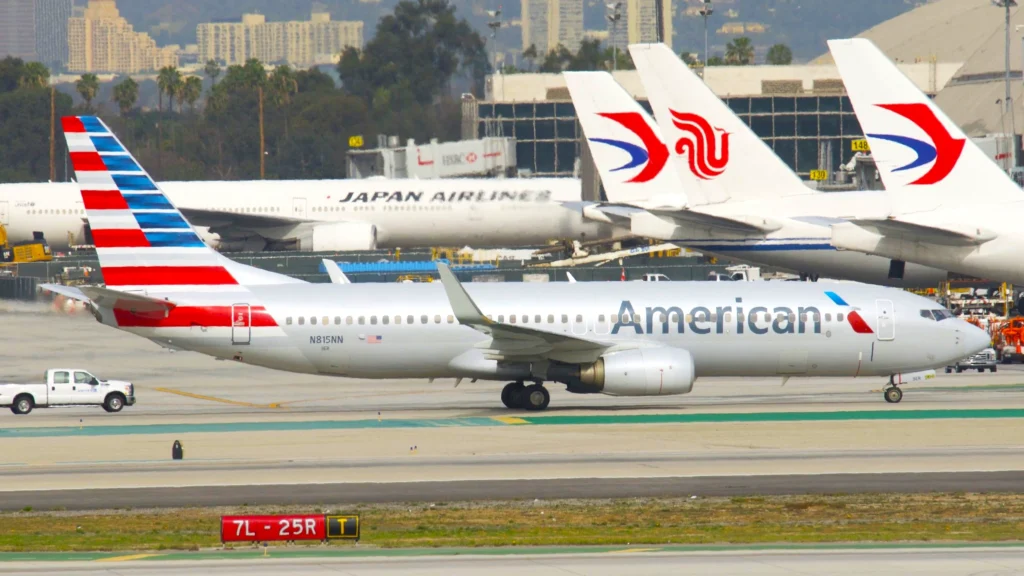
American has also expanded One Stop Security (OSS) on London–Dallas flights so that passengers clear passport control and proceed directly to connections, and Miami now uses facial-recognition Enhanced Passenger Processing for international arrivals.
Those steps aim to cut connection times and reduce missed connections, but they require consistent gate staffing and clearer passenger communications to be effective.
Customer Experience
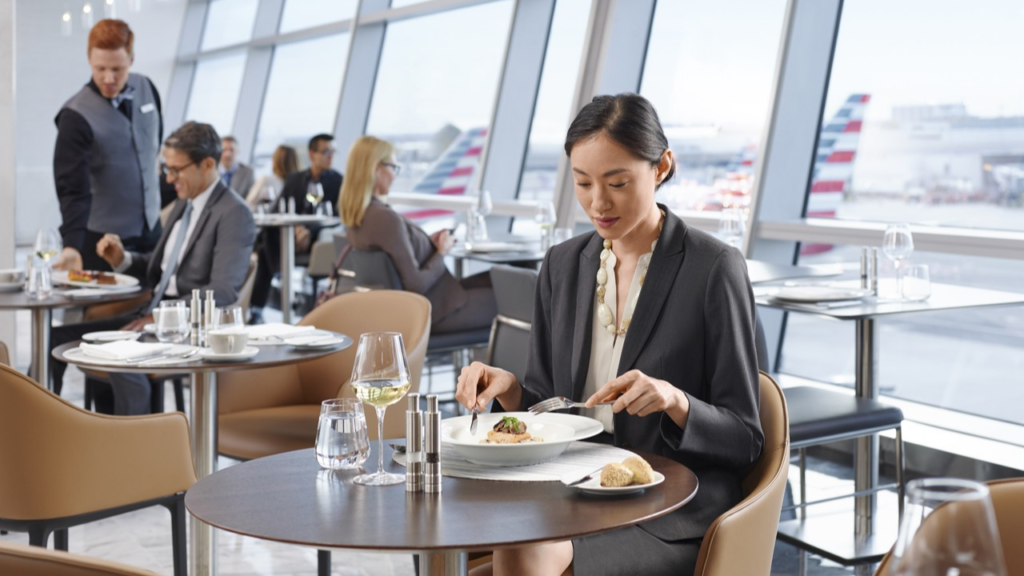
The briefing emphasizes concrete, passenger-visible changes: fewer gate-checked bags, expanded mattress pads in long-haul business class, restored pajamas on ultra-long-haul flights, and a planned rollout of upgraded Wi-Fi on regional aircraft.
Mattress pads were extended across ultra-long-haul business cabins this summer, and leadership signaled further expansion.
The airline said it will reduce intrusive last-minute bag checks, though executives did not fully explain the operational drivers behind the improvement.
Restoring these amenities and improving overhead bin capacity aim to raise perceived quality and justify a premium-focused revenue push.
Fleet and Product
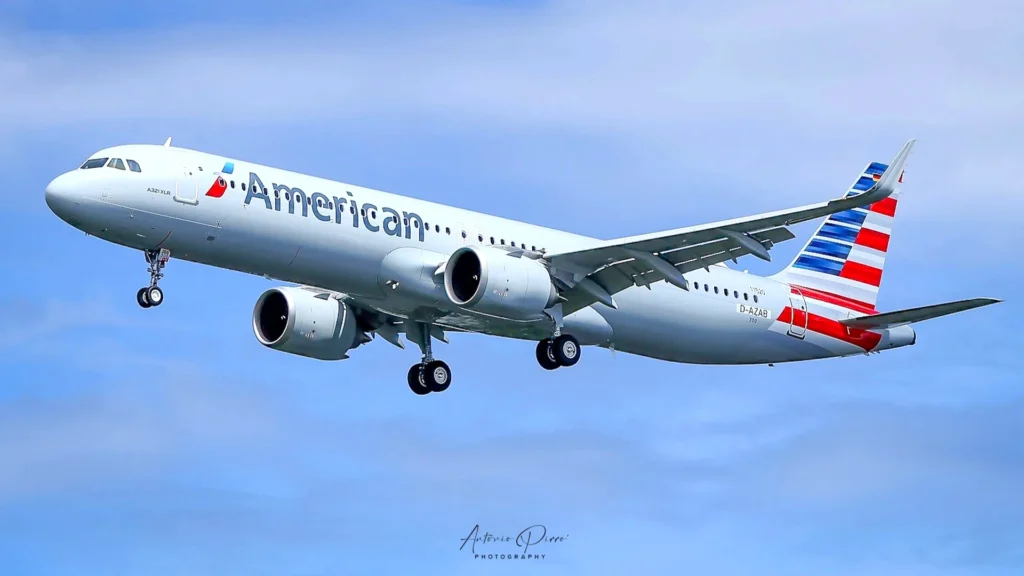
American is taking delivery of new narrowbodies and regional jets while accelerating interior retrofits on larger aircraft. Announced and described in the briefing:
- Airbus A321XLR: approved interiors and positioned to fly premium transcontinental routes first, then seasonal and later more transatlantic sectors. Initial transatlantic deployment is seasonal JFK–EDB (Edinburgh).
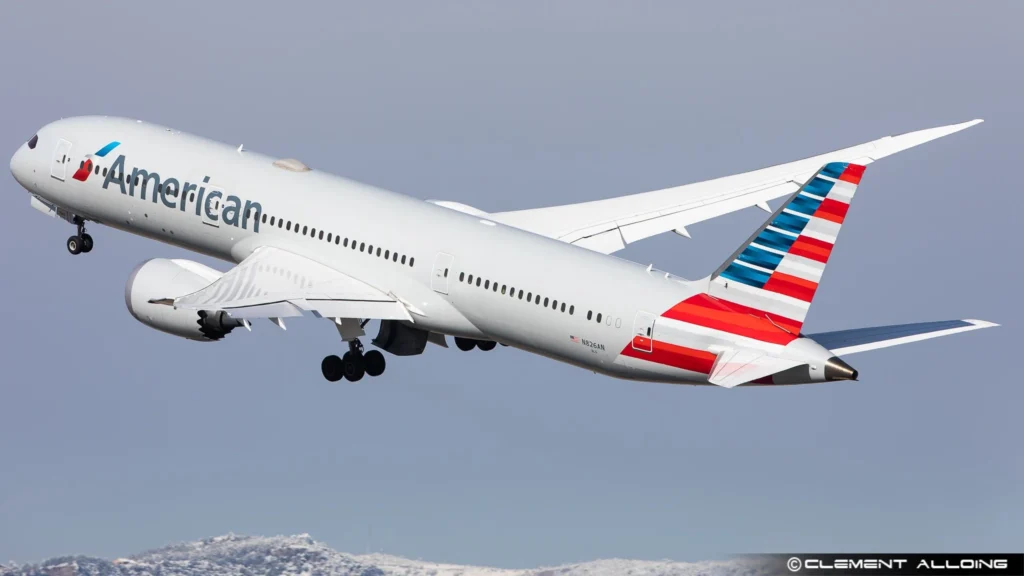
- Boeing 787-9P: a premium-heavy widebody with 51 business suites intended for high-yield long-haul sectors.
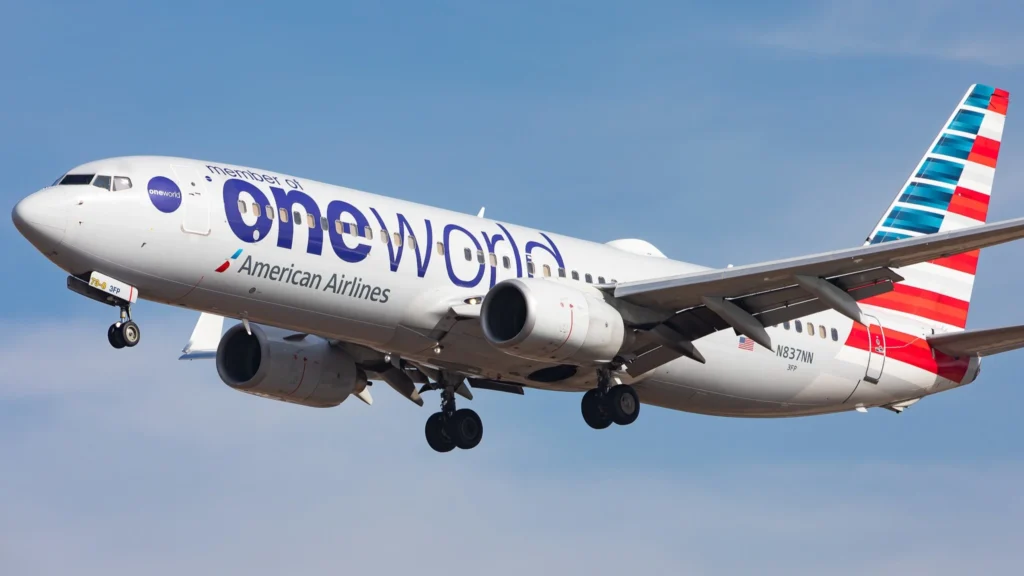
- 2025 deliveries and retrofits: 22 Boeing 737 MAX, 1 A321neo, 12 Embraer E-175, several 787-9Ps, plus planned 777-300ER and 777-200ER retrofits with new business suites, premium economy, refreshed coach cabins, and ViaSat or Intelsat Wi-Fi.
Finance leadership framed retrofits as capital-efficient: by updating 777-200s, the airline delays $7–9 billion in replacement costs through the decade and frees capital for lounges and customer experience upgrades.
The plan increases near-term capital expenditure — cited at roughly $3.8 billion for the year and targeting $4.0–$4.5 billion from 2026 onward — to fund deliveries and refits.
Network Implications
The premium-heavy 787-9P and incoming XLRs allow American to reassign standard-configured widebodies to serve new long-haul destinations and to deploy XLRs on premium transcontinental routes first (JFK–LAX/SFO/BOS/ONT), then expand transatlantic service as additional XLRs arrive in 2027.
The briefing lists new route opportunities, including DFW–ZRH (Zurich), PHL–PRG (Prague), and PHL–BUD (Budapest).
The strategy focuses on selling more premium seats at higher fares rather than simply growing seat counts.
Financial Framing
Executives portrayed the push as measured and finance-driven. Capital will rise but not explode; retrofit programs lower replacement needs and de-risk reliance on OEM delivery schedules.
Leadership tied these investments to revenue opportunities from premium cabins and improved onboard products.
The company presented a case that selling fewer seats at higher fares and higher yields on premium-configured aircraft will lift profitability on long-haul routes.
What this means for Employees and Customers
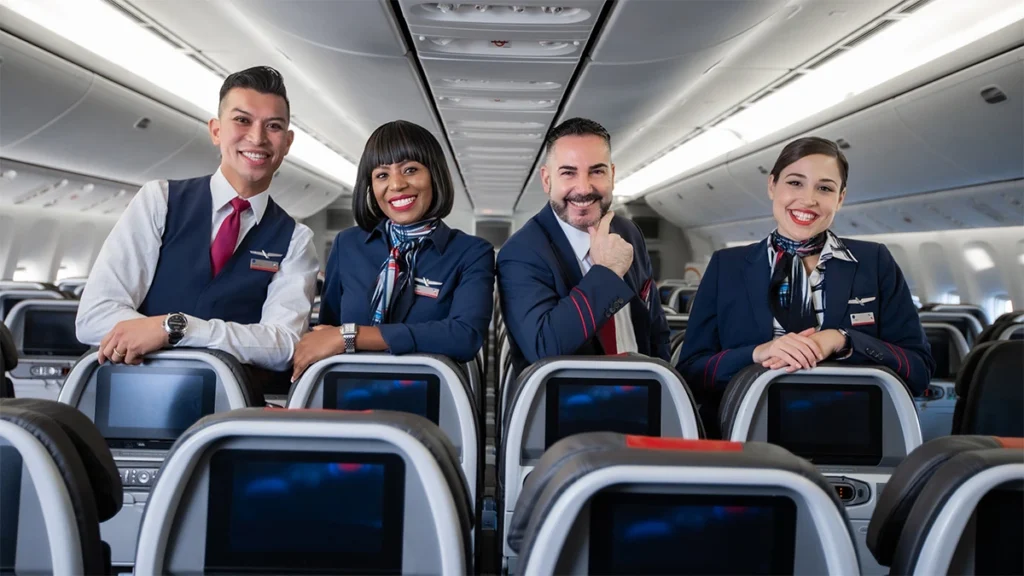
For employees, the briefing signals a project mentality: standardize practices, reduce surprise interactions, and align incentives toward premium service.
For customers, the most immediate benefits should be fewer gate-checked bags, smoother connections for London and Miami flows, more comfortable premium seats with mattress pads, and improved inflight connectivity on regional and mainline fleets.
Success depends on consistent execution at gates and on the ground, and on translating promises into measurable on-time and on-service improvements.
Bottom Line
The leaked briefing shows a coherent set of moves: operational fixes, product investments, and fleet redeployments that fit a premium-focused recovery.
The plan is credible in aim and detailed in some areas, like retrofits and XLR deployments, but fragile where execution matters most — gate operations, staffing, and consistent customer communications.
If American sustains the operational improvements and sells the new premium seats, the financial case could follow.
Stay tuned with us. Further, follow us on social media for the latest updates.
Join us on Telegram Group for the Latest Aviation Updates. Subsequently, follow us on Google News
