

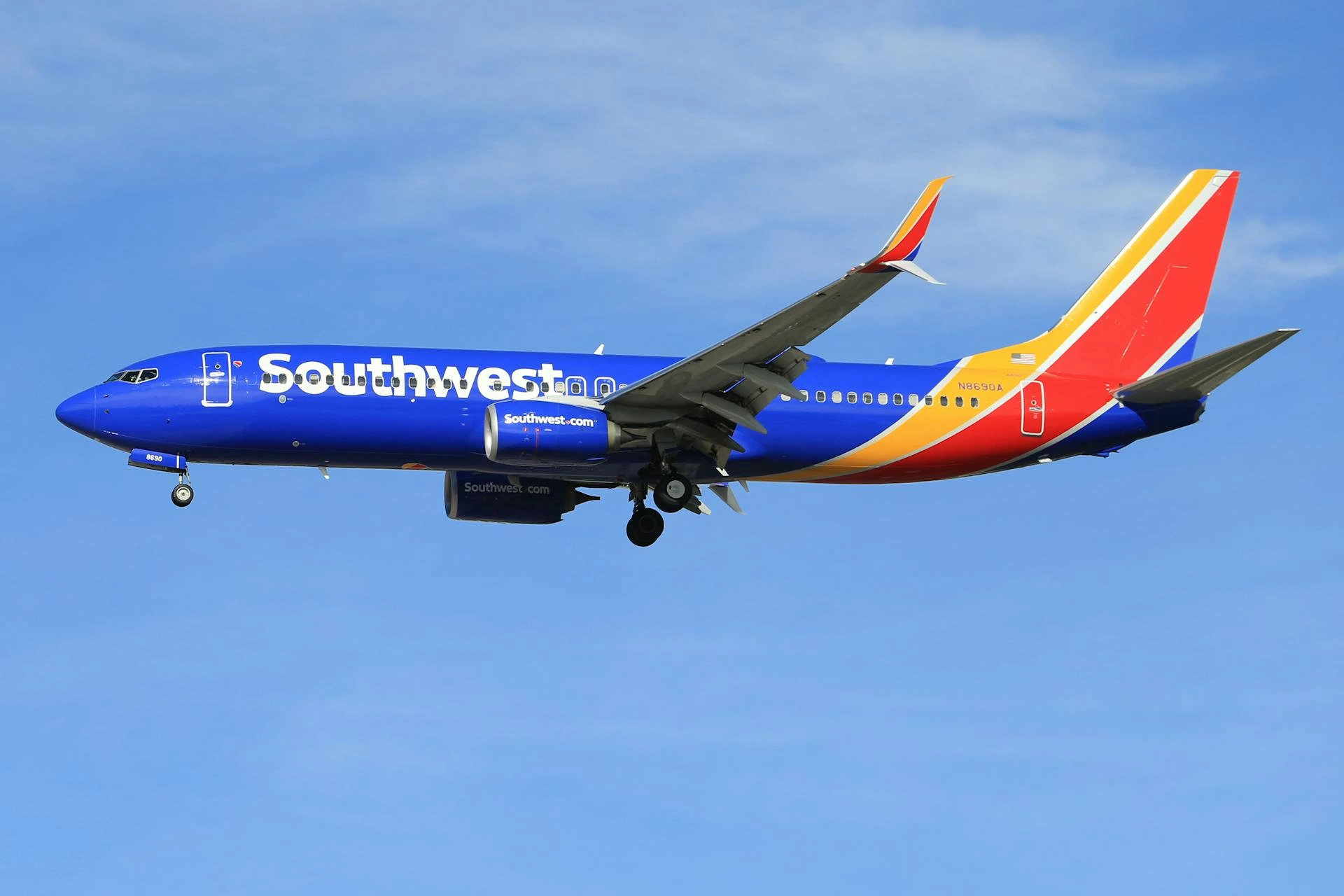
DALLAS– Southwest Airlines (WN) is preparing for another major overhaul of its business model after a turbulent year that saw internal morale dip, investor pressure rise, and a renewed effort to redefine what makes the airline stand out.
Chief Operating Officer Andrew Watterson revealed in Airlines Confidential that morale at Southwest’s headquarters hit a low between February and June 2024, though he says optimism has since returned as the airline prepares to announce its “new positioning” in 2025.
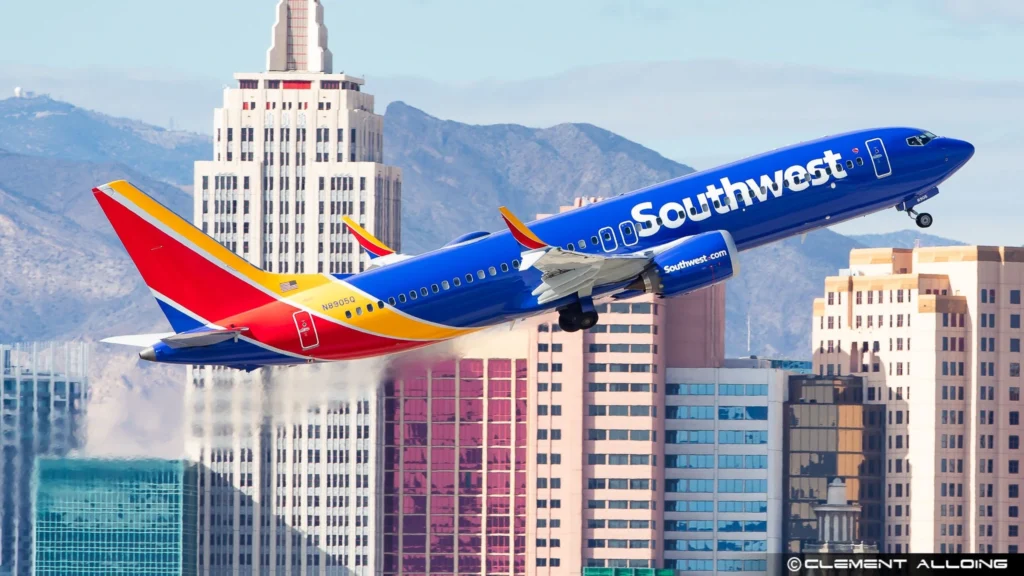
Southwest Airlines Changing Faster
Watterson outlined that Southwest’s transformation isn’t about copying competitors but rediscovering its original strengths.
For 15 years, the carrier focused heavily on customer-friendly policies — no bag fees, no seat charges, and flexible credits — at the expense of profitability. That era, he suggested, is ending.
Instead, Southwest aims to return to offering “unique service” rather than just “unique policies.” The airline plans to balance friendliness with financial discipline, emphasizing customer experience where it matters most. Early steps include upgraded in-flight Wi-Fi, improved coffee, and a slow rollout of assigned seating.
Internally, leadership believes this shift already shows results: the airline’s net promoter score has rebounded among active customers, and staff morale has begun to recover.
Yet, the company acknowledges that investor pressure — particularly from Elliott Management — has accelerated these changes far beyond its original three-year timeline.
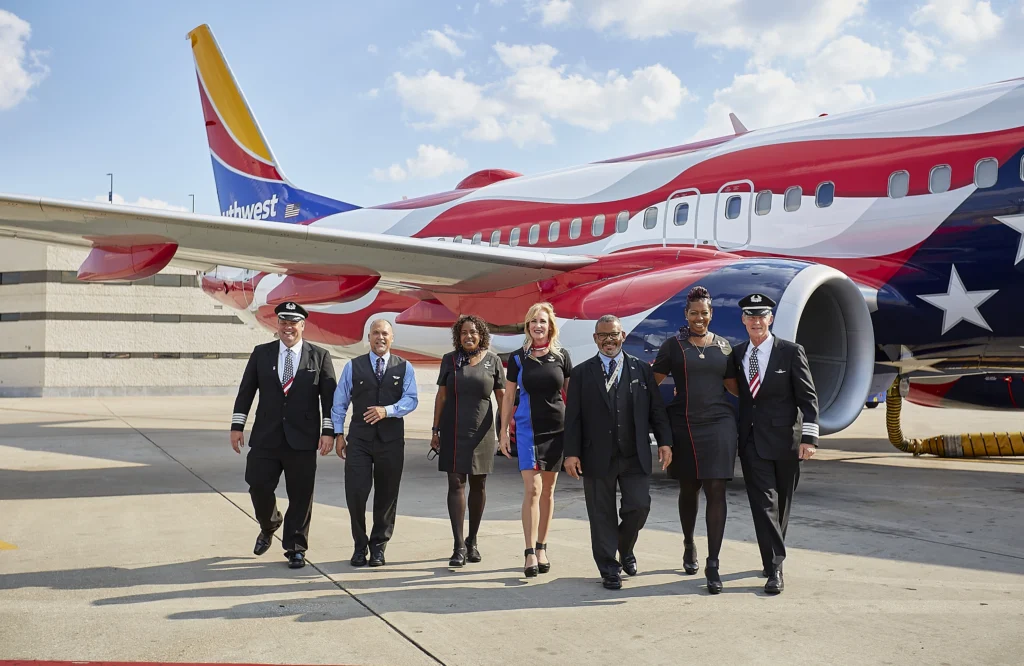
The Real Trigger
Southwest’s pre-pandemic strength lay in flexibility. Business travelers made up nearly 40% of passengers and valued the ability to change flights freely, even with open seating.
That market has since shrunk. Post-pandemic, many corporate travelers fly less often, removing the high-yield cushion that once supported Southwest’s low-cost structure.
To compete in a leisure-heavy market, Southwest began unbundling fares, introducing paid seating, and rethinking its free bag policy.
Watterson admitted that customers weren’t choosing Southwest for its free bags — data from Google Flights showed no increase in click-through rates despite the visible “two bags free” tag. That insight cleared the path for bag fees, a decision once considered unthinkable for the airline.

Competing in New Channels and Markets
Southwest’s strategy also reflects the realities of online travel sales. The carrier historically relied on direct bookings through its website, but cities like Denver (DEN), Phoenix (PHX), and Chicago (MDW) performed better than smaller spokes, where travelers often booked through aggregators like Expedia.
Listing fares on third-party platforms exposed Southwest to price comparisons — and revealed that bundled fares made them look more expensive. This pushed the airline toward adopting elements of the “basic economy” model used by rivals such as Delta (DL), United (UA), and American (AA).
Had U.S. regulators enforced all-in fare displays, Southwest’s model might have retained a visibility advantage. But with the policy dropped, the airline lost a key differentiator.

The Lounge Question and Credit Card Strategy
Another sign of evolution is Southwest’s growing interest in airport lounges. Historically irrelevant for the airline’s customer base, lounges are now essential for maintaining premium credit card partnerships.
Today’s lounge users are not just business-class flyers but frequent economy travelers with co-branded cards.
While Watterson has been cautious about committing, internal discussions with Chase suggest lounges are likely coming — starting with Honolulu (HNL), where Southwest already has an approved lease. This move aligns with a broader push toward premiumization and long-haul expansion.
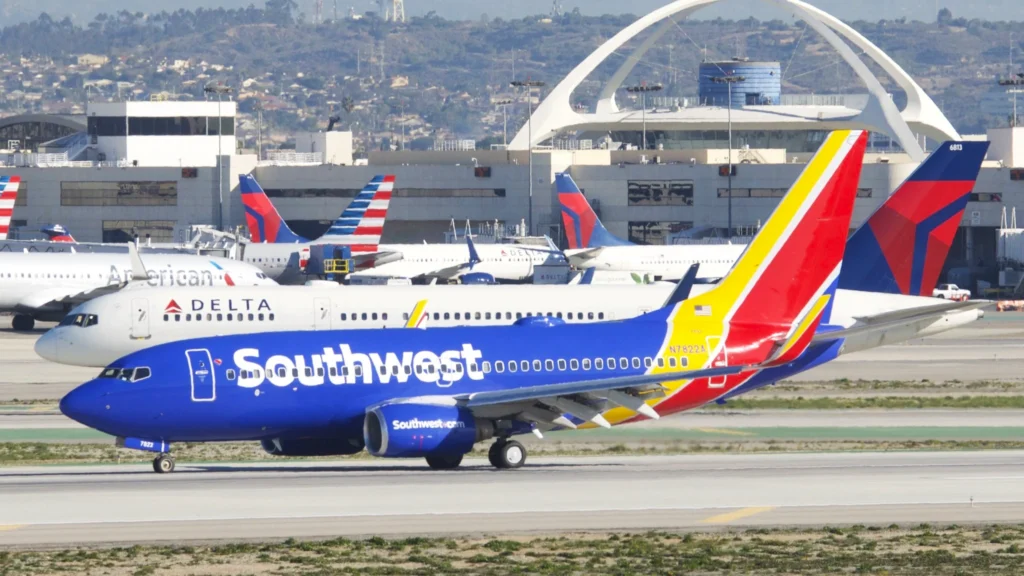
What Comes Next
Watterson confirmed that Southwest is entering “the next phase” of transformation — one that involves more consequential decisions.
Industry observers expect the introduction of new aircraft types capable of longer routes, potential first-class seating, and further diversification of fare products.
For years, Southwest’s simplicity — a single aircraft type and free amenities — defined its brand. But that simplicity also limited growth. As customers demand more choice and flexibility, the airline faces the challenge of adapting without losing its identity.
Southwest’s transformation is no longer optional. It’s a response to structural changes in travel demand, investor expectations, and customer behavior. Whether it can balance heritage with evolution will determine if it can regain the loyalty and profitability it once commanded.
Stay tuned with us. Further, follow us on social media for the latest updates.
Join us on Telegram Group for the Latest Aviation Updates. Subsequently, follow us on Google News
