

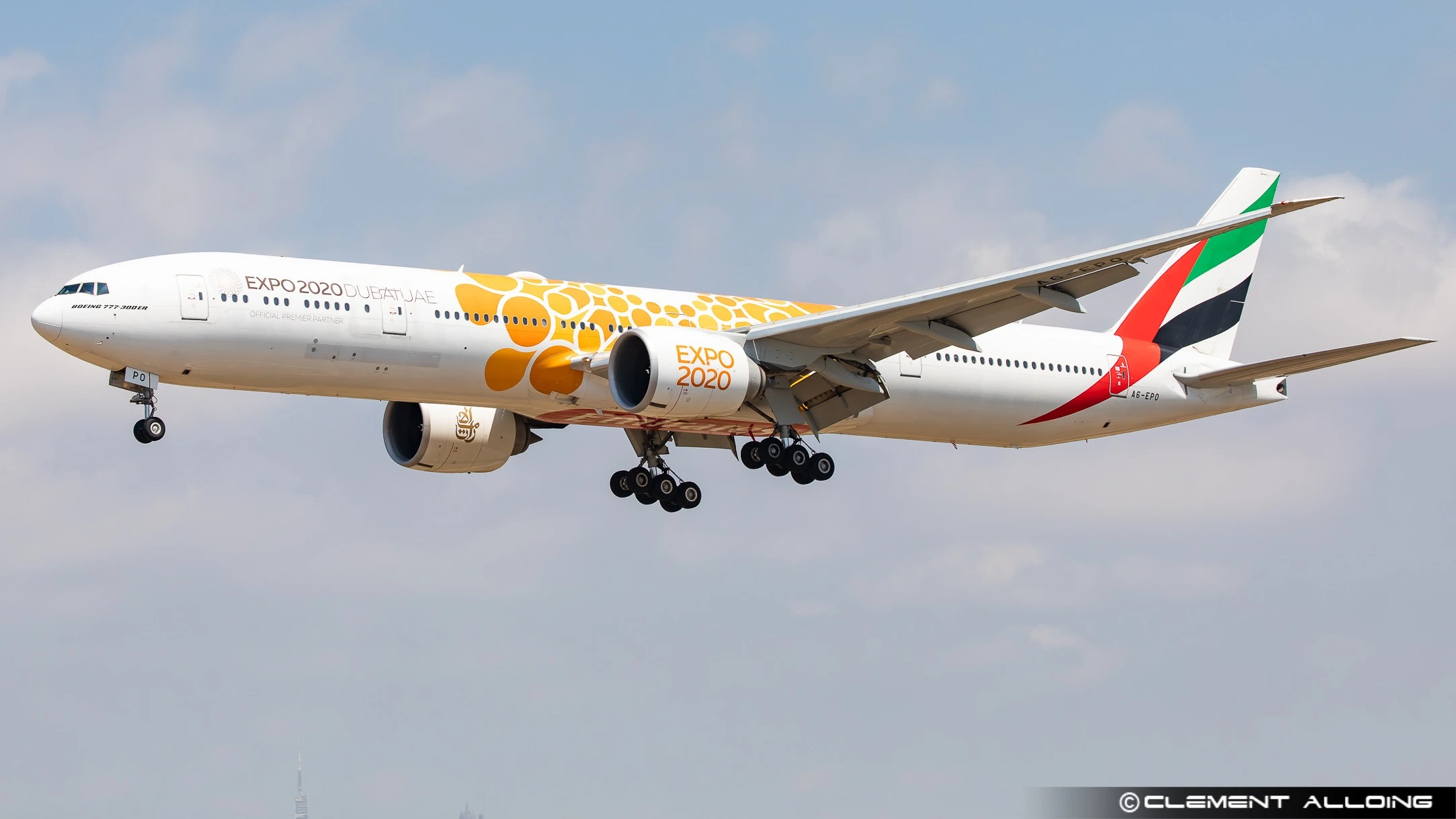
DUBAI- The global airline Emirates (EK) has announced that it has achieved a measurable reduction in unexpected severe turbulence encounters by deploying a new, data‑driven turbulence‑forecasting initiative across its worldwide operations.
The program, launched last year, combines multiple advanced technologies and partnerships to enhance flight safety and comfort for passengers and crew.

Emirates Turbulence Forecasting Technology
Emirates now uses a multi‑layered weather‑detection framework that integrates three main systems:
- International Air Transport Association (IATA) Turbulence Aware platform
- Lido mPilot from Lufthansa Systems
- SkyPath.
These tools work together to deliver enhanced situational awareness for pilots and flight‑dispatch teams.
The IATA Turbulence Aware system consolidates anonymized turbulence data from participating airlines and enables the sharing of real‑time insights; it uses the official eddy‑dissipation‑rate (EDR) metric, among others, to gauge turbulence intensity.
Meanwhile, SkyPath builds on AI and machine‑learning techniques to analyze EDR readings, ADS‑B transponder feeds, and even iPad accelerometer data, allowing coverage even in so‑called “clear‑air” turbulence zones.
Lido mPilot supplies globally consistent high‑resolution weather and turbulence data, including cloud‑convection patterns, icing risks, and pilot‑facing visualizations via the electronic flight‑bag.
Analyzing Safety Benefits for Emirates
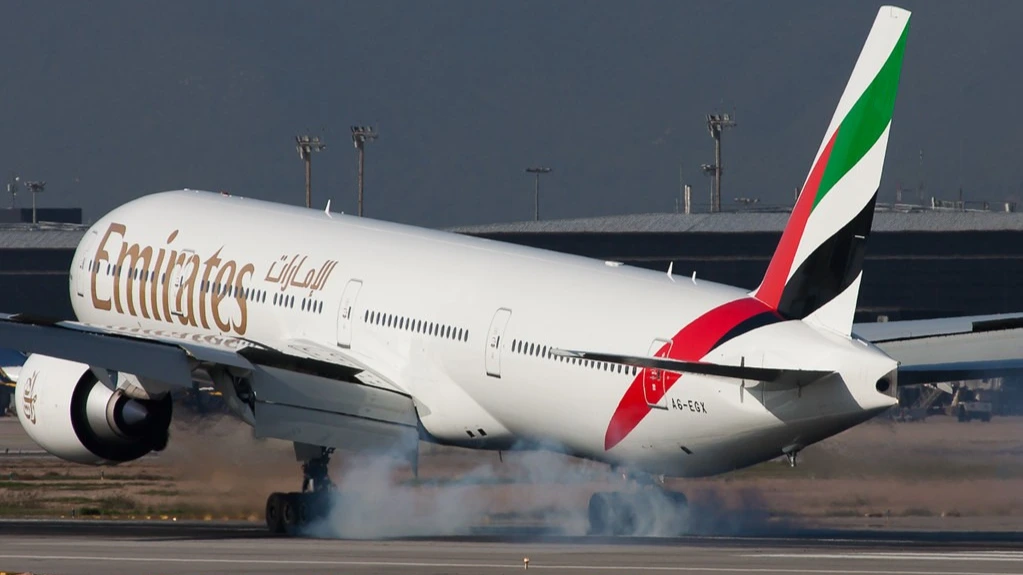
The integrated approach allows Emirates’ flight operations teams to anticipate unstable air regions and adjust routes, altitudes, or speed proactively.
According to the carrier, the new tools have already contributed to a “significant reduction in unexpected severe turbulence incidents” across the network over the past year.
By combining predictive analytics, live aircraft‑derived turbulence reports, and shared industry data, the airline says it enhances passenger comfort, improves crew working conditions, and supports fuel‑efficient routing decisions.
The group‑wide data‑sharing also contributes to broader industry efforts to address rising turbulence frequency, which some studies link to changing jet‑stream dynamics and climate‑driven atmospheric shifts.
Emirates’ Divisional Senior Vice President of Flight Operations, Captain Hassan Alhammadi, emphasized that while it is not realistic to promise completely turbulence‑free service, the multi‑source analytics is already yielding early validation of the anticipated benefits.
Deeper Into Emirates’ Technology Partnerships
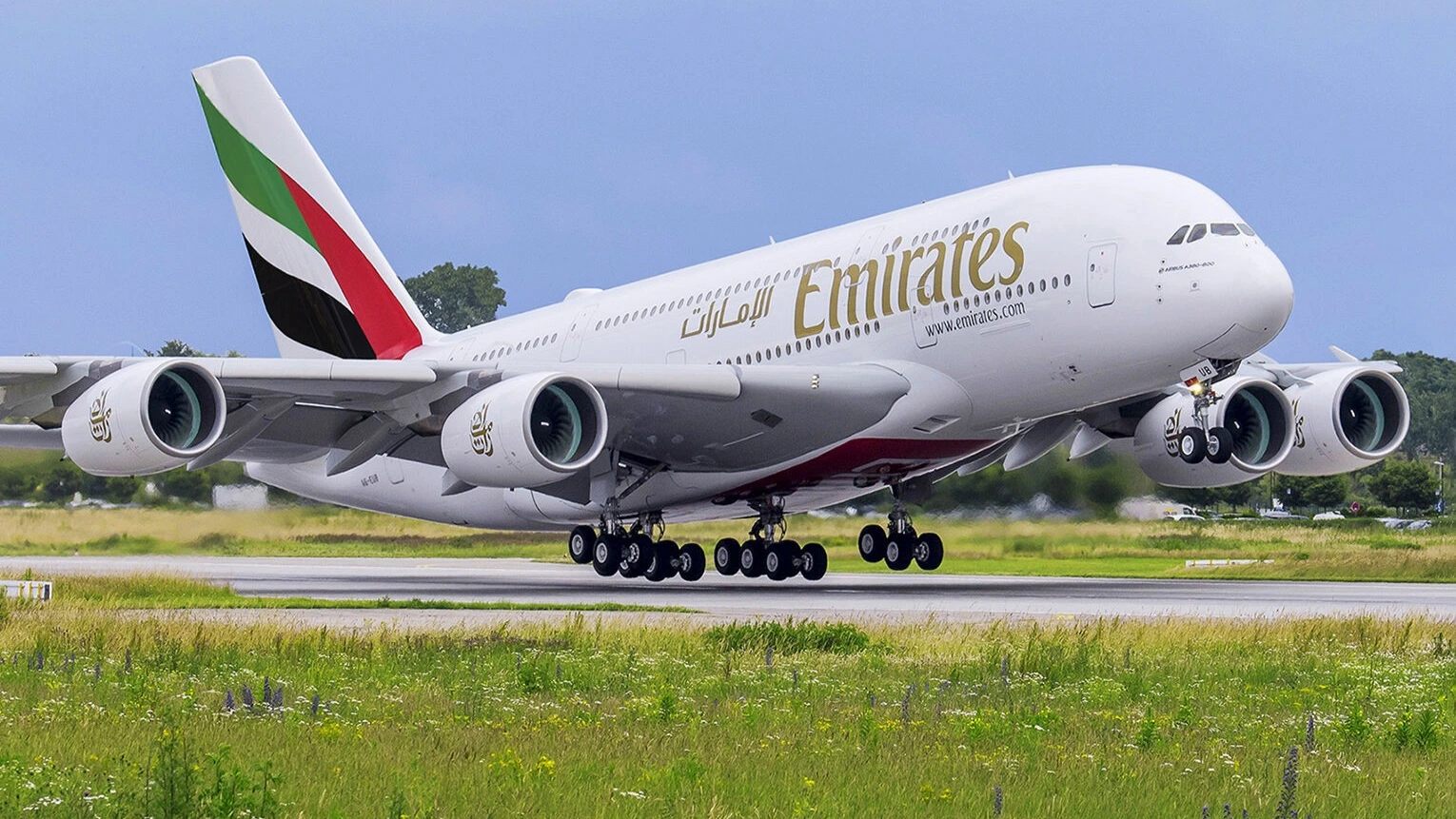
Emirates was an early adopter of IATA’s Turbulence Aware platform, becoming the first carrier to integrate it with Lido mPilot in May 2024.
At that time, it equipped over 140 of its aircraft with onboard software to contribute and consume turbulence data.
The SkyPath collaboration, which began last year, extends the predictive‑model coverage to areas lacking traditional weather‑radar visibility and leverages crowdsourced and aircraft‑sensor data on a global scale.
Captain Alhammadi noted that the initiative also supports the airline’s zero‑harm safety culture and ongoing digital‑transformation program:
We recognise that turbulence remains an ongoing challenge that cannot be completely eliminated, but we’re committed to doing everything possible to minimise unexpected severe turbulence encounters through working with partners who share our vision of using advanced technologies and adopting AI to enhance operations.
Bottom Line
Emirates’ adoption of a multi‑source, AI‑assisted turbulence‑forecasting architecture across its fleet represents a forward‑looking response to a growing operational risk in commercial aviation.
While turbulence cannot be entirely prevented, the airline’s measurable reduction in severe incidents underscores the value of combining real‑time data, machine‑learning models, and industry‑wide collaboration to deliver safer, smoother journeys for passengers and crew alike.
Stay tuned with us. Further, follow us on social media for the latest updates.
Join us on Telegram Group for the Latest Aviation Updates. Subsequently, follow us on Google News
