

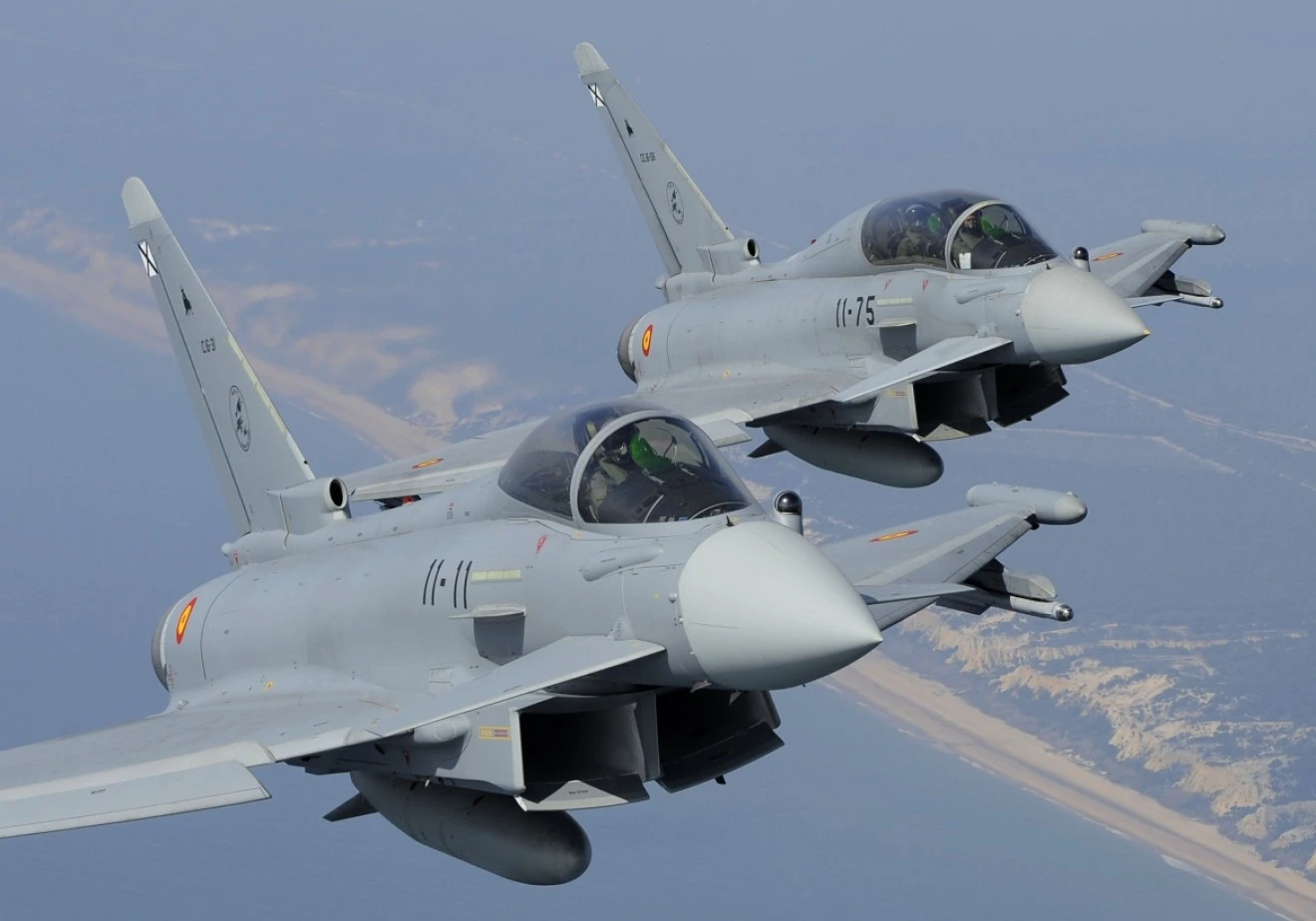
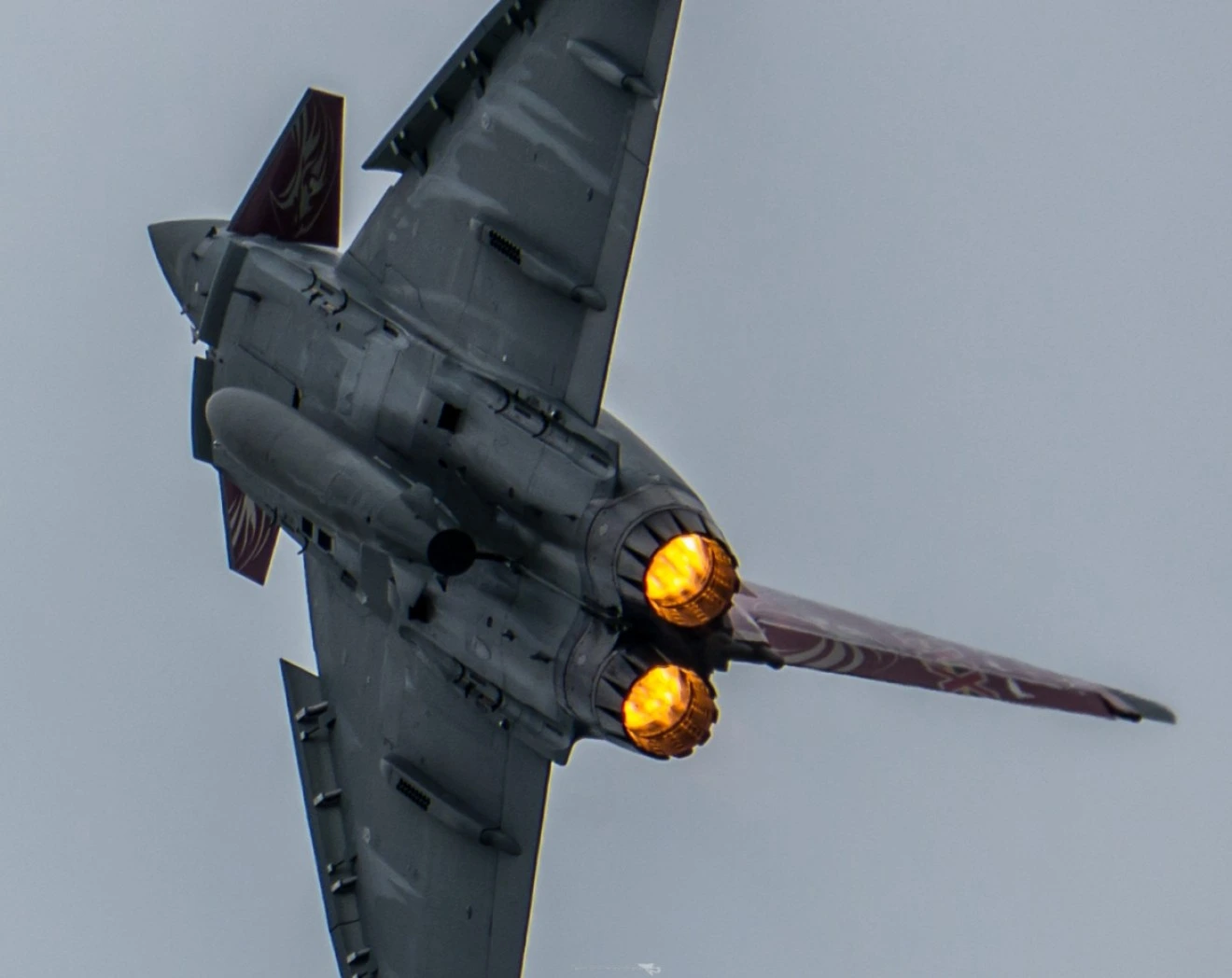
The Eurofighter Typhoon, jointly developed by Airbus, BAE Systems, and Leonardo, continues to form the backbone of Europe’s air defense. Deployed across NATO nations from Spain to Lithuania, it ensures the continent’s skies remain secure against potential threats.
On October 23, two Spanish Eurofighters under NATO’s Baltic Air Policing mission intercepted Russian Sukhoi Su-30 and Il-76 aircraft that briefly crossed Lithuanian airspace.
The rapid response illustrated how the Eurofighter’s advanced systems and crew training sustain constant readiness in a tense security environment.
Strengthening European Air Defense
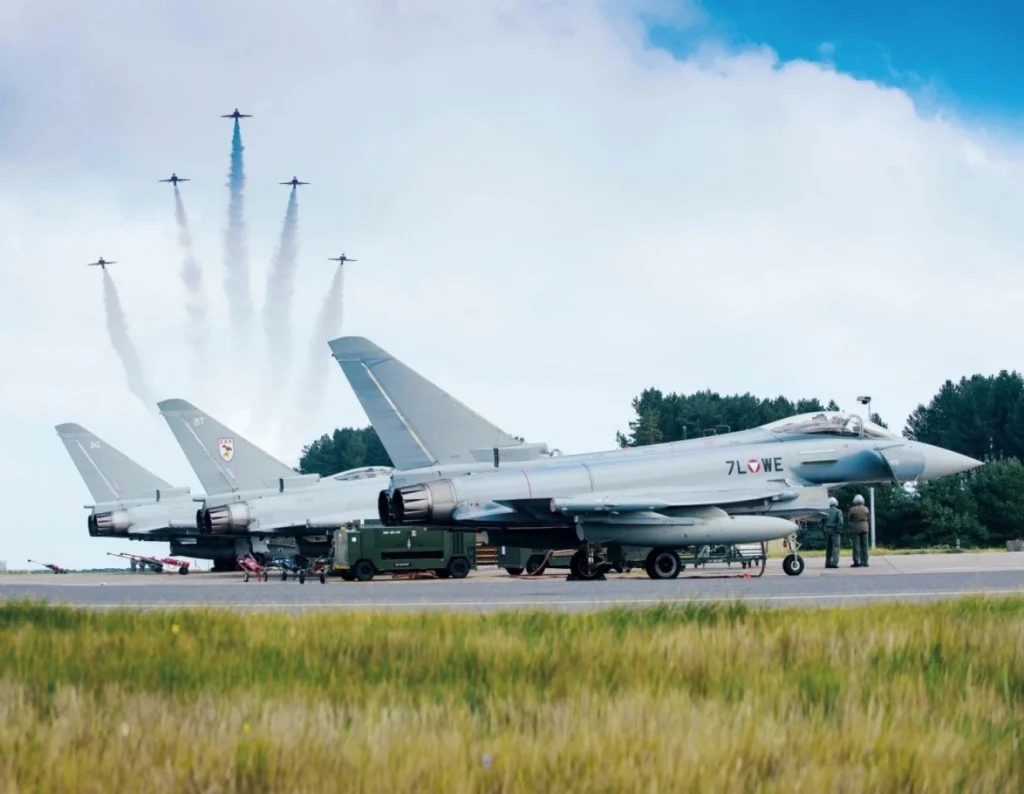
Europe’s security framework depends on joint capability and coordination. The Eurofighter, with its twin-engine design and multirole performance, embodies this cooperative defense philosophy.
Operated by nations including Germany, Italy, Spain, and the UK, it combines speed, precision, and reliability to protect NATO borders stretching from the Atlantic Ocean to Eastern Europe.
The aircraft’s effectiveness lies not only in technology but also in its operational integration.
Its advanced avionics and beyond-visual-range missile systems — such as Meteor, Iris-T, and AMRAAM — provide deterrence and defense across air superiority and interception missions. Every flight demonstrates Europe’s ability to respond instantly to evolving threats.
Ocean Sky 2025 Exercise
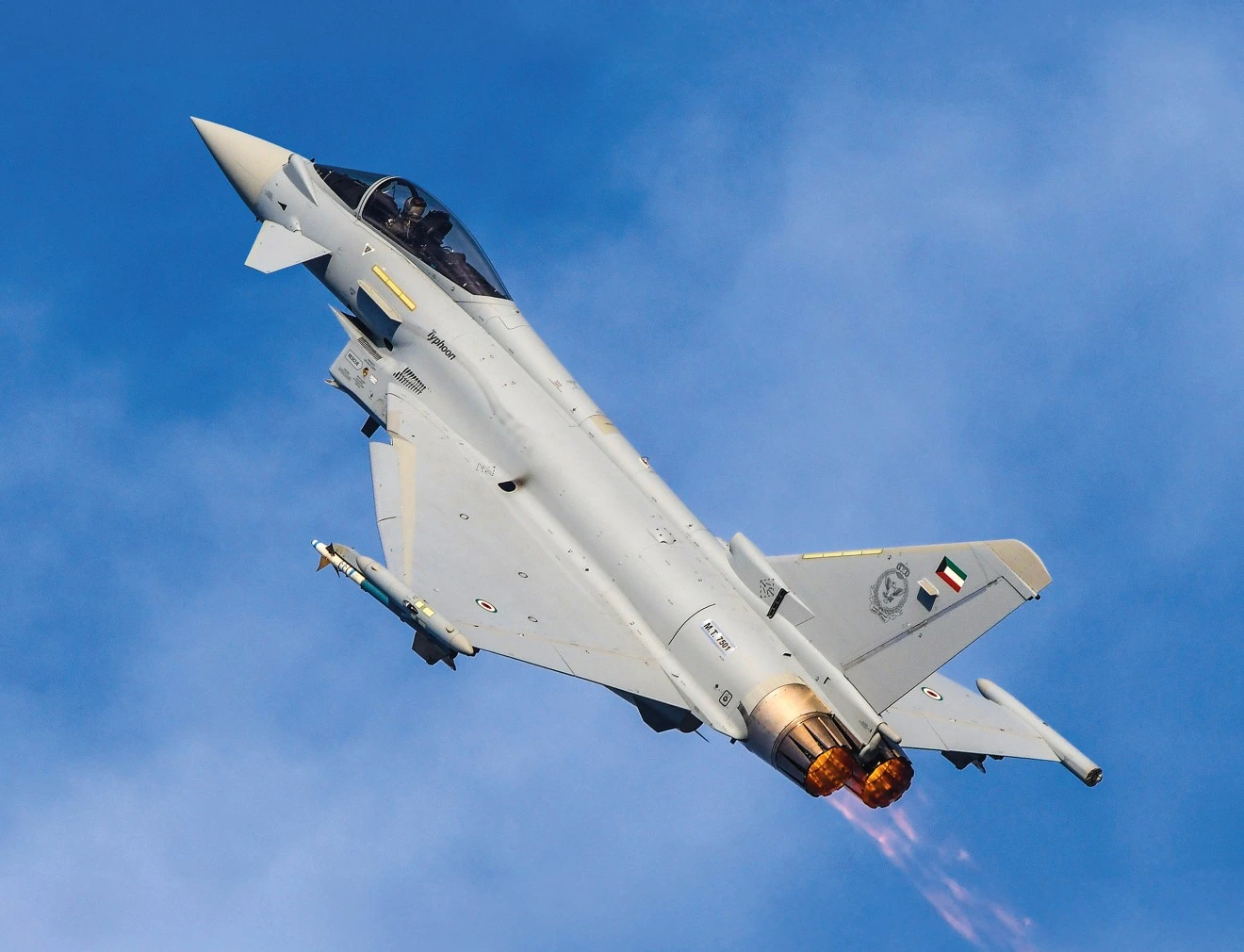
Held in the Canary Islands, Ocean Sky 2025 is one of the continent’s most vital multinational air exercises. This year’s event, hosted by the Spanish Air and Space Force, included more than 40 combat aircraft.
Participants featured Spanish and German Eurofighters, U.S. F-15s (DLH), Portuguese and Greek F-16s, and Spanish F-18s.
The exercise reached a milestone with the participation of India’s Sukhoi Su-30 — the first time a non-NATO country joined Ocean Sky.
The Indian Air Force’s presence offered invaluable tactical insight into the maneuverability and combat profile of the Su-30, which also serves in Russian fleets.
According to Lieutenant Colonel Jesús Andrés Margaretto, Ocean Sky’s control director, the Canary Islands’ favorable weather and low air traffic create ideal conditions for complex air combat missions.
These drills refine teamwork and sharpen reaction times for pilots engaged in real-world defense scenarios.
Training Against Real Threats
During the exercise, Major Juan Bengoechea of the Spanish Air and Space Force led missions involving 40 aircraft split into opposing teams. “The idea is to merge every nation’s strengths and execute the mission as one,” he explained.
German pilots emphasized the value of training against the Su-30, calling it “a capable, agile opponent.” Lieutenant Colonel Christian Blohm noted that the Luftwaffe’s first full participation underscored NATO’s unity:
Defending Europe’s airspace requires teamwork and high-level preparation.
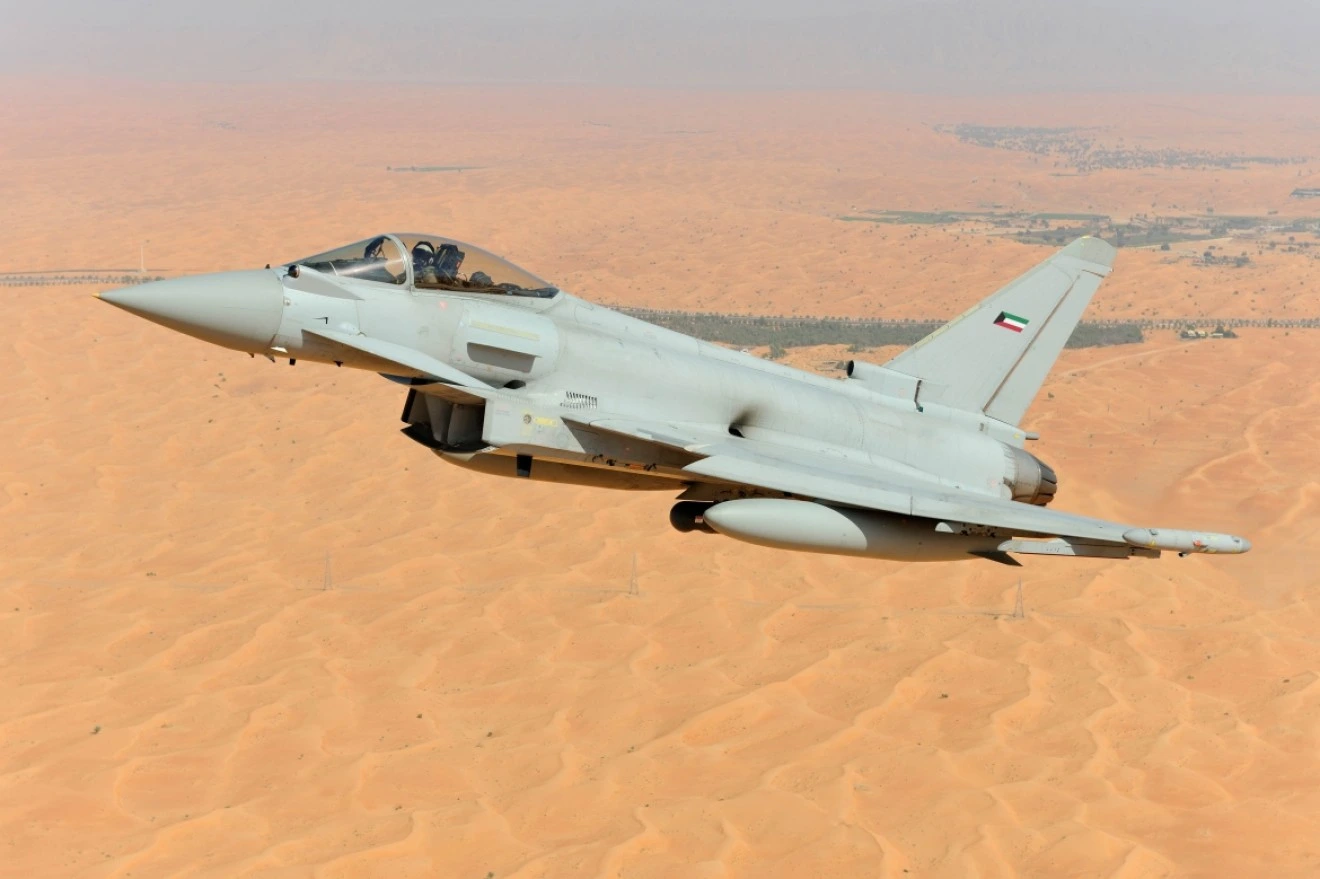
The Eurofighter’s adaptability remains its defining strength — capable of dogfights, long-range strikes, and quick reaction alerts (QRAs) from bases like Estonia (TLL) and Romania (OTP). Every sortie hones the skills needed to maintain peace across Europe’s skies.
Bottom Line
The Eurofighter represents more than a jet; it’s a strategic commitment to European sovereignty. With over 760 aircraft ordered worldwide and around 650 serving across NATO nations, the Typhoon remains central to the continent’s defense architecture.
From the volcanic terrain of the Canary Islands to the icy Baltic skies, the Eurofighter’s mission is clear — to safeguard Europe’s airspace from the Atlantic to its eastern borders.
As threats evolve, the Eurofighter stands as both a deterrent and a symbol of unity among allied nations.
Stay tuned with us. Further, follow us on social media for the latest updates.
Join us on Telegram Group for the Latest Aviation Updates. Subsequently, follow us on Google News
