

MIAMI- Miami International Airport (MIA) is exploring new nonstop flight route opportunities to Tokyo, Riyadh, Asuncion, and Singapore. The proposal aims to expand the airport’s long-haul network and strengthen Miami’s position as a global aviation hub.
The Miami-Dade Airport Committee recently discussed this initiative, outlining a feasibility plan to attract both passenger and cargo services. The move underscores Miami’s ambition to connect with key international markets and enhance regional trade and tourism potential.
Miami Airport Nonstop Flight Routes
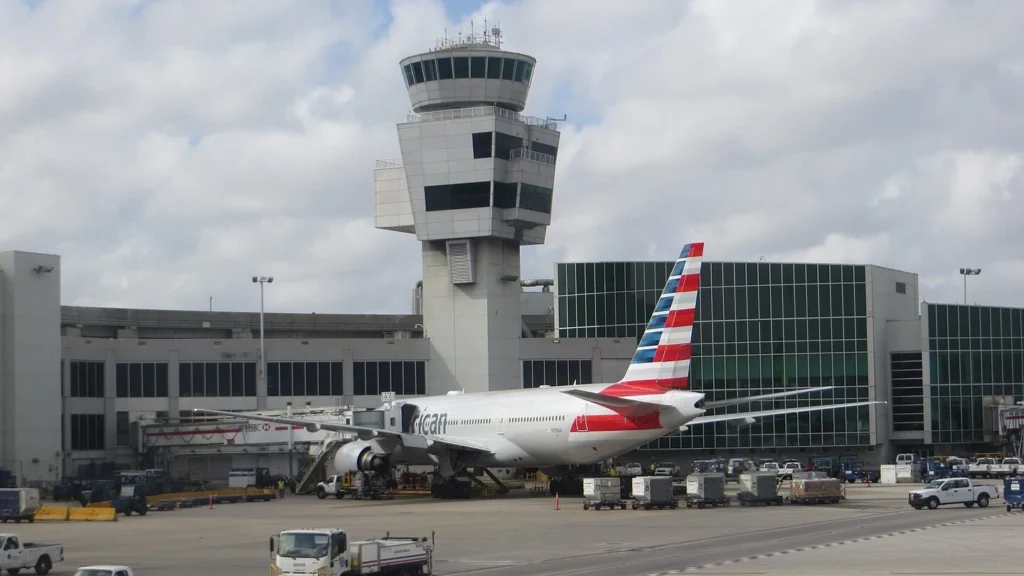
The Miami-Dade Airport Committee has introduced a resolution directing the County Mayor and Attorney to assess the feasibility of launching direct flights between Miami International Airport (MIA) and four major global cities: Tokyo (HND/NRT), Riyadh (RUH), Asuncion (ASU), and Singapore (SIN).
If deemed feasible, the resolution mandates efforts to engage relevant airlines such as Japan Airlines (JL), Riyadh Air (RX), American Airlines (AA), and others to initiate these routes.
According to OMAAT, the Mayor or a designated official will provide quarterly progress updates as part of the long-term connectivity strategy.
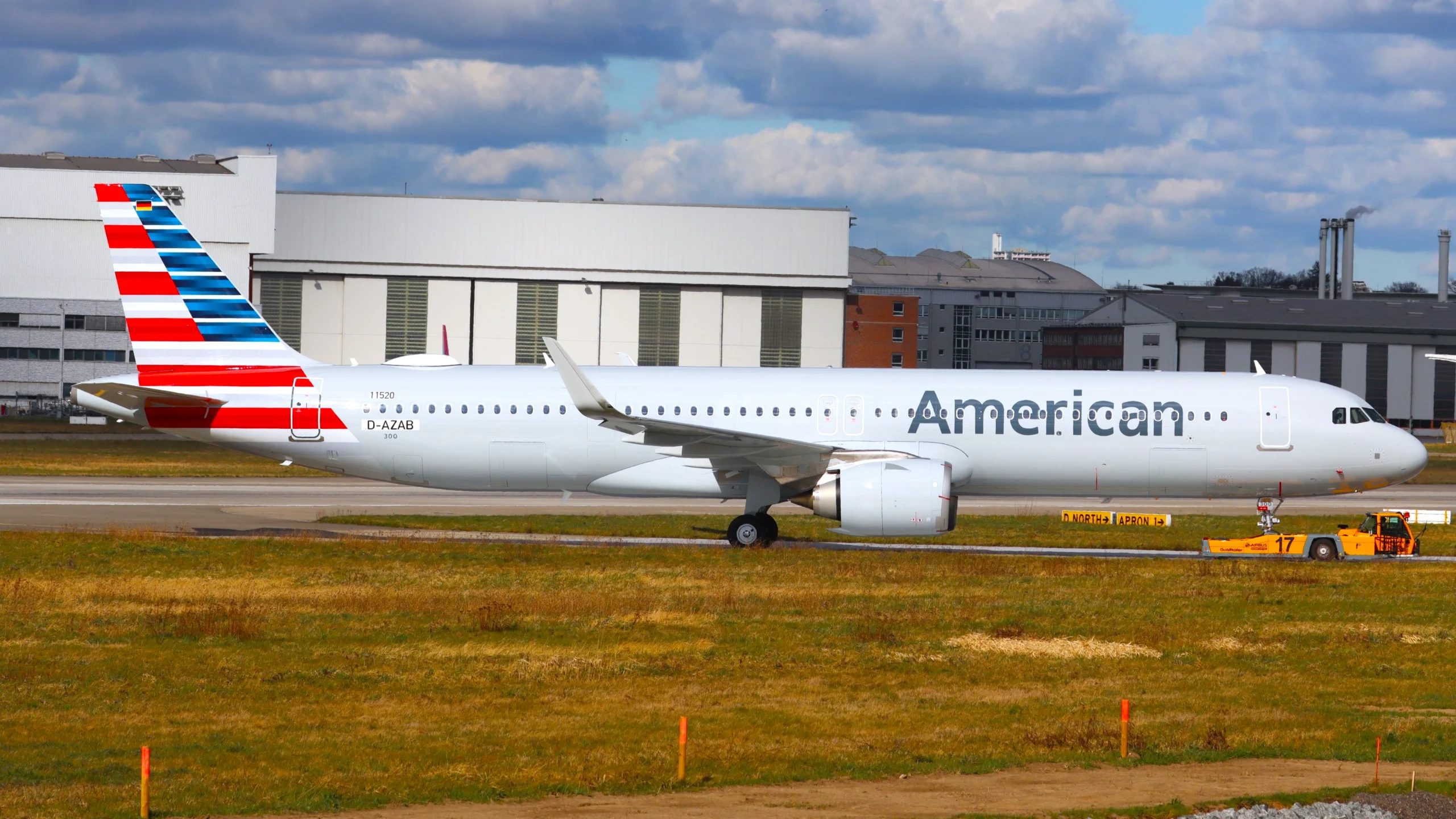
Asuncion (ASU) has emerged as a key economic center in South America, supported by Paraguay’s sustained growth over the past decade. A direct Miami–Asuncion route could strengthen trade and diaspora links, potentially operated by American Airlines (AA) using future Airbus A321XLR aircraft.
Riyadh (RUH), the capital of Saudi Arabia, is transforming rapidly into a global business hub under Vision 2030. As Riyadh Air (RX) expands its fleet, a Miami–Riyadh connection may become viable, though likely several years away.
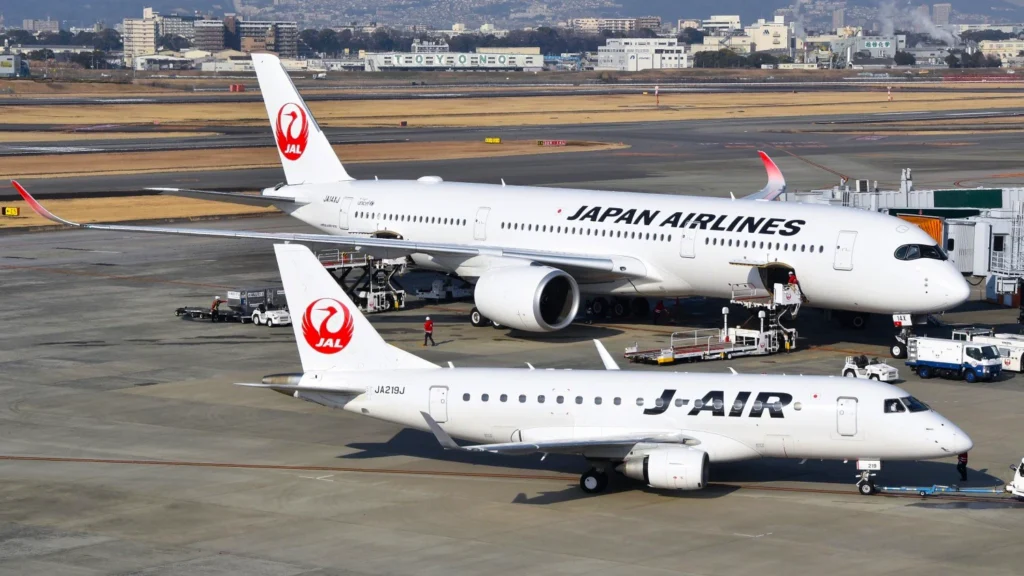
Tokyo (HND/NRT) remains one of Miami’s most desired Asian links. While Japan Airlines (JL) has traditionally maintained conservative growth, increasing long-haul capacity could make this route achievable in the near future.
Meanwhile, Singapore (SIN) poses significant logistical challenges. Covering over 10,500 miles, a Miami–Singapore flight would exceed even Qantas (QF) “Project Sunrise” ultra-long-haul missions, making its launch improbable with current technology and economics.
Likelihood and Timeline of Route Development
Experts note that while airport authorities routinely identify target routes, achieving actual service depends on airline strategy, aircraft capability, and passenger demand.
Miami’s Latin American connectivity remains American Airlines’ (AA) stronghold, and the carrier is expected to prioritize other transcontinental and transatlantic routes before adding new Asian destinations.
The most realistic new connection appears to be Miami–Asuncion, followed by Miami–Riyadh, contingent on Riyadh Air’s (RX) international expansion.
Tokyo remains a long-term ambition, while Singapore’s inclusion serves more as a statement of intent than a practical near-term goal.
Bottom Line
Miami International Airport (MIA) continues to pursue strategic global links to strengthen its standing among world airports.
The proposed routes, Asuncion (ASU), Riyadh (RUH), Tokyo (HND/NRT), and Singapore (SIN), reflect both ambition and geographic diversity.
While not all are likely to materialize soon, the discussion signals Miami’s proactive stance in shaping future aviation networks and international trade flows.
Stay tuned with us. Further, follow us on social media for the latest updates.
Join us on Telegram Group for the Latest Aviation Updates. Subsequently, follow us on Google News
