

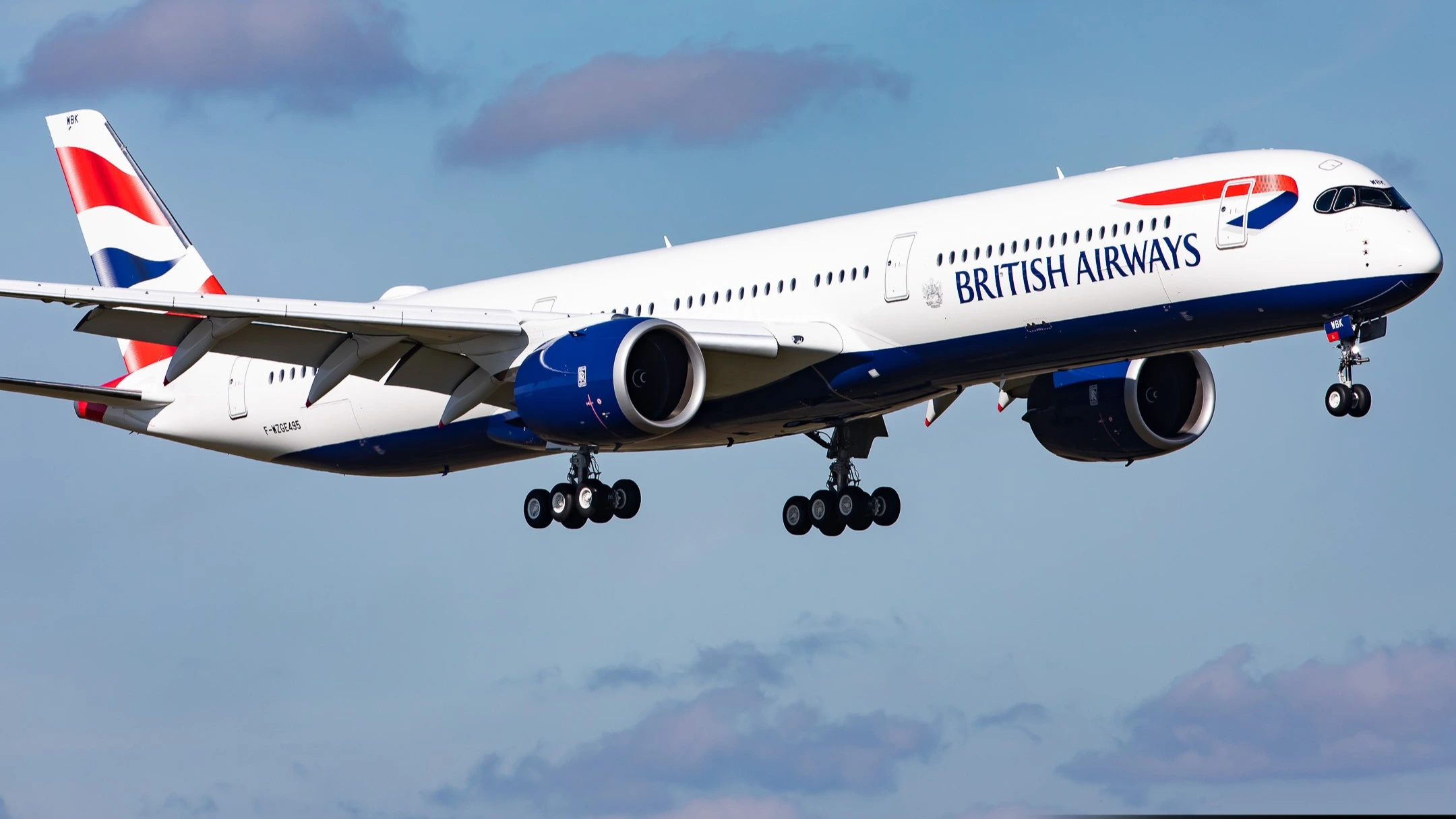
TORONTO— Recently, a British Airways (BA) pilot clashed with an air traffic controller at Toronto Pearson International Airport (YYZ) in an exchange that’s now drawing attention online.
The disagreement, captured in air traffic control audio shared by VASAviation, shows a breakdown in communication as the British Airways aircraft approached Toronto on final for Runway 06R.
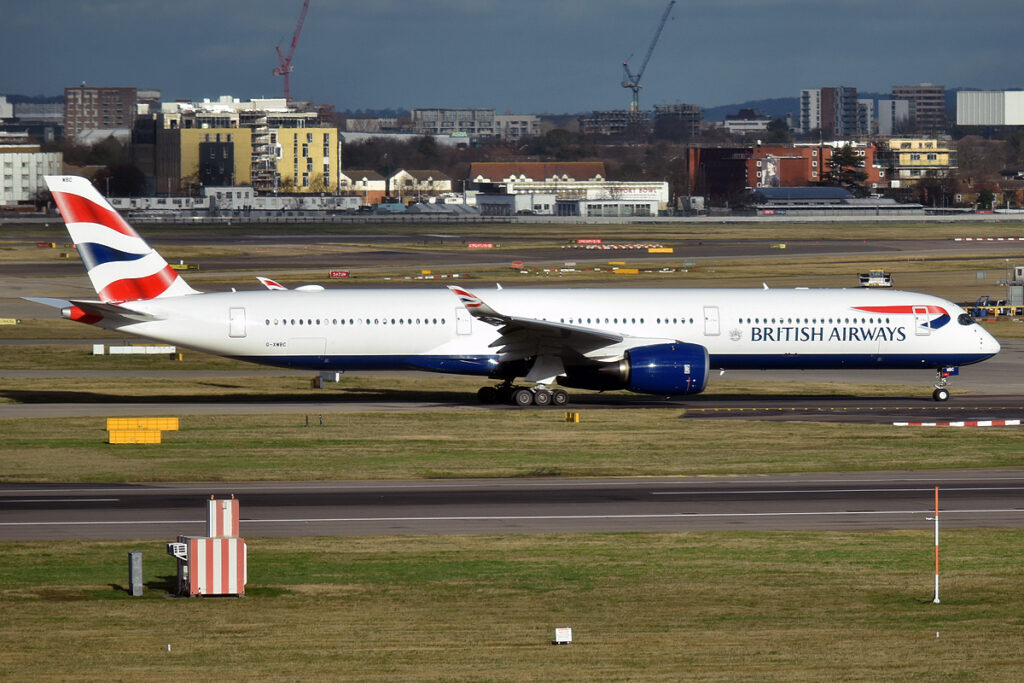
British Airways Pilot Gets Angry on ATC
The incident began when the British Airways jet, operating as Speedbird 9ZY Heavy, was handed off from approach control to tower at Toronto Pearson (YYZ). After switching frequencies, the crew checked in as standard: “Speedbird 9ZY heavy, established 06R.” There was no response.
The pilots repeated their call, prompting the tower controller to respond curtly, “Continue.” When the crew asked for confirmation that they were cleared for the approach, the controller told them to “go back to arrival.” The exchange quickly became tense.
The British Airways pilot explained that the aircraft had already been transferred to the tower frequency by approach control and requested the correct frequency to return. The tower controller refused to provide it, replying, “Your last assigned arrival, you were on, go back to them.”
Eventually, the controller accused the pilot of not listening to arrival control and questioned why he was on the frequency. After the pilot clarified that the aircraft was fully established on the ILS for Runway 06R, the controller finally cleared the flight to land, saying, “Speedbird 9ZY, number two, cleared to land 06R.”
Once on the ground, the pilot requested a phone number to contact a supervisor — a routine step when there’s a dispute — but was met with further on-air criticism for “talking too long on frequency.”
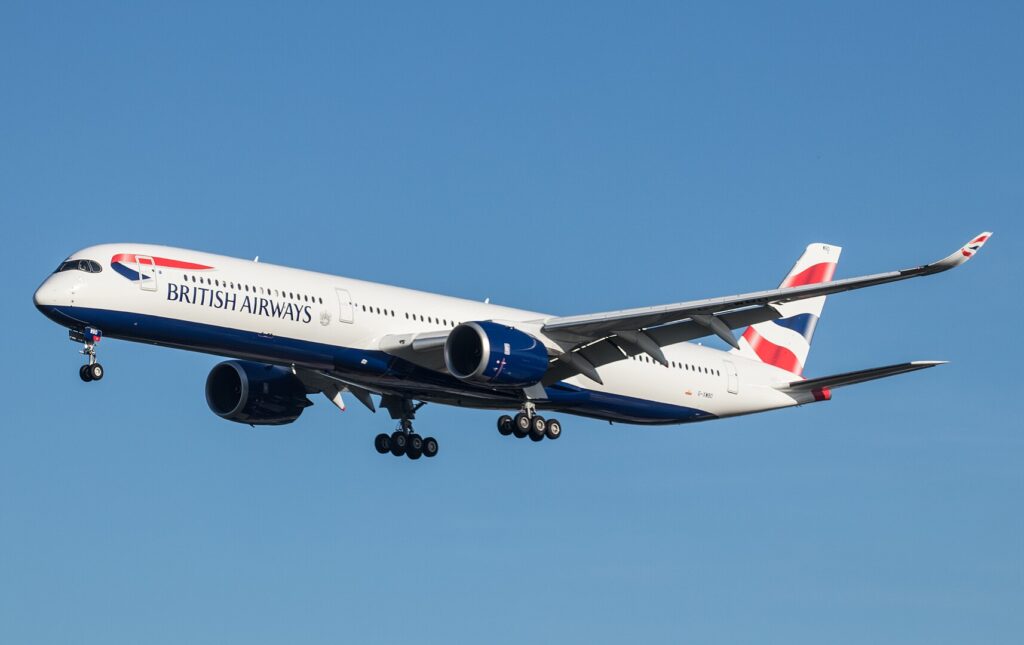
What Actually Went Wrong
Air traffic control procedures rely heavily on precision and clear communication. In this case, the tower controller failed to use the aircraft’s callsign in responses — a key breach of ATC protocol, as multiple aircraft can be on the same frequency.
When the pilot sought confirmation that the “continue” instruction was intended for Speedbird 9ZY Heavy, he phrased it as a question about approach clearance — a slight misstep, since only arrival controllers handle approach clearances. Still, the intent was clear: the pilot wanted to ensure he was acknowledged and properly sequenced.
The controller’s decision to dismiss the inquiry and refuse the frequency request not only delayed resolution but also created unnecessary tension in a high-workload phase of flight.
Controllers are trained to maintain situational awareness and assist pilots efficiently, particularly during approach and landing when cockpit workload is highest, OMAAT reported.
Professionalism Under Pressure
Controllers at major hubs like Toronto Pearson (YYZ) manage dozens of simultaneous arrivals. While it’s one of aviation’s most demanding roles, professional decorum remains essential.
A brief acknowledgment or clarification would have resolved the issue without incident.
In this case, both parties could have handled the situation better. The pilot’s persistence on frequency after requesting a supervisor’s contact could have been taken offline, while the controller’s dismissive tone and lack of cooperation exacerbated the problem.
Similar Incident
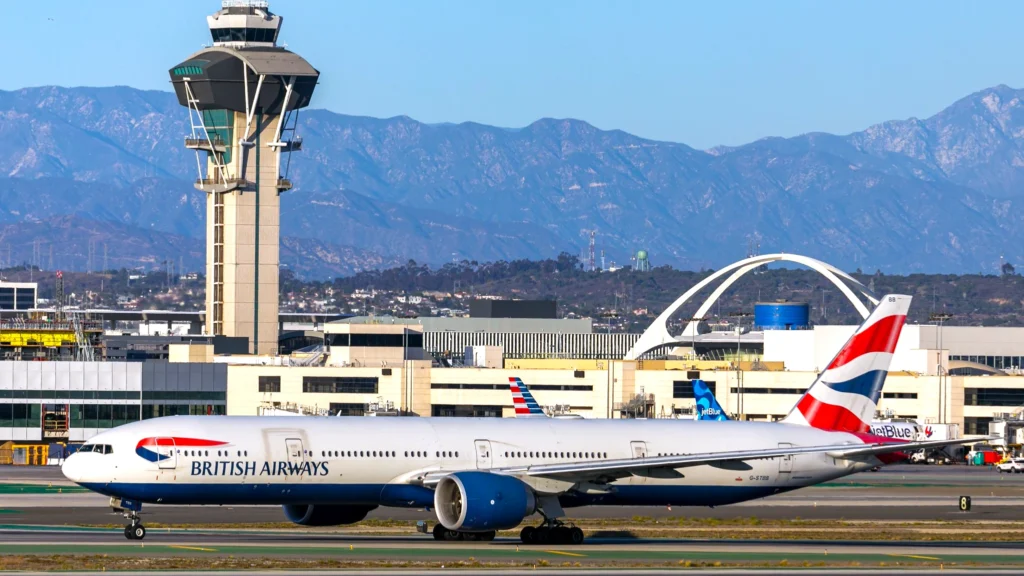
A British Airways (BA) flight from London Heathrow to San Francisco (SFO) landed safely on June 29, 2025, but what followed drew sharp attention across the aviation community. The crew faced an unprofessional exchange with a San Francisco air traffic controller during taxiing operations.
The Boeing 777 pilots requested clarification after receiving conflicting taxi directions, prompting an angry response from the SFO ground controller. The interaction, captured on video and shared by VASAviation, has since raised concerns over communication standards at busy international airports.
Upon landing at San Francisco International Airport (SFO), the British Airways (BA) crew was directed to taxi to the international terminal. After crossing Runway 28L, standard procedure would normally involve a left turn onto Taxiway A or B. Instead, the controller issued a “right turn Bravo” command with limited context—right as the pilots were switching radio frequencies.
The incomplete transmission caused the crew to miss part of the instruction. When they asked for clarification, confirming they were heading to the international terminal, the controller replied sharply:
“That’s why I told you to turn RIGHT onto Bravo! Join A to the ramp and listen better next time!”
The tone, caught on frequency recordings, immediately drew criticism for being unnecessarily hostile, especially considering the ambiguity of the instruction.
To avoid confusion and ensure safety, the British Airways pilots paused their taxi movement at the intersection of Taxiways E and B, preventing a possible conflict with a United Airlines (UA) Boeing 777 on Taxiway F.
Post-event analysis indicated that had the crew acted without confirming the instruction, the aircraft could have come dangerously close to a near-collision scenario.
Aviation professionals highlighted that the pilots’ decision to stop and clarify likely prevented a more serious event. One veteran captain commented that such restraint demonstrated “solid airmanship under pressure.”
Stay tuned with us. Further, follow us on social media for the latest updates.
Join us on Telegram Group for the Latest Aviation Updates. Subsequently, follow us on Google News
