


ATLANTA- During its Q3 2025 earnings call, Delta Air Lines (DL) clarified its approach to transatlantic routes, drawing attention for remarks seen as a dig at United Airlines (UA). Delta President Glen Hauenstein stated the airline will not operate long-haul narrow-body aircraft across the Atlantic, citing “product and brand issues.”
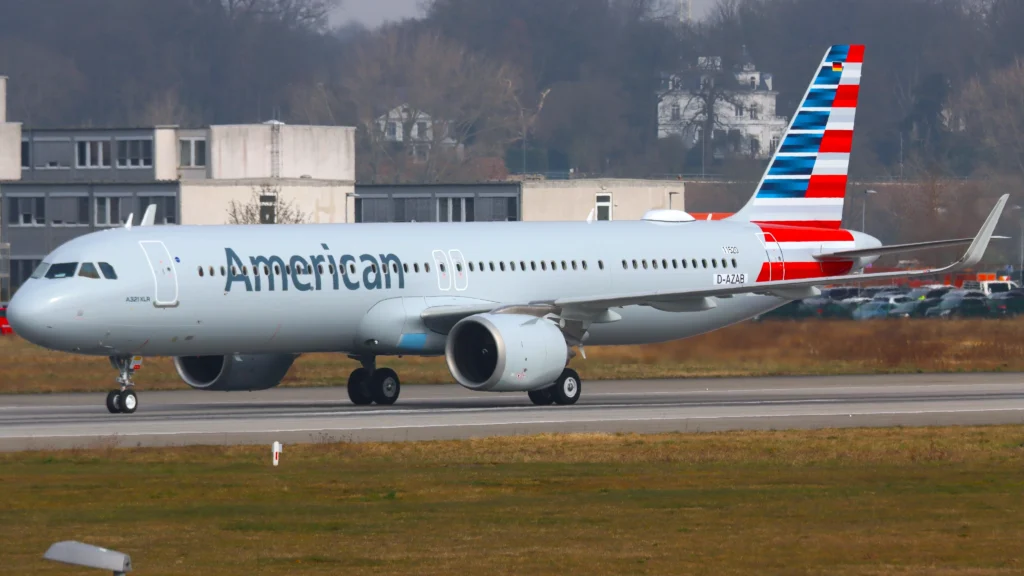
The comment comes as United and American Airlines (AA) expand transatlantic operations using narrow-body jets like the Boeing 737 MAX and Airbus A321XLR. Delta’s stance suggests a different long-term strategy focused on wide-body fleet consistency and premium cabin experience.

Delta’s Approach to Transatlantic Routes
Hauenstein’s remarks were prompted by a question from Jeffries analyst Sheila Kahyaoglu on how Delta plans to manage capacity across the Atlantic amid growing competition.
In response, Hauenstein emphasized Delta’s “best-in-class” transatlantic product, highlighting the rollout of new Delta One Suites, Premium Select, and an expanded Comfort+ cabin.
He stated clearly: “We’ve chosen not to fly narrow bodies in the transatlantic because of product and brand issues.” That position distinguishes Delta from competitors that increasingly use single-aisle jets for longer routes.
United, for example, has been deploying Boeing 737 MAX aircraft from Newark (EWR) to smaller European destinations such as Santiago de Compostela (SCQ)—airports typically unreachable with wide-body aircraft. Similarly, American plans to use the Airbus A321XLR for thinner transatlantic markets.
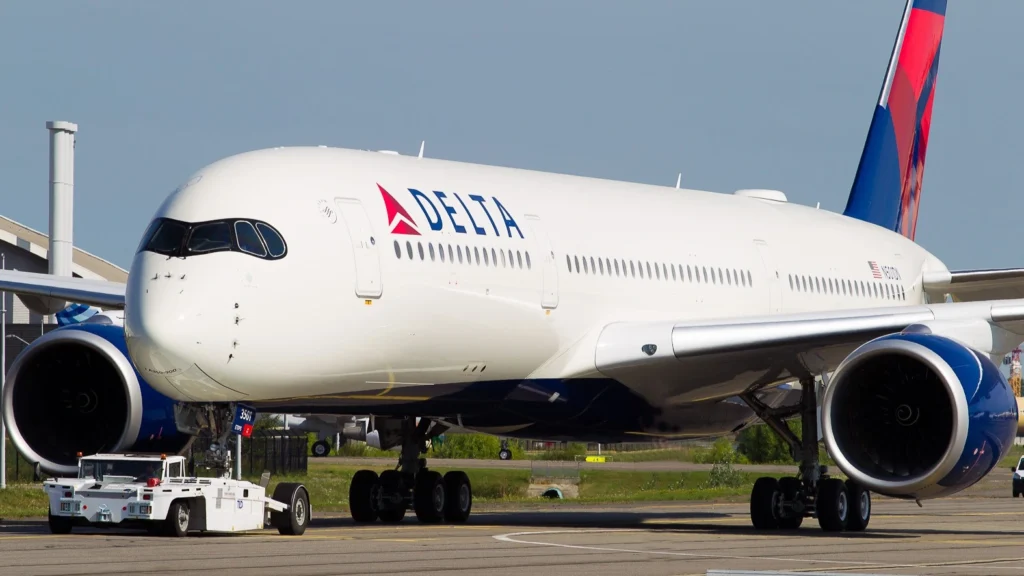
Delta, however, has not ordered the A321XLR and relies primarily on Airbus A330s and A350s for its transatlantic network. The airline does operate Boeing 757s on seasonal routes to Reykjavik (KEF), which arguably still counts as transatlantic flying, raising questions about the consistency of its stated “no narrow-body” policy, OMAAT Flagged.

Are “Product and Brand” Issues a Strong Argument?
Critics point out that passenger resistance to narrow-body aircraft on long-haul routes is often overstated. The A321XLR, for instance, offers modern cabins, efficient economics, and extended range. Many travelers value direct access to secondary destinations over aircraft type, especially when premium economy, not business class, is being sold in the forward cabin.
Delta’s concern about brand consistency may be understandable—it markets itself as a premium carrier—but the logic appears selective. The airline continues to operate aging Boeing 767-300ERs, which feature a dated business-class product compared with United’s Polaris or American’s Flagship Business.
In contrast, United’s use of narrow-body jets opens smaller European markets that wide-body fleets cannot economically serve. This strategy increases network reach and customer choice without compromising major hub-to-hub routes.
The Competitive Implications
Delta’s decision not to pursue narrow-body long-haul aircraft could limit its flexibility once its older 767 fleet retires.
With the A330 as its smallest long-haul jet, Delta might face challenges competing in thinner transatlantic markets that United and American can serve profitably using A321XLRs.
While Delta prioritizes product consistency and brand alignment, the long-term trade-off could be reduced network breadth.
The question is whether passengers value aircraft type more than access to new destinations—a balance Delta will have to manage carefully as the market evolves.
Bottom Line
Delta’s refusal to adopt narrow-body aircraft for transatlantic flying highlights its focus on brand and onboard experience. However, as competitors use smaller, more efficient jets to reach underserved European destinations, Delta risks losing ground in market coverage.
The strategy reflects a deliberate choice: protect the brand’s premium image or expand into new, niche markets. The coming years will reveal which approach proves more sustainable.
Stay tuned with us. Further, follow us on social media for the latest updates.
Join us on Telegram Group for the Latest Aviation Updates. Subsequently, follow us on Google News
