

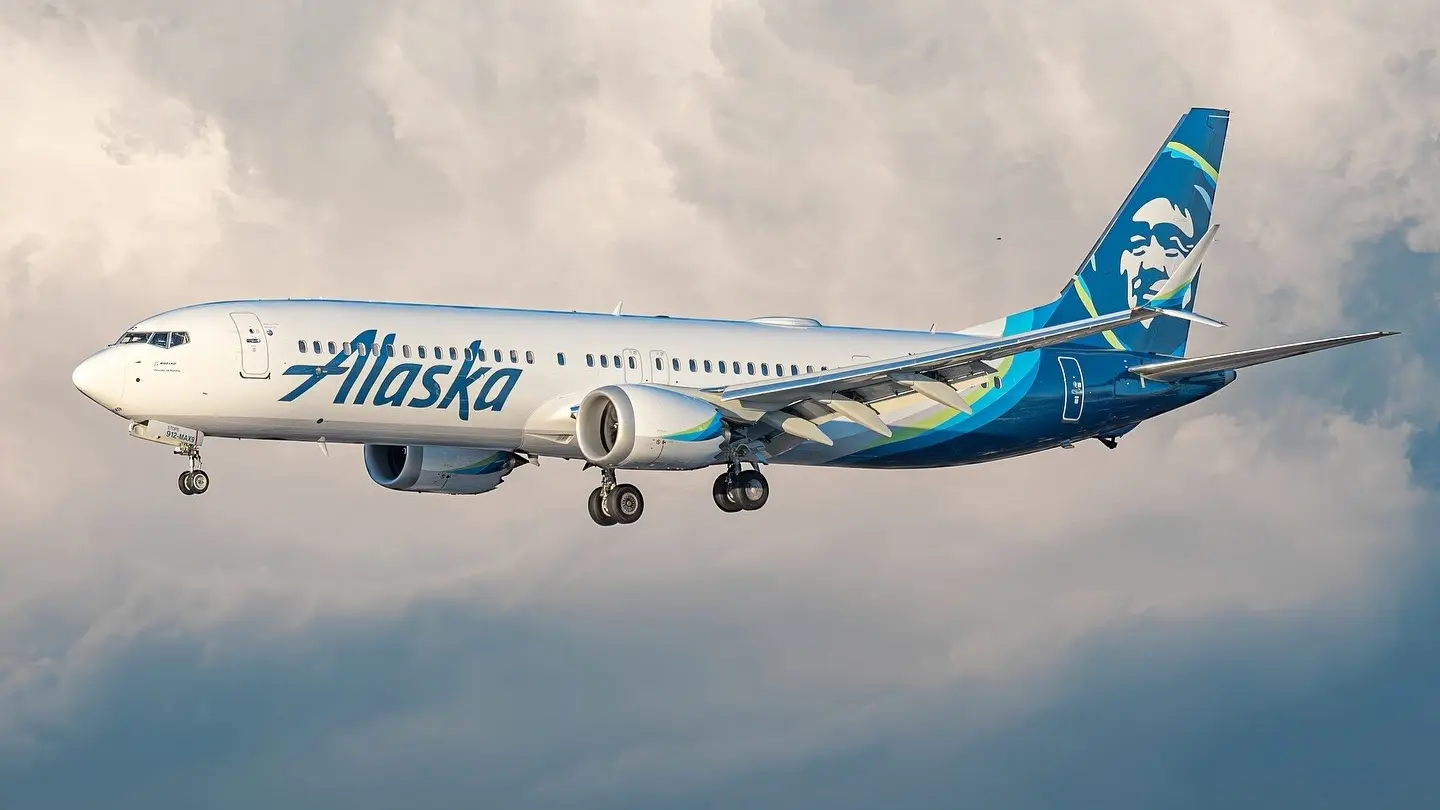
SEATTLE- Alaska Airlines (AS) executives highlight superior elite upgrade rates exceeding 60% for top-tier members, contrasting sharply with competitors like Delta Air Lines (DL).
Brett Catlin, Vice President of Loyalty, Alliances and Sales, shared these insights during a candid Reddit Ask Me Anything session, while critiquing Delta’s influence on key partnerships.
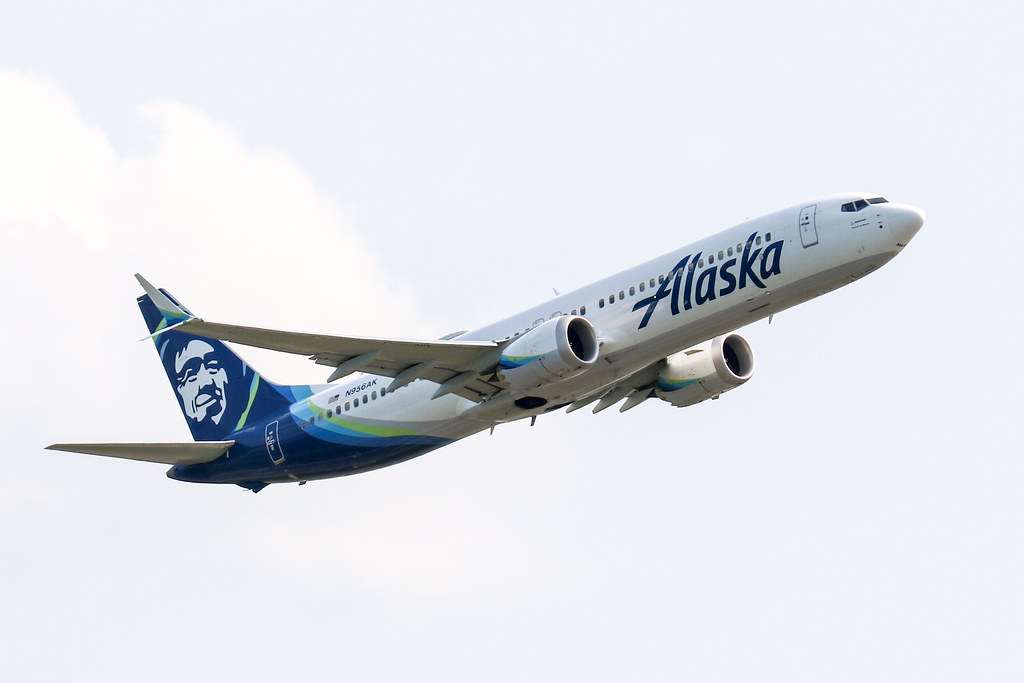
Alaska Airlines 60% Upgrade Rate
Alaska Airlines (AS) prioritizes upgrades for its highest elites, achieving success rates over 60% on flights from hubs like Seattle-Tacoma International Airport (SEA).
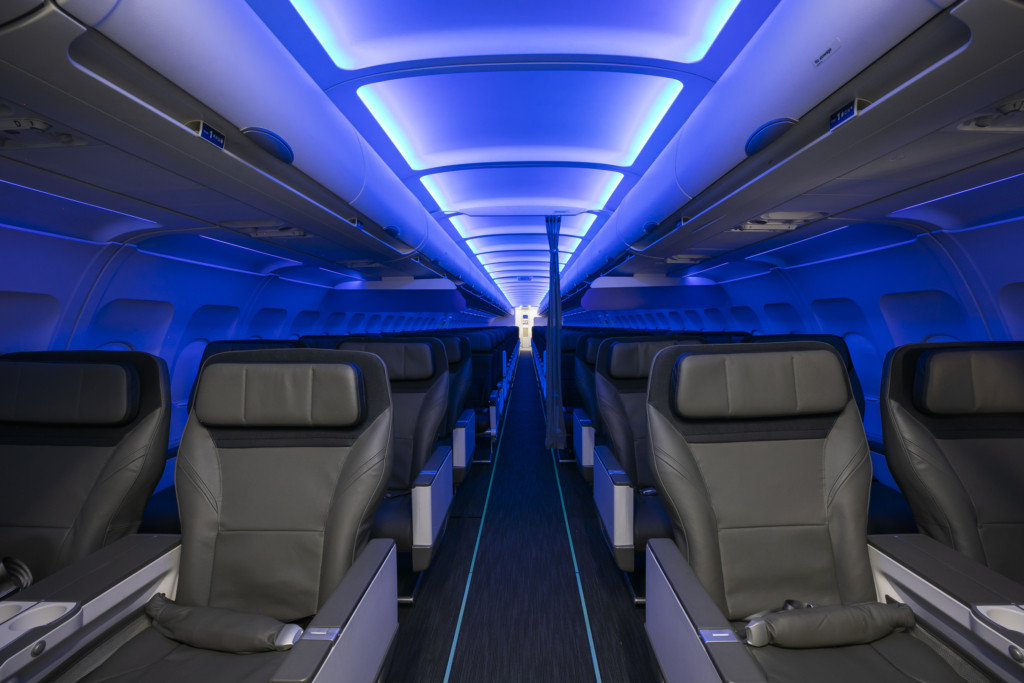
This approach stems from a balanced ratio of premium seats to elite passengers, enabling consistent complimentary moves to first class.
Catlin emphasized that, despite industry trends toward selling upgrades to casual travelers for low fees, Alaska maintains accessibility for loyal members.
According to View From the Wing, this strategy helps Alaska outperform rivals in customer retention, even as it faces pressure from larger carriers.
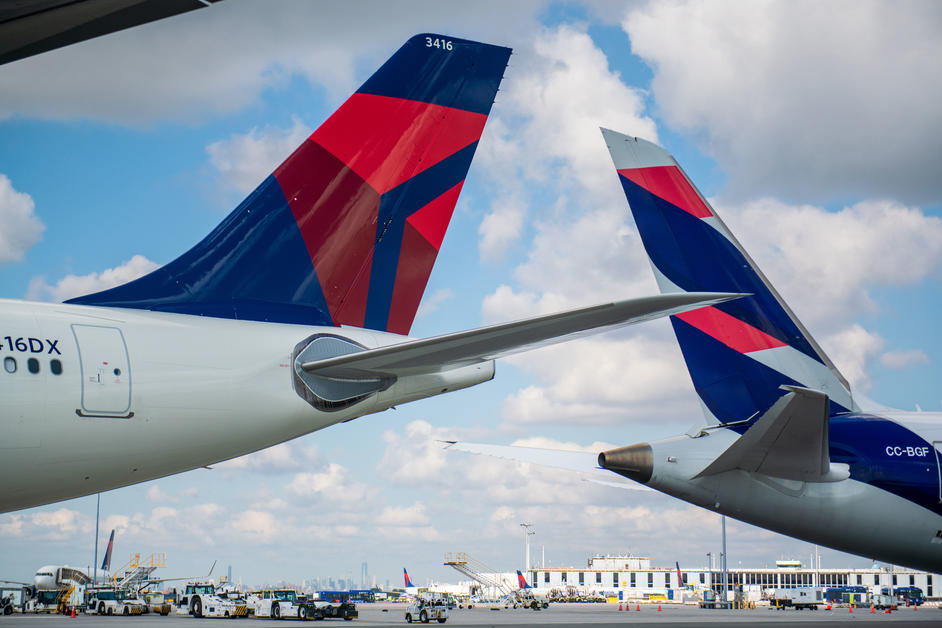
Catlin’s comments included a pointed reference to Delta’s (DL) stake in LATAM Airlines (LA), which disrupted Alaska’s partnership and led to the loss of Singapore Airlines (SQ) routes. He called these shifts “not fun,” underscoring how dominant airlines squeeze smaller players out of alliances.
Yet, Alaska (AS) focuses on core strengths, like reliable upgrades on domestic routes and partner redemptions via Oneworld connections, including American Airlines (AA) flights.
Security and Fraud Prevention Measures
Alaska Airlines (AS) plans to roll out multi-factor authentication for Mileage Plan logins soon. This step targets account takeovers and fraudulent redemptions, a growing issue across airlines.
Catlin noted that current systems catch most threats post-attempt, but enhanced verification will block them earlier in the process.
Award Pricing and Availability Challenges
Mileage Plan award prices have risen, particularly for Hawaiian Airlines (HA) flights, but not due to core logic changes. Instead, Alaska (AS) now displays all bookable seats with points, exposing higher rates where cash demand peaks.
Catlin assured members that the program avoids aggressive inflation seen in “monopoly-points” schemes, aiming to preserve redemption value.
Phantom award space, illusory availability from outdated partner tech, plagues the industry; Alaska prioritizes early detection to prevent payment failures.
Partnership and Product Roadmap
Revenue premium economy tickets on partner airlines remain two years away from sale on Alaska’s (AS) website, tied to technical integrations.
Infant policies for partner award redemptions lack lap options, forcing full seats for children under two, a “niche but impactful” gap set for fixes, though no timeline exists.
Catlin expressed nostalgia for pre-pandemic 12 ounce soda cans and revealed talks on recognizing pet travel for “frequent ‘fur’st class travelers.”
The premium credit card skips coupon books, as 4x earnings on dining and foreign transactions proved unviable mathematically.
Extra lounge passes were considered, but would hike fees, so Alaska opted for balanced perks.
Executive Insights on Global Programs
Catlin praised programs like Aeroplan, AAdvantage, Flying Blue, and Qantas Frequent Flyer for innovation and trust-building. He named World of Hyatt as his top non-Alaska (AS) favorite, citing its rewards focus, shareable benefits, and mobile tech.
A standout redemption: Park Hyatt Sydney with family, boosted by suite upgrades. He eyes Park Hyatt Niseko via All Nippon Airways (ANA) Boeing 787 from Seattle (SEA) to Tokyo Narita (NRT).
Qantas faces criticism for devaluations from Australian regulations and post-pandemic capacity shortages, limiting award space.
Hyatt excels in elite perks like robust breakfasts and late checkouts, though its footprint and past devaluations pose hurdles.
Stay tuned with us. Further, follow us on social media for the latest updates.
Join us on Telegram Group for the Latest Aviation Updates. Subsequently, follow us on Google News
