

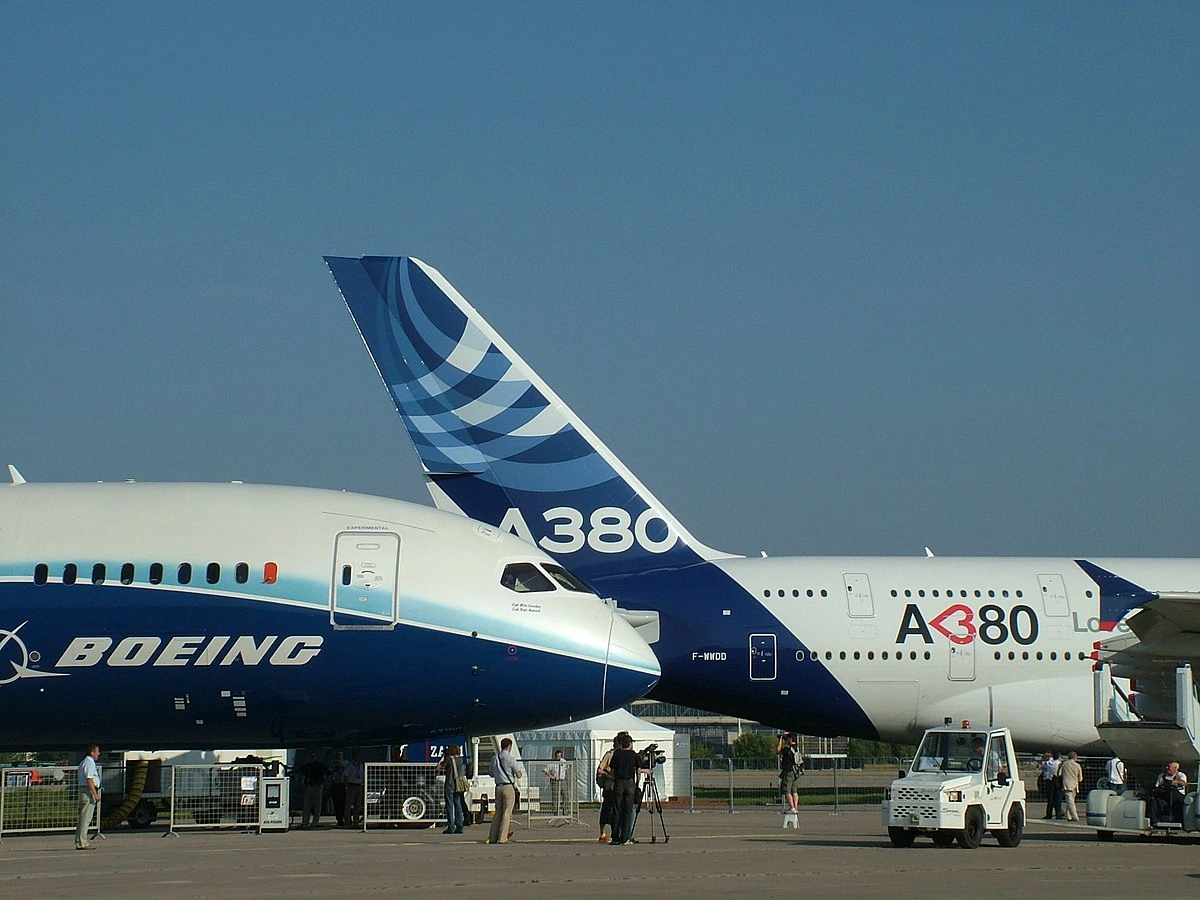
PRAGUE- Airbus and Boeing have ruled out the near-term launch of next-generation narrowbody aircraft, signaling that existing models like the Boeing 737 MAX and Airbus A320neo families will remain the backbone of the single-aisle market for years.
At the ISTAT conference in Prague, executives from both manufacturers emphasized their focus on certification milestones and production stability over new model development, citing debt pressures, supply chain constraints, and technology limitations.
Airbus, Boeing Say No Plan for New Planes
Boeing’s marketing chief, Darren Hulst, made it clear that a successor to the 737 is “many years away.”
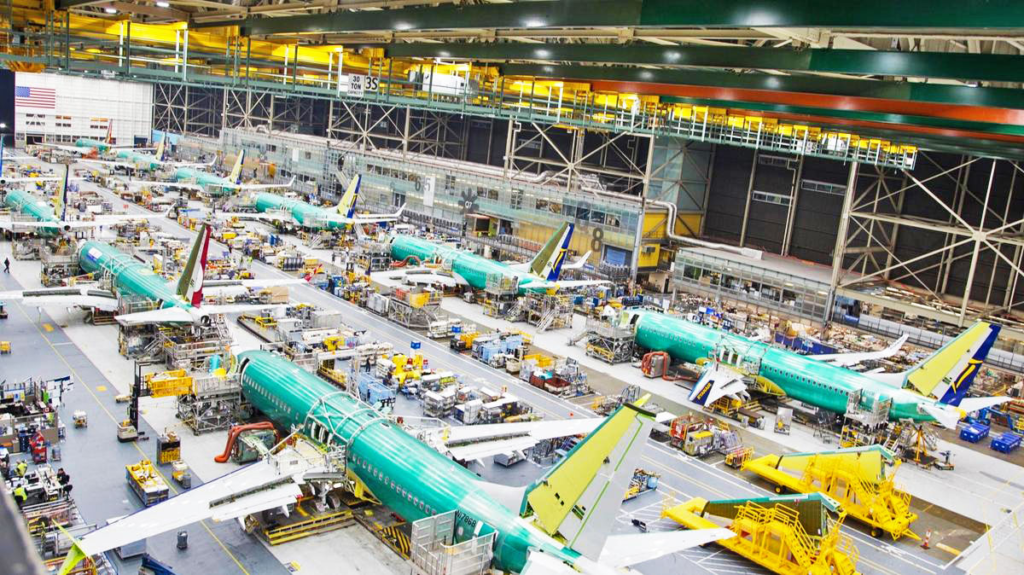
The company’s immediate priorities include certifying two remaining 737 MAX variants, the 777X passenger jet, and the 777XF freighter. Together, these projects are aimed at stabilizing Boeing’s balance sheet, which remains burdened by roughly $50 billion in debt.
Bloomberg’s analysis suggests that 777X certification could be delayed until 2027, a timeline some analysts consider optimistic. While Boeing has engaged in discussions with Rolls-Royce regarding next-generation propulsion technologies, no new aircraft program is under consideration.
Airbus, facing similar headwinds, echoed this position. François Collet, Asset Management Director at Airbus, said any new model would need to deliver at least a 25% improvement in fuel efficiency to justify development costs—an ambitious target given current engine technology limits.
ALSO READ: Airbus Eyes Completely New Aircraft: A360, Is it Viable?
Current Priorities Over Clean-Sheet Designs
Both manufacturers are directing efforts toward optimizing existing fleets rather than introducing entirely new designs.
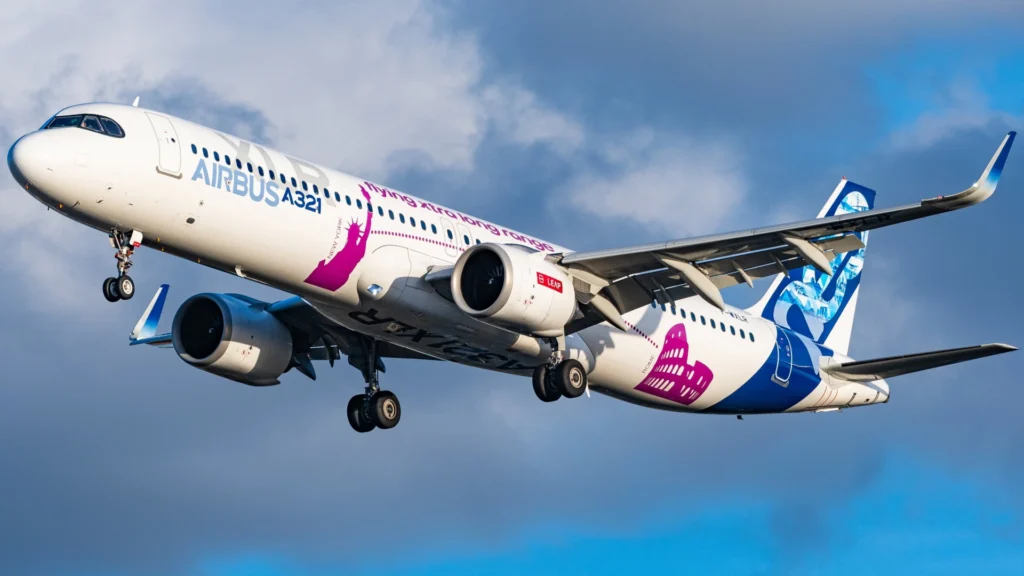
For Airbus, that means extending the competitiveness of the A320neo family, particularly the A321XLR variant, which offers superior range in the narrowbody segment. Boeing’s focus remains on solidifying production and reliability for the 737 MAX family and advancing the 777X program.
The decision to delay clean-sheet narrowbody development effectively freezes competition between the two aerospace giants.
Airlines and lessors can expect both the A320neo and 737 MAX families to dominate order books well into the 2030s, sustaining strong aircraft values and lease rates due to limited supply.
ALSO READ: Boeing Explores New Narrow-Body Aircraft to Replace 737 MAX
Impact on the Aerospace Industry
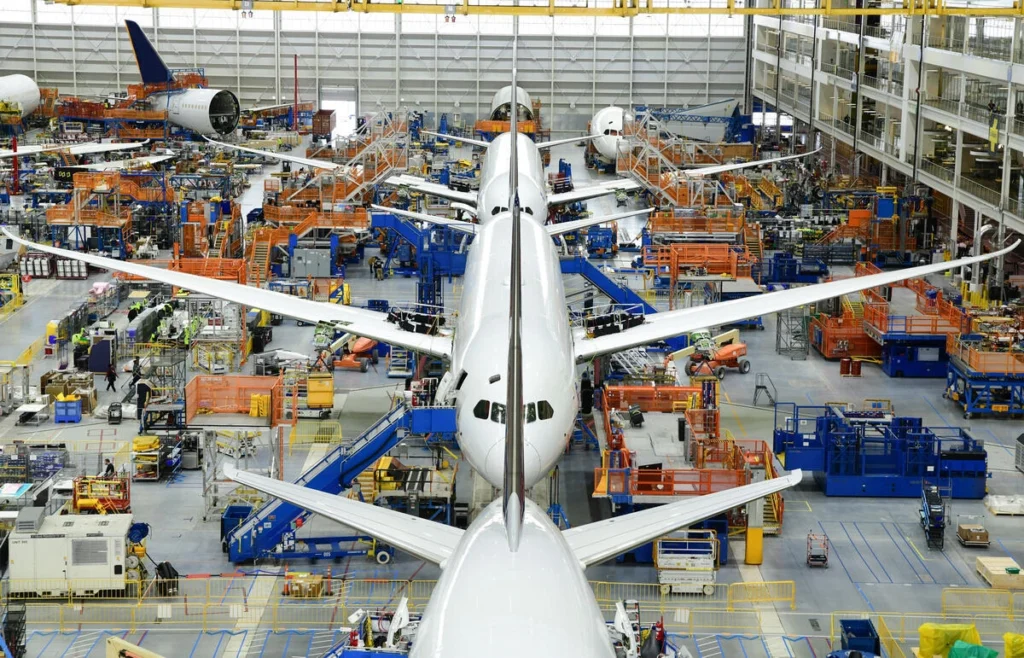
This cautious approach supports stability across the aviation ecosystem. Aircraft values are likely to remain high as production slots remain scarce.
Lessors benefit from strong residual values and easy placement opportunities, while engine manufacturers continue prioritizing reliability and maintenance economics over experimental technologies.
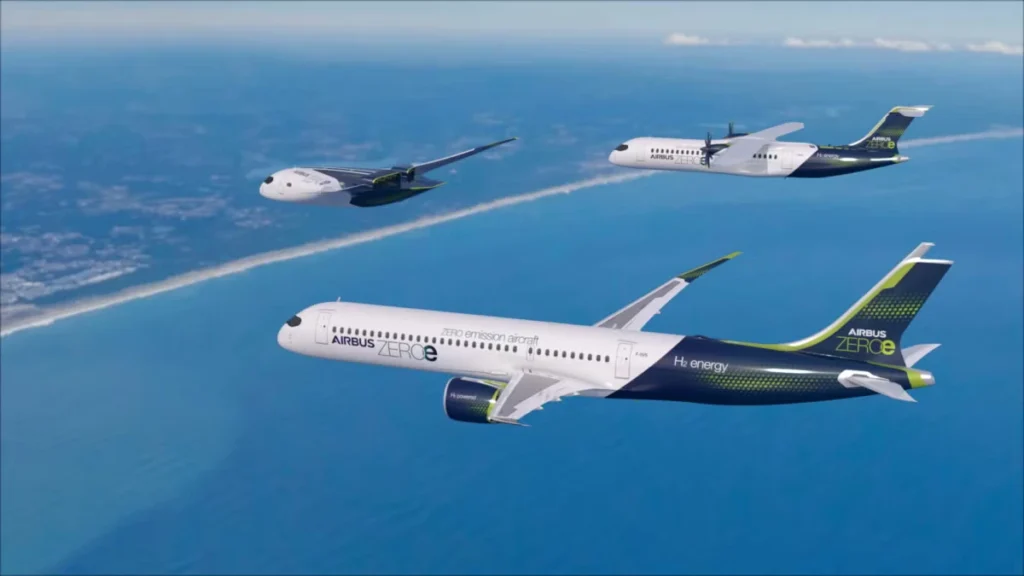
However, the strategy comes at a cost to decarbonization. Incremental fuel-burn improvements in current-generation aircraft delay more substantial emissions reductions that would accompany a clean-sheet design. Airlines will continue to pursue minor efficiency upgrades rather than significant breakthroughs in the short term.
So What’s Next?
The next decade is expected to bring incremental—not revolutionary—changes in aircraft design. Supply chain constraints, certification backlogs, and evolving propulsion technology all point to a slow transition toward next-generation models.
Both Boeing and Airbus are likely waiting for a meaningful leap in efficiency and sustainable propulsion before committing to their next narrowbody programs.
In essence, the commercial aviation industry is in a holding pattern. The technology for true next-generation aircraft exists largely on paper, and neither manufacturer is prepared to take the financial or technical leap until the market and technology align.
Stay tuned with us. Further, follow us on social media for the latest updates.
Join us on Telegram Group for the Latest Aviation Updates. Subsequently, follow us on Google News
