

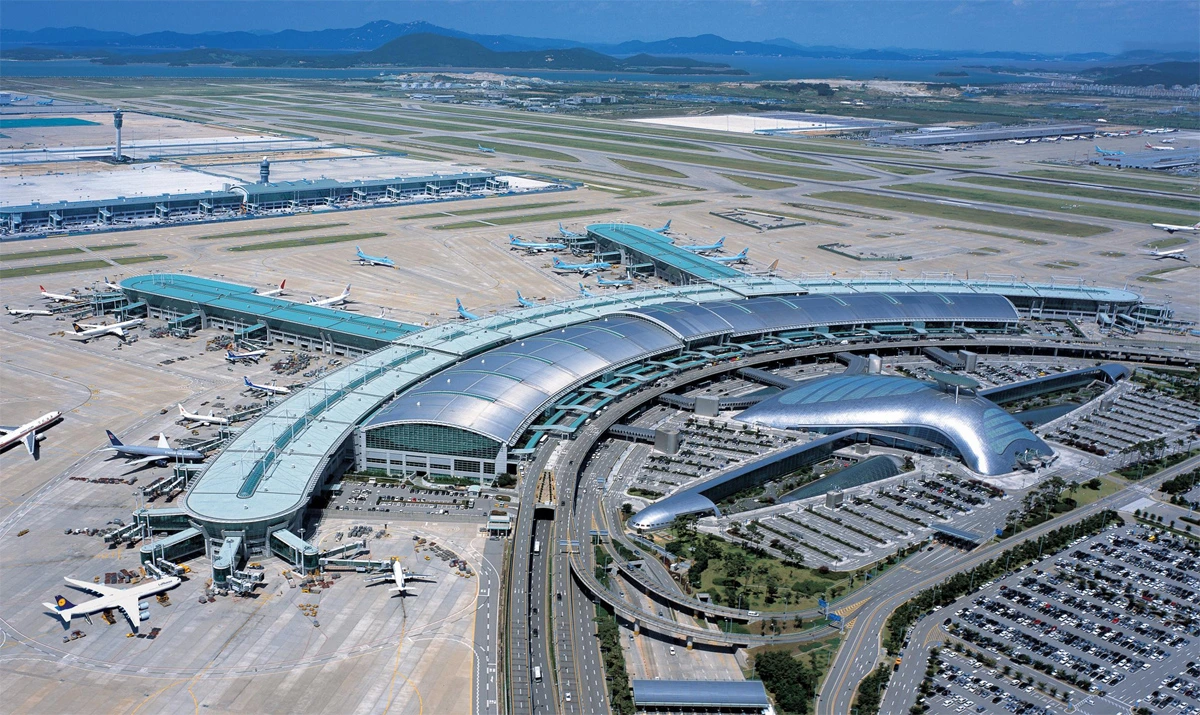
The Asia-Pacific region continues to prove why it’s one of the most dynamic aviation markets in the world. In 2025, major airports across Southeast and East Asia will play a critical role in keeping regional and global air travel flowing smoothly.
From Kuala Lumpur to Fukuoka, the latest rankings reveal a mix of low-cost carrier strongholds and full-service airline hubs driving the region’s connectivity.
While Europe and North America may still dominate global aviation in volume, Asia-Pacific’s diversity and steady recovery have created one of the most complex and competitive air networks anywhere in the world.

Southeast Asia‘s Regional Connectivity
At the top of the 2025 list compiled by OAG sits Kuala Lumpur International Airport (KUL), which continues to serve as AirAsia’s main base.
The airport has become one of the world’s busiest hubs for low-cost carriers, with connections across nearly every Southeast Asian country and an expanding footprint in India, Japan, and Australia. AirAsia’s 36% share of flights keeps Kuala Lumpur far ahead of other regional rivals.
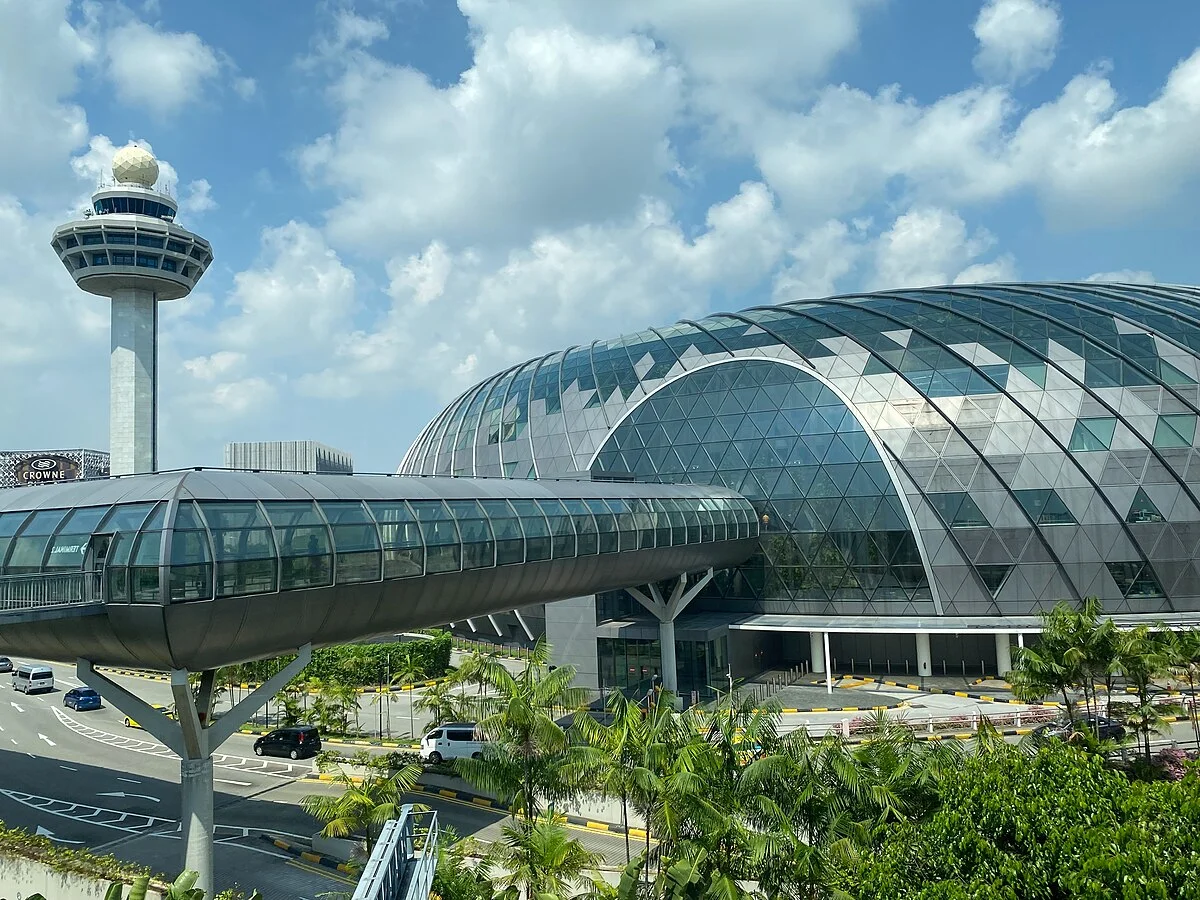
Just behind it, Singapore Changi Airport (SIN) remains Southeast Asia’s premier full-service hub. Singapore Airlines operates about a third of all flights there, anchoring an extensive long-haul and regional network that continues to attract premium travelers.
Changi’s mix of world-class efficiency, passenger comfort, and strong partnerships with Scoot and other carriers has ensured its resilience despite increasing competition.
Bangkok’s Suvarnabhumi Airport (BKK) also continues to thrive as a connecting point between South and East Asia. Thai Airways International operates roughly a quarter of the airport’s flights, but its connectivity is enhanced by dozens of regional airlines that use Bangkok as a mid-point.
Manila (MNL) and Jakarta (CGK) round out the Southeast Asian entries in the top ten. Manila’s strong showing is powered by Cebu Pacific’s domestic dominance and growing regional network, while Jakarta’s Garuda Indonesia maintains the country’s key international links.
Together, they highlight how low-cost and national carriers coexist in balancing the vast travel demand of Southeast Asia.
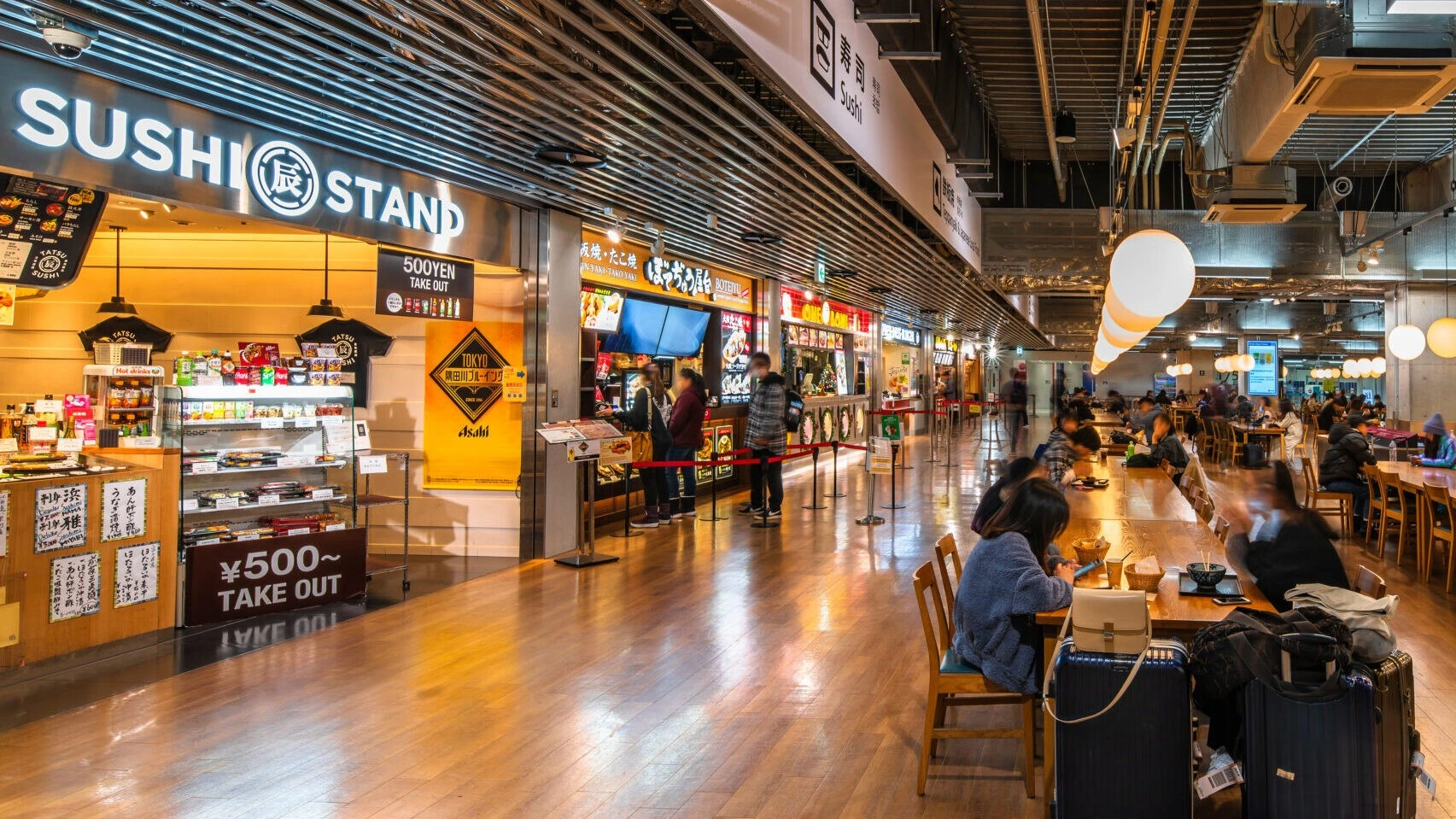
East Asia‘s Regional Gateways
Moving north, East Asia remains home to some of the region’s most sophisticated aviation networks.
Incheon International Airport (ICN) in South Korea ranks second overall in the region, supported by Korean Air’s 22% market share and the steady rise of budget carriers such as T’way and Jeju Air.
Incheon’s mix of international traffic and strategic location between Northeast Asia and North America makes it a natural connector for trans-Pacific routes.
Tokyo Haneda (HND) remains Japan’s busiest and most connected airport, with All Nippon Airways accounting for 36% of all flights. Haneda’s central location and high on-time performance make it the preferred choice for both business and leisure travelers.
In contrast, Fukuoka Airport (FUK), ranking tenth, serves as Japan’s western gateway to Korea, China, and Taiwan — smaller in scale but critical for regional connectivity.
Shanghai Pudong International Airport (PVG) represents mainland China in the top ten, with China Eastern Airlines leading operations.
Pudong continues to expand its role as a central hub for both domestic and long-haul international flights, despite some fluctuations in demand as China’s aviation sector stabilizes post-pandemic.
The airport’s connectivity also benefits from its integration with Shanghai Hongqiao, offering an unmatched combination of domestic and international routes.
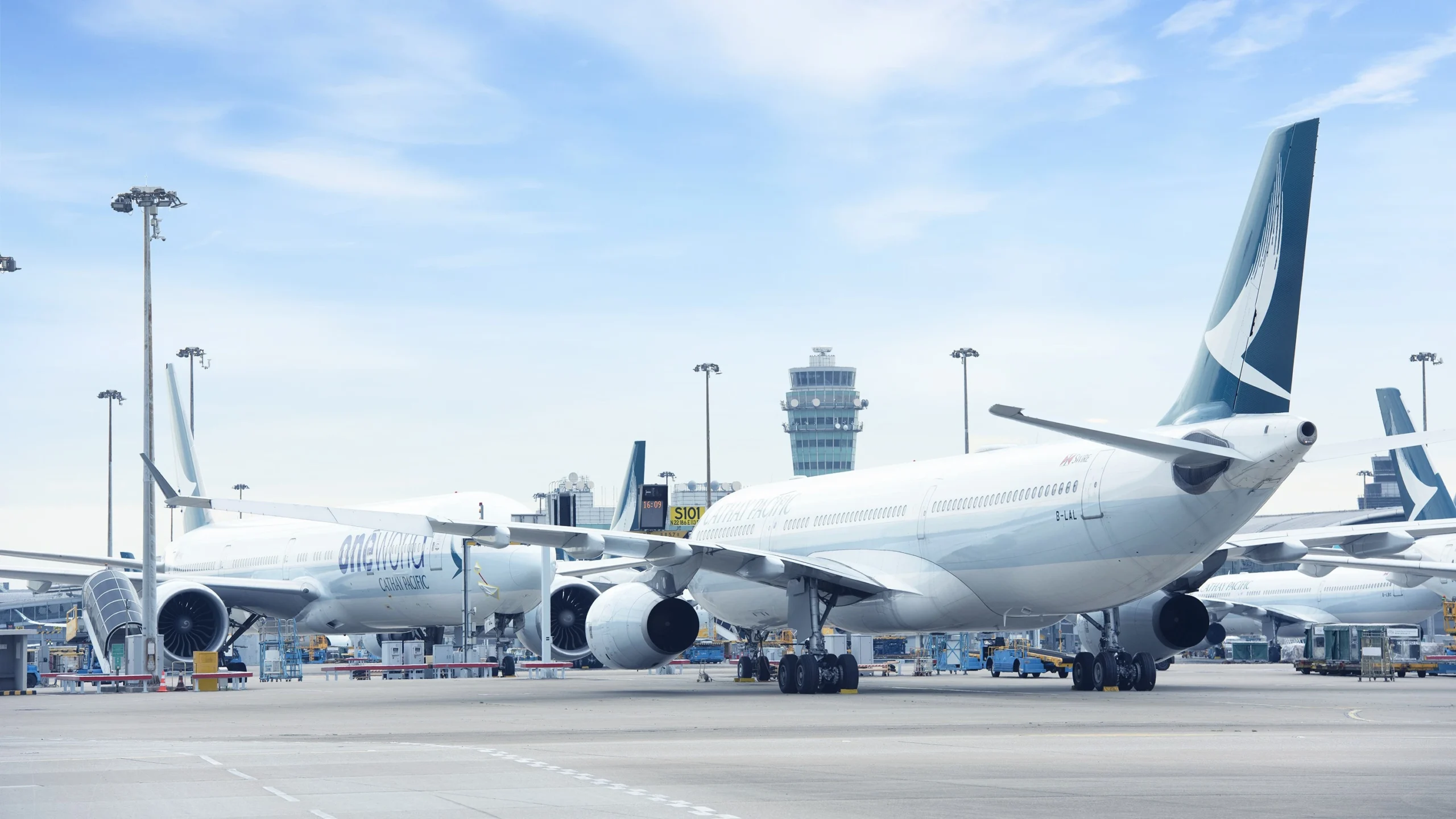
Hong Kong‘s Resilient Comeback
After years of disruption, Hong Kong International Airport (HKG) has made a strong return in 2025, ranking eighth in the region. Cathay Pacific Airways accounts for more than a third of total flights, reflecting the city’s rebound as a global financial and logistics hub.
While Hong Kong faces growing competition from mainland Chinese airports like Shenzhen and Guangzhou, its unique position as a one-stop gateway between East and West keeps it relevant on the global stage.
HKG’s performance also signals renewed business confidence, with a steady recovery in cargo operations and international transfers. The airport’s continued investments in automation and terminal upgrades are expected to strengthen its ranking further in the coming years.
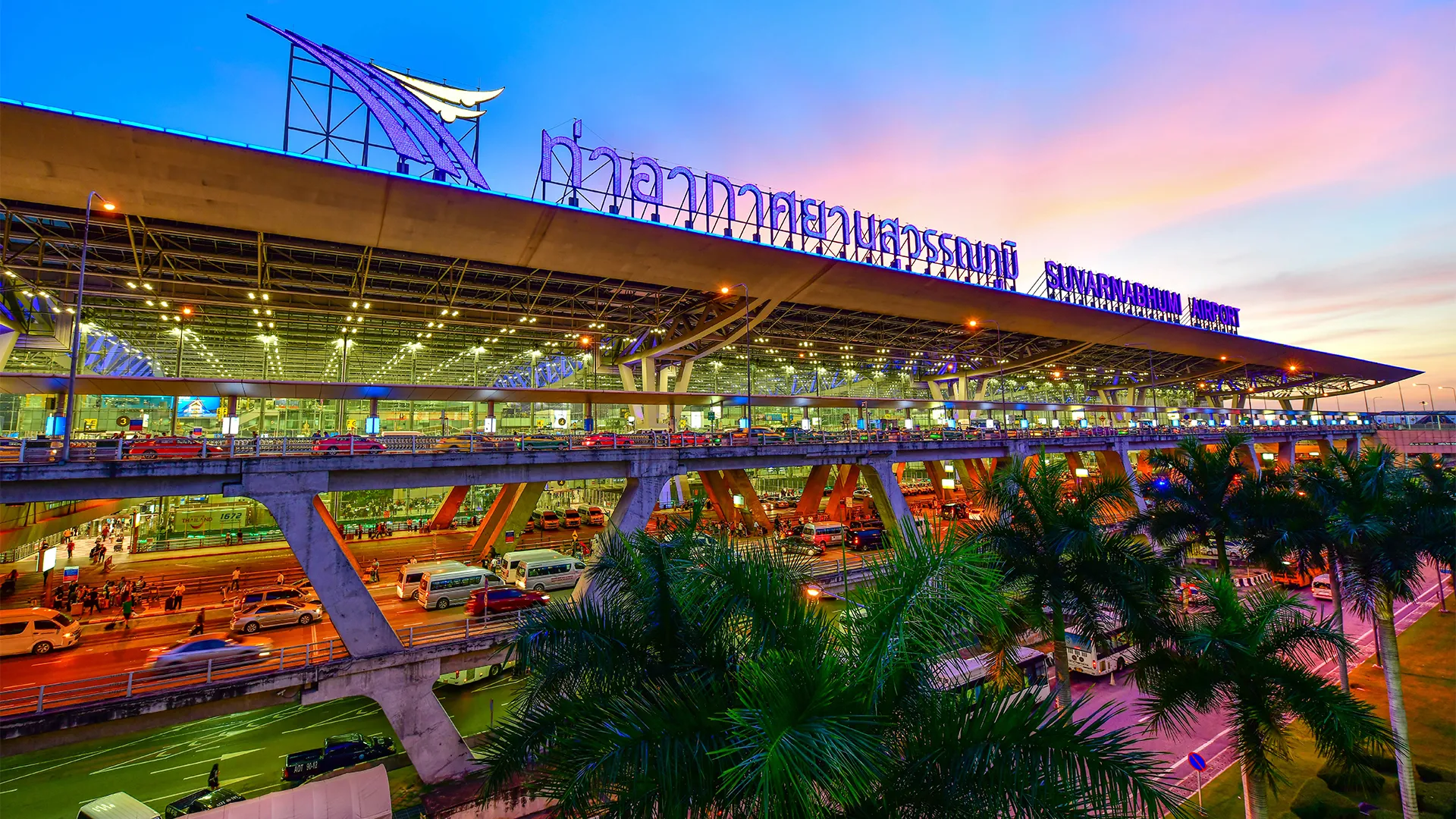
A Region Defined by Balance
What makes the Asia-Pacific aviation market stand out in 2025 is its balance. Unlike North America, where three major airlines dominate most hubs, the region shows a healthy mix of full-service and low-cost carriers sharing major airports.
Kuala Lumpur and Manila thrive on budget networks, while Singapore and Tokyo are known for their premium offerings. Meanwhile, emerging hubs like Fukuoka and Bangkok bridge these extremes, linking local markets to broader global routes.
Another factor driving growth is the increasing overlap between tourism and business travel. Airports like Kuala Lumpur, Bangkok, and Singapore see nearly as many leisure travelers as business passengers, with routes designed to cater to both affordability and comfort.
This balance has allowed Asia-Pacific airports to recover quickly from recent years of volatility and return to growth ahead of many Western markets.
Looking Ahead
As 2025 continues, Asia-Pacific airports are expected to expand their roles even further. Low-cost carriers are moving into longer routes with narrowbody jets, while legacy airlines are strengthening their regional connections.
Air travel within Asia is now the largest domestic and intra-regional market in the world — and the airports at the top of this list are its engines.
Kuala Lumpur may lead in connectivity, but airports like Incheon, Singapore, and Tokyo are not far behind. Each offers something unique — from efficiency and comfort to affordability and reach.
Together, they represent the future of how millions of travelers move across one of the world’s fastest-growing aviation regions.

10 Most Connected Airports in Asia-Pacific
Here’s a list of the 10 most connected airports in the Asia Pacific region in 2025, as shared by OAG, a leading aviation data platform:
| Rank | Airport | Country | Dominant Carrier | Share of Flights |
|---|---|---|---|---|
| 1 | Kuala Lumpur International (KUL) | Malaysia | AirAsia | 36% |
| 2 | Incheon International (ICN) | Korea Republic of | Korean Air | 22% |
| 3 | Tokyo Haneda (HND) | Japan | All Nippon Airways | 36% |
| 4 | Singapore Changi (SIN) | Singapore | Singapore Airlines | 33% |
| 5 | Bangkok Suvarnabhumi (BKK) | Thailand | Thai Airways International | 24% |
| 6 | Shanghai Pudong (PVG) | China | China Eastern Airlines | 30% |
| 7 | Manila Ninoy Aquino (MNL) | Philippines | Cebu Pacific Air | 33% |
| 8 | Hong Kong International (HKG) | Hong Kong (SAR), China | Cathay Pacific Airways | 36% |
| 9 | Jakarta Soekarno–Hatta (CGK) | Indonesia | Garuda Indonesia | 18% |
| 10 | Fukuoka (FUK) | Japan | Japan Airlines | 18% |

Bottom Line
Asia-Pacific’s top airports are not just gateways — they’re symbols of resilience and growth. Each hub tells a story of how airlines, governments, and travelers have adapted to shifting travel patterns.
Whether it’s Kuala Lumpur’s low-cost success, Singapore’s premium precision, or Incheon’s strategic location, these airports continue to define the region’s aviation future.
If current trends continue, Asia-Pacific’s share of global connectivity will only grow — powered by innovation, rising demand, and a deep understanding of what modern travelers value most: accessibility and choice.
Stay tuned with us. Further, follow us on social media for the latest updates.
Join us on Telegram Group for the Latest Aviation Updates. Subsequently, follow us on Google News
