


JEWAR– Noida International Airport (DXN) is expanding its airline network and developing cargo, aircraft maintenance, and other aviation businesses to become a second aviation hub for the National Capital Region (NCR). CEO Nitu Samra says the airport is focused on improving connectivity, attracting more airlines and building passenger demand.
IndiGo (6E) and Akasa Air (QP) currently operate an average of 35 daily flights connecting the airport to 16 domestic destinations. Noida International Airport also plans international cargo operations in the coming weeks, followed by passenger services in subsequent months, subject to regulatory approvals and market conditions. It aims to complement Delhi’s Indira Gandhi International Airport (DEL) by adding regional capacity and expanding passenger choice.
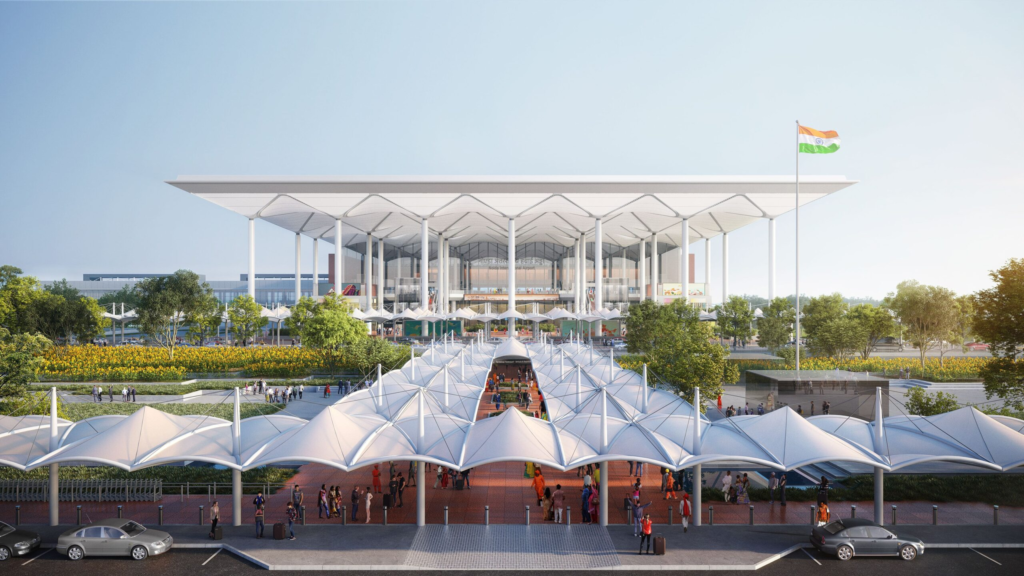
Noida Airport Expands Routes and Aviation Operations
Noida International Airport began commercial operations in June 2026 with five destinations. Its network has since grown to 16 domestic destinations, with an average of 35 daily flights operated by IndiGo and Akasa Air.
The airport expects its route network to expand further during the winter schedule. Additional destinations will depend on airline partners progressively developing the network planned for Phase 1.
However, airlines will decide their own routes and fleet deployment based on commercial considerations. Carriers are expected to announce new services after completing their operational planning.
The airport is focusing on developing its connectivity and passenger experience as traffic builds. These efforts form part of its broader plan to establish a larger role in the NCR aviation market, FE exclusively reported.

Noida Airport Defends Its ₹490 User Development Fee
The airport faces questions about whether its ₹490 user development fee (UDF) should be reviewed to make it more competitive and attract additional traffic.
Samra said Noida International Airport’s tariffs remain competitive compared with those at other greenfield airports. She explained that the airport’s tariff model spreads cost recovery over a longer period to keep charges sustainable.
The airport also expects efficient infrastructure and faster passenger processing to help airlines reduce operating costs. These efficiencies could benefit passengers as the airport develops its network and increases traffic.

Ground Transport Network Supports Airport Access
The absence of direct metro or rail links remains an important connectivity challenge for passengers travelling to and from Noida International Airport.
To address this gap, the airport has established a ground transport network covering the NCR and neighbouring states. Options include round-the-clock electric taxis, app-based ride-hailing services and chauffeur-driven car rentals.
The Uttar Pradesh State Road Transport Corporation (UPSRTC) and Haryana Roadways connect the airport with regional destinations. Delhi Transport Corporation (DTC) electric buses serve transit hubs in Delhi, while electric buses connect the terminal to Noida’s Morna bus depot.
A partnership with redBus also offers bookable intercity coach services with live tracking. These options are intended to improve access for passengers travelling from Delhi, Noida and other parts of North India.

International Flights Planned for West Asia and Southeast Asia
Noida International Airport plans to introduce international cargo operations in the coming weeks, with international passenger services expected in the following months.
The airport is discussing potential services with airlines that operate across West Asia, Southeast Asia and other international markets. However, the start dates and destinations will depend on regulatory approvals, market conditions and individual airline network plans.
International services would expand the airport’s reach beyond its current domestic network. They would also support its wider ambition to build passenger and cargo operations alongside Delhi’s established aviation infrastructure.
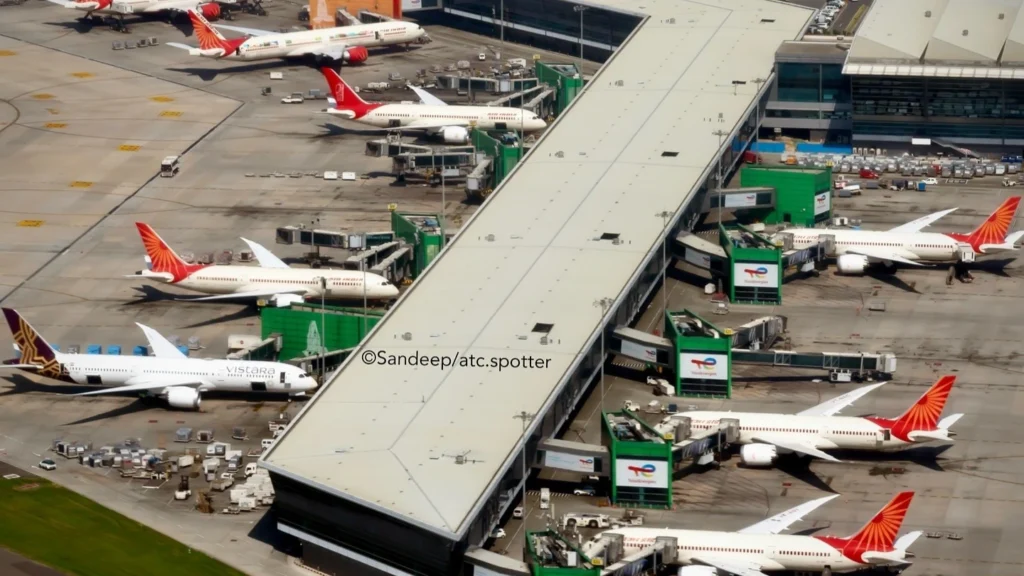
Noida Airport Aims to Complement Delhi IGI
Noida International Airport intends to complement, rather than simply compete with, Delhi’s Indira Gandhi International Airport (DEL).
The airport aims to add capacity to the NCR aviation system, improve regional connectivity and give passengers more travel options. Its growth strategy also depends on cooperation with airlines, ground transport providers and public transport authorities.
By improving access and creating a digitally enabled passenger experience, the airport plans to strengthen its position within the wider NCR transport network.
Its development could also provide another gateway for travellers in western Uttar Pradesh and neighbouring regions, subject to the expansion of routes and supporting transport links.
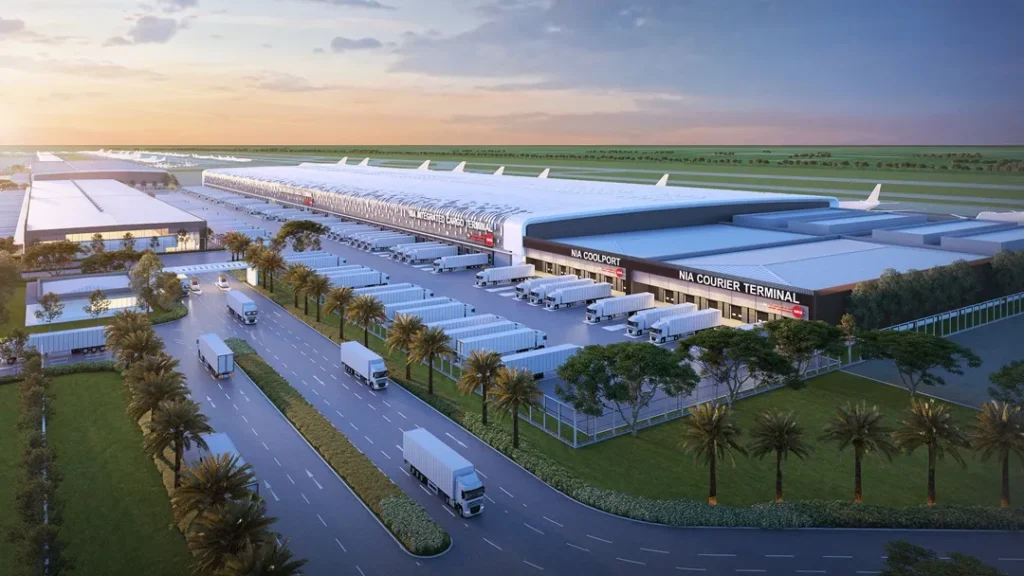
Noida Airport Cargo Terminal Targets 1.5 Million Tonnes
Cargo operations are a central part of Noida International Airport’s long-term development strategy. The airport’s cargo terminal, operated by Air India SATS Airport Services (AISATS), has an initial annual capacity of around 250,000 metric tonnes, with the potential to expand to 1.5 million tonnes.
Its location near manufacturing clusters in western Uttar Pradesh and Haryana could help serve exporters and importers in industries such as electronics, textiles and pharmaceuticals.
The airport is engaging domestic and international operators to develop express logistics, cold-chain services and general cargo operations. These activities are intended to broaden its customer base and support regional trade.
The integrated cargo facility is also designed to support the movement of goods through road and air connections. Its infrastructure includes dedicated freighter bays and warehouse space, providing a base for further cargo development.
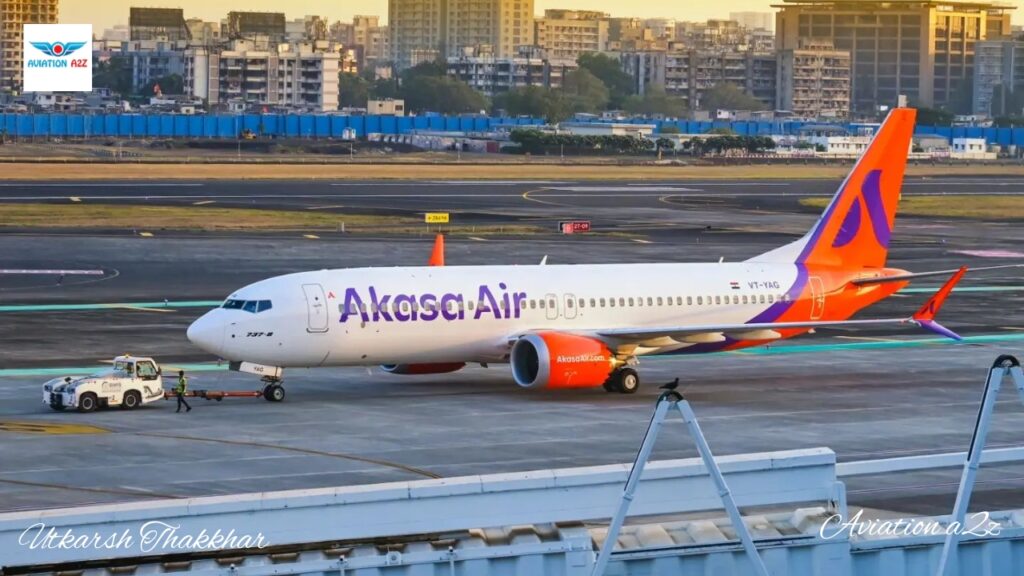
Freighter Operations and Akasa Air MRO Plans
Noida International Airport is also developing its freighter network. AISATS has agreements with SpiceXpress and Totsol Aviation covering plans for around 200 livestock freighter flights between September 2026 and August 2027. The initiative is intended to improve cargo access for livestock-producing regions such as Uttar Pradesh and Haryana.
The airport has also received its first freighter flight operated by Afcom Holdings from Chennai. The aircraft carried nearly 20 tonnes of mixed cargo, marking an important step in the development of its cargo business.
Beyond freight, the airport plans to develop maintenance, repair and overhaul (MRO) services, aircraft parking and commercial real estate. These businesses are intended to diversify revenue beyond passenger operations and cargo handling.
A planned Akasa Air MRO facility is expected to support the development of an aircraft maintenance hub at the airport. The project could also create skilled employment as aviation-related activity expands.
Noida International Airport’s long-term strategy therefore extends beyond adding passenger routes. Its plans combine airline network growth, international connectivity, cargo logistics, and technical services to build a broader aviation ecosystem for the NCR.
Stay tuned with us. Further, follow us on social media for the latest updates.
Join us on Telegram Group for the Latest Aviation Updates. Subsequently, follow us on Google News
