


BERLIN– A new European pilot fatigue study has exposed persistent concerns about flight safety, with 76.8% of nearly 7,200 pilots reporting at least one involuntary microsleep while operating an aircraft during the previous four weeks. Published in October 2026, the survey commissioned by the European Cockpit Association (ECA) also found that almost one-quarter of respondents usually continued flying despite fatigue.
The findings cover pilots working for airlines across Europe and indicate little meaningful progress since a similar survey in 2023. Researchers also identified concerns about extended duty periods, insufficient rest and the fear of negative consequences when pilots report fatigue or decline to work beyond their scheduled hours.
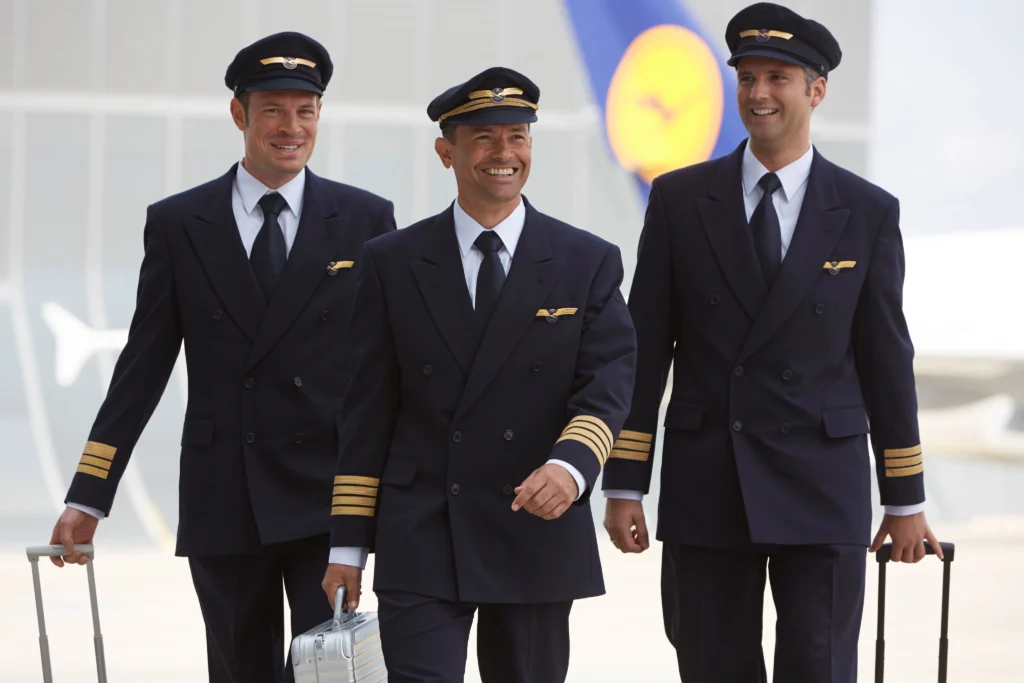
Pilot Fatigue Study Results
The 2026 survey, conducted by aviation safety consultancy Baines Simmons on behalf of the ECA, gathered responses from approximately 7,200 captains and first officers.
It found that 76.8% had experienced at least one microsleep while operating an aircraft in the preceding four weeks, while roughly one-quarter reported five or more episodes.
Microsleeps are brief, involuntary periods of sleep that can reduce a pilot’s awareness during flight operations.
Although the survey does not establish that fatigue caused a specific aviation accident, these episodes raise concerns because flight crews must remain alert to changing conditions and respond quickly to unexpected situations.
The study also highlighted shortcomings in fatigue reporting. Only 37.2% of respondents said they usually declared themselves unfit to fly when fatigue affected their ability to work safely, while 24.2% said they generally continued flying without reporting their fatigue.

Commander’s Discretion Concerns
European flight-time rules limit how long pilots can remain on duty, with permitted hours varying according to reporting time, the planned schedule and other operational factors.
However, when unforeseen circumstances such as delays disrupt operations, the aircraft commander can use a provision known as Commander’s Discretion to extend duty limits in specified circumstances.
The provision allows captains to make a safety-based decision about extending a duty period, but the survey found that many pilots were uncomfortable with the potential consequences of refusing an extension.
Approximately 69% expressed concern about what might happen if they declined to extend their duty, while nearly two in five reported using the provision at least once during the previous four weeks.
These findings raise questions about whether commercial pressure can influence decisions that should depend on crew fitness and safety.
The ECA has called for airlines and regulators to ensure that fatigue reporting remains genuinely non-punitive and that commanders can refuse extensions without fear of professional repercussions.
Capt. Coen George, an ECA board director, warned that pilots might avoid reporting fatigue if they feared career consequences.
The association argues that airlines must take greater responsibility for managing fatigue rather than leaving individual pilots to navigate workplace pressure.

Low-Cost Airlines Under Scrutiny
The study also identified differences between airline operating models and national oversight environments.
Pilots working for low-cost and wet-lease operators reported particularly low confidence in fatigue management, with only 15.6% of low-cost airline pilots believing their employers managed fatigue risks effectively.
Wet-lease operators supply aircraft and crew to other airlines, often under arrangements known as ACMI contracts.
The survey found that just 18.6% of pilots at these operators viewed fatigue risk management positively, indicating that concerns extend beyond conventional low-cost airline operations, PYOK flagged.
Country-level comparisons also placed airlines based in Ireland and Malta among the weaker performers across several measures, including microsleep reports and confidence in fatigue reporting systems.
The findings do not establish that every airline in either country has the same problems, but they point to areas where oversight and workplace practices require closer attention.
The limited improvement since the 2023 survey has renewed calls for stronger fatigue-management systems, adequate rest periods and effective protection for pilots who report themselves unfit to fly.
For European aviation, the challenge is to ensure that legal duty limits and reporting procedures work in practice, rather than simply existing on paper.
Stay tuned with us. Further, follow us on social media for the latest updates.
Join us on Telegram Group for the Latest Aviation Updates. Subsequently, follow us on Google News
