


MUMBAI— Akasa Air (QP) will increase pilots’ salaries by up to 20% from January 1, 2027, while raising guaranteed monthly pay, expanding annual leave and introducing additional work patterns. The changes come as the four-year-old airline grows its Boeing 737 MAX fleet and expands its domestic and international network from bases including Mumbai (BOM) and Bengaluru (BLR).
According to a Press Trust of India (PTI) report, the revised compensation structure will increase fixed salaries and hourly payments, while minimum protected flying hours will rise to 50 per month. The airline will also increase minimum annual leave to 42 days and offer more flexible rosters, although Akasa Air has not publicly commented on the reported changes.

Akasa Air Pilot Salary Increase
Captain Sanket Limaye, Akasa Air’s director of flight operations, informed pilots about the revised structure during an internal meeting on Wednesday, according to the PTI report.
The pay increase of up to 20% will apply from January 2027, with changes to both fixed compensation and hourly payouts.
The airline will raise minimum protected flying hours to 50 per month under the standard work pattern. These hours represent a guaranteed minimum for pay calculations, meaning pilots receive the applicable payment even if they fly fewer than the protected hours.
Akasa Air will also increase minimum annual leave to 42 days. Pilots who choose certain flexible working options may qualify for additional leave, giving them greater control over their schedules and time away from work.
The revised compensation will sit alongside previously announced loyalty rewards and the airline’s Long-Term Incentive Plan (LTIP). These existing benefits are intended to provide additional incentives beyond regular salary payments.
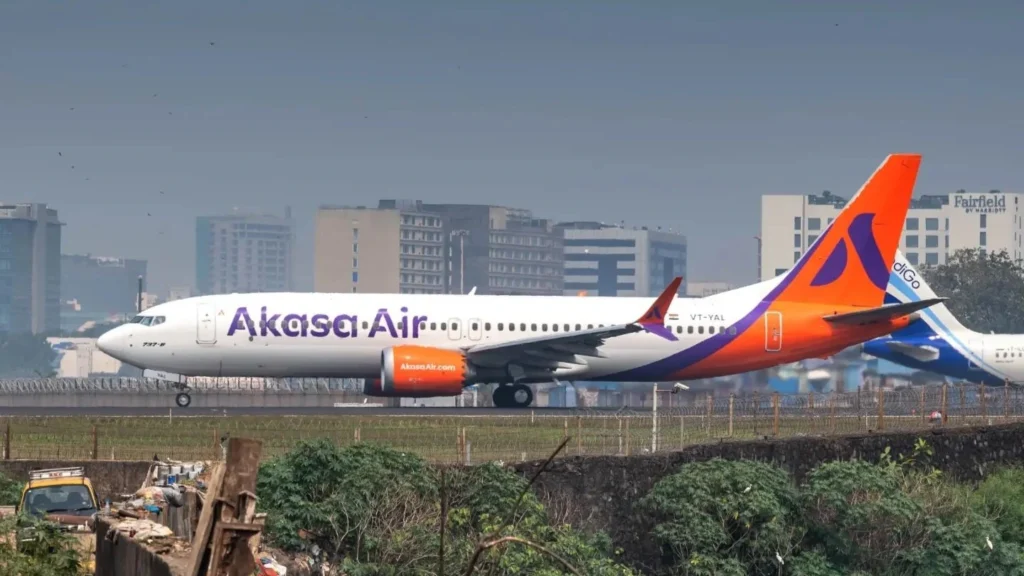
New Pilot Rosters for Akasa
The updated structure will introduce two work patterns designed to provide more predictable working and rest periods. One option, known as the 25/9 pattern, includes 25 working days and nine guaranteed days off in a month.
A second option, the 6-2-6-3 pattern, consists of six working days followed by two days off, then another six working days followed by three days off. The arrangements offer pilots alternatives to the standard roster as the airline adjusts staffing to support its expanding flight schedule.
The changes come amid continued aviation industry attention to pilot fatigue and Flight Duty Time Limitations (FDTL). Revised Directorate General of Civil Aviation (DGCA) rules require 48 hours of weekly rest, up from 36 hours, and place limits on night landings.
Stricter rest requirements can increase the number of pilots airlines need to operate the same schedule. More flexible rosters and improved compensation may therefore help airlines manage workforce requirements while addressing pilots’ work-life balance.
Akasa Air’s Fleet and Route Expansion
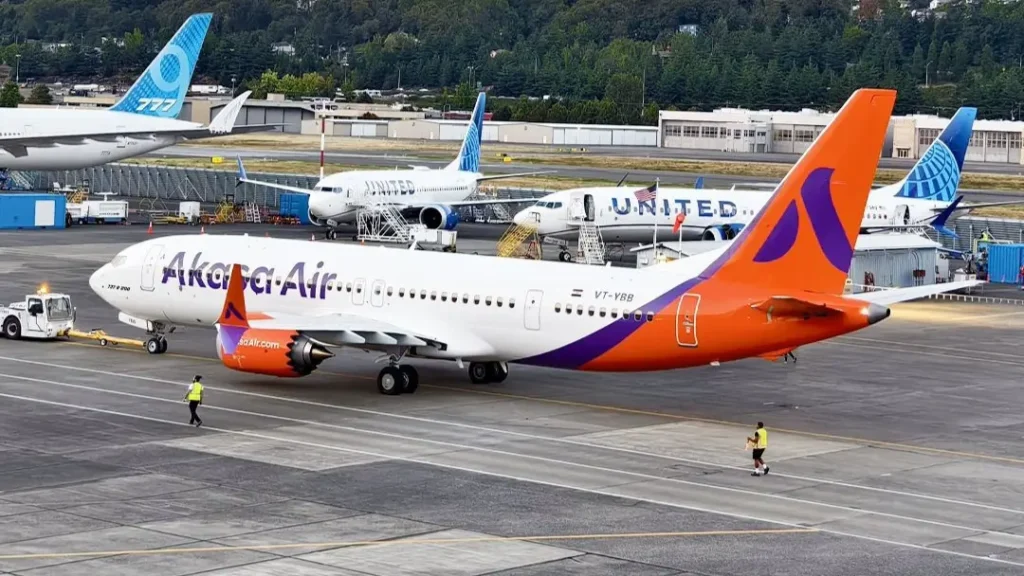
Akasa Air currently operates 45 Boeing 737 MAX aircraft and has more than 800 pilots, according to the PTI report. The airline also has a firm order for 226 Boeing 737 MAX aircraft, providing a foundation for its planned fleet growth.
The carrier began commercial operations in August 2022 and has continued building its domestic and international network. Alongside its existing pilot bases in Mumbai and Bengaluru, Akasa plans to establish additional bases in Cochin (COK) and Kolkata (CCU).
The new bases could support crew deployment as more aircraft enter service, and the route network expands. Akasa Air also raised pilot salaries by up to 40% in 2023, according to an earlier Economic Times report, reflecting the competitive market for experienced flight crew.
The latest changes combine higher pay, more annual leave and additional roster choices as the airline prepares for further growth.
Their implementation from January 2027 will come as Indian carriers continue adapting pilot staffing and scheduling to operational demand and regulatory rest requirements.
Stay tuned with us. Further, follow us on social media for the latest updates.
Join us on Telegram Group for the Latest Aviation Updates. Subsequently, follow us on Google News
