

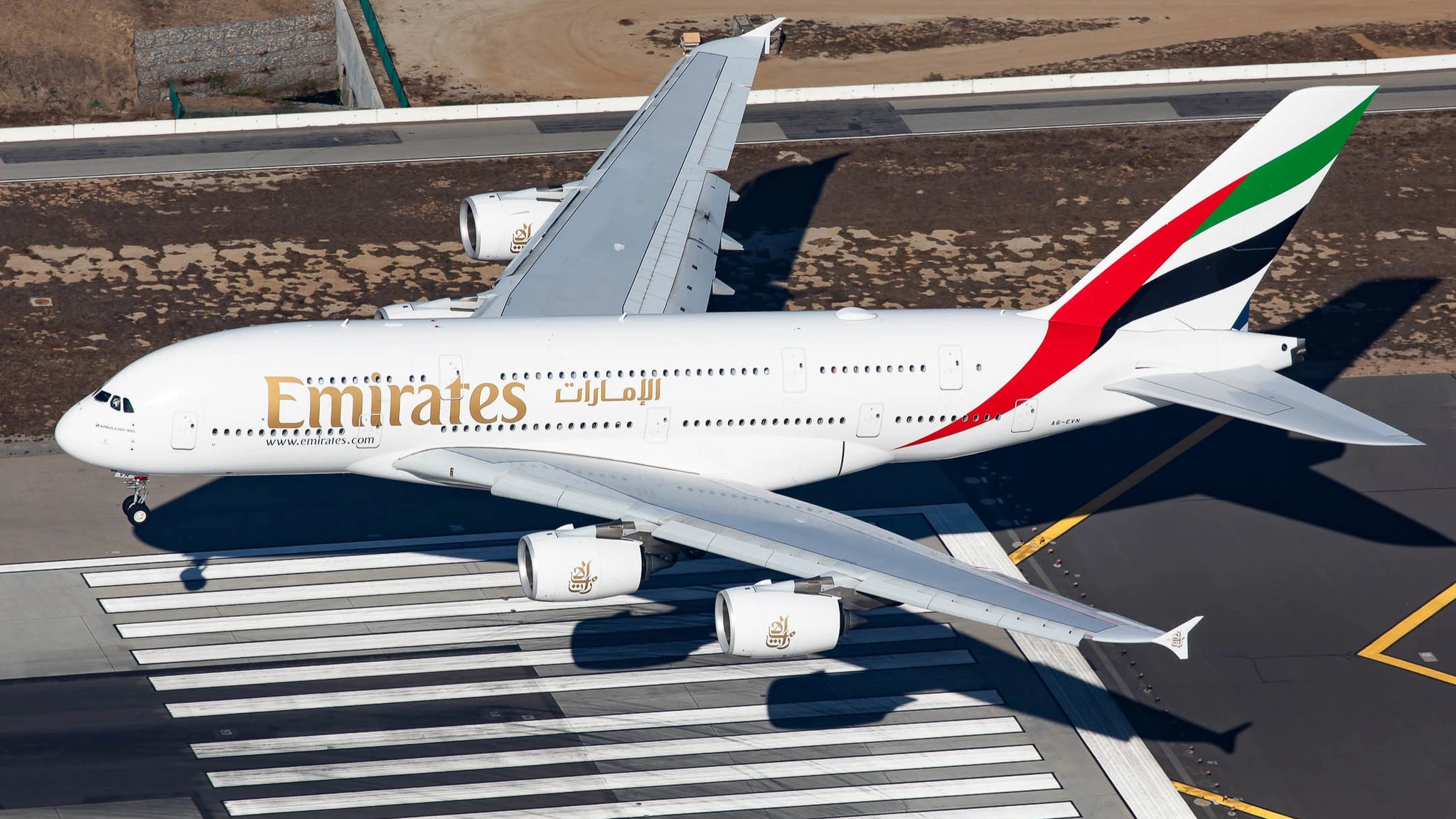
DUBAI– The Airbus A380 remains one of the most recognisable passenger aircraft in commercial aviation, but its future is increasingly tied to a shrinking fleet of operators. Since Airbus ended production in 2021, airlines have faced the challenge of finding suitable aircraft to replace the superjumbo on some of the world’s busiest international routes.
Emirates (EK), the largest A380 operator, has continued investing in the aircraft, while other carriers, including Singapore Airlines (SQ), have gradually adjusted their widebody fleets. With Dubai International Airport (DXB) among the major hubs built around high-capacity operations, the industry needs an aircraft that can carry substantial passenger numbers without the operating costs associated with four-engine aircraft.
Boeing 777-9 Leads Future Aircraft Replacement
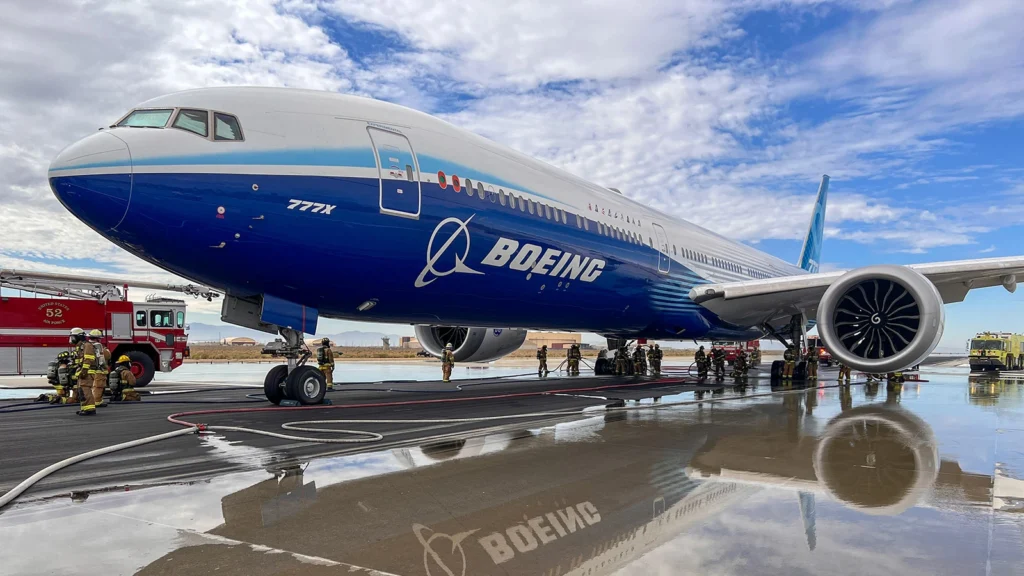
The Boeing 777-9 is emerging as the strongest candidate to take over some of the A380’s busiest routes. As the largest variant of the 777X family, it combines a twin-engine configuration with a widebody design intended for long-distance international operations.
Unlike the A380, which has two passenger decks and four engines, the 777-9 uses two GE Aerospace GE9X turbofan engines. These engines are designed to deliver greater efficiency while providing the power needed for demanding long-haul operations.
Boeing has designed the aircraft to carry between 375 and 450 passengers in a typical two-class configuration, depending on the cabin layout.
Although this falls below the A380’s usual capacity of approximately 500 to 600 passengers, the smaller aircraft offers airlines greater flexibility when managing demand.
The 777-9 also has a published range of up to 8,000 nautical miles, allowing it to serve major intercontinental markets. Its folding wingtips provide another operational advantage by reducing its wingspan while parked on the ground.

Capacity And Efficiency Drive Aircraft Selection
Replacing an A380 does not necessarily mean finding another aircraft with the same number of seats. Airlines must also consider fuel consumption, maintenance expenses, airport compatibility and the ability to fill available seats profitably.
The A380 can accommodate more than 800 passengers in a high-density, all-economy configuration. However, maintaining such a large aircraft becomes challenging when passenger demand fluctuates, particularly on routes that experience seasonal changes.
The 777-9 addresses this challenge through a smaller capacity and a more efficient twin-engine design. Boeing claims that the aircraft will deliver 20% lower fuel consumption and emissions, alongside a 40% smaller noise footprint compared with the aircraft it is designed to replace.
These improvements could make the aircraft attractive to airlines operating long-haul services where demand remains strong but does not consistently justify an A380-sized aircraft.
Flexible Cabin Design Enhances Passenger Experience
Passenger experience will also influence which aircraft eventually replaces the superjumbo. The A380 has built its reputation around spacious cabins, premium suites, onboard lounges and other facilities that distinguish it from conventional widebody aircraft.
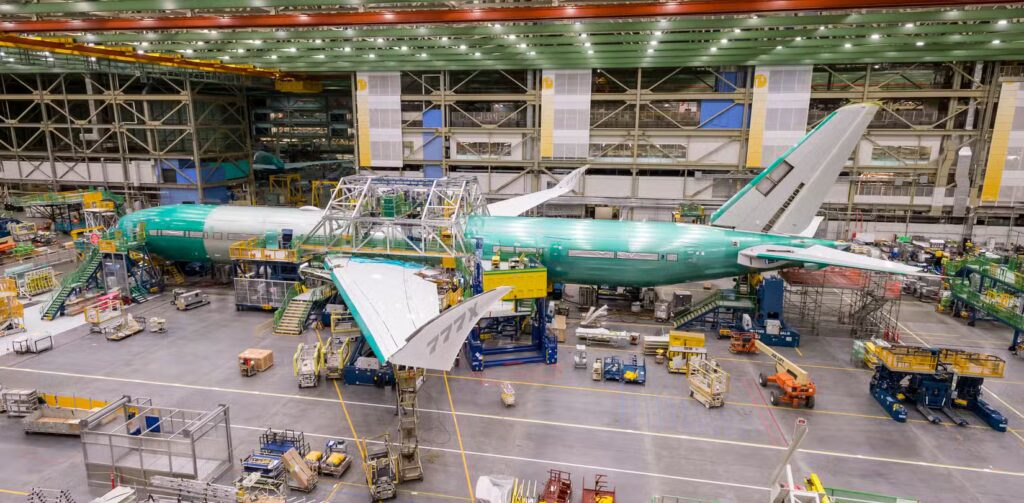
The 777-9 cannot reproduce the A380’s second passenger deck, but its larger cabin and modern interior architecture provide airlines with opportunities to introduce premium seating, spacious business-class suites and improved economy products.
Boeing has also incorporated features from its 787 Dreamliner programme, including larger windows, modern cabin lighting and an improved passenger environment. Airlines can adjust cabin configurations to respond to changing demand for business-class and economy seats.
However, the aircraft’s arrival has faced considerable delays. Boeing’s latest October 2026 update continues to target the first 777-9 delivery in 2027, while certification work remains ongoing, Simple Flying reported.
Ultimately, the Boeing 777-9 is unlikely to become a direct replacement for every Airbus A380 operation. Instead, it could take over many high-capacity routes by offering airlines a balance between passenger numbers, operating efficiency and long-distance performance.
The superjumbo may remain unmatched in size, but the 777-9 could define the next generation of high-capacity commercial aviation.
Stay tuned with us. Further, follow us on social media for the latest updates.
Join us on Telegram Group for the Latest Aviation Updates. Subsequently, follow us on Google News
