

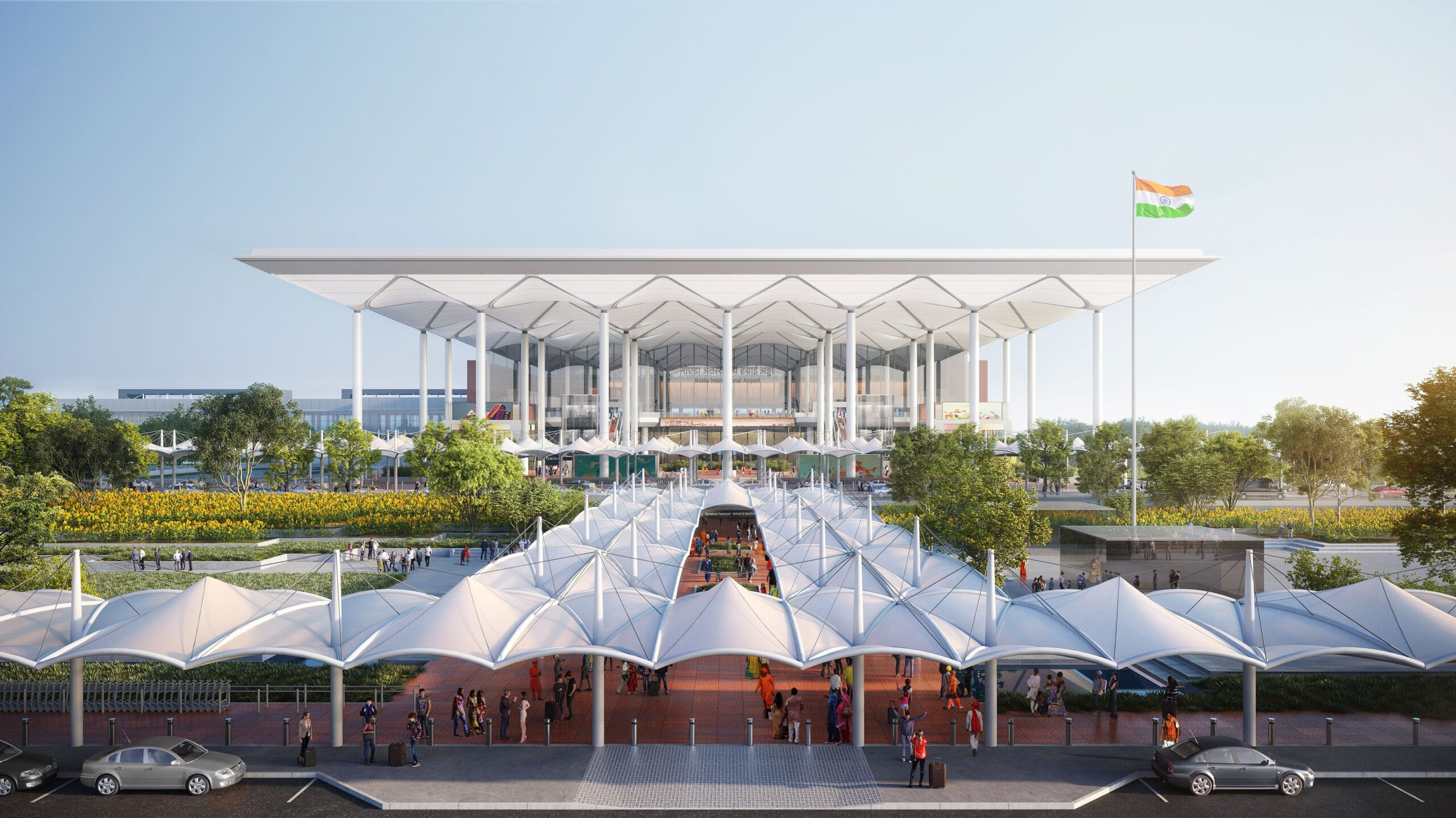
LUCKNOW– The Uttar Pradesh Cabinet has approved renaming Noida International Airport (DXN) in Jewar as Narendra Modi International Airport, Noida-Jewar, Chief Minister Yogi Adityanath announced on October 9, 2026. The decision gives a new name to a major greenfield aviation project serving the National Capital Region (NCR).
The airport complements Delhi’s Indira Gandhi International Airport (DEL) and aims to expand passenger capacity, improve regional connectivity and reduce pressure on the capital’s existing aviation infrastructure.
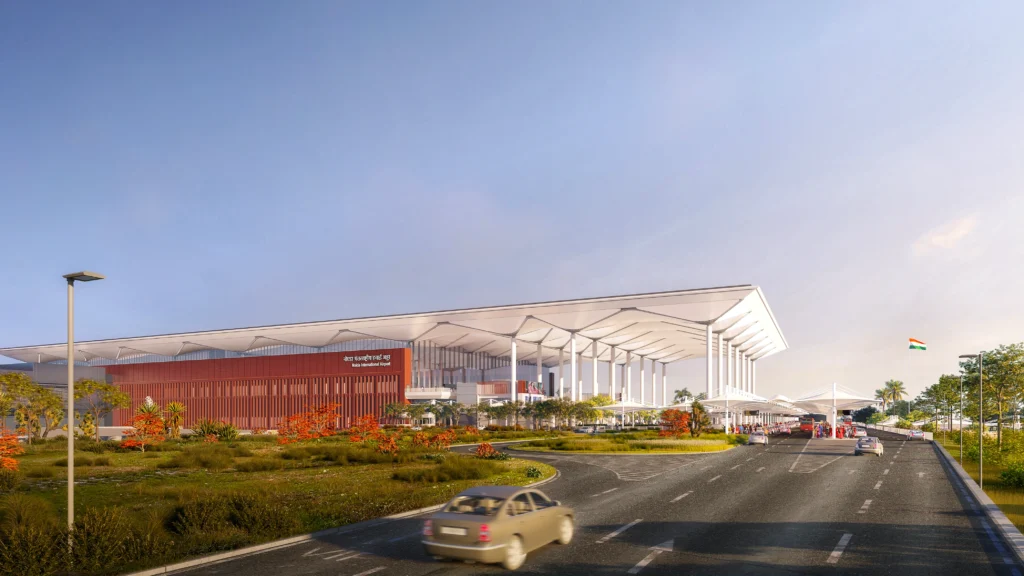
Narendra Modi International Airport: A New Name for Jewar Airport
The Uttar Pradesh government has approved naming the airport after Prime Minister Narendra Modi. Located in Jewar, Gautam Buddha Nagar district, the facility is designed to serve Noida, Greater Noida, Delhi and surrounding regions.
The airport was developed under a public-private partnership between Yamuna International Airport Private Limited (YIAPL), a wholly owned subsidiary of Zurich Airport International AG, and the governments involved in the project.
The development combines Swiss aviation engineering with Indian architectural influences. Its location in western Uttar Pradesh also provides access to travellers from nearby cities, including Agra, Mathura, Aligarh, Ghaziabad and Meerut.
The airport’s renaming comes as it begins its role in India’s expanding aviation network. The Uttar Pradesh government expects the facility to become a major transport hub supporting regional economic growth and passenger travel.
Airport Capacity and Expansion Plans
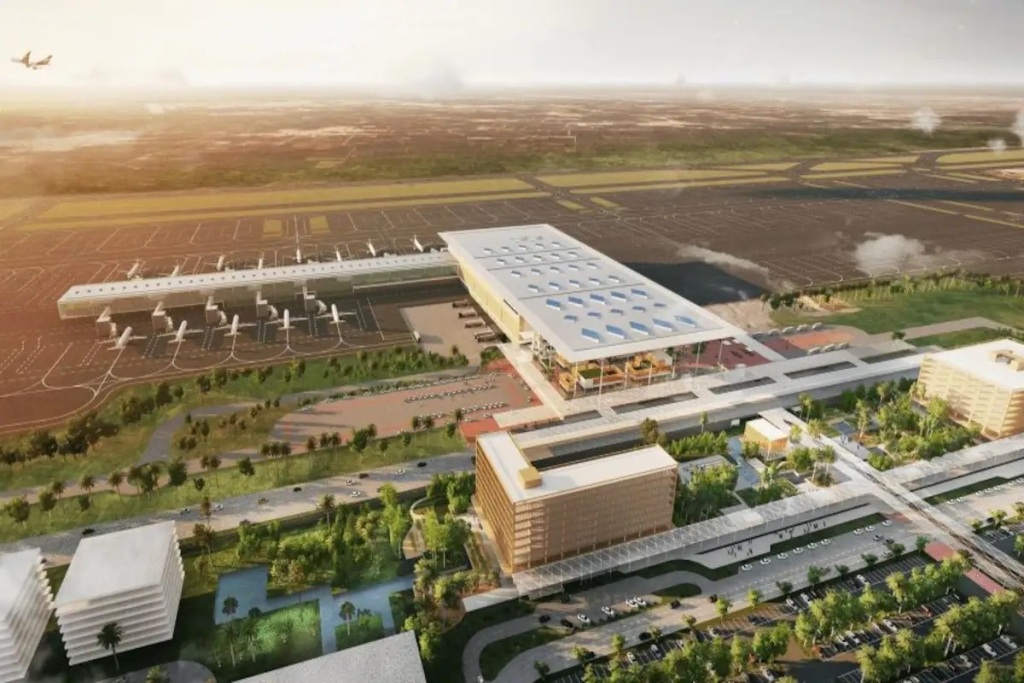
The airport’s first phase features one runway and one passenger terminal designed to handle up to 12 million passengers annually. The wider master plan allows further development as passenger demand increases.
Once fully developed, the airport is planned to accommodate up to 70 million passengers per year. The expansion will involve additional infrastructure, including more runways and terminal capacity.
The second phase is expected to become operational in 2031-32, according to the supplied project timeline. The phased approach will allow the airport to increase capacity as airlines expand their operations and traffic grows.
Commercial Operations Began in June 2026
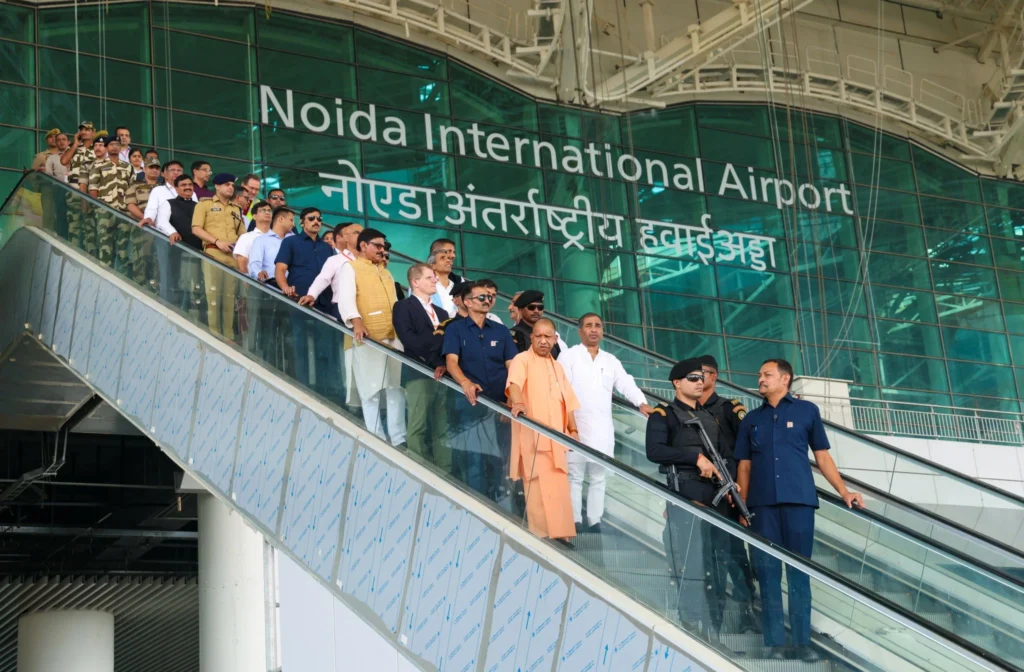
Prime Minister Narendra Modi inaugurated the first phase of Noida International Airport on March 28, 2026. Commercial flight operations began on June 15, 2026, when IndiGo (6E) became the first airline to operate from the airport.
The launch initially focused on domestic services, with additional airlines and international connections planned as operations developed.
The airport’s opening added a second international airport to the Delhi-NCR region, providing airlines with another option for serving one of India’s largest aviation markets.

Connectivity With Delhi and Western Uttar Pradesh
The airport connects to the wider region through the Yamuna Expressway and planned multimodal transport links. These connections are intended to improve access for passengers travelling from Noida, Greater Noida and other parts of western Uttar Pradesh.
Its location also offers an alternative to Delhi’s Indira Gandhi International Airport (DEL), which handles a substantial share of the region’s domestic and international air traffic.
By distributing passenger demand between two airports, the new facility is expected to help improve the region’s long-term aviation capacity. The scale of that impact will depend on airline schedules, passenger demand, surface transport links and future infrastructure development.
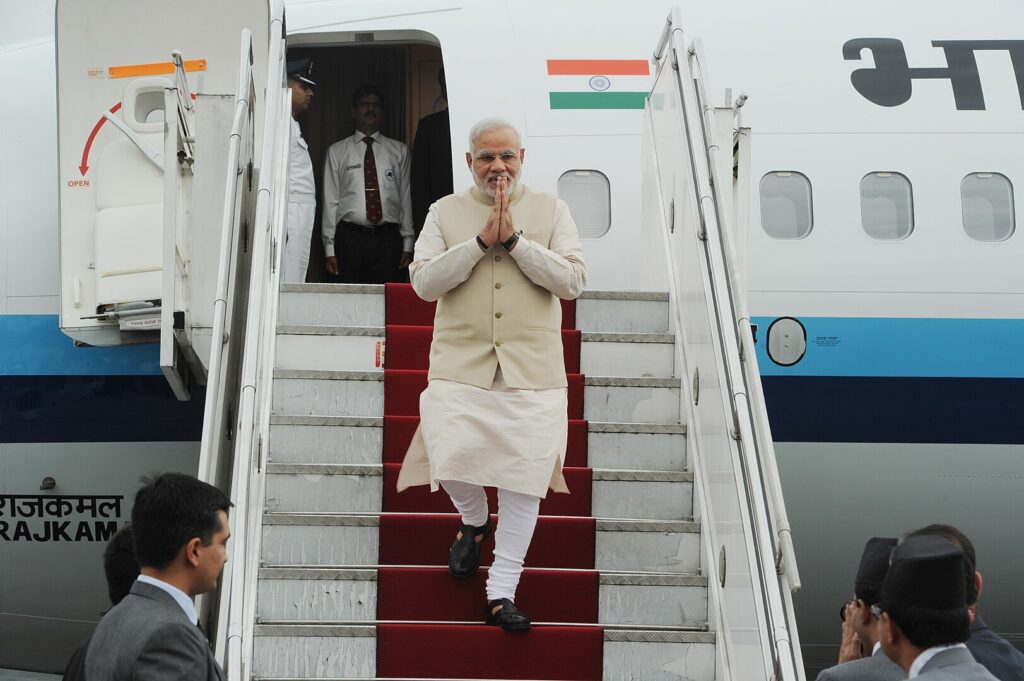
What the Renaming Means for India’s Aviation Sector
The new name places the airport among major infrastructure projects named after national political leaders. However, its long-term importance will depend primarily on its operational performance, airline network, passenger experience and ability to expand.
With an initial capacity of 12 million passengers annually and a long-term target of 70 million, the airport has been planned for substantial growth. Its development will be closely linked to demand across Delhi-NCR and western Uttar Pradesh.
The airport’s expansion also creates opportunities for airlines, cargo operators, ground-handling companies and other aviation businesses. Continued investment in transport links and airport infrastructure will be important to support that growth.
The approved renaming marks a new chapter for the Jewar project as it develops into an additional gateway for the National Capital Region.
Stay tuned with us. Further, follow us on social media for the latest updates.
Join us on Telegram Group for the Latest Aviation Updates. Subsequently, follow us on Google News
