

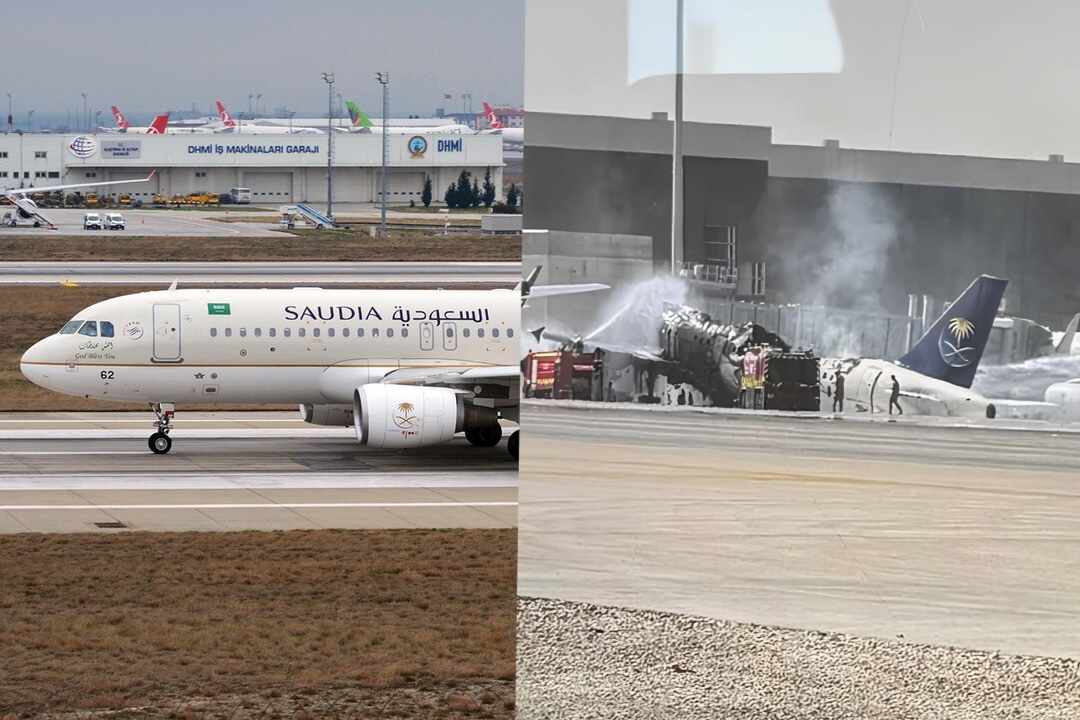
JEDDAH- Two attacks at King Khalid International Airport (RUH) in Riyadh, Saudi Arabia, on Thursday, October 8, killed 3 Saudi citizens, including a Saudia Airlines (SV) pilot, and injured several others, according to Saudi aviation authorities.
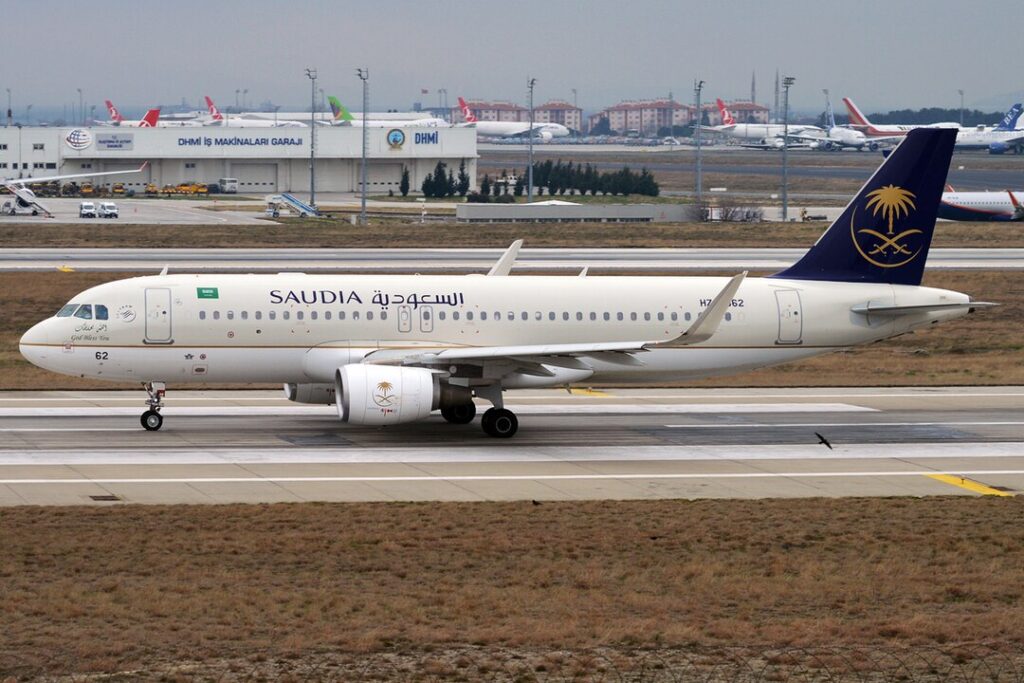
The Houthi movement in Yemen claimed responsibility for the latest attack, which damaged a Saudia aircraft. The incidents followed earlier strikes on King Khalid International Airport (RUH), Riyadh, and Abha International Airport (AHB), Abha, that killed 3 people and injured 36 on October 6 and 7.

Riyadh Airport Attacks
Saudi Arabia’s General Authority of Civil Aviation (GACA) reported 2 attacks on Thursday, October 8. The first targeted facilities at King Khalid International Airport, while the second struck a Saudia aircraft on the ground.
According to a report by Times of India, the aviation authority confirmed that three Saudi nationals had been killed and several others injured. Saudia Group confirmed the aircraft damage and the death of a pilot.
The pilot was Captain Hamoud Ali Alkalthami, a member of the Saudi national carrier’s flight crew. The Associated Press reported that the aircraft was on the ground and had no passengers aboard when it was damaged. The injuries among those affected ranged from minor to serious.
The aviation authority did not initially identify those responsible for the attacks. However, the Houthi movement, an Iran-backed group based in neighbouring Yemen, claimed to have targeted the airport with a ballistic missile.
Saudi Civil Defence personnel also responded to the incident following a reported missile launch attributed to the Houthi militia.
Airport Operations and Flight Disruptions
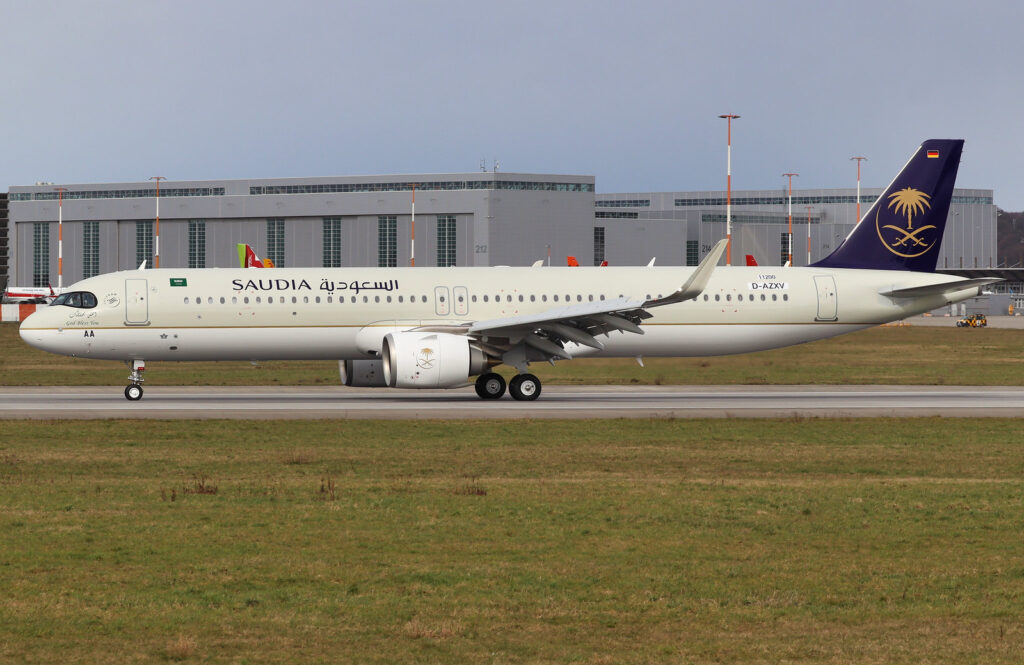
King Khalid International Airport resumed normal operations after the attacks. Saudia Group said airport operations had returned to normal by 6 PM local time on Thursday.
However, heightened security concerns affected airline schedules. Reuters reported on October 8 that Lufthansa Group planned to suspend flights to Riyadh through October 16.
IndiGo (6E) cancelled flights to and from Riyadh until October 9, while Air India and Akasa Air announced suspensions through October 10.
An Air India flight travelling from Delhi to Riyadh returned to Delhi, and Akasa Air cancelled two scheduled services.
These measures reflected concerns about operating in Saudi airspace amid renewed Houthi threats. Passengers were advised to verify their flight status with their respective airlines and follow official travel updates.
Earlier Attacks on Riyadh and Abha Airports
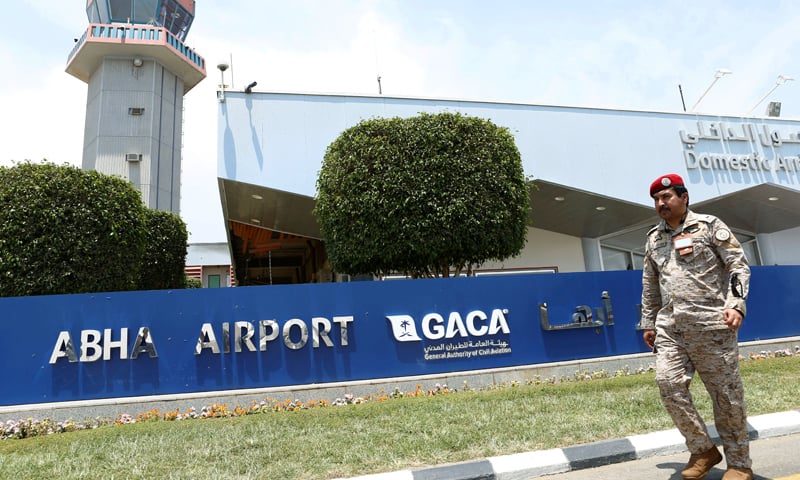
The October 8 attacks came after separate strikes on King Khalid International Airport and Abha International Airport on October 6 and 7. Saudi aviation authorities reported three deaths and 36 injuries from those earlier incidents.
At Abha International Airport, two people were killed and 28 injured. At King Khalid International Airport in Riyadh, one person was killed and eight injured.
These figures relate to the earlier attacks and are separate from the three deaths reported following the October 8 incidents.
The repeated attacks heightened concerns about civilian aviation and airport security across Saudi Arabia. They also increased pressure on authorities to protect airport facilities, airline personnel and passengers amid the escalating conflict involving Houthi forces in Yemen.
Following the attacks on civilian infrastructure, Saudi-led coalition forces said they had destroyed 82 military targets belonging to the Houthi militia in Yemen.
The reported operation formed part of the coalition’s response to attacks on Saudi civilian facilities.
According to a reports, the targets included missile storage facilities, command-and-control centres, communications systems, weapons depots and locations used by Houthi forces. The coalition said the operation targeted military positions in several Yemeni governorates.
The exchange of attacks highlighted the wider security risks associated with the conflict. The targeting of civilian airports has consequences beyond the immediate damage, including risks to airport workers, passengers and international air traffic.
Indian Embassy Issues Safety Advisory
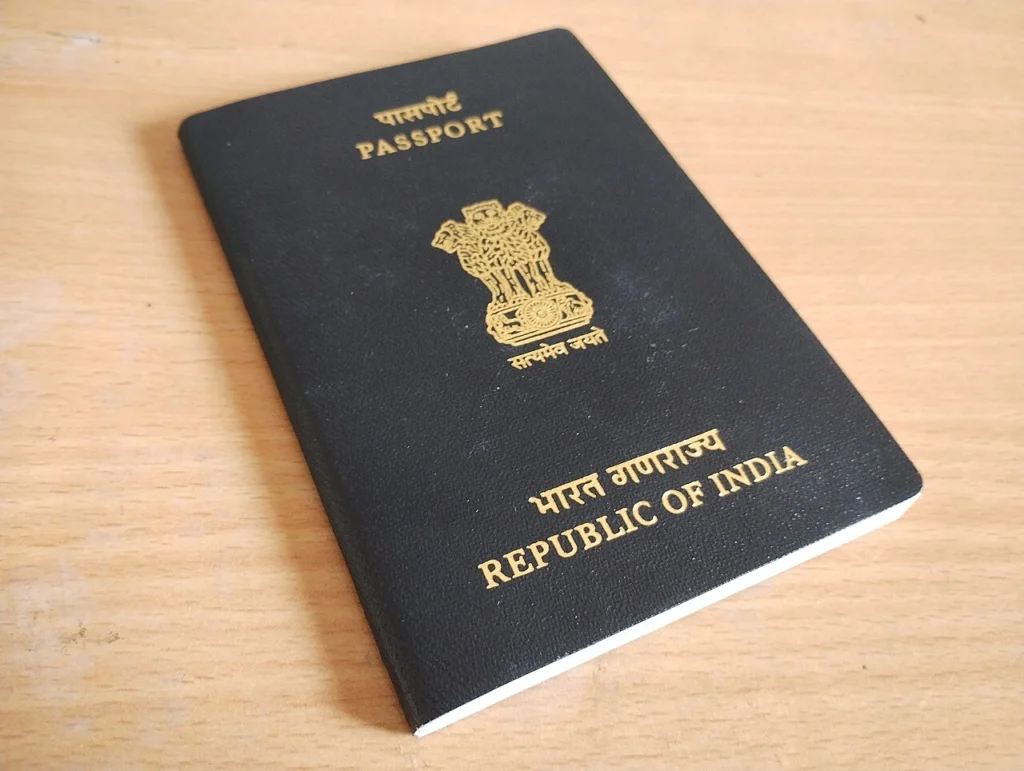
Amid the heightened security situation, the Indian Embassy in Riyadh advised Indian nationals living in Saudi Arabia to remain alert and follow instructions issued by local authorities through official channels.
The advisory asked Indian citizens to stay indoors when necessary and avoid circulating or reposting videos and news reports related to the ongoing events. The embassy urged nationals to rely on verified information and follow official safety instructions.
The Embassy of India in Riyadh and the Consulate General of India in Jeddah continued to operate normally, including their outsourced services through VFS. The mission said it would issue additional updates and advisories as required.
Indian nationals needing assistance were advised that the 24-hour helpline of the Pravasi Bharatiya Sahayata Kendra (PBSK) remained available at 8002471234, a toll-free number in Saudi Arabia.
India Condemns Attacks on Civilian Infrastructure
India condemned the attacks on King Khalid International Airport and Abha International Airport, describing the targeting of civilian infrastructure as “completely unacceptable.”
In its statement, the Ministry of External Affairs said the attacks had resulted in civilian deaths and injuries. It expressed condolences to the families of those killed and wished those injured a speedy recovery.
India’s response stressed the need to protect civilian infrastructure during armed conflicts. Airports support passenger travel, commercial transport and essential services, making their security a significant concern for governments, airlines and international travellers.
The attacks on Riyadh airport and the damage to the Saudia aircraft underscored the risks facing regional aviation. Although airport operations resumed, flight suspensions and security advisories demonstrated the continuing impact of the conflict on international air travel.
Stay tuned with us. Further, follow us on social media for the latest updates.
Join us on Telegram Group for the Latest Aviation Updates. Subsequently, follow us on Google News
