

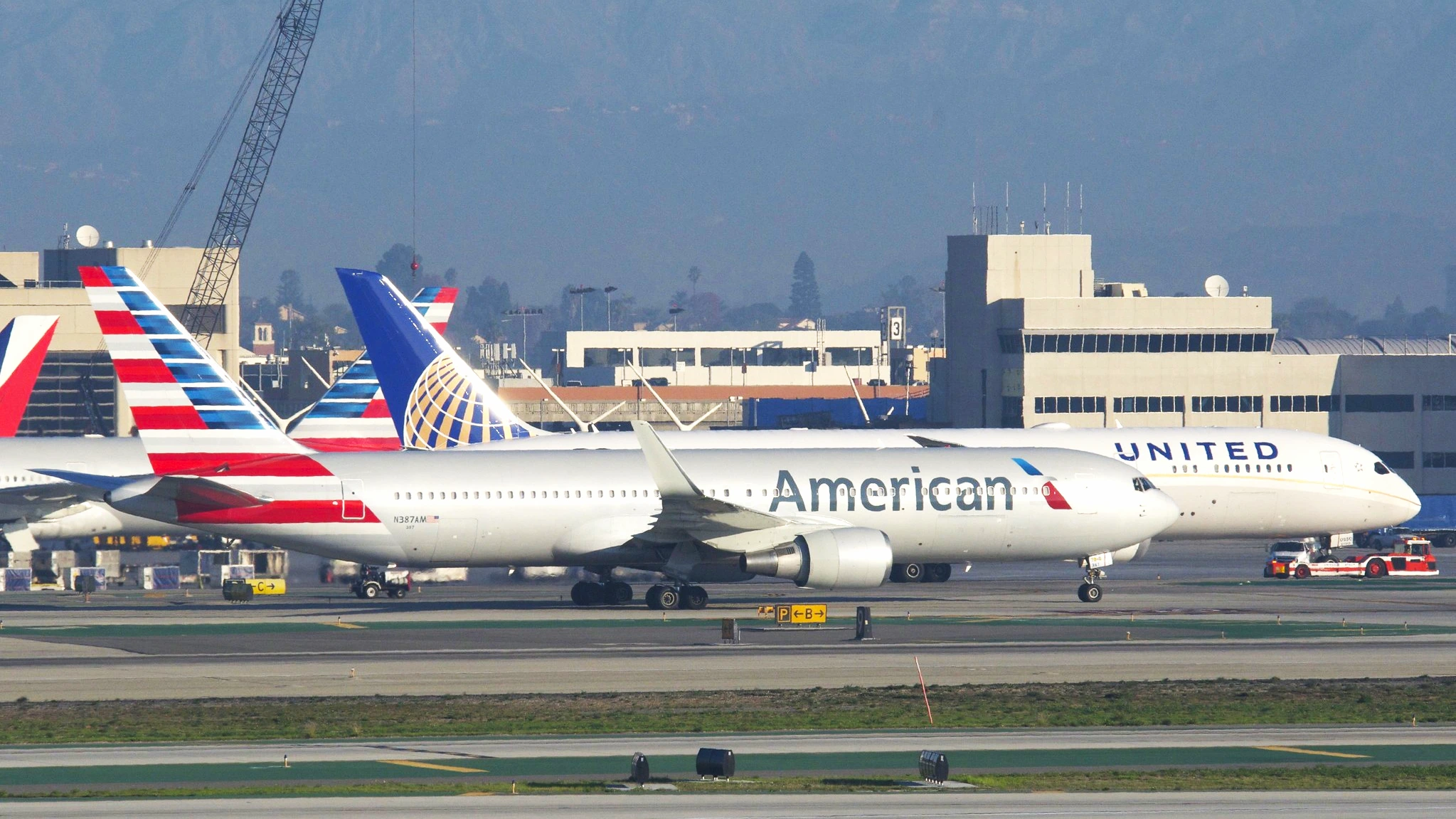
SEATTLE- US Airlines has faced a prolonged legal dispute over California meal-break requirements. At the same time, the FAA has moved toward federal rules that would prevent aircrew from relying on state-mandated meal breaks.
The proposed FAA rule has drawn opposition from 3 major US flight attendant unions. They argue that the agency lacks authority to simply declare state meal-break laws preempted and warn that removing those protections without a national meal-break standard could create legal and operational uncertainty.
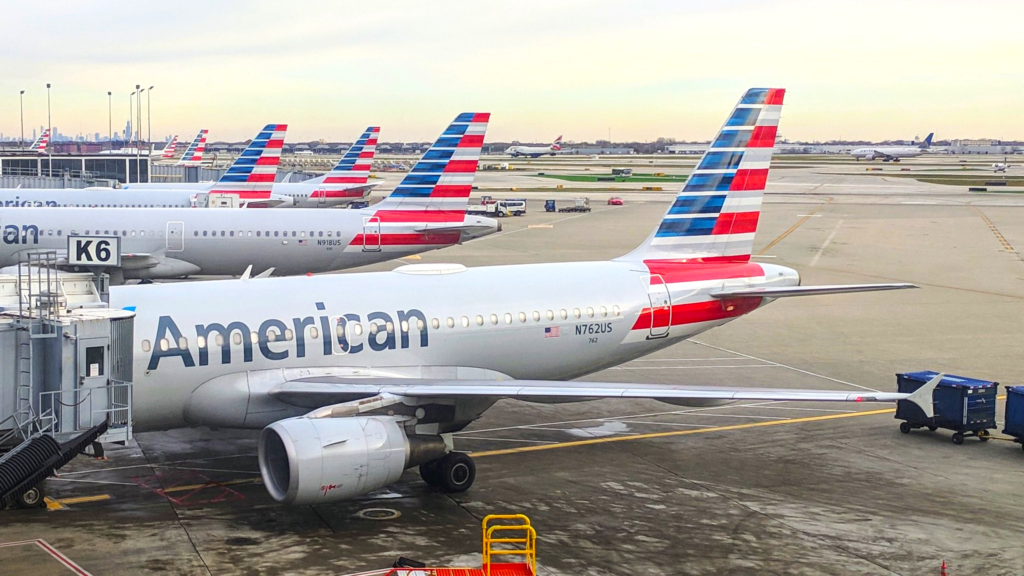
FAA Meal Break Proposal Draws Strong Union Opposition
The FAA plans to use federal rulemaking to prevent pilots and flight attendants from claiming mandatory meal breaks provided under state law.
The agency has said state requirements are preempted by the Airline Deregulation Act of 1978 because they can have a significant effect on airline prices, routes, and services.
Three major unions have challenged that approach: the Association of Flight Attendants-CWA (AFA-CWA), the Association of Professional Flight Attendants (APFA), and the International Association of Machinists & Aerospace Workers (IAM).
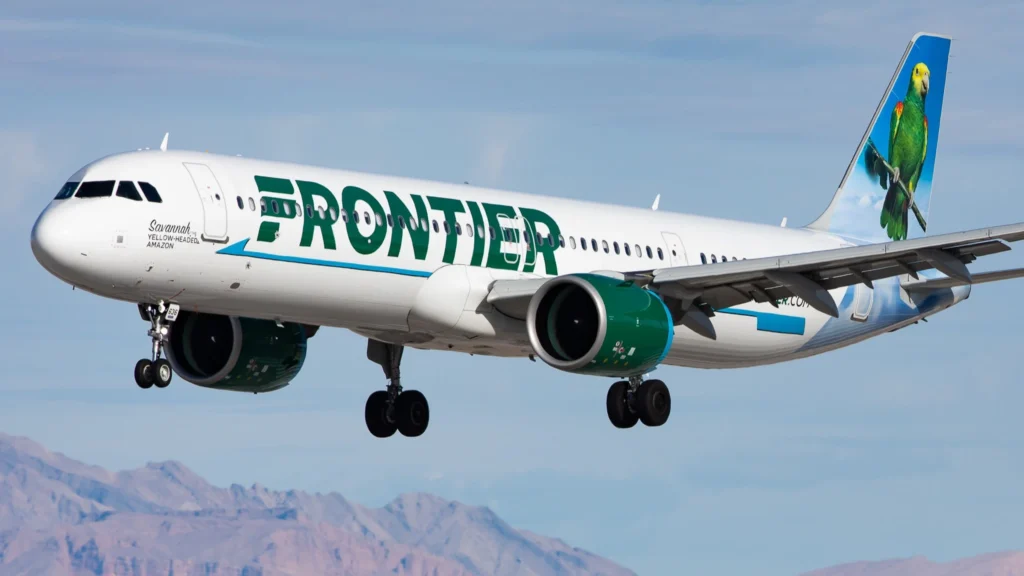
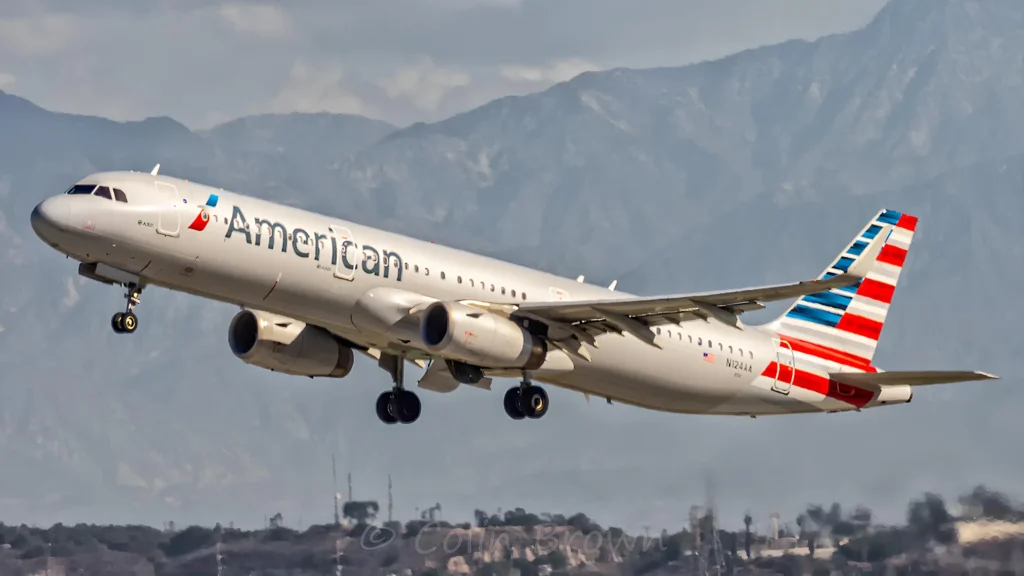
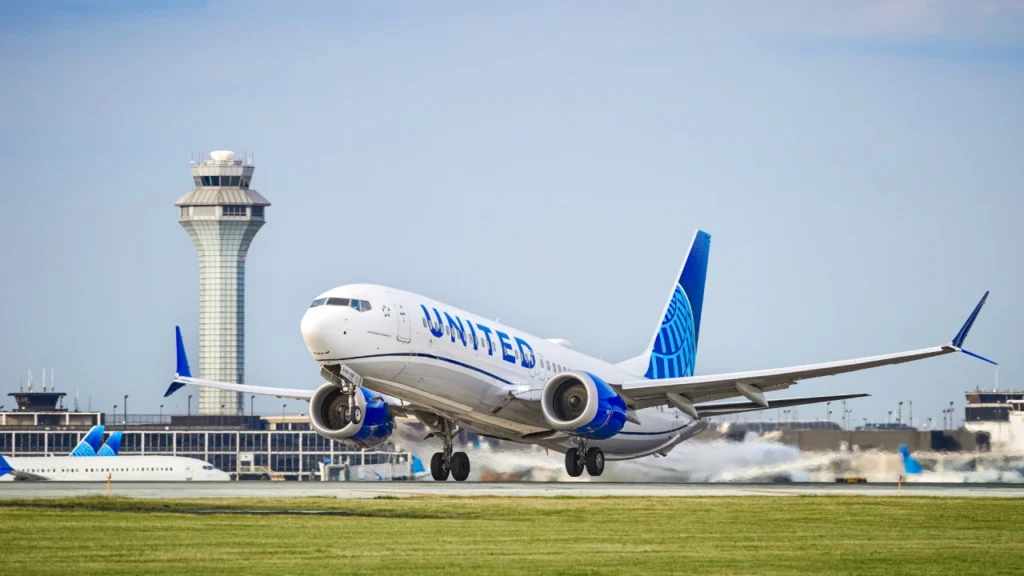
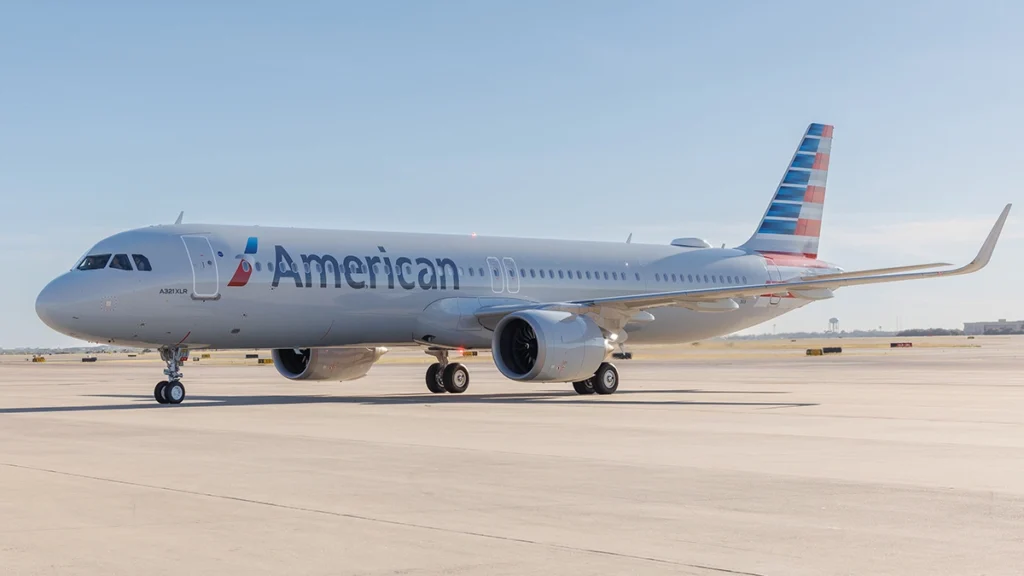
AFA-CWA represents flight attendants at airlines including Alaska Airlines, Hawaiian Airlines, Frontier Airlines, and United Airlines. APFA represents flight attendants at American Airlines. IAM represents crew members at airlines including JSX and National Airlines.
The unions argue that the FAA is attempting to settle a legal question that should be determined by the courts. They say an agency cannot establish broad federal preemption merely by declaring that an entire category of state laws is preempted.
The unions described the FAA’s approach as unlawful and argued that courts, rather than agencies, determine when federal preemption applies.
The FAA’s proposed rule would exempt aircrew from state-level meal-break requirements that the agency considers preempted by federal law.
The proposal would not create a nationwide requirement guaranteeing flight attendants a specific meal break during a long duty period. Instead, the FAA has pointed to existing fatigue-management rules as the federal framework for addressing crew fatigue.
That distinction is central to the unions’ objection. They argue that removing state protections without establishing a national meal-break requirement would leave flight attendants without a consistent federal right to an uninterrupted meal period.
The dispute therefore covers two separate questions: whether state meal-break laws can legally apply to airline crews and whether federal regulations provide adequate protection for crew working conditions.
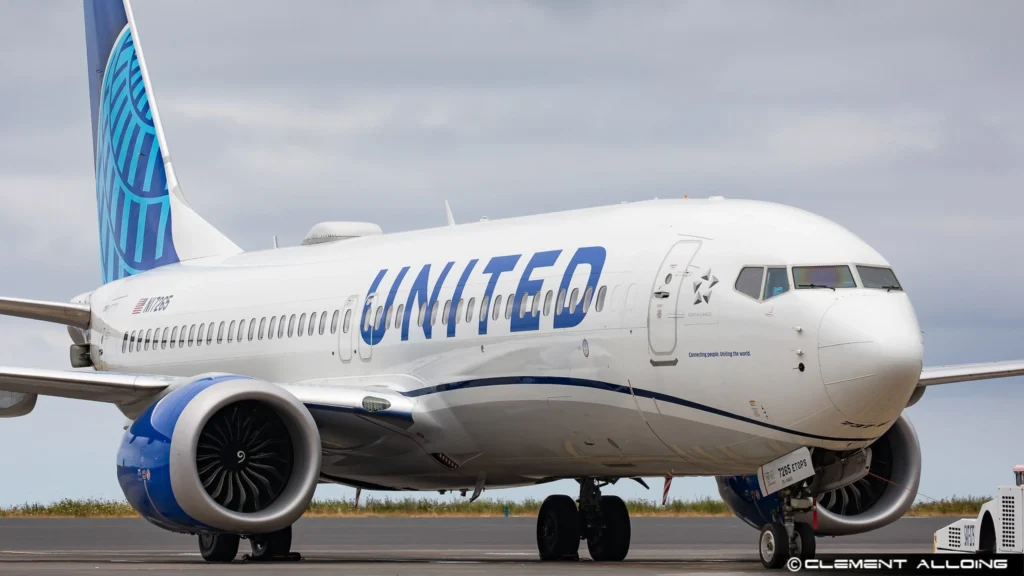
California Meal-Break Law Dispute
California has been a major focus of the legal battle because state law generally requires employees who work more than five hours to receive an uninterrupted 30-minute meal break, subject to applicable legal conditions.
Airlines have spent years contesting whether those requirements can be applied to flight attendants and other aircrew whose work is governed by federal aviation rules.
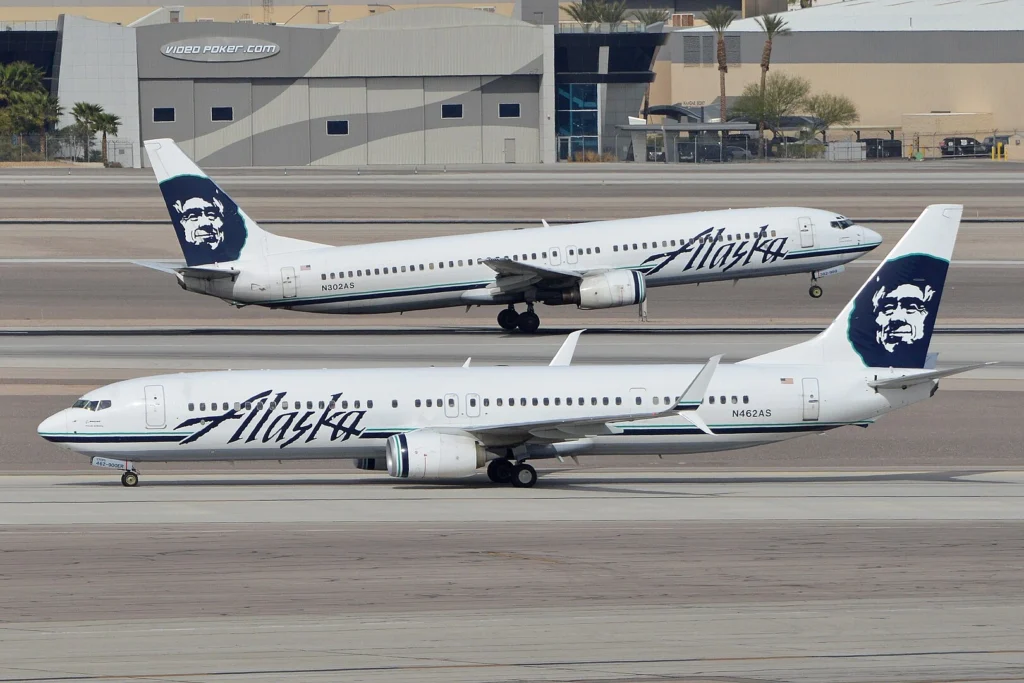
Alaska Airlines became one of the most prominent carriers involved in the dispute. After losing several significant court cases concerning California’s meal-break requirements, the airline went as far as threatening to close crew bases in the state over the issue.
The airline also sought U.S. Supreme Court review after the lower-court losses. The Supreme Court declined to hear the case, leaving the existing court decisions in place.
The dispute later became part of collective bargaining. AFA-CWA used California’s meal-break law as leverage to secure meal-break provisions in its collective bargaining agreement while supporting a carve-out from California’s meal-break requirements for aircrew.
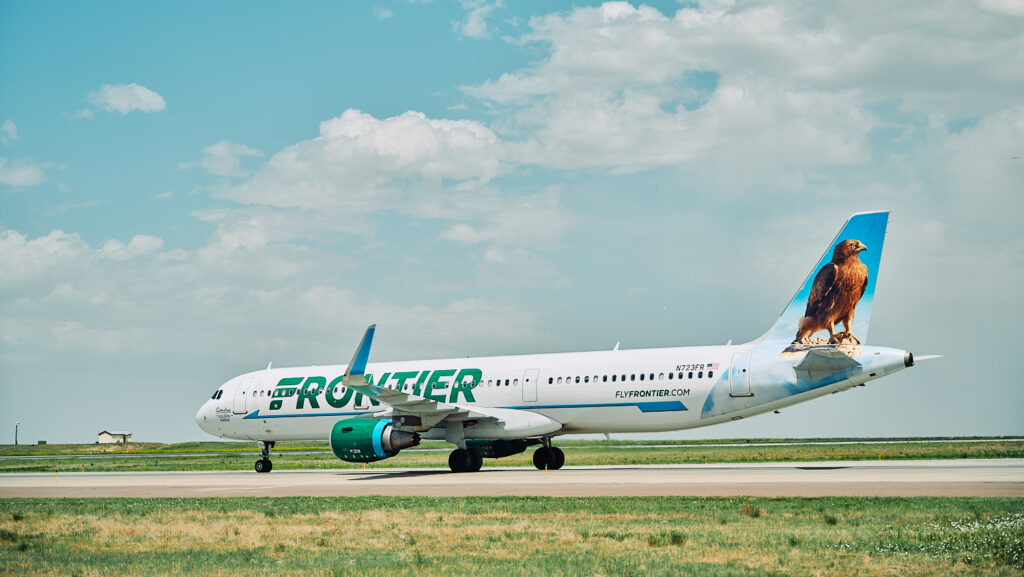
FAA Could Create More Legal Uncertainty
The unions do not believe an FAA rule would necessarily end lawsuits over state meal-break laws.
They argue that courts could still be asked to decide whether individual state requirements are actually preempted. In their view, an FAA declaration could therefore create a false sense of legal certainty for airlines without resolving the underlying judicial questions.
The unions warned that airlines could rely on the FAA’s position while continuing to face litigation from employees or other parties challenging the application of state law.
Their argument is that such a situation could produce additional uncertainty rather than provide a clear nationwide standard.
Unions Question FAA’s Safety Argument
The FAA’s proposal has also raised a direct disagreement over aviation safety.
The unions reject the idea that a flight attendant taking a scheduled meal break would fail to respond to an emergency. They specifically challenged the suggestion that a crew member would not respond to an unruly or violent passenger or an onboard fire because of a meal period.
The unions said that claim is not supported by the evidence presented in the FAA’s rulemaking record.
They also stated that flight attendants recognize passenger and crew safety as their primary responsibility. According to the unions, the FAA has not identified any incidents in which an onboard emergency was mishandled because of a state meal-break law.
This point is important to the broader argument because the FAA’s position involves both crew scheduling and safety considerations. The unions maintain that meal-break requirements do not demonstrate a conflict with flight attendants’ emergency responsibilities.
Fatigue, Burnout and Working Conditions Concerns
The unions argue that working conditions can affect fatigue, burnout, employee turnover, and the ability of flight attendants to remain focused on safety-critical responsibilities.
In their view, taking away state meal-break protections without replacing them with a stronger federal standard could allow airlines to continue working practices that contribute to difficult conditions for crews.
The unions also linked prolonged duty periods and limited access to meal periods to wider concerns about fatigue management.
Their position is that the federal government should address those working-condition issues directly instead of removing state protections without adopting a comparable national requirement.
Flight Attendant Unions Criticize Lack of Consultation
Another major source of frustration is the unions’ claim that the FAA did not adequately consult flight attendant representatives before moving forward with the proposed rulemaking.
The unions argue that the agency should have spoken with workers and other stakeholders to better understand the practical challenges associated with long duty periods, meal access, fatigue, and irregular airline operations.
They contend that the FAA’s approach appears more focused on reducing potential airline liability than on developing a protective national standard for flight attendants.
The unions argue that direct consultation could have helped the agency identify working-condition problems and consider whether federal rules should be strengthened rather than state protections removed.
What Dispute Means for Airlines and Crew
For airlines, the dispute involves scheduling, compliance, litigation risk, and the interaction between federal aviation regulation and state employment laws.
For flight attendants, the central issue is whether they can continue to rely on state-mandated meal periods or whether federal fatigue-management requirements will become the main protection for crews during long duty periods.
The outcome could also affect collective bargaining. Contractual meal-break provisions may become more important if state laws are preempted, while airlines and unions continue negotiating how meal access and fatigue should be managed during extended or irregular operations.
The issue also demonstrates the practical tension between a uniform federal operating framework and state labor protections that may impose different requirements on interstate carriers.
Questions Behind Meal-Break Fight
The broader dispute goes beyond whether flight attendants should receive meal breaks. It centers on whether the FAA can determine through rulemaking that state meal-break laws are preempted under the Airline Deregulation Act.
The FAA’s position is based on the view that state requirements can significantly affect airline prices, routes, and services.
The unions challenge that interpretation and argue that judicial review remains necessary to determine whether a particular state law is federally preempted.
The dispute therefore involves aviation regulation, labor law, federal preemption, collective bargaining, and crew safety.
Further legal and regulatory developments will determine how state meal-break protections apply to airline crews and whether federal rules replace them with a nationwide standard.
Stay tuned with us. Further, follow us on social media for the latest updates.
Join us on Telegram Group for the Latest Aviation Updates. Subsequently, follow us on Google News
