


LONDON- British Airways (BA) is urging Prime Minister Andy Burnham’s government to consider taking a stake in London Heathrow Airport (LHR) to help control the cost of its proposed £49 billion expansion.
Heathrow Airport faces concerns over rising passenger charges and a possible 4 year delay to its third runway, which could now open in 2039.
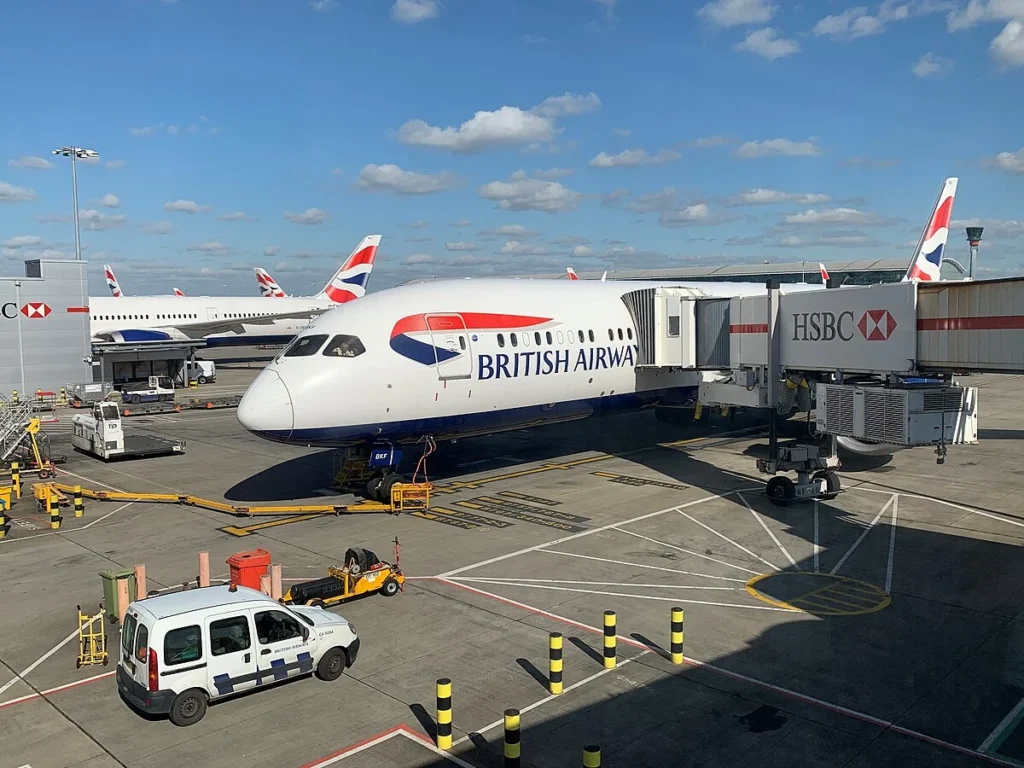
British Airways Wants Public Investment in Heathrow
British Airways is calling for the government to explore an ownership stake in Heathrow as a way to make its planned expansion more affordable.
Luis Gallego, chief executive of International Airlines Group (IAG), the parent company of British Airways, believes public investment could help reduce the financial pressure on passengers.
The proposed £49 billion programme includes a third runway, additional terminal capacity and supporting airport infrastructure. However, airlines have raised concerns about the project’s cost and the possibility that Heathrow will recover a substantial share of its investment through higher passenger charges.
In comments reported by Telegraph.co.uk, Gallego said government involvement could help prevent the expansion costs from placing excessive pressure on passengers. He explained that reducing the overall project cost should remain the priority.
The proposal does not establish that the government will invest in Heathrow. Instead, it calls for a review of alternative funding arrangements that could support expansion while limiting the financial burden on airlines and passengers.
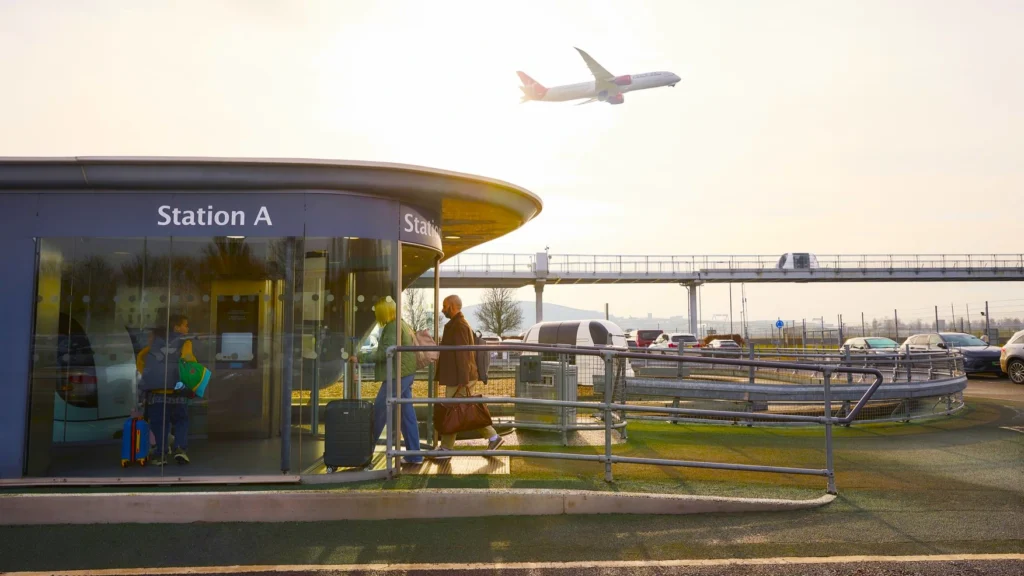
Funding Challenge
Airlines have raised concerns that Heathrow’s expansion could significantly increase airport charges. According to the reported figures, fees paid by passengers could rise from approximately £26 to £65, more than doubling under the proposed charging model.
Higher airport charges could increase airlines’ operating costs and place further pressure on ticket prices. British Airways is therefore seeking alternatives to a funding structure that relies heavily on passenger fees.
Gallego has argued that the airport and its stakeholders should consider several funding models. One possibility is to use additional revenue generated by higher passenger numbers after expansion to help finance the project.
He explained that a larger airport could attract more passengers and generate revenue that would not be available without additional capacity. The extent to which this revenue could fund construction would depend on future passenger demand, operating costs and the financial terms of the expansion.
A government stake could provide another route to financing the development, but its effectiveness would depend on the investment structure.
Public ownership would not automatically prevent higher charges unless the funding arrangement also reduced the amount that Heathrow needed to recover from passengers.
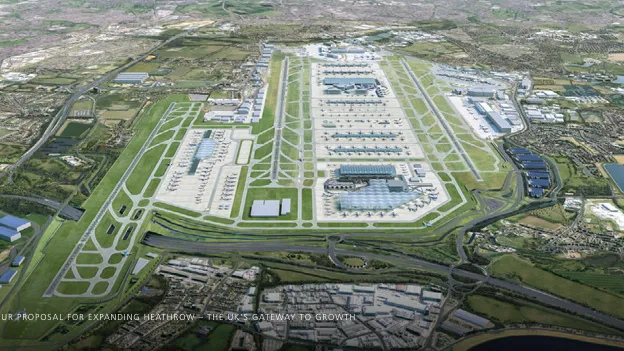
Heathrow’s Third Runway Faces Delays
Heathrow’s third runway has encountered continuing political and financial uncertainty. The proposed opening date has reportedly moved back by 4 years to 2039 after the earlier timetable associated with former chancellor Rachel Reeves was criticised as unrealistic.
The delay raises questions about the project’s funding, planning process and delivery schedule. It also adds pressure on the government to clarify its position on the airport’s long-term capacity.
Prime Minister Andy Burnham has not firmly endorsed the third runway. During the Labour conference in Liverpool, he described expansion as a contested issue and stressed that the views of people living in London should receive serious consideration.
Burnham’s position creates uncertainty for a project that requires political support and a credible funding structure. His reservations also reflect the wider debate over whether the economic benefits of expansion justify its financial and local impacts.
Gallego argues that Heathrow’s future should not be treated solely as a London issue. He believes the airport plays a central role in the United Kingdom’s economic growth, employment, international connectivity and competitiveness against major European aviation hubs.
As the country’s principal international hub, Heathrow provides connections between the UK and global markets. Gallego argues that expanding its capacity would help maintain those connections and improve access to international destinations for passengers and businesses across the country.
Public Support for Expansion
A survey commissioned by British Airways and conducted by JL Partners examined public attitudes towards Heathrow’s third runway and possible government participation in its expansion.
The survey covered 2,000 respondents and reported the following findings:
- More than 60% of respondents supported the third runway, rising to almost 70% among Londoners.
- Around 57% supported the government taking a stake in Heathrow’s expansion, with support strongest among Labour voters.
- Approximately half believed Heathrow’s existing shareholders should pay for the runway.
- Only 6% supported funding the project through higher passenger charges.
- Just 3% believed taxpayers should fund the project directly.
- Just over one in 10 respondents opposed the expansion plans.
The findings suggest that support for the third runway was relatively strong among surveyed respondents. They also indicate a preference for existing shareholders to carry much of the financial responsibility, rather than shifting the cost directly to passengers or taxpayers.
However, support for a government stake and support for direct taxpayer funding are different measures. The survey figures do not establish how a public investment should be structured or how much the government should contribute.
Because British Airways commissioned the survey, its results should be considered in that context. They provide an indication of public opinion among the respondents, rather than a definitive assessment of the views of every UK resident.
London Heathrow Stakes
Heathrow has been in private ownership since 1987. Its ownership structure is important to the debate because any government stake would need to fit within the airport’s existing investment and governance arrangements.
Heathrow Airport Holdings Limited, which operates the airport, is owned through FGP Topco Limited. Heathrow’s published ownership breakdown identifies 6 institutional investors: Ardian, Qatar Investment Authority, Saudi Arabia’s Public Investment Fund, Singapore’s GIC, Australian Retirement Trust and China Investment Corporation. Their reported stakes are as follows:
- Ardian: 32.61%
- Qatar Investment Authority: 20.00%
- Public Investment Fund of Saudi Arabia: 15.01%
- GIC of Singapore: 11.20%
- Australian Retirement Trust: 11.18%
- China Investment Corporation: 10.00%
Ardian is a French investment firm, while the other investors include sovereign wealth funds, an investment institution and a pension fund. This international ownership structure means that a potential government stake would involve decisions about the existing shareholders and the airport’s future governance.
The government could explore different arrangements, but the proposal does not specify whether it would purchase shares from current investors, provide new investment or use another financial structure. The size of any stake, the associated rights and the allocation of financial risks would also need to be determined.
Public-private partnerships are common in major infrastructure projects, including airport runways and terminals. However, the exact mechanism for government participation at Heathrow remains unresolved.
Government’s Public Ownership Agenda
The debate over Heathrow also connects with the government’s wider focus on public control of essential services.
The report places the proposed airport stake alongside railway renationalisation, public control of bus fleets and government intervention at British Steel. It also refers to Burnham’s efforts to bring water utilities into public ownership and establish a state power-grid company.
These developments provide context for the discussion about whether a critical national transport asset should have a greater public-sector role. However, the case for government involvement at Heathrow would depend on its own financial and operational merits, rather than public ownership policy alone.
A stake in Heathrow would raise questions about the balance between public accountability and commercial management. The government would need to establish how public involvement could support the expansion without creating unnecessary financial risks or weakening incentives for efficient project delivery.
The airport’s existing investors would also have a central role in any discussions about changes to its ownership structure. No specific government investment arrangement has been confirmed.
What Needs to Be Resolved Before Heathrow Can Expand?
The future of Heathrow’s third runway depends on several outstanding decisions. The government and airport stakeholders would need to agree on a credible funding model, establish how costs and revenues would be shared, and clarify the conditions under which public investment could proceed.
The funding approach will be particularly important for passengers. If Heathrow continues to depend heavily on airport charges to recover expansion costs, fees could remain under pressure. Alternative arrangements could reduce that reliance, but their effectiveness would depend on the project’s final cost and future revenue.
Political support is another key factor. Burnham’s reservations, the delay to 2039 and the continuing debate over the costs and benefits of expansion leave important questions unresolved. The project must also progress through the relevant planning and policy processes.
Heathrow declined to comment on the proposal in the original report.
British Airways’ position is clear: the government should examine whether a public stake could help deliver Heathrow’s expansion at an affordable cost. However, the proposal remains an option under discussion, not an agreed investment plan.
The outcome will depend on political decisions, negotiations with existing shareholders and a funding structure that balances airport development with the interests of passengers.
Stay tuned with us. Further, follow us on social media for the latest updates.
Join us on Telegram Group for the Latest Aviation Updates. Subsequently, follow us on Google News
