

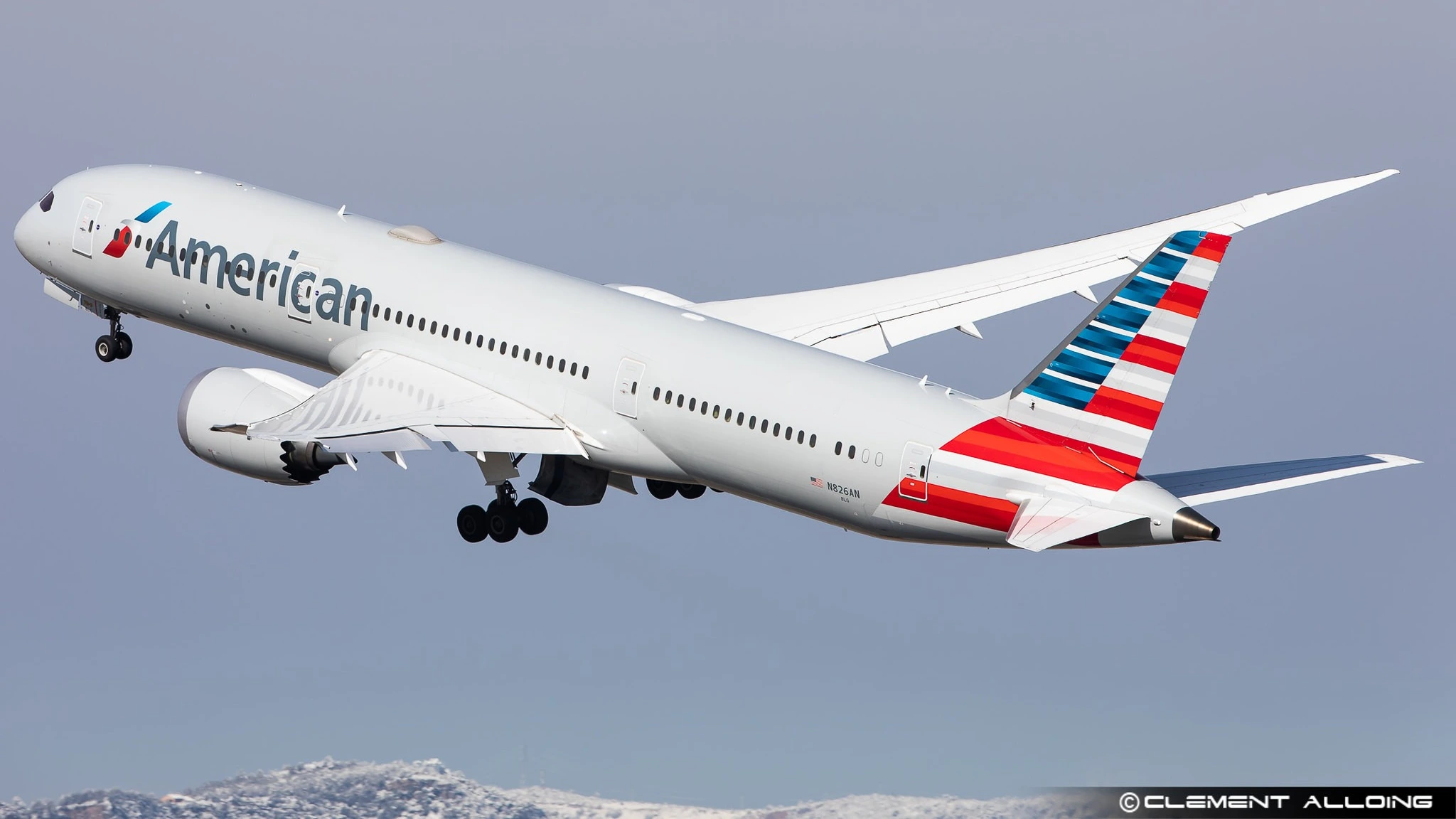
WASHINGTON, D.C.- The U.S. Federal Aviation Administration (FAA) has issued a new airworthiness directive requiring additional safety measures on affected Boeing 787-8, 787-9, and 787-10 aircraft registered in the United States.
The directive retains existing inspection requirements and mandates replacing specific leading-edge slat actuators. The new rule takes effect on November 12, 2026, and aims to prevent a potentially unsafe slat position from going undetected during flight.
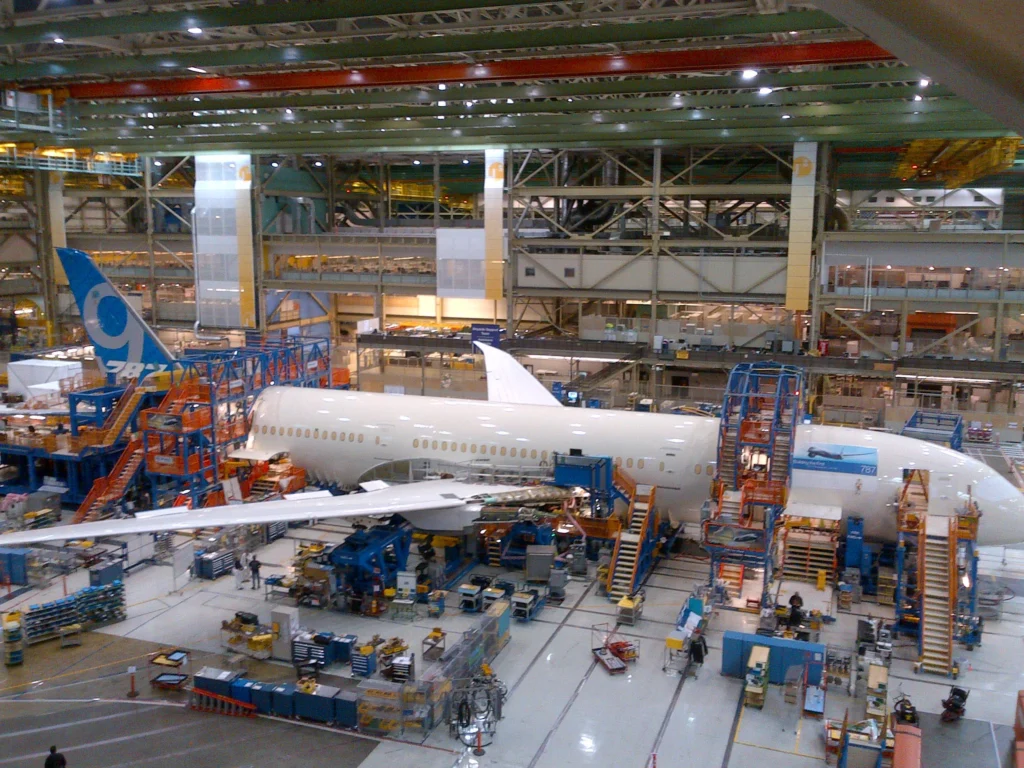
FAA Introduces New Boeing 787 Slat System Requirements
The FAA is superseding Airworthiness Directive (AD) 2019-20-07 with a new directive that introduces further corrective actions for the Boeing 787 Dreamliner family. The earlier directive required repetitive operational checks of the leading-edge outboard slats, additional maintenance actions when necessary, and changes to aircraft operating procedures and maintenance programmes.
The new directive continues those requirements while adding a mandatory replacement of the leading-edge outboard geared rotary actuator (GRA) with a leading-edge outboard lockout actuator (LEOLA) at specified slat locations. Operators must also revise their existing maintenance or inspection programmes to incorporate a new certification maintenance requirement.
The FAA developed the additional requirements after Boeing identified further actions to address the potential safety risk. The agency determined that the revised measures were necessary to maintain the continued safe operation of affected aircraft.
The directive also removes certain aircraft from its applicability, although the supplied rule summary does not identify those aircraft individually.

What Is the Safety Concern Behind the Directive?
The FAA issued the directive to address a potential condition in which the Boeing 787’s leading-edge outboard slat system could remain out of position without a corresponding flight deck annunciation.
Leading-edge slats are movable aerodynamic surfaces installed along the front of an aircraft’s wings. They help generate lift, particularly during low-speed operations such as take-off and landing.
If the slat system does not reach or maintain its intended position, the aircraft could experience reduced lift. The absence of a flight deck warning could prevent the flight crew from receiving the expected indication of the system’s condition.
According to the FAA, the unsafe condition could result in insufficient lift and an inability to maintain continued safe flight and landing if it remains unaddressed.
The new actuator requirement forms part of the regulator’s effort to address this risk through hardware changes and updated maintenance procedures.

Which Boeing 787 Aircraft Are Affected?
The earlier directive applied to Boeing 787-8, 787-9 and 787-10 aircraft. The new directive retains the existing requirements for aircraft that remain within its applicability while introducing additional corrective actions.
The FAA estimates that the new rule affects 174 aircraft registered in the United States.
| Aircraft or system | Required action |
|---|---|
| Boeing 787-8 | Comply if the aircraft remains within the directive’s applicability |
| Boeing 787-9 | Comply if the aircraft remains within the directive’s applicability |
| Boeing 787-10 | Comply if the aircraft remains within the directive’s applicability |
| Leading-edge outboard slats | Continue the required repetitive operational checks |
| Slat actuators | Replace specified geared rotary actuators with lockout actuators |
| Maintenance programme | Incorporate the new certification maintenance requirement |
| Aircraft flight manual | Retain the applicable restriction on flap retraction under icing conditions after landing |
The FAA’s rule removes certain aircraft from the applicability. Operators must therefore determine whether each aircraft in their fleets falls within the final directive’s scope before planning compliance.
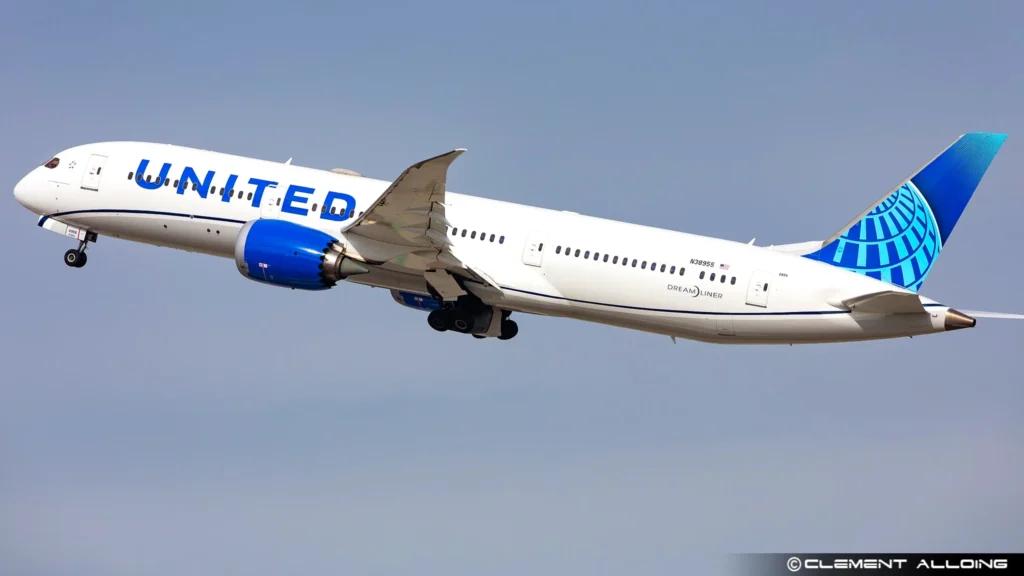
Boeing 787 Operators Must Replace Specific Slat Actuators
The central new requirement involves replacing the leading-edge outboard geared rotary actuator with a leading-edge outboard lockout actuator.
According to the Boeing documentation incorporated into the directive, the replacement applies to the outboard locations of leading-edge slats 2 and 11.
The FAA reviewed Boeing Alert Requirements Bulletin B787-81205-SB270055-00 RB, Issue 002, dated November 25, 2024. This document specifies the replacement procedures and the associated maintenance programme changes.
The actuator replacement is a new requirement under the directive. It supplements the existing operational checks rather than removing them immediately.
Operators must follow the applicable Boeing instructions when performing the work. The new maintenance requirement also ensures that the affected system receives a specified functional check as part of the aircraft’s ongoing maintenance programme.
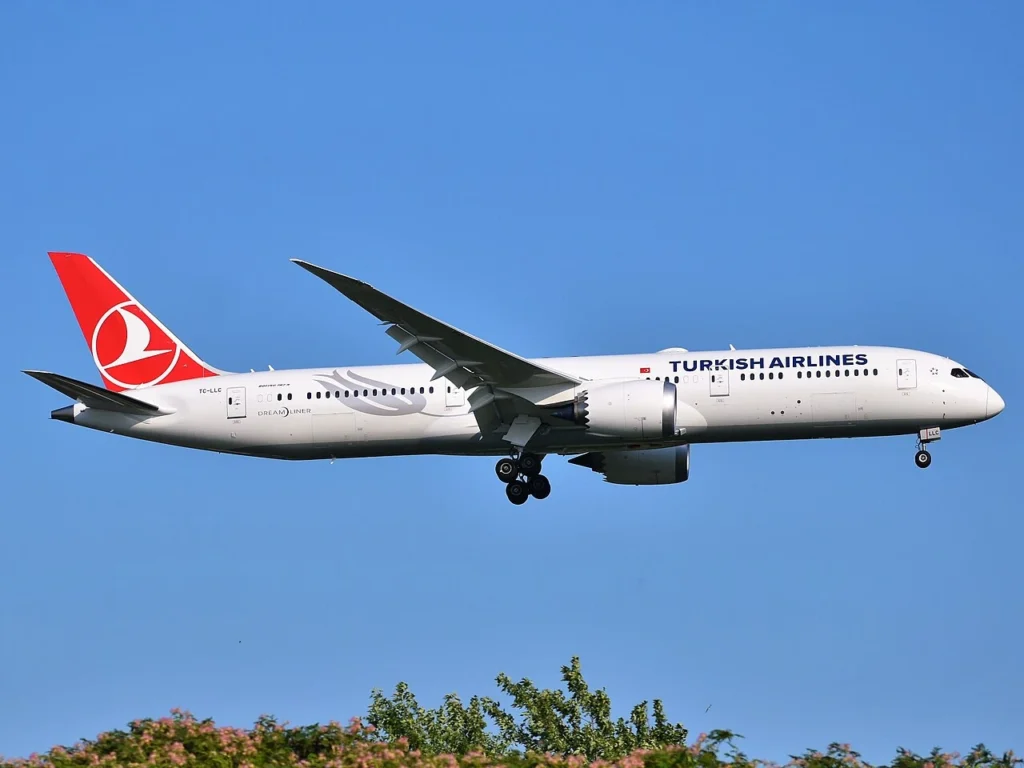
New Maintenance Requirement for the Boeing 787
The directive requires operators to incorporate certification maintenance requirement item 27-CMR-14, titled “Functionally check the Leading Edge Power Drive Unit Half System Torque Brake.”
This requirement must be added to the operator’s existing maintenance or inspection programme, as applicable.
The FAA expects the updated programme to provide a defined maintenance task for checking the relevant system. This requirement forms part of the new corrective action package associated with the actuator replacement.
The directive also retains Boeing Alert Requirements Bulletin B787-81205-SB270051-00 RB, Issue 001, dated July 5, 2019. This document supports the earlier operational checks and related corrective actions established under AD 2019-20-07.
The new rule therefore combines the existing inspection measures with the revised actuator configuration and an additional maintenance requirement.
Existing Operational Checks and Flight Manual Restrictions Remain
The FAA has retained the key requirements of AD 2019-20-07 until the new actions terminate those requirements in accordance with the directive.
These retained measures include repetitive operational checks of the leading-edge outboard slats and applicable on-condition actions. Operators must continue addressing any findings under the applicable instructions.
The directive also retains the requirement to revise the aircraft flight manual (AFM) to prohibit flap retraction under icing conditions after landing.
This restriction addresses flap operation after landing in icing conditions. Boeing requested that the FAA clarify the timing of the prohibition in the final rule.
The FAA agreed and revised the summary to make the timing clear. However, it determined that no further changes were necessary because the relevant provision already identified the restriction as applying to flap operation after landing.
The maintenance or inspection programme must also retain the applicable earlier changes until the new certification maintenance requirement terminates those requirements as specified in the directive.

FAA Sets November 12, 2026, Effective Date
The new airworthiness directive becomes effective on November 12, 2026.
The Director of the Federal Register also approved the incorporation by reference of the new Boeing maintenance publication on that date. The earlier Boeing publication had already received approval for incorporation by reference on October 11, 2019.
The FAA published its notice of proposed rulemaking on March 18, 2026, under Federal Register citation 91 FR 12942. The agency received comments from the Air Line Pilots Association, International (ALPA), and United Airlines, both of which supported the proposal without changes.
Boeing submitted comments requesting clarification of the termination of the earlier directive’s requirements and the timing of the flap retraction prohibition. The FAA accepted those clarifications and adopted the rule as proposed, subject to minor editorial changes and the revisions discussed in the final rule.
The agency stated that these changes would not increase the economic burden on operators.
Boeing 787 Directive: Estimated Compliance Costs
The FAA estimates that the directive will impose additional maintenance costs on affected U.S. operators. The largest new expense comes from replacing the specified actuators.
The agency calculated labour costs using an estimated rate of $85 per work-hour.
| Compliance action | Estimated cost per aircraft | Estimated cost across 174 aircraft |
|---|---|---|
| Repetitive operational checks | $680 per check | $118,320 per check |
| Aircraft flight manual revision | $85 | $14,790 |
| Slat actuator replacement | $32,375 | $5,633,250 |
The actuator replacement estimate includes nine work-hours of labour, costing $765, and $31,610 in parts. This brings the estimated total to $32,375 per aircraft.
The operational check estimate includes eight work-hours at $85 per hour. Because these checks are repetitive, the $118,320 fleet-wide figure applies to each check, rather than representing the total cost of every check over the aircraft’s service life.
The flight manual revision requires an estimated one work-hour per aircraft.
Maintenance Programme Revision Costs
The FAA estimates that the retained revision of the existing maintenance or inspection programme costs an average of $7,650 per operator. The new programme revision also requires an estimated 90 work-hours per operator, equivalent to $7,650 at the agency’s assumed labour rate.
These figures are calculated per operator rather than per aircraft because airlines incorporate maintenance programme changes across their affected fleets.
The estimates do not include every potential cost associated with future repetitive checks. The FAA states that it has included all known costs in its estimate and notes that Boeing has indicated that some or all costs may be covered under warranty.

FAA Explains Its Authority to Issue the Rule
The FAA issued the directive under its statutory authority to promote aviation safety. Title 49 of the United States Code, including Section 44701, authorises the agency to prescribe regulations, practices and procedures needed to maintain safe civil aviation operations.
The agency determined that the rule addresses an unsafe condition likely to exist or develop in the affected aircraft.
The FAA also concluded that the directive does not qualify as a significant regulatory action under Executive Order 12866. It determined that the rule would not affect intrastate aviation in Alaska and would not have a significant economic impact on a substantial number of small entities under the criteria of the Regulatory Flexibility Act.
Operators can review the final rule and supporting documents through the Federal Register and the FAA docket on Regulations.gov under Docket No. FAA-2026-2712.
What the New Directive Means for Boeing 787 Operators
The new directive introduces a hardware change and an additional maintenance requirement while preserving existing checks and operating restrictions. Operators must assess their aircraft against the final rule’s applicability and complete the required actions under the applicable compliance instructions.
The FAA’s principal concern is the possibility of an out-of-position leading-edge slat condition that may not trigger a flight deck warning. The actuator replacement, maintenance programme revision and retained inspection measures are intended to address that risk.
With the directive taking effect on November 12, 2026, affected operators must plan their maintenance activities around the applicable requirements. The FAA’s estimate places the new actuator replacement cost at $32,375 per aircraft, with a total estimated replacement cost of $5.63 million across the 174 affected U.S.-registered aircraft.
Stay tuned with us. Further, follow us on social media for the latest updates.
Join us on Telegram Group for the Latest Aviation Updates. Subsequently, follow us on Google News
