


FORT WORTH- American Airlines (AA) is investing in premium seats, seatback entertainment, Wi-Fi and customer service to improve its competitiveness.
Delta Air Lines (DL) and United Airlines (UA) have established clear reasons for travelers to choose them. American must develop its own advantage before financial pressure and investor impatience threaten its recovery.
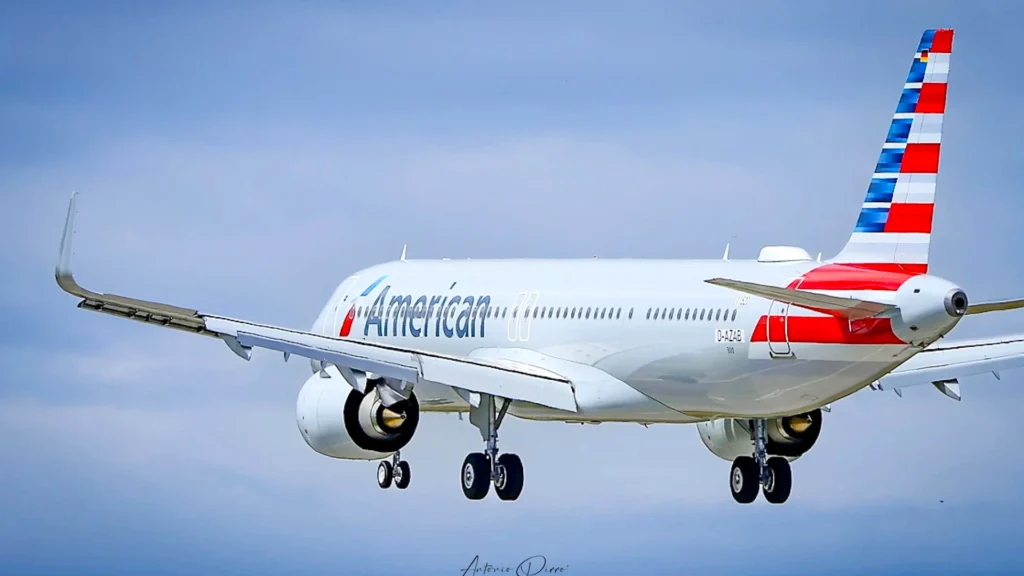
American Airlines Must Turn Improvements Into Advantage
American has spent years addressing customer dissatisfaction and decisions that weakened its competitive position.
The airline is now making significant improvements to its onboard experience, including more premium seating, seatback entertainment, better food options, upgraded lounges and high-speed Wi-Fi.
These changes are necessary, but matching competitors is not the same as outperforming them.
As discussed by View from the Wing, American needs to give travelers a clear reason to choose its services over Delta and United, rather than simply remove the reasons they previously avoided the airline.
Delta built its reputation around operational reliability, consistent service and employee culture. Its historical investment in aircraft maintenance helped it keep flights operating, while its early commitment to seatback entertainment gave passengers a more complete onboard experience.
Delta also invested in employee engagement through branding, uniforms and messaging designed to build pride in the company. These efforts highlight an important lesson for American: better customer service requires employees who understand the brand and have the support needed to deliver its promises.
United has developed a different set of strengths through technology and its international network. Its Starlink Wi-Fi offers high-speed connectivity, while its mobile app helps passengers manage reservations, change flights and respond to disruptions. Its extensive route network also provides access to major international markets and less common destinations.
However, these advantages are not permanent. American is also investing in Starlink, entertainment screens and premium seating. As competing airlines adopt similar products, the ability to deliver a consistently better overall experience will matter more than any single amenity.
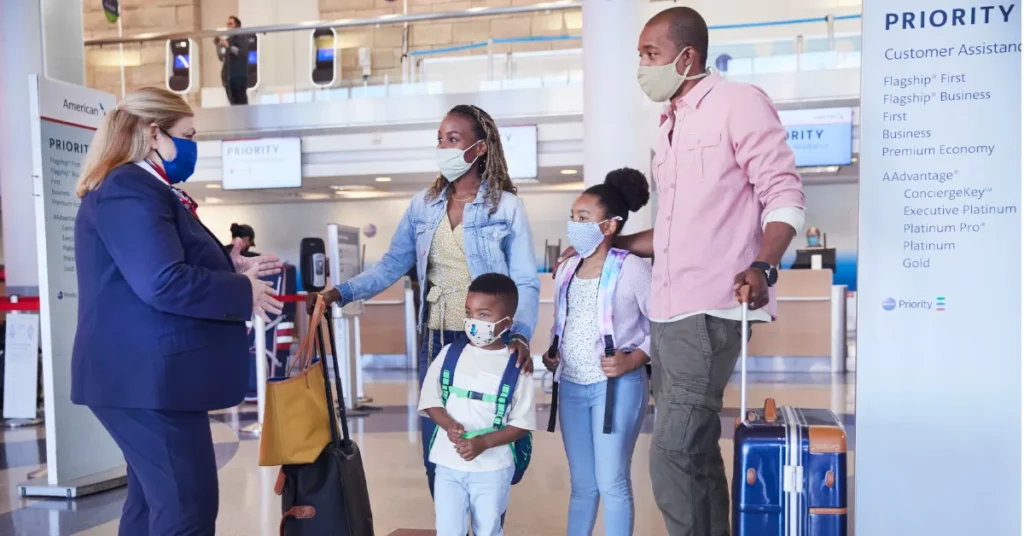
American Still Has Product and Loyalty Gaps
American is improving its lounges, coffee, wine selection and cabin offerings, but some changes primarily bring the airline closer to industry standards.
More food choices in economy, better meals on longer regional flights and a stronger premium-lounge experience remain important parts of the wider customer proposition.
Its AAdvantage loyalty program also faces challenges. The elimination of fixed-mileage upgrade awards and reduced access to desirable partner award seats can make miles less valuable to frequent travelers.
Partners such as Qatar Airways, Cathay Pacific and Qantas control their own award inventory, limiting what American can guarantee to its members.
These weaknesses matter because frequent flyers consider the entire value of an airline, including schedules, service, upgrades, award availability and travel flexibility. American needs its loyalty program to reinforce the appeal of its product rather than compensate for gaps elsewhere.
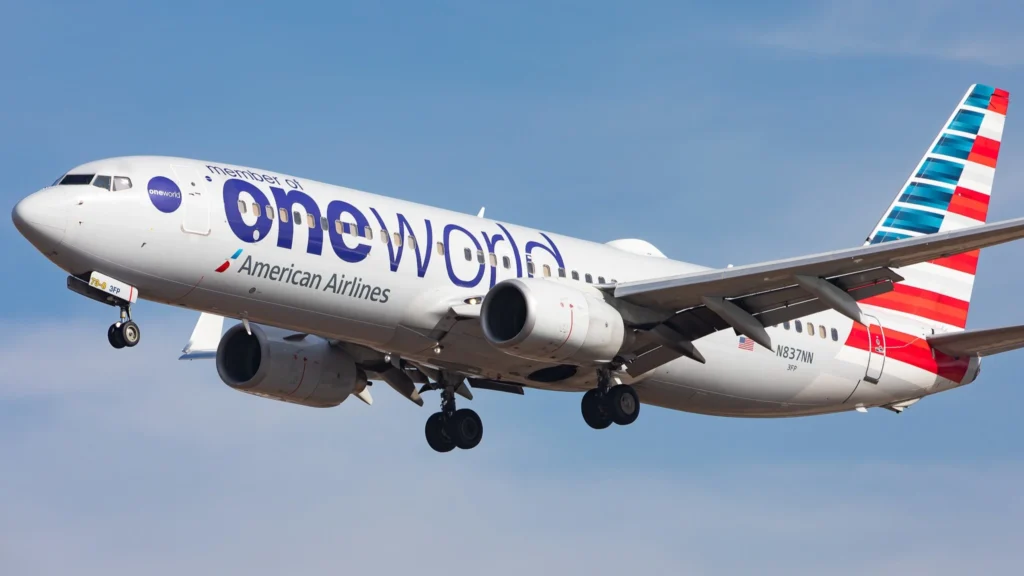
Employee Engagement Must Support the Turnaround
American also needs to communicate its strategy more effectively to employees and customers.
Delta has used internal branding to encourage employees to take pride in its product. United has linked employee incentives to operational and customer-service performance and, under former chief executive Oscar Munoz, emphasized direct engagement with its workforce.
American has introduced performance measurement for flight attendants and sought input on cabin service improvements. However, measurement alone will not change the customer experience. Employees need clear service standards, appropriate training, leadership support and accountability.
American must also communicate what makes its brand different. Advertising and internal messaging should explain not only what the airline has improved, but why those improvements make it a better choice for travelers. The message must match the actual experience customers receive.
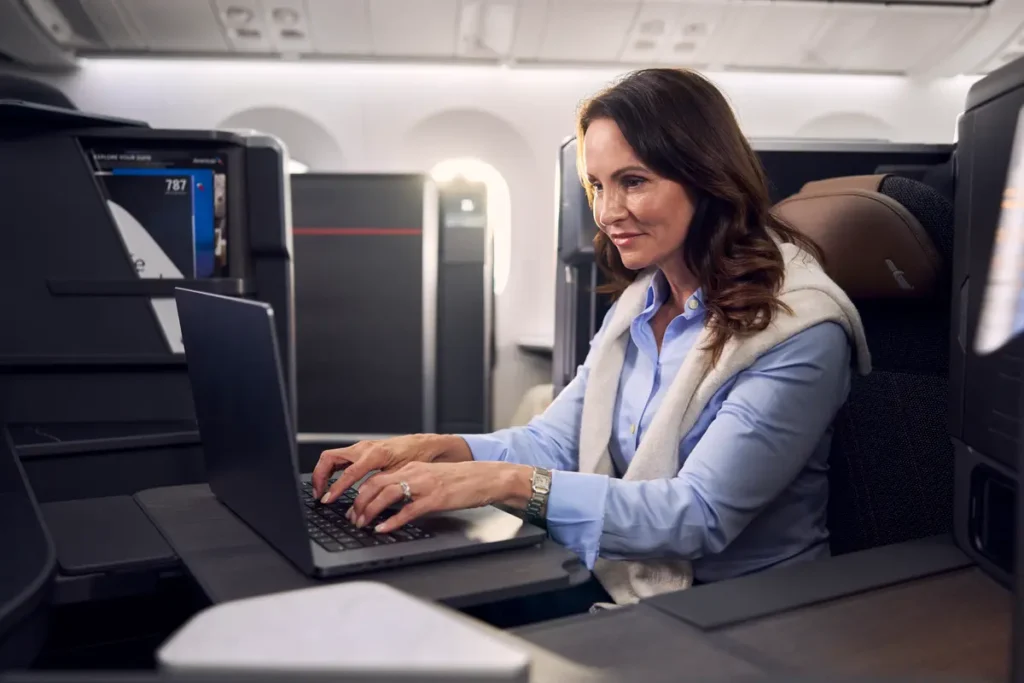
Catching Up May Not Be Enough
The experience of unsuccessful all-business-class airlines illustrates a broader business lesson. Serving a large market is not sufficient when customers lack a compelling reason to choose one company over established alternatives. Schedule frequency, loyalty benefits, corporate relationships and product quality all influence the decision.
American faces the same challenge. Better Wi-Fi, new screens and premium seating can close the gap, but competing airlines can introduce similar features.
A lasting advantage is more likely to come from combining reliable operations, useful technology, an attractive loyalty program and consistent customer service.
American may recover some customers simply by fixing long-standing problems. Travelers who previously avoided the airline may reconsider when its product improves. However, this potential recovery is different from establishing a lasting advantage that attracts customers who already prefer Delta or United.

Can Wall Street Wait for American’s Turnaround?
American’s financial position creates urgency. The airline entered the pandemic with substantial debt after spending more than $12 billion on share buybacks over the preceding years.
Those capital decisions are part of the criticism that American entered the crisis with less financial flexibility than it needed.
High debt and interest expenses can constrain investment, while rising fuel costs put further pressure on profitability. Economic uncertainty could also weaken travel demand or make customers more sensitive to ticket prices.
These pressures create a timing problem. Customer perception and loyalty often take years to change, even after a company improves its product. Investors, however, may expect financial results much sooner.
American must demonstrate that its investments generate measurable benefits, including stronger customer retention, improved revenue quality, better operating performance and sustainable cash flow. Revenue growth alone will not prove that the turnaround is succeeding if expenses and debt continue to limit profitability.
Future Outlook
American has made important progress in addressing the weaknesses that damaged its customer proposition.
Its investments in premium seating, entertainment, connectivity and service can help it compete more effectively with Delta and United.
However, its success depends on more than catching up. The airline must build a distinctive brand, engage employees, deliver consistent service and demonstrate financial returns before investors lose patience.
American does not need to win every category immediately, but it must give travelers a clear reason to choose it. The airline’s ability to turn customer improvements into lasting loyalty and stronger financial performance will determine whether its turnaround becomes a genuine competitive success.
Stay tuned with us. Further, follow us on social media for the latest updates.
Join us on Telegram Group for the Latest Aviation Updates. Subsequently, follow us on Google News
