


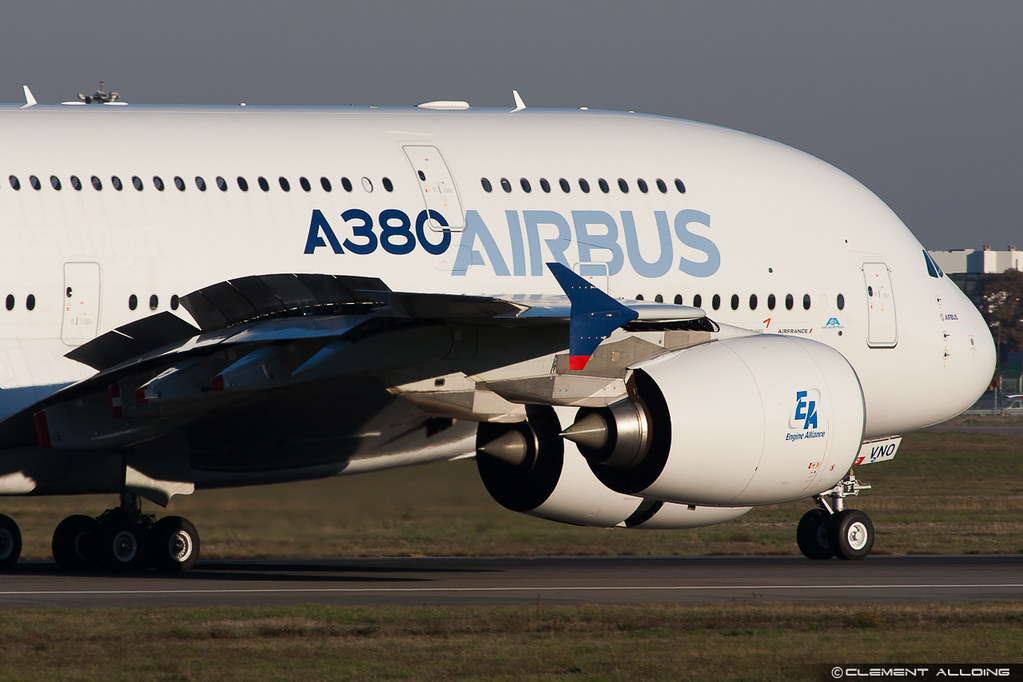
WASHINGTON, D.C.- The US Federal Aviation Administration (FAA) has ordered the replacement of certain high-pressure turbine (HPT) interstage seals in Engine Alliance GP7200-series engines used on the Airbus A380. The directive follows an uncontained engine failure that forced an A380 to shut down an engine and abort its takeoff.
The airworthiness directive takes effect on October 23, 2026, and targets specified GP7270, GP7272, and GP7277 engines. The FAA has imposed urgent replacement deadlines for 15 affected seals to prevent another failure that could cause an engine fire and damage the aircraft.

FAA Targets Airbus A380 Engine Seals After Aborted Takeoff
The FAA issued Airworthiness Directive 2026-20-12 after receiving a report of an uncontained failure involving an HPT interstage seal in an Engine Alliance GP7270 engine installed on an Airbus A380. The incident resulted in an engine shutdown and an aborted takeoff.
The directive applies to specific engine serial numbers and high-pressure turbine interstage seals identified in Engine Alliance Alert Service Bulletin EAGP7-A72-479, dated September 4, 2026. It does not require the replacement of every seal or every GP7200-series engine in service.
The FAA has ordered operators to remove 15 HPT interstage seals with the highest number of flight cycles since their last overhaul. Operators must replace the affected components with parts eligible for installation under the manufacturer’s instructions.
The agency has warned that leaving the affected seals in service could lead to another uncontained failure, potentially resulting in an engine fire and damage to the aircraft.
The FAA’s published directive does not identify the airline operating the aircraft involved in the incident, its registration or the airport where the event occurred. Therefore, the airline’s IATA code and the airport’s IATA code cannot be confirmed from the available information.
Investigation Identifies Potential Cause of Engine Seal Failure
The manufacturer’s investigation found that cracking most likely began at the locating features, known as clocking keys, between the HPT interstage seal and the aft shaft of the first-stage turbine disk.
Investigators identified relative rotation of the seal, described as clocking, as a contributing factor in the failure. The manufacturer also found that seals reassembled during an overhaul showed greater clocking movement.
However, the investigation has not established the definitive root cause. The FAA has introduced the replacement requirement as an interim safety measure while the investigation and development of a final corrective action continue.
The findings have prompted the agency to target seals based on their serial numbers and service history rather than impose a blanket replacement requirement across the entire engine fleet.
FAA Sets Urgent Replacement Deadlines
The directive becomes effective on October 23, 2026. Compliance deadlines depend on the affected seal’s serial number and the requirements specified in the applicable service bulletin.
The FAA has divided the affected components into three groups, with the earliest replacements required within 50 flight cycles or 30 days after the directive’s effective date, whichever occurs first. The remaining compliance deadlines extend to 150 flight cycles or 90 days, whichever occurs first, as specified for the relevant parts.
The FAA requires operators to follow Engine Alliance Alert Service Bulletin EAGP7-A72-479, dated September 4, 2026. The bulletin identifies the affected engine serial numbers and seal part numbers and provides instructions for removing and replacing the components.
An affected seal is identified as part number 2047M99P02 with a serial number listed in Appendix A of the service bulletin. A part eligible for installation must not be one of the identified affected parts.
Operators must complete the required work within the applicable deadlines unless they have already complied with the directive.
FAA Adopts Directive Without Prior Public Consultation
The FAA adopted the airworthiness directive without first seeking public comments, citing the immediate safety risk and the short compliance deadlines.
The agency determined that waiting for the usual notice-and-comment process could delay action needed to address the possibility of another uncontained seal failure. It also concluded that the directive needed to take effect in less than 30 days.
However, the rule allows interested parties to submit comments after its adoption. The FAA must receive comments by November 23, 2026, under Docket No. FAA-2026-11801.
The agency has classified the directive as an interim action. It may introduce further rulemaking if investigators identify a final corrective action that requires additional regulatory measures.
FAA Estimates Engine Seal Replacement Cost at $528,150
The FAA estimates that replacing an affected HPT interstage seal will cost $528,150 per engine. This includes $527,300 for parts and $850 in labour, based on 10 work-hours at $85 per hour.
The agency estimates that the directive affects zero engines installed on aircraft registered in the United States. Consequently, it lists the compliance cost for US operators as $0.
That estimate does not establish the total number of affected engines or aircraft worldwide. The FAA has not specified how many aircraft have the affected components installed.
The directive’s scope is determined by the affected engine and seal serial numbers listed in the manufacturer’s service bulletin, rather than by aircraft type alone.
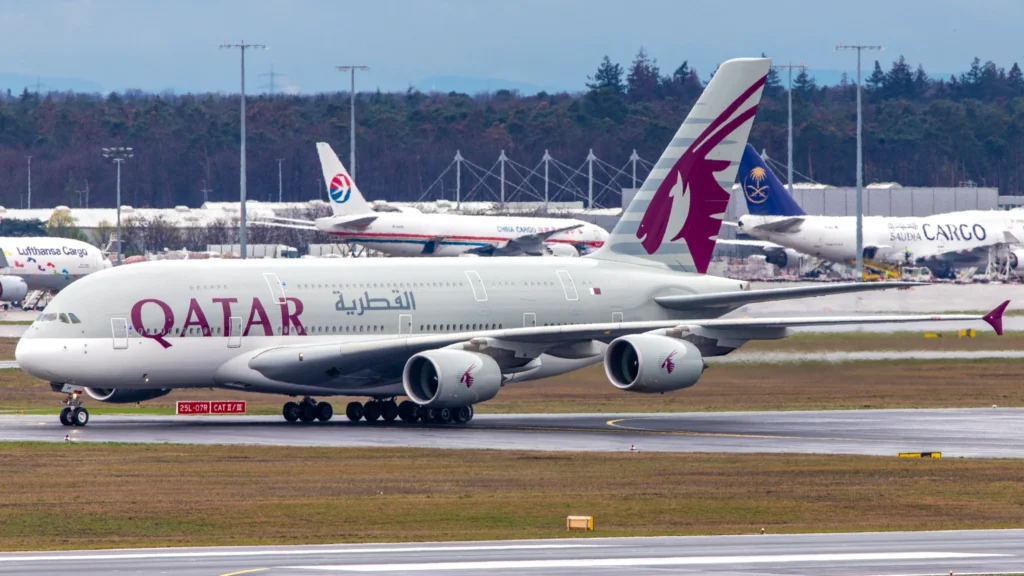
What the FAA Directive Means for Airbus A380 Operators
The directive requires operators with affected components to identify the relevant seals, remove them from service and install eligible replacements within the prescribed compliance period.
The findings also highlight the importance of tracking component history during engine overhauls. The manufacturer’s investigation identified greater clocking movement in seals that had been reassembled during overhaul, although the precise cause of the failure remains under investigation.
For operators, compliance depends on checking the affected serial numbers and following the service bulletin’s instructions. The FAA’s interim action addresses the immediate safety concern while leaving room for further measures once the investigation establishes whether additional corrective action is necessary.
Stay tuned with us. Further, follow us on social media for the latest updates.
Join us on Telegram Group for the Latest Aviation Updates. Subsequently, follow us on Google News
