

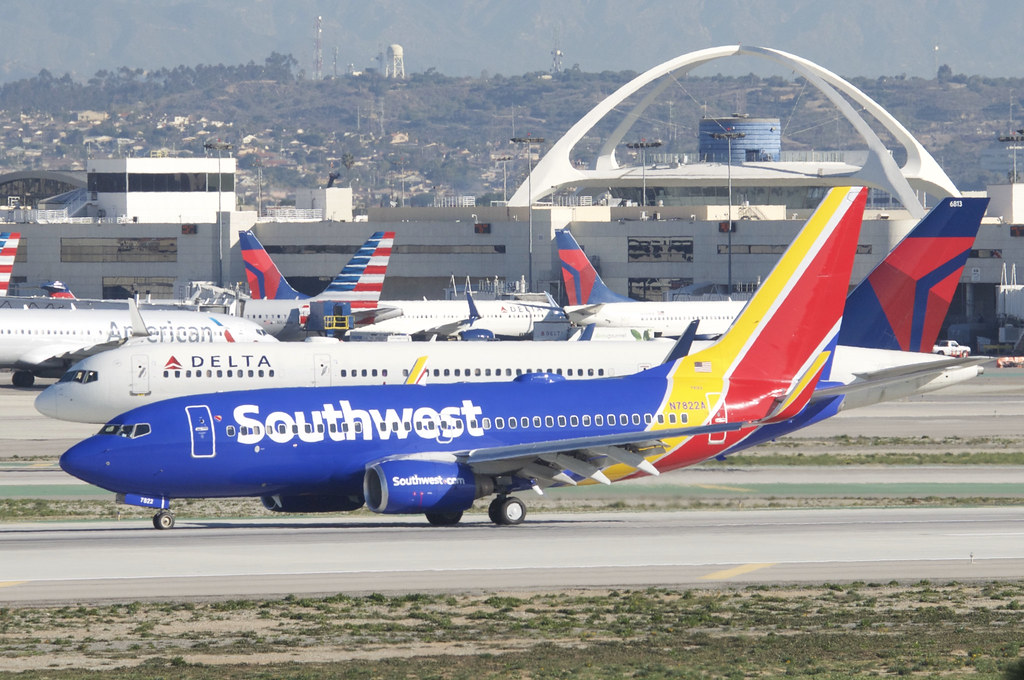
DALLAS- Southwest Airlines (WN) was once closely associated with a deliberately youthful, feminine cabin image. Singapore Airlines (SQ), based in Singapore, represents a different model where grooming, presentation and service remain tightly standardized.
The difference is not explained by one hiring policy. US airlines changed through deregulation, employment discrimination law and seniority-based careers, while some Asian and Gulf carriers continued to use grooming, appearance and presentation as visible parts of the product.
How US Flight Attendant Job Changed
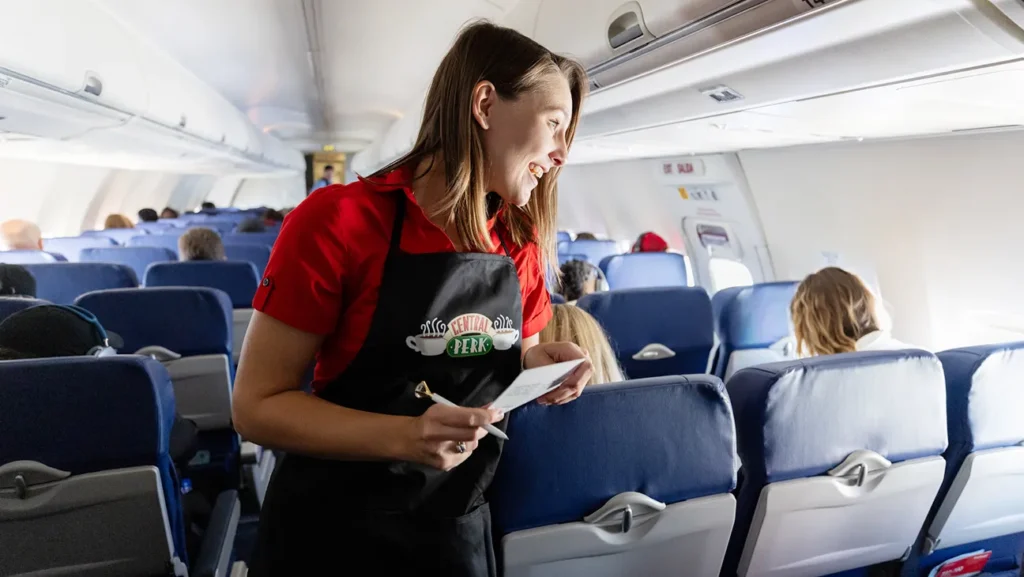
US airlines once marketed flight attendants as part of the travel experience, not simply as employees providing safety and service. The industry promoted young, attractive and usually unmarried women through advertising and employment rules.
The era produced phrases such as “Coffee, tea or me?” National Airlines used “Fly Me” in its advertising, while Braniff promoted the idea that an airline hostess should “look like a girl” and made changing uniforms part of its brand image.
Southwest later built its own “Love” identity around female flight attendants.
That model became harder to sustain as both the economics of US aviation and employment law changed.
Before 1978, the federal government heavily regulated interstate airline fares and routes. The Airline Deregulation Act of 1978 began a major shift toward market competition and reduced federal control over domestic fares.
Under regulation, airlines had fewer opportunities to compete through price and market entry, which increased the importance of food, service and the broader passenger experience. The traditional market also relied heavily on business travelers.
As fares fell and competition expanded after deregulation, airlines had to appeal to a broader mix of leisure travelers and families.
That changed the value of a cabin crew image built around attracting predominantly male customers. Airlines increasingly competed through fares, schedules, networks and operational efficiency rather than selling the stewardess as a central part of the product.
Three Court Cases Changed Airline Hiring
Title VII of the Civil Rights Act of 1964 prohibited employment discrimination because of s*x, subject to a narrow bona fide occupational qualification exception. Three airline cases helped apply that rule to flight attendants.
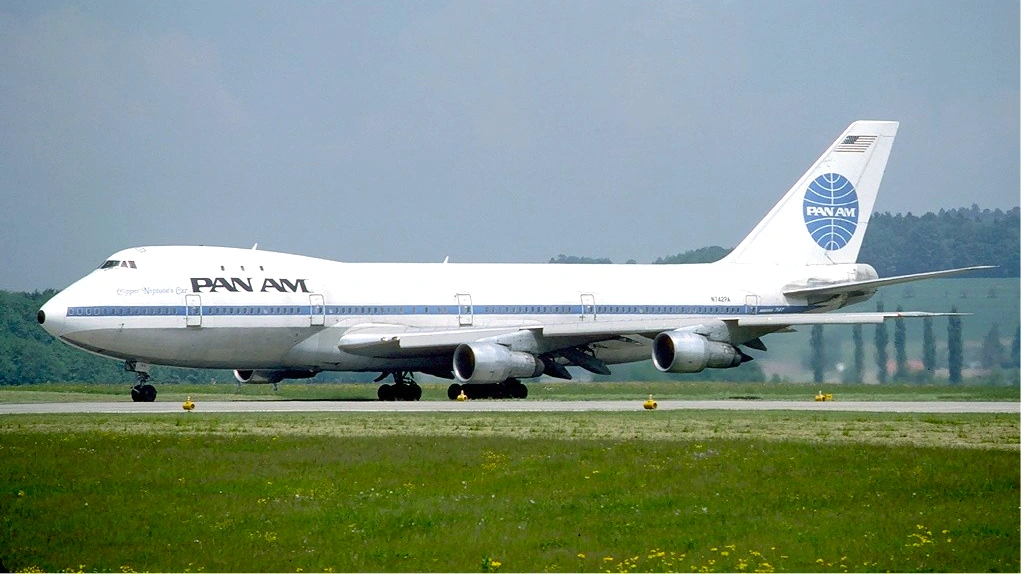
Diaz v. Pan Am
In Diaz v. Pan American World Airways, the Fifth Circuit rejected Pan Am’s argument that women were inherently better suited to provide the personal side of passenger service and that customer preference justified female-only hiring.
The court held that Pan Am could assess individual applicants for their ability to perform the job, but could not exclude all men simply because the airline believed women generally performed better. The court also treated passenger preference as insufficient to establish a BFOQ.
Sprogis v. United
United Airlines had required female stewardesses to remain unmarried. Mary Sprogis was dismissed after marrying, while male flight attendants were not subject to the same rule.
The Seventh Circuit held that the policy violated Title VII. The district court had ordered reinstatement, restoration of seniority and compensation for lost earnings.
The effect went beyond one employee. Ending the no-marriage rule allowed women to remain in cabin crew jobs longer instead of being replaced after marriage.
Wilson v. Southwest
The Southwest case showed how far airline branding and s*x-based hiring had become connected.
Southwest operated from Love Field and promoted a “Love” identity. Its stock ticker was LUV, its snacks included “Love Bites,” and its ticketing system featured a “Quickie” machine. Flight attendants wore hot pants and high boots and were used extensively in advertising.
More than 100 male applicants challenged their exclusion from flight attendant and ticket-agent positions. Southwest admitted the discrimination but argued that female s*x appeal was a bona fide occupational qualification because it was part of the airline’s business model.
The court rejected that argument. Passenger surveys did not establish that female attendants were essential to Southwest’s success, and other factors such as schedules, frequency and helpful staff ranked highly in passenger preferences.
The court’s central distinction was that “Love” described the manner of service, not the job itself. Female s*x appeal was not necessary to perform the airline’s core transportation function.
The cases did not end grooming or hospitality standards. They limited the use of s*x itself as a blanket employment qualification. EEOC guidance likewise states that customer preference and stereotypes generally do not establish a s*x-based BFOQ.
Seniority Turned Cabin Crew Into Career
Legal changes allowed flight attendants to stay longer, while union contracts and seniority systems reinforced long-term careers.
Seniority affects important parts of airline work, including schedules, reserve obligations and preferred assignments. Employees also have a financial reason to remain with one carrier because moving to another airline can mean starting near the bottom of a new seniority list.
Hiring freezes during downturns can slow the entry of younger workers, while furloughs often affect junior employees first. Over time, the remaining workforce can become older.
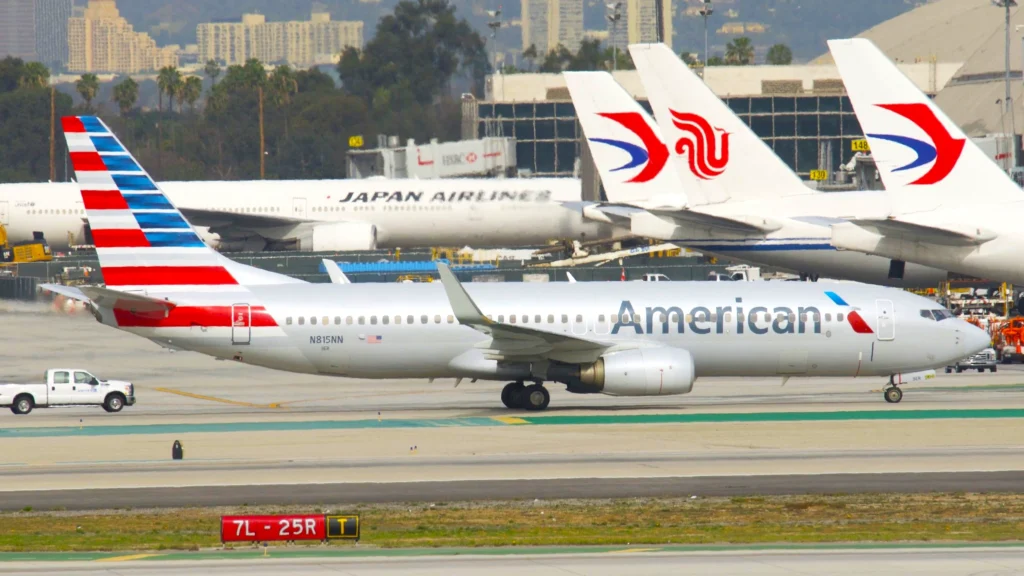
A US crew operating a long-haul flight to Asia therefore may not represent the airline’s entire cabin workforce. Senior employees can be overrepresented on desirable international assignments.
The change was therefore not simply a decision to stop hiring attractive women. It reflected a shift from a short, image-driven occupation toward a career in which experience and seniority have economic value.
Why Some Asian Airlines Still Use Appearance More Heavily
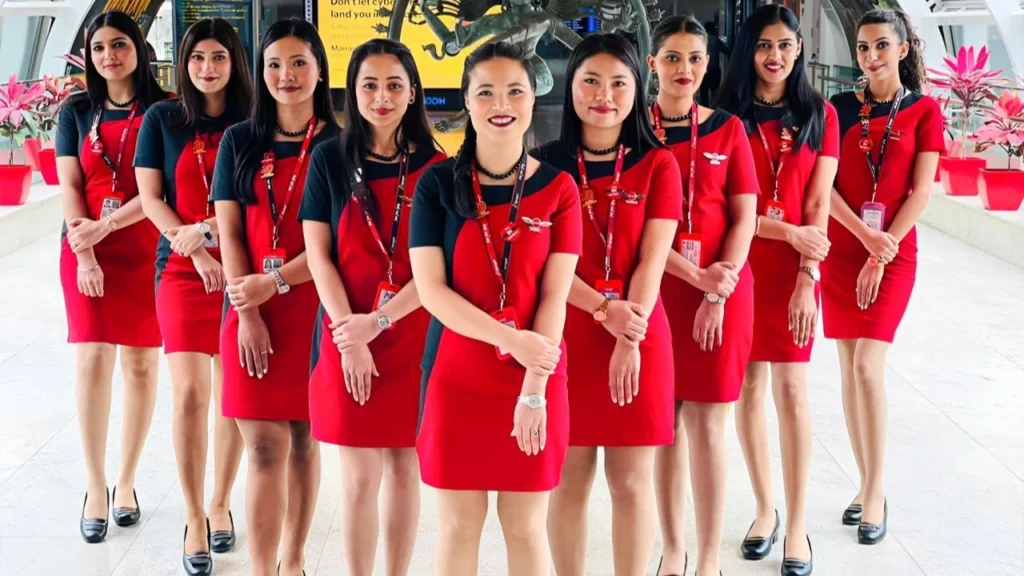
Asia does not have one cabin crew model. Some low-cost airlines have used appearance in recruitment or marketing, while premium carriers have integrated grooming into a broader service system.
Labor markets also matter. Where cabin crew jobs attract many applicants and offer attractive pay or status compared with alternatives, airlines can impose more selective appearance and presentation standards.
A 2018 SpiceJet recruitment notice, for example, sought female cabin crew aged 18 to 27, with a minimum height of 155 centimeters, weight proportionate to height and unmarried status. It also listed a “pleasing personality,” an “unblemished complexion” and good body language among its criteria.
That combination of service qualifications and appearance requirements illustrates a hiring model that US airlines had already moved away from.
Low-Cost Airlines Used Appearance as Marketing
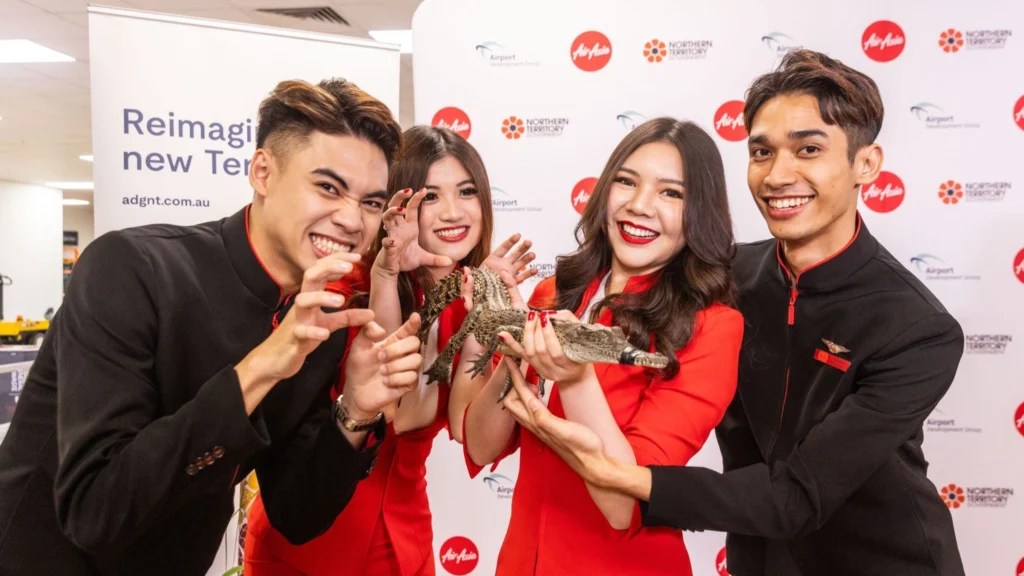
Appearance has also been used directly as branding.
AirAsia ran advertising built around the phrase “Careful, they’re HOT,” while VietJet became widely associated with bikini-themed promotions, including a 2018 calendar. Such advertising was part of marketing rather than proof that normal cabin service was delivered in the same attire.
Employment screening provides a separate example. In 2017, Malindo Air faced criticism after reports that candidates at a walk-in interview were required to expose parts of their bodies during grooming checks. The airline denied that candidates were improperly stripped and said private checks for visible marks were conducted with consent as part of its recruitment process.
Weight standards have also been explicit at some carriers. Reporting in 2023 said Hainan Airlines used a reference-weight policy under which cabin crew exceeding the standard by 10% could be suspended. The airline later said the standard applied to all cabin crew, not only women.
Air India has also used BMI-based cabin crew standards. In 2026, the airline introduced a policy allowing BMI checks and temporary removal from flying duties when crew members fell outside specified ranges, with medical or fitness clearance required before return to service.
Malaysia Airlines provides another example. A flight supervisor who was recorded at 61.7 kilograms against a stated 61-kilogram limit for her height was dismissed after repeatedly failing to meet the airline’s weight requirement, and the Malaysian Industrial Court ruled for the airline.
These cases show that some airlines continue to connect physical presentation with cabin employment, although their rules and legal environments differ.
Premium Asian Airlines Standardize the Look
Premium carriers tend to use a more formal version of the same idea.
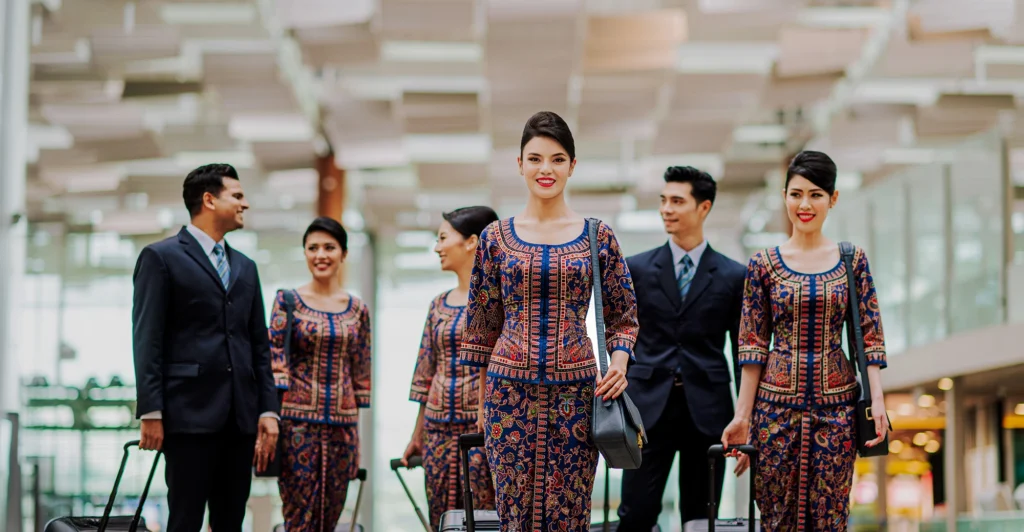
Singapore Airlines combines uniforms, grooming, posture, etiquette, food presentation and service procedures into a standardized passenger experience. Its current recruitment information describes a four-month training program covering safety, product knowledge, service and grooming.
The original reporting by View from the Wing describes even more detailed grooming practices at Singapore Airlines. New female cabin crew receive a limited set of approved hairstyles and makeup options, and trainees can spend hours preparing for training.
The same attention applies to meal service, where crew practice arranging servingware, presenting logos correctly and following service timing.
This distinction matters. The visible result comes not only from hiring. It comes from training and strict standardization.
Singapore Airlines also does not use exactly the same employment structure as a typical US seniority-based career. Its current cabin crew recruitment page states that new hires are initially offered a 5 year contract.
The 2025 collective agreement provides additional five-year contracts by rank, with renewal based partly on conduct, performance, attendance, grooming and bearing.
That structure can produce a different workforce profile from a system in which employees commonly remain for decades under accumulated seniority.
Gulf Carriers Recruit Globally
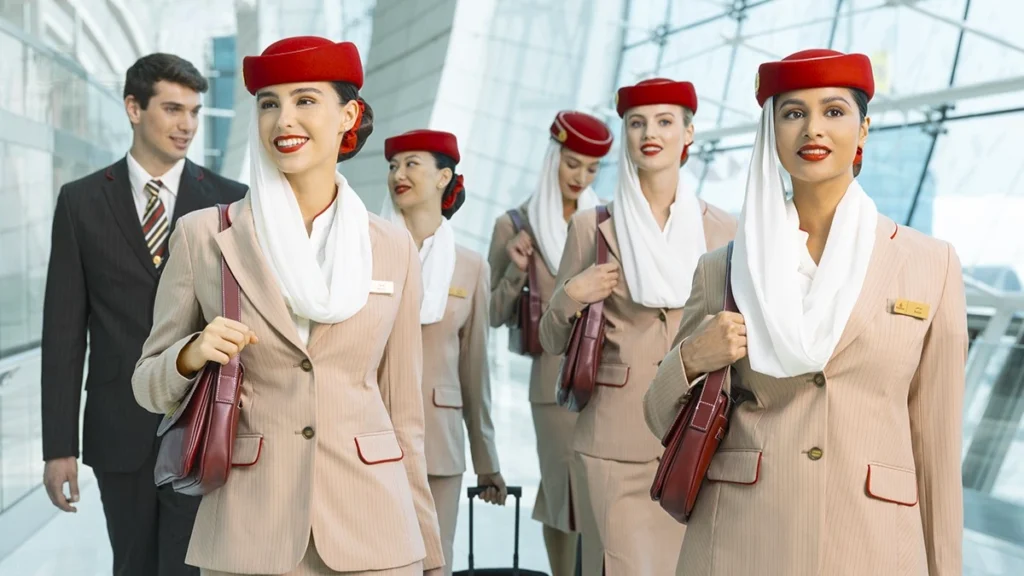
Emirates and Qatar Airways require another comparison because they recruit internationally.
Emirates says its cabin crew represents more than 120 nationalities. Its published Grade II package includes AED 4,980 in basic monthly salary, flying pay and an average monthly figure of AED 11,244, approximately US$3,061. The company also provides accommodation and transport to and from the airport.
Those conditions help determine who enters the applicant pool. Relocating to Dubai, accepting company accommodation and working internationally is more attractive to some mobile applicants than to people with established households elsewhere.
Emirates also sets presentation standards, including restrictions on tattoos visible in uniform, while offering routes into senior cabin crew and other roles.
The result reflects a global labor pool, a relocation-based employment model and deliberate presentation standards rather than the smaller domestic recruitment market faced by US airlines.
Appearance Does Not Equal Service Quality
Age, attractiveness and service ability are separate characteristics.
An airline can screen for communication, warmth, professionalism and willingness to help, then provide extensive training in safety and service. Singapore Airlines is an example of a carrier that puts significant resources into standardized training.
American Airlines likewise described flight attendant hiring as highly selective in 2019, receiving more than 130,000 applications and selecting about two candidates for every 125 applicants.
Southwest also became known for hiring around personality and teaching job-specific skills. Its historical hiring model shows that an airline can deliberately select for customer-service qualities without relying on a female-only appearance standard.
The important distinction is between appearance as a brand element and appearance as a qualification for the job.
Why US and Asia Diverged
The US flight attendant workforce changed because several systems changed together.
Deregulation altered how airlines competed. Employment discrimination law ended female-only hiring and no-marriage rules that had shaped the old stewardess workforce. Union contracts and seniority then helped turn cabin crew work into a long-term career, allowing experienced employees to remain for many years.
Some Asian airlines operate under different labor laws, labor-market conditions and commercial strategies. Certain carriers continue to use age, weight, grooming or appearance standards. Premium airlines can also make grooming part of a highly standardized hospitality system without using overt s*xual marketing.
The Gulf carriers add another model by recruiting from a global workforce with relocation packages and formal presentation standards.
The visible difference between a US cabin and some Asian or Gulf cabins therefore reflects law, economics, labor supply, seniority, training and branding. It is not adequately explained by a single political or cultural label.
Stay tuned with us. Further, follow us on social media for the latest updates.
Join us on Telegram Group for the Latest Aviation Updates. Subsequently, follow us on Google News
