

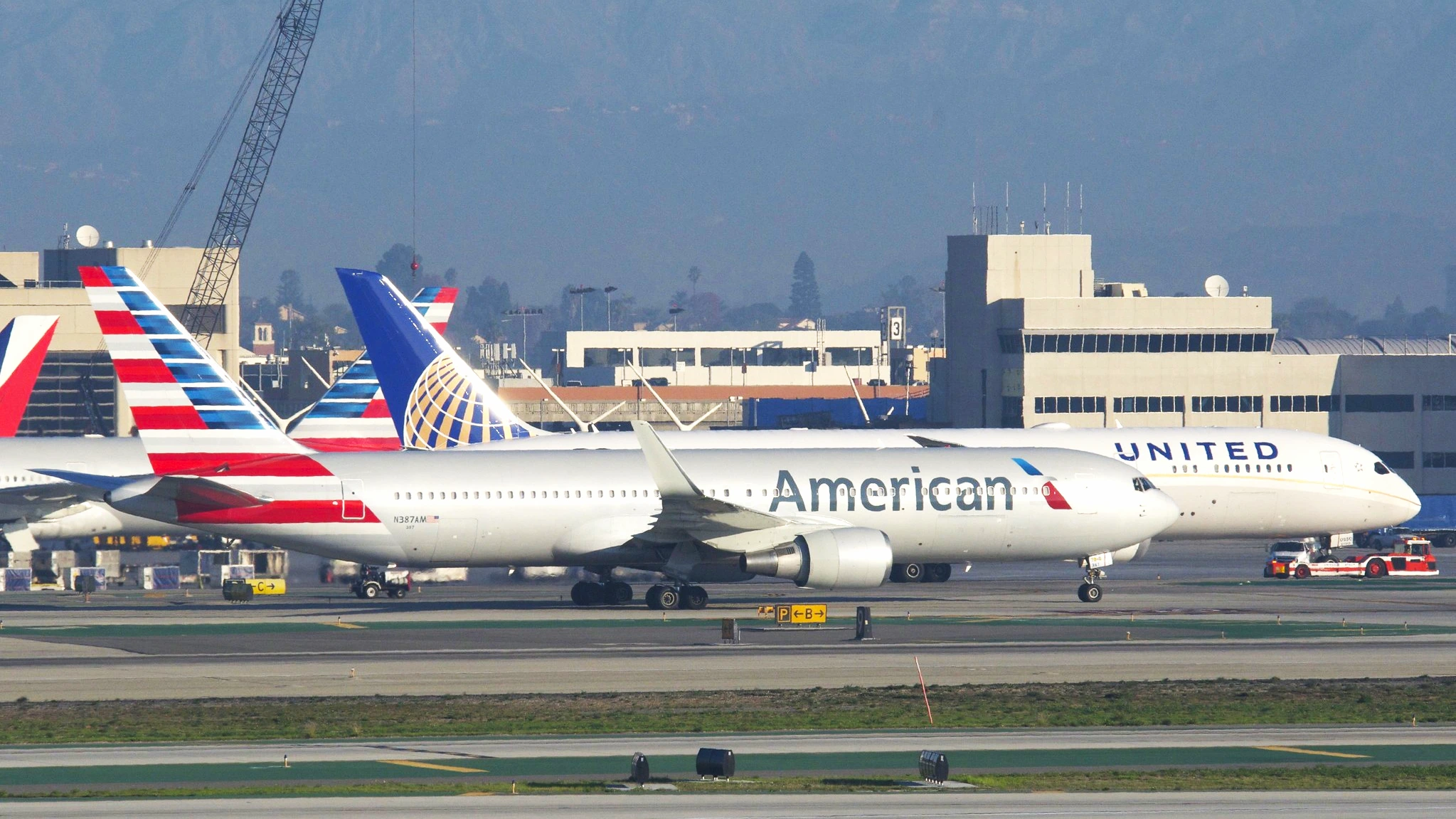
FORT WORTH- American Airlines (AA) and United Airlines (UA) are competing for share, premium customers, and network strength at Chicago O’Hare (ORD).
United has built a significant advantage at the airport, while American continues to defend and expand its hub.
United CEO Scott Kirby has repeatedly argued that American loses roughly $800 million to $1.1 billion a year at O’Hare and cannot sustain its current position.
American’s own finance leadership has disputed that characterization, saying its hubs contribute positively, while no airline publicly reports a complete hub-level profit and loss statement.
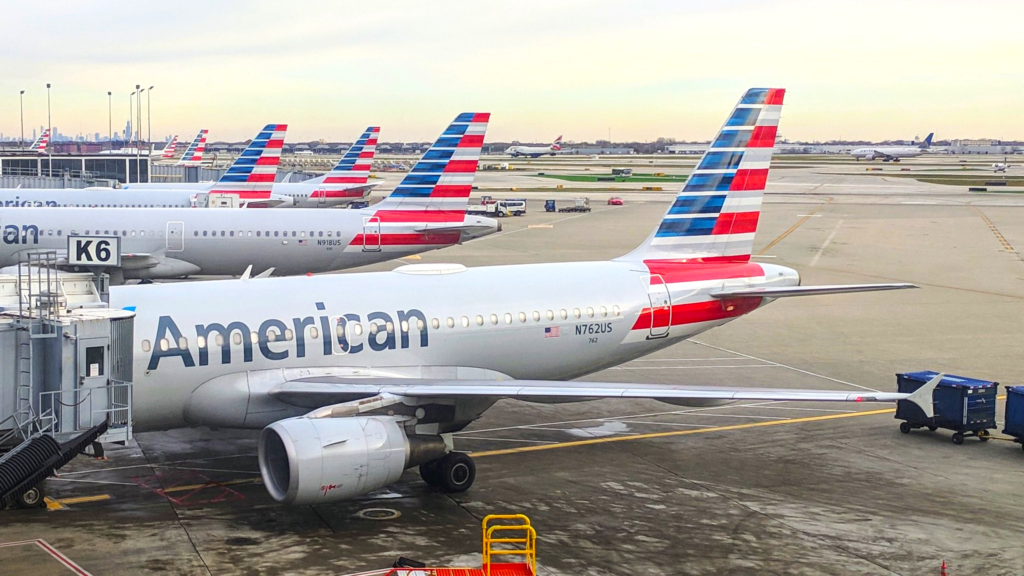
American Airlines’ $1 Billion Losses at Chicago O’Hare
Chicago O’Hare is one of the most closely contested airline markets in the United States. American and United both operate major hubs there, giving the airport unusual importance for domestic connections, corporate traffic, premium passengers, and international networks.
The dispute became more significant after United’s Scott Kirby began arguing that American’s Chicago operation was economically unsustainable.
His claim has generally centered on annual losses in the range of roughly $800 million to $1.1 billion, with the broader prediction that American could eventually be forced to reduce its presence or leave the airport as United strengthens its position.
There is no public airline filing that can directly confirm or reject that number. Hub-level profitability is not disclosed in the detail required to calculate a complete O’Hare profit and loss statement, so any outside estimate has to rely on public operating and traffic data.
That is the starting point for the independent analysis discussed by OMAAT, which used federal aviation data and AI-assisted calculations to estimate the economics of American and United at O’Hare.
The analysis is useful because it puts numbers behind a debate that has often relied on executive claims, but it is not an audited measure of either airline’s Chicago profit.
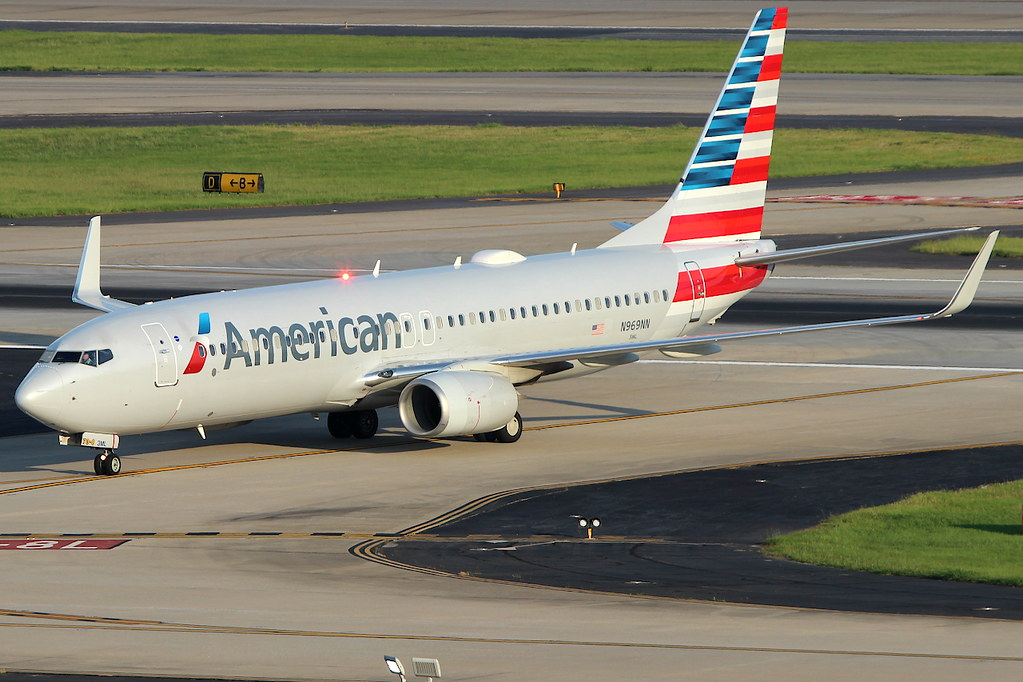
Independent Analysis Reached $1 Billion Estimate
The analysis used 2025 second quarter DB1B data to examine more than 200,000 domestic tickets originating at O’Hare. Regional flying was attributed to the major carrier selling the ticket, allowing American and United to be compared at the airline level rather than simply by operating subsidiary.
On the revenue side, United produced an estimated domestic revenue per available seat mile that was about 10.5% higher than American’s. The analysis put United at approximately 26.6 cents per available seat mile, compared with 24.0 cents for American.
The analysis also found a substantial difference in major Chicago markets. United reportedly produced higher yields than American in 16 of the 18 largest nonstop markets examined.
The analysis identified particularly large United advantages in markets such as San Francisco, Newark, Denver, and Houston. American was stronger in some markets linked to its own hubs, including Miami and Charlotte.
The cost picture also favored United, although by a smaller margin. Estimated direct aircraft operating cost was about 11.19 cents per available seat mile for United versus 11.73 cents for American, a difference of approximately 4.6%.
The analysis attributed much of that gap to fleet mix, because United operates a greater share of its O’Hare traffic with mainline aircraft.
The resulting modeled margin was approximately 11.1 cents per available seat mile for United and 8.5 cents for American. On a percentage basis, the analysis estimated that United’s per-ASM margin was about 31% higher, with roughly two-thirds of the difference coming from revenue and one-third from costs.
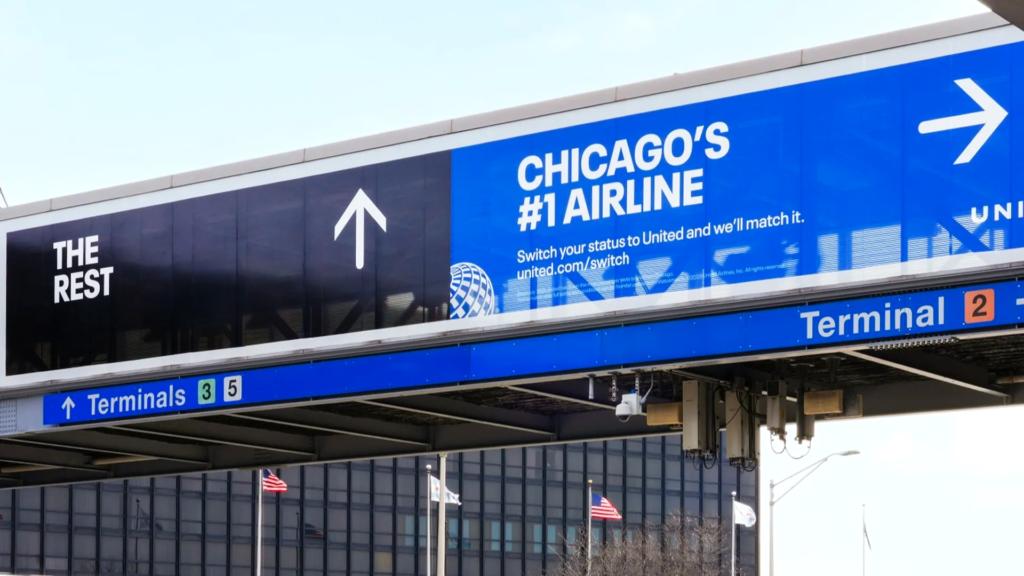
Numbers Behind $1 Billion Figure
When the modeled figures are annualized, the analysis estimated an aircraft operating margin of approximately $2.82 billion for United and $1.84 billion for American at O’Hare.
Those figures should not be confused with net profit.
They cover a narrower set of operating economics and leave out major expenses such as gate and terminal rent, ground handling, station costs, and allocated corporate overhead.
The analysis then makes a critical assumption: if United is roughly breakeven at O’Hare after those additional costs, the gap between its modeled operating margin and American’s modeled margin would imply an annual American loss of about $1 billion.
That calculation explains why Kirby’s number is not inherently impossible. It can emerge from the public data under a specific set of assumptions. It still does not prove that American actually loses $1 billion a year at O’Hare.
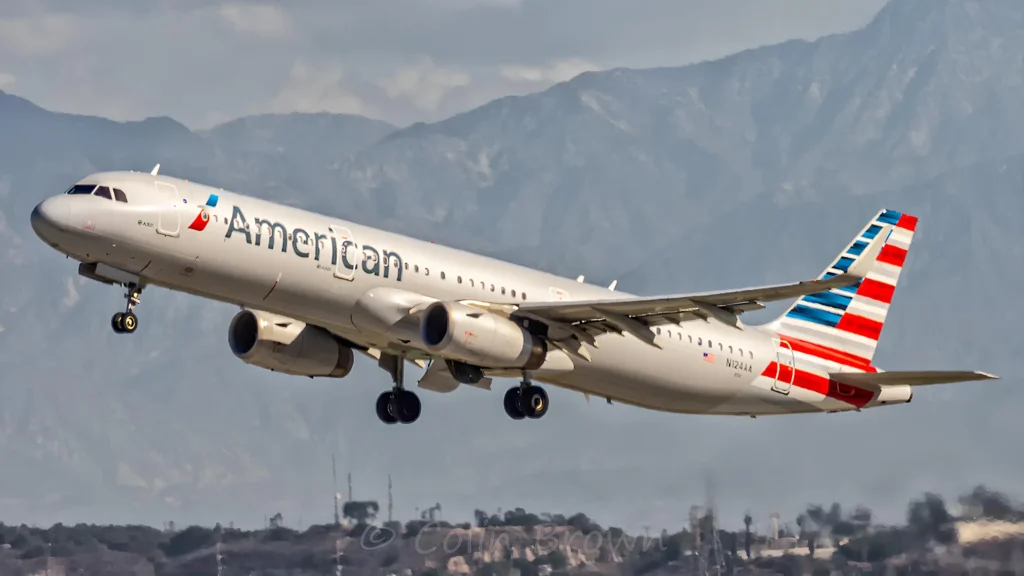
Why $1 Billion Number Does Not Tell Full Story
The biggest weakness in the estimate is that it excludes several revenue streams that are important to modern airline economics.
The analysis does not include ancillary revenue from products such as baggage and seat fees. It also excludes loyalty and co-brand revenue, cargo, and international traffic.
The author of the underlying analysis specifically identified loyalty and co-brand revenue as a major missing component, particularly for American.
That omission is important because a large hub does more than sell individual air tickets.
Chicago can generate frequent-flyer engagement, credit-card spending, partner activity, connecting traffic, premium demand, and network value that may appear elsewhere in an airline’s financial reporting.
A customer flying through Chicago can contribute to the economics of American’s network without all of that value being assigned directly to the Chicago hub. This is also why a hub can appear weak on a direct flight basis while still having strategic value to an airline.
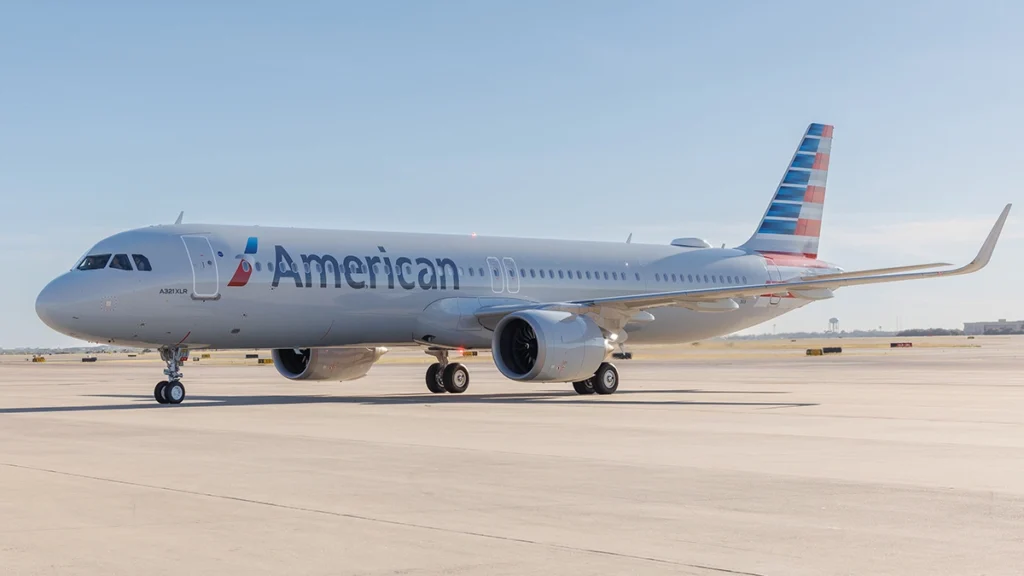
American’s Position Is Still Under Pressure
The limitations of the model do not erase the competitive problem facing American. The analysis points to a difficult combination for the airline: lower revenue per available seat mile and higher direct aircraft operating costs than United. That creates a structural disadvantage before the broader costs and benefits of the hub are considered.
The fleet mix adds another complication. American could lower its cost per available seat by operating larger aircraft, but that does not automatically improve profitability.
If additional capacity lowers fares or requires the airline to stimulate demand with weaker pricing, the lower unit cost can be outweighed by weaker revenue.
This makes the problem more complex than simply adding larger aircraft or increasing the number of seats at O’Hare.
American also continues to invest in Chicago rather than retreat. The airline planned more than 500 peak daily departures from O’Hare in 2026 and has continued adding destinations and improving its airport operation.
Those moves indicate that management still views Chicago as strategically important.
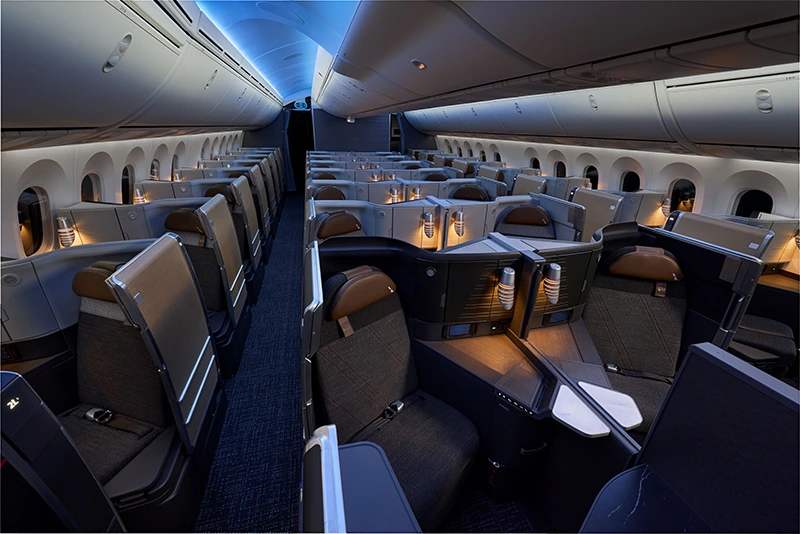
Product Gap Matters Too
The competition is not limited to fares, schedules, and aircraft costs. The onboard product is also part of the battle for high-value travelers.
American has announced a major narrowbody modernization program that includes Starlink connectivity beginning in the first quarter of 2027, along with seatback entertainment screens, additional premium seating, USB-C charging, and other cabin upgrades. The airline says the broader seatback screen rollout is expected to be completed by the early 2030s.
That timeline matters because American is trying to close a product gap while simultaneously defending its Chicago network.
The analysis argued that United could have new narrowbody interiors and Starlink across virtually all of its aircraft by the end of 2027. That comparison highlights the timing challenge facing American: even announced improvements can take years to reach a large share of the fleet.
American is nevertheless adding premium capacity and new international service. It plans to launch nonstop Chicago to Tokyo Narita service on March 27, 2027, its 11th long-haul route from O’Hare, while continuing to expand its Chicago schedule.

Loyalty Program Complicates Any Hub Exit
The economics of a Chicago hub cannot be evaluated entirely through flight-level revenue.
American’s AAdvantage program and its co-brand card relationships create value that extends beyond the ticket sold for a specific O’Hare flight. Chicago also gives American a large customer base from which it can generate future travel, loyalty activity, premium purchases, and partner revenue.
That makes the decision to shrink a hub more complicated than simply comparing flight revenue with operating costs.
Removing flights may reduce some costs, but it can also weaken the network, reduce customer relevance, affect connecting opportunities, and diminish the value of the loyalty ecosystem. Public data does not provide enough information to calculate the exact financial impact of those effects at O’Hare.
The same limitation applies to United, which means the analysis cannot conclusively establish the full profit of either airline’s Chicago hub.
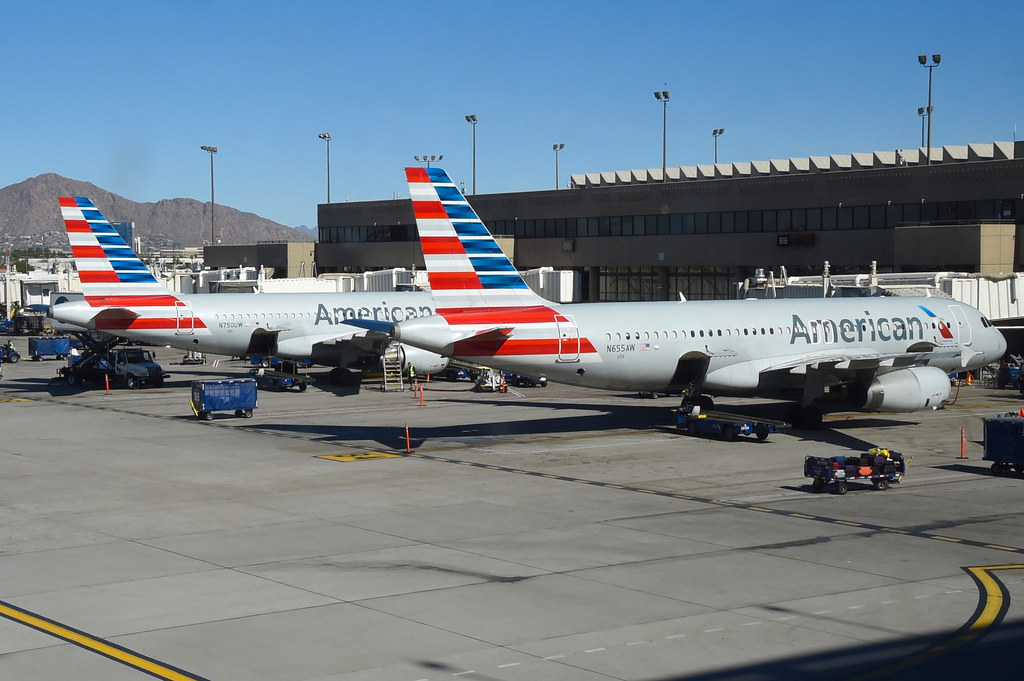
Is American Really Losing $1 Billion?
The evidence supports a narrower conclusion than the headline claim.
The independent analysis shows that United has materially stronger modeled economics at O’Hare. United produces higher estimated domestic revenue per available seat mile and lower direct aircraft operating costs, resulting in a substantially stronger modeled operating margin.
The approximately $1 billion loss figure can also be reproduced if United is assumed to be operating at break-even after its other Chicago-related expenses and if comparable expenses are effectively assigned to American.
But that assumption is decisive.
The model does not include ancillary revenue, loyalty and co-brand revenue, cargo, international traffic, or the complete set of hub and corporate expenses. Those omissions are too significant for the modeled gap to be treated as a confirmed annual loss.
The original analysis therefore supports the idea that American is likely losing substantial money on a fully allocated basis, but it does not establish a $1 billion annual loss as an accounting fact.
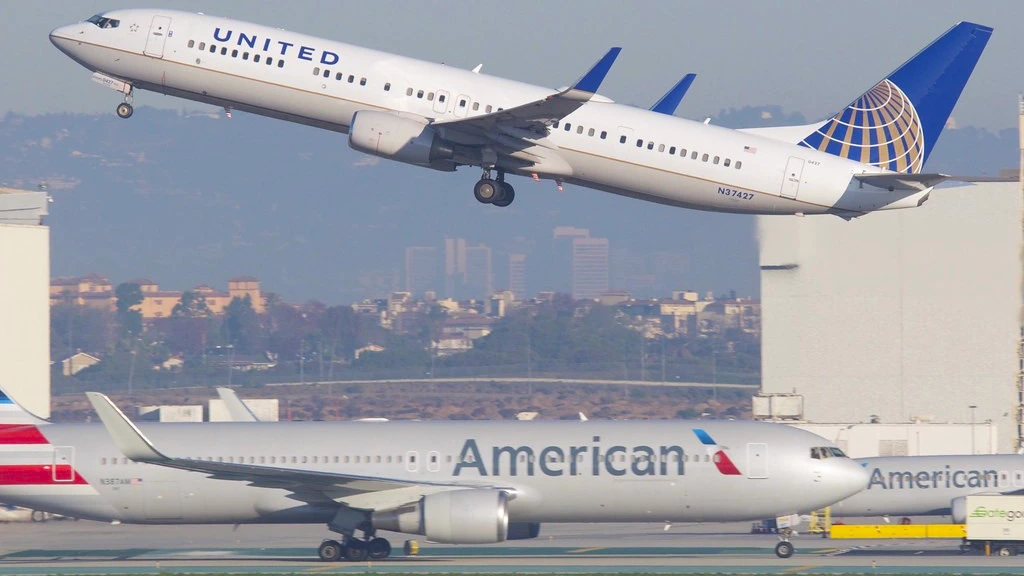
More Likely Problem for American
The more important question is how large American’s economic shortfall remains after the missing revenue and cost categories are included.
The original assessment argues that the actual loss could be in the hundreds of millions of dollars rather than the $1 billion range.
That is an analytical judgment, not a published American financial figure, but it better reflects the uncertainty created by the missing loyalty, ancillary, cargo, international, and network effects.
That would still represent a serious problem.
A hub generating a large fully allocated loss can consume capital and management attention even if its individual flights cover direct costs. American therefore has to improve the quality of its Chicago economics rather than simply preserve its current scale.
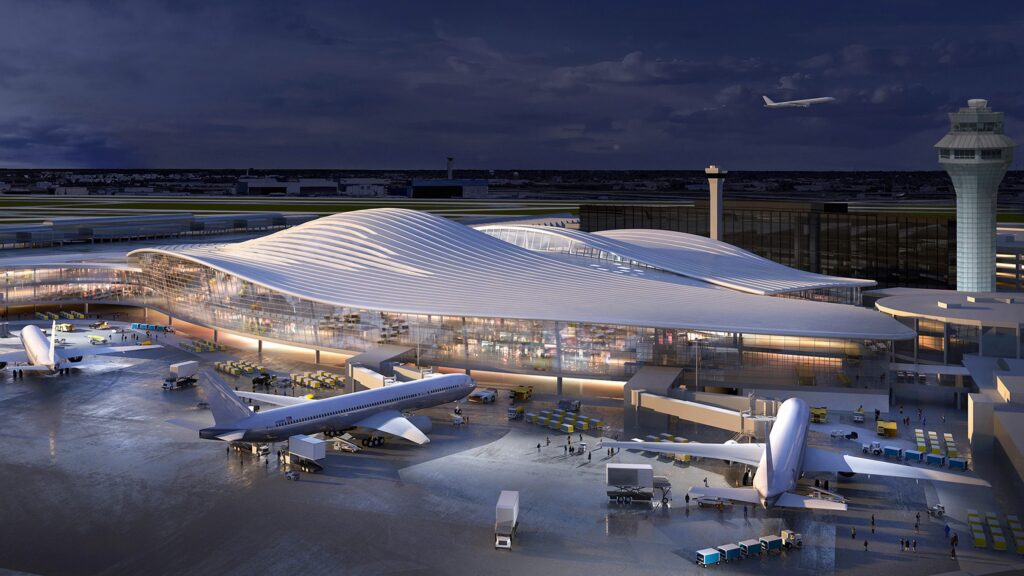
What American Has to Solve in Chicago
American’s challenge is not simply whether to stay at O’Hare. Its strategy must address why United is generating more revenue while also controlling direct operating costs more effectively.
The airline can increase premium revenue, strengthen its product, improve schedule quality, optimize its fleet mix, pursue stronger corporate demand, and use Chicago to generate more loyalty value. It can also adjust capacity in markets where additional seats do not produce attractive returns.
The difficulty is that these improvements take time.
American does not appear to be preparing to abandon Chicago. Its current schedule and announced network investments point in the opposite direction.
United, meanwhile, is also unlikely to surrender market share voluntarily. Reuters reported in January 2026 that United planned a record summer schedule at O’Hare, including 750 daily departures, underscoring how aggressively both airlines are approaching the market.
The result is a competitive environment in which neither carrier has an obvious incentive to retreat.
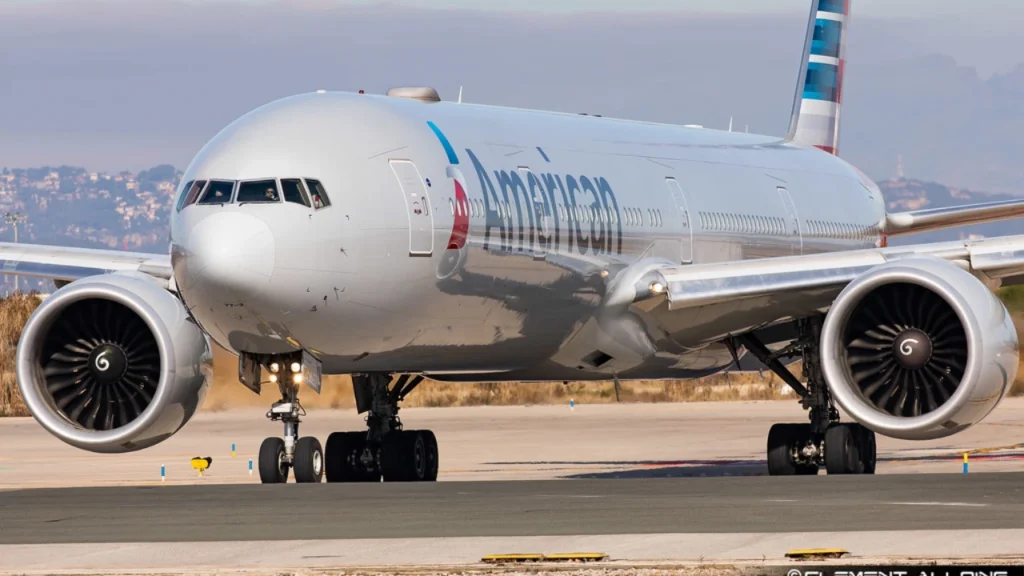
Bottom Line
Scott Kirby’s claim that American loses roughly $800 million to $1.1 billion annually at Chicago O’Hare cannot be independently confirmed from public airline financial statements.
The available analysis does, however, show a significant economic disadvantage for American. United has higher modeled domestic revenue per available seat mile, lower direct aircraft operating costs, and a stronger modeled margin at the airport.
The $1 billion figure becomes plausible only after making a major assumption about United’s break-even position and allocating substantial additional costs to American.
Because the calculation excludes important sources of airline revenue and network value, it should be treated as an estimate rather than a proven financial result.
American’s position may therefore be less catastrophic than the headline suggests, but the underlying competitive problem remains serious. The airline has lower modeled revenue, higher modeled costs, a slower product modernization cycle, and a rival that continues to expand aggressively at the same airport.
The central strategic question is not whether American will immediately leave Chicago. It is whether American can make the economics of O’Hare better before United’s advantages become even harder to overcome.
Stay tuned with us. Further, follow us on social media for the latest updates.
Join us on Telegram Group for the Latest Aviation Updates. Subsequently, follow us on Google News
