

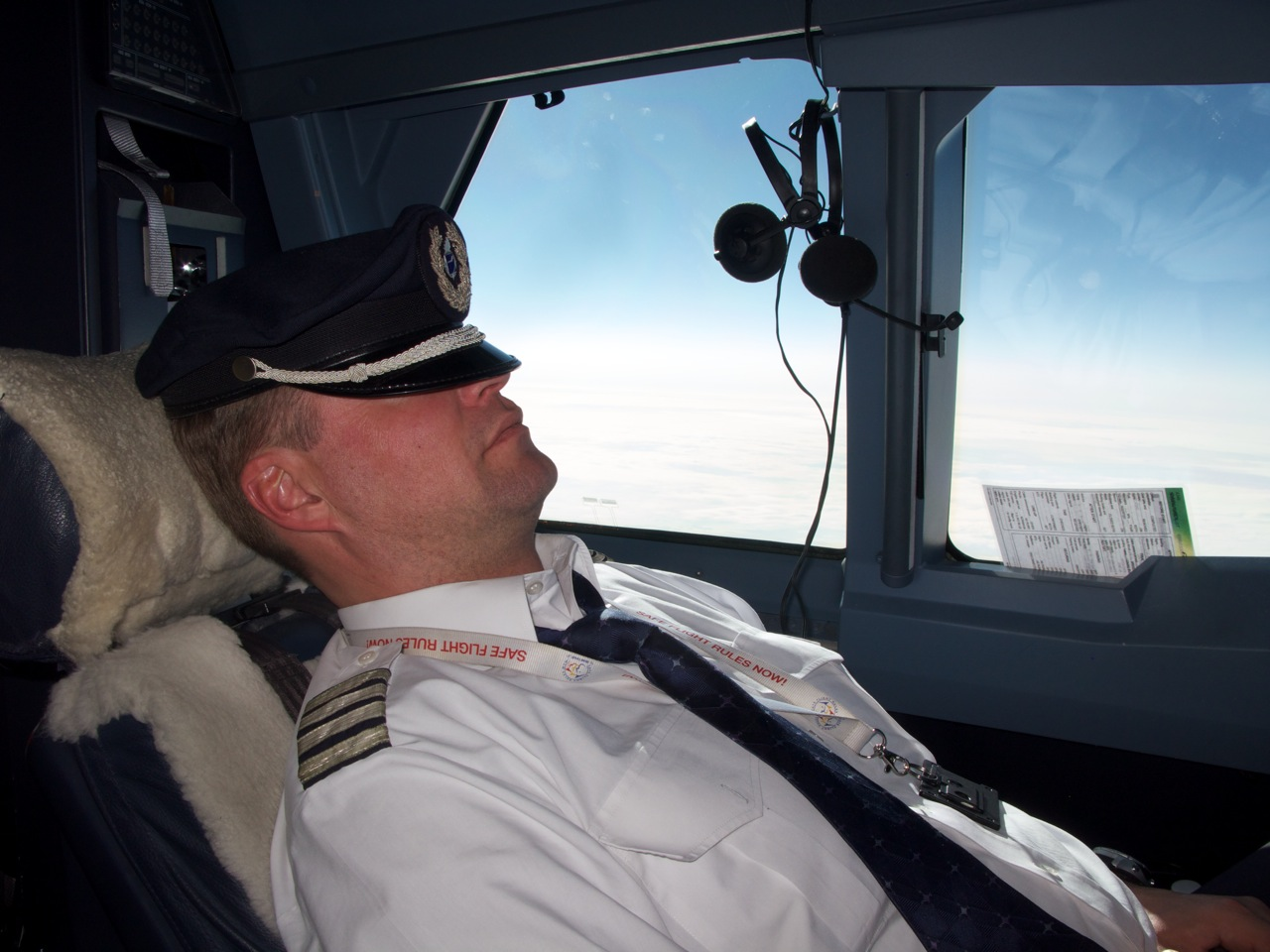
Pilots from Vereinigung Cockpit (VC) report that controlled cockpit rest is common, with 93% of more than 900 survey participants saying they took a short nap during a flight in the past year. Vereinigung Cockpit (VC) represents pilots in Germany, while the European Union Aviation Safety Agency (EASA) rules permit controlled rest under strict conditions.
The practice is designed to manage fatigue during long flights, not to replace proper crew scheduling and rest. EASA (EU) permits one pilot to take a controlled rest period while the other remains at the controls, a practice supported by research dating back to a NASA study involving Boeing 747 crews on transpacific flights.

German Pilots Report Widespread Use of Controlled Cockpit Rest
The internal survey by Vereinigung Cockpit involved more than 900 pilots and found that 93% had taken a short power nap during a flight in the previous year.
The pilots’ union does not consider controlled rest itself to be a safety problem. European aviation rules allow pilots to use planned rest periods under defined procedures. However, the union has raised concerns when short naps become a way to compensate for structural or recurring fatigue.
This distinction is important. Controlled rest is intended as a fatigue-management measure during flight. It does not replace adequate sleep, legal crew-rest requirements, or effective flight-duty planning, AeroTelegraph reported.

What EASA Rules Allow in the Cockpit
The European rules governing controlled rest are set out under CAT.OP.MPA.210, which covers operator procedures for flight crew rest during flight.
Under the controlled-rest procedure described in the source material, a pilot can take a rest period of up to 45 minutes. Actual sleep should generally not exceed about 30 minutes, followed by a recovery period of around 20 minutes.
Only one pilot can rest at a time. The other pilot must remain awake and maintain responsibility at the controls. Cabin crew also monitor the resting pilot as part of the procedure.
The rules are intended to reduce the effects of fatigue while maintaining a continuous level of flight-deck supervision.

NASA Research Helped Shape the Practice
The scientific basis for controlled cockpit rest can be traced to research conducted by NASA in the early 1990s.
A research team led by Mark Rosekind studied 21 long-haul crews operating Boeing 747 aircraft on scheduled transpacific flights. Unlike simulator-based research, the study observed crews during actual airline operations.
The crews were divided into two groups. Twelve pilots were given the opportunity to take a planned rest period of about 40 minutes during the cruise phase. The remaining nine pilots did not receive the same opportunity.
NASA published the study’s findings in September 1994 as a technical note from the NASA Ames Research Center.
Figures frequently associated with the research state that a controlled nap improved performance by 34% and alertness by 54%. Those figures came from a separate, condensed summary published by Rosekind and colleagues in the Journal of Sleep Research in 1995, rather than directly from the original NASA technical note.
Short Naps Reduced Fatigue
Researchers assessed pilot alertness and reaction time through performance testing and measurements of electrical brain activity. The assessments also examined performance during critical phases, including descent and landing.
The pilots who received a planned rest opportunity showed better concentration and reaction times than those in the control group.
Ninety-three percent of pilots in the rest group used the opportunity to sleep. They fell asleep after an average of 5.6 minutes and slept for approximately 25.8 minutes on average.
The researchers did not conclude that a short nap made pilots perform better than their normal rested state. Instead, the nap helped limit the decline in alertness and efficiency associated with fatigue.
That distinction remains central to the concept of controlled cockpit rest. The objective is to help pilots maintain performance rather than create an advantage beyond normal alertness.
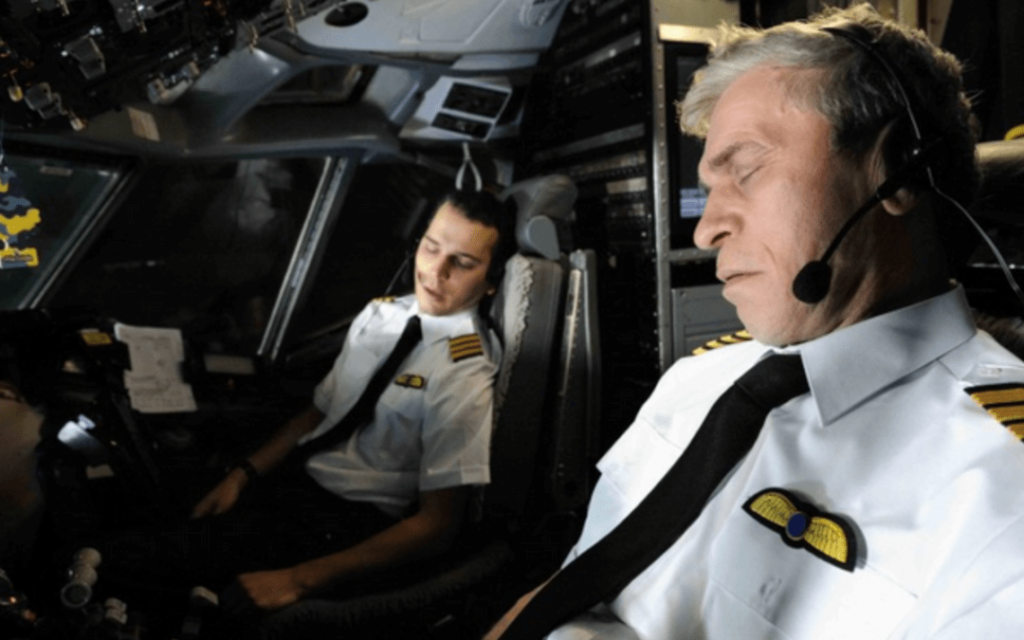
Controlled Rest Is Allowed in Several Countries
The research eventually influenced aviation authorities in several countries.
In addition to EASA, controlled cockpit rest is permitted under defined conditions in countries including Canada, Australia, China, India, New Zealand, Turkey, and the United Arab Emirates.
Although the precise requirements differ between jurisdictions, the common principle is that only one pilot rests at a time while the other remains responsible for operating the aircraft.
The practice therefore depends on strict procedures rather than allowing pilots to sleep freely during flight.
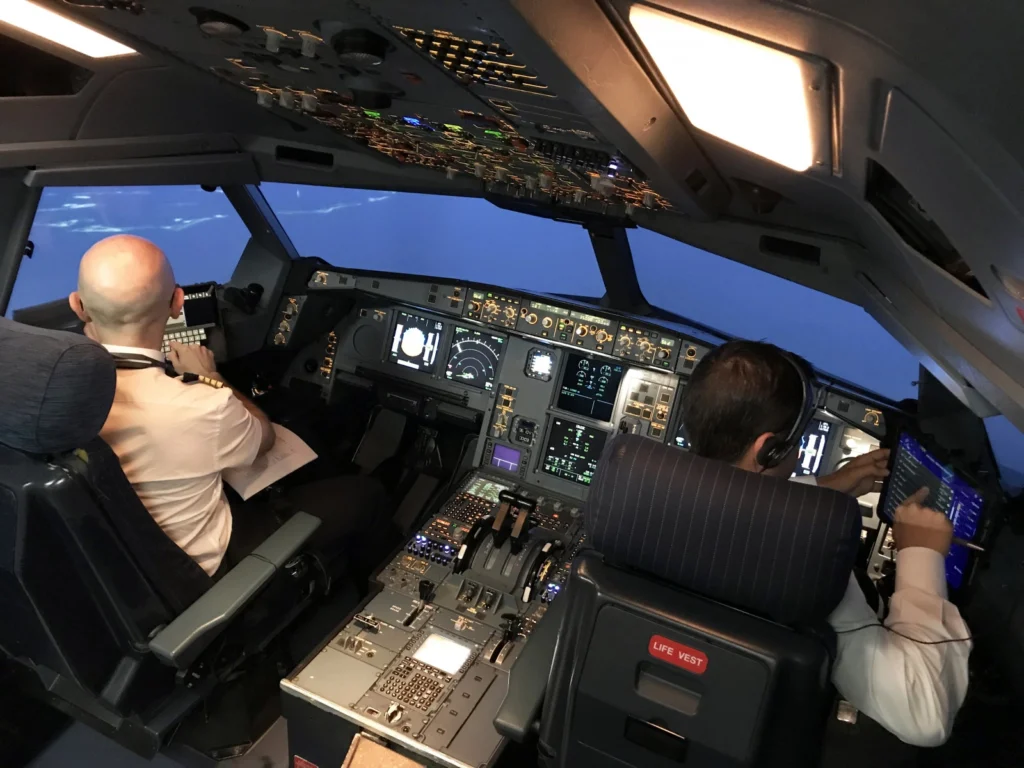
FAA Maintains a Different Approach
The United States remains a major exception to the international approach.
The Federal Aviation Administration (FAA) reviewed controlled cockpit rest in connection with flight and duty-time regulations but did not approve planned naps for airline flight crews.
As a result, planned cockpit naps in the pilot seat remain prohibited for US passenger and cargo airlines.
Exceptions exist within certain US military operations. The US Air Force and US Coast Guard can use controlled rest practices under their own operational frameworks.
The contrast is notable because the underlying NASA research was conducted in the United States. While other regulators incorporated the findings into fatigue-management practices, the FAA maintained its prohibition on planned cockpit rest for US commercial airline operations.
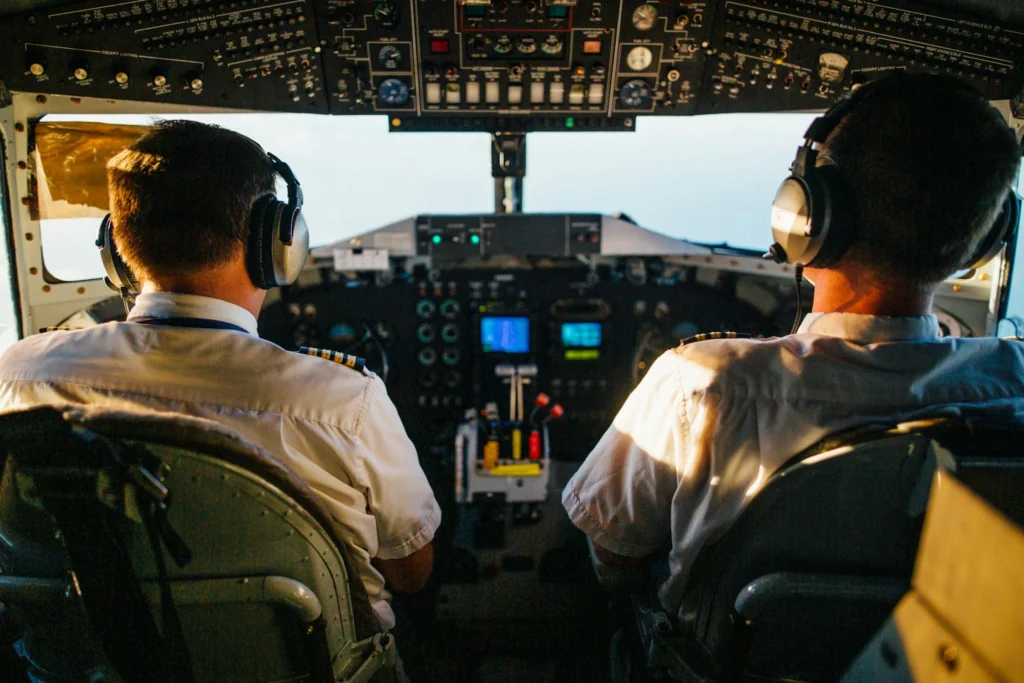
Controlled Rest Remains a Fatigue-Management Tool
The German pilots’ survey highlights how commonly controlled rest is used in practice, while the NASA research provides a scientific basis for its use under controlled conditions.
The evidence does not suggest that cockpit naps eliminate fatigue. Instead, short, planned rest periods can help reduce declines in alertness during long-haul operations.
For airlines and regulators, the key issue remains how such procedures are implemented. Controlled rest works within a broader fatigue-risk management framework and requires clear limits, crew coordination, and continuous control of the aircraft by an awake pilot.
Stay tuned with us. Further, follow us on social media for the latest updates.
Join us on Telegram Group for the Latest Aviation Updates. Subsequently, follow us on Google News
