

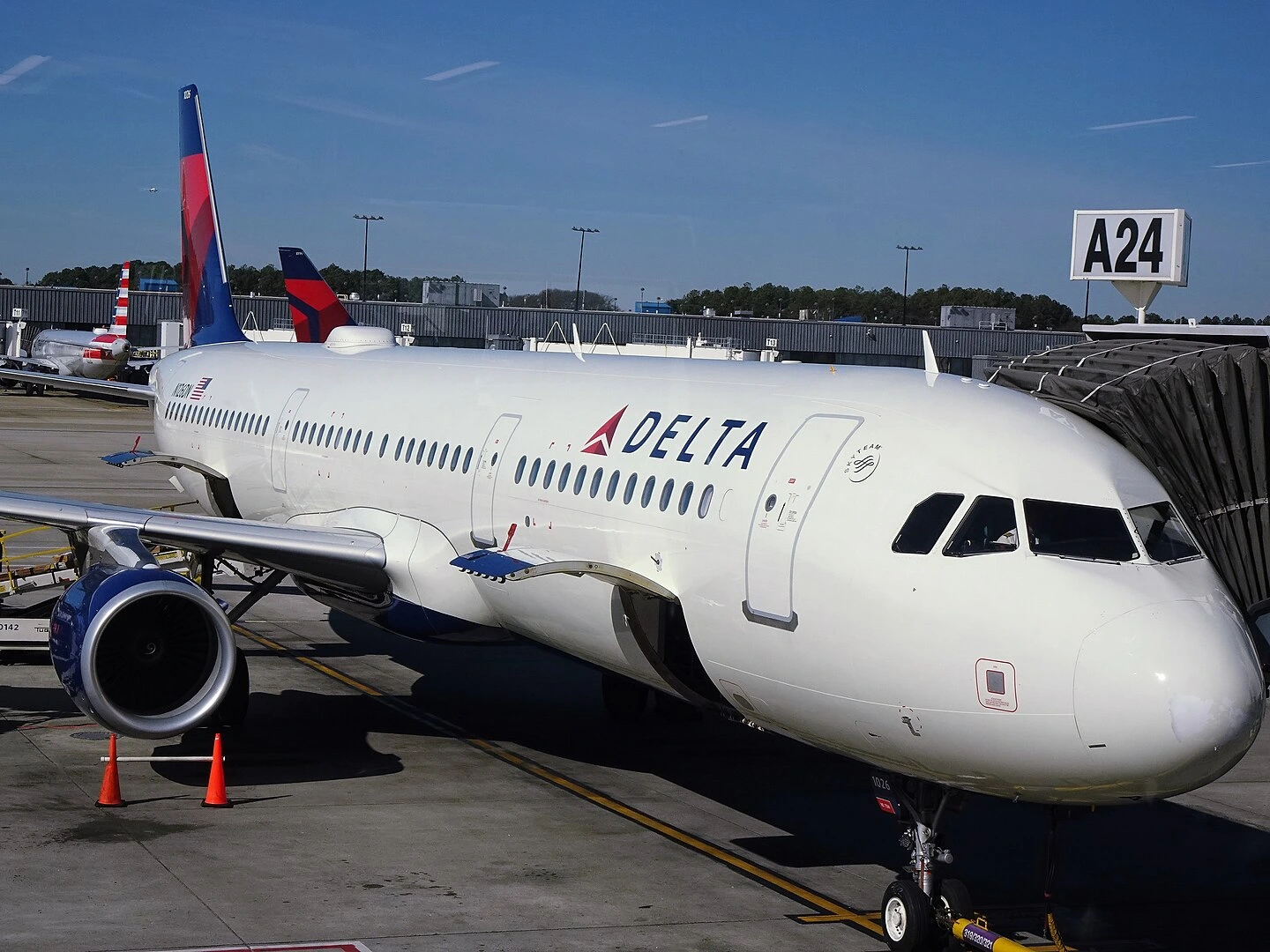
ATLANTA- Delta Air Lines (DL) is facing a lawsuit from passenger Ricka Thomas, who claims a filthy seat on Flight 763 from Hartsfield-Jackson Atlanta International Airport (ATL) to Los Angeles International Airport (LAX) caused a bacterial hand infection on August 18, 2025. She alleges that airline staff failed to arrange proper cleaning before departure.
Thomas is seeking approximately $170,000 in damages for medical expenses, lost earnings, pain and suffering. Delta has denied the allegations, setting up a legal dispute over aircraft cleanliness, passenger safety and whether the contaminated seat caused her reported injuries.
Delta Passenger Challenges Airline Over Contaminated Seat
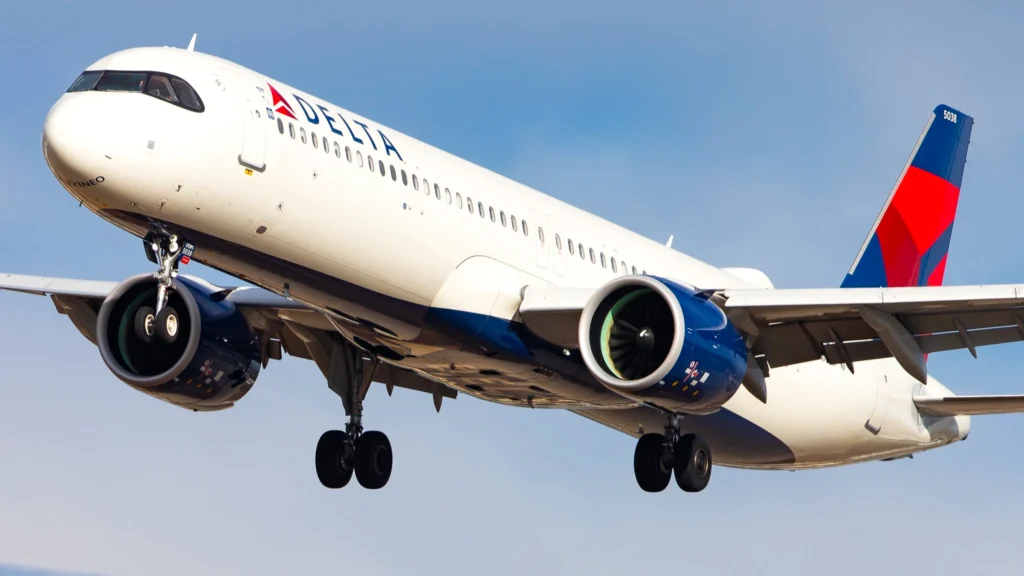
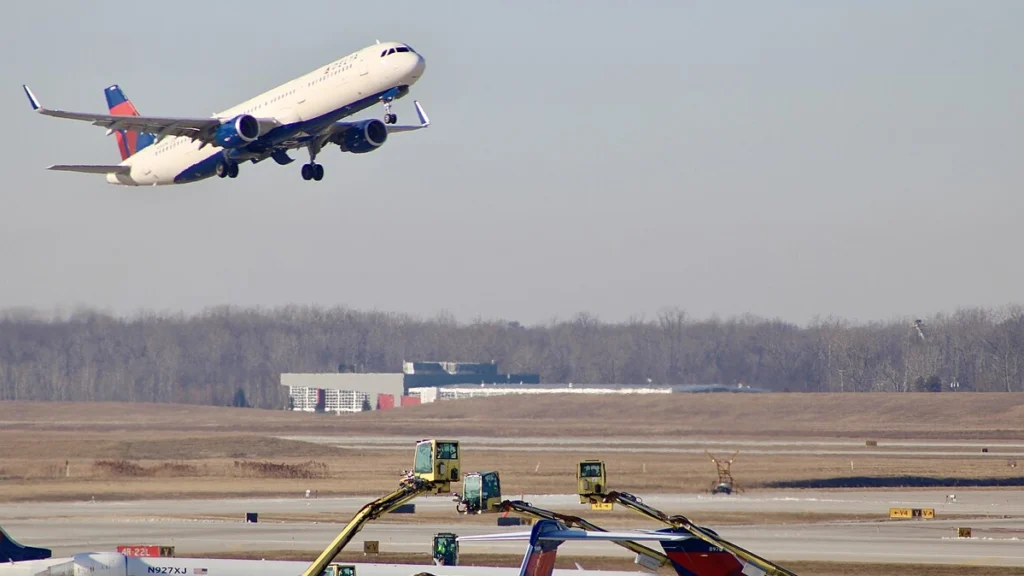
According to a report by The Independent, Thomas was seated in economy seat 14F when she boarded Delta Flight 763 for the journey from Atlanta to Los Angeles. She reportedly refused to sit down because the seat appeared visibly dirty.
The complaint alleges that a flight attendant contacted maintenance staff to address the problem. However, the personnel allegedly arrived without the appropriate equipment to clean the seat properly.
With the aircraft preparing for departure, Thomas claims she was told to make do with the situation. She then removed the material from the seat herself using her bare hands.
The lawsuit describes the debris as rubbish, yellow sticky residue, mildew and old, rotten food. Thomas alleges that contact with the material led to a severe bacterial infection affecting her hands. These allegations have not been established in court.
Passenger Reports Serious Hand Injuries
Thomas’s complaint describes several physical injuries, including bacterial infection, dermatitis, a rash, blisters, skin discoloration, and severe swelling of her hands.
The lawsuit also claims that the injuries affected her ability to work and carry out normal household and recreational activities. Thomas reportedly continued to experience emotional distress, nightmares, and insomnia approximately 15 months after the incident.
The complaint seeks $100,000 for pain and suffering, approximately $15,000 in medical expenses already incurred, another $25,000 for expected future medical treatment and around $30,000 for lost earnings.
These amounts total approximately $170,000. The figure represents the damages Thomas is seeking, not a court award or an agreed settlement.
Delta Denies the Allegations
Delta has denied the claims in its formal response to the lawsuit. The airline also stated that it does not comment on pending litigation.
Its legal response challenges responsibility for the alleged injuries and argues that Thomas failed to exercise reasonable care to avoid an apparent danger, to the extent that such a danger existed. Delta further argues that her own actions contributed, wholly or partly, to the reported injuries.
The case therefore involves several questions, including whether the airline failed to provide a reasonably safe seating environment, whether its employees responded appropriately after the complaint, and whether the contamination caused the reported medical condition.
Medical Evidence Could Shape the Case
One of the central issues will be whether Thomas can establish a direct connection between the material on seat 14F and her reported infection.
Medical records, treatment history and expert evidence could help establish when her symptoms began, what condition she developed and whether the exposure described in the complaint caused it.
Delta’s argument about Thomas’s decision to remove the debris herself could also affect the proceedings. However, the fact that she handled the material with bare hands does not, by itself, establish that she was responsible for her injuries. The circumstances in which she was asked to deal with the seat, along with the actions available to the crew, may also matter.
The court will need to assess the evidence and applicable law before determining whether either party bears responsibility. At this stage, neither the alleged cause of the infection nor the airline’s liability has been established.
Delta’s Pandemic-Era Cleaning Commitments
Airline Promised Higher Cleaning Standards
The lawsuit has renewed attention on Delta’s public commitments to aircraft cleanliness during the COVID-19 pandemic.
In April 2020, Delta said its enhanced cleaning measures would remain a long-term commitment. The airline announced that domestic aircraft would receive interior disinfection treatments overnight and that crews would use extensive cleaning checklists before flights.
The measures covered frequently touched surfaces, including armrests, tray tables, seatback entertainment screens and seatback pockets.
In May 2020, Delta announced that it was using electrostatic sprayers to disinfect aircraft interiors before every flight at the airports it served. The process was followed by manual cleaning with disinfectant, covering seats, armrests, screens, galleys, and lavatories.
Delta also said its regional Delta Connection flights followed the same cleaning standards as its mainline operations.
Global Cleanliness Team Added Oversight
Delta subsequently established a Global Cleanliness organization within its customer experience division. The initiative was designed to manage cleaning standards, improve procedures, and monitor the quality of sanitation across aircraft and airport facilities.
In March 2021, Delta highlighted a 44-point cleaning process and the use of surface-testing equipment to check cleanliness. The airline also described its broader health and safety measures, which included guidance from Mayo Clinic and Emory and a partnership with Lysol’s parent company.
These announcements document the airline’s pandemic-era commitments. However, they do not establish which cleaning procedures were followed on Flight 763 on August 18, 2025.
The distinction is important because disinfecting surfaces and removing visible debris are separate tasks. Even when an aircraft receives a disinfection treatment, staff must still identify and remove food residue, rubbish, and other physical contamination.
The lawsuit raises questions about whether the crew and maintenance personnel responded adequately to the specific condition reportedly found on Thomas’s seat.
Earlier Reports of Unsanitary Conditions on Delta Flights
March 2025: Passenger Reports Vomit on Seatbelts
In March 2025, a passenger travelling from Atlanta to Cape Town reported finding dried vomit on her seatbelt and additional contamination on her husband’s seatbelt.
According to the passenger’s account, the crew replaced the affected seatbelts and wiped down the seats. However, she also alleged that a flight attendant picked up the contaminated seatbelts with bare hands and placed them on a galley counter used for food and beverage preparation.
The account drew attention to the handling of contaminated cabin equipment and the risk of transferring debris between surfaces. It was a separate incident and does not establish the facts of Thomas’s lawsuit.
2018: Passenger Reports Animal Waste on Seat
A separate incident occurred in 2018 on a Delta flight from Atlanta to Miami. Passenger Daniel Meehan reported encountering feces left by an ill service animal in his business-class seating area.
According to reports cited by The Independent, crew members provided paper towels and a bottle of gin to help him clean himself. The passenger said contamination remained around his seat, and the aircraft was reportedly taken out of service for deep cleaning after arriving in Miami.
Although the incidents involved different circumstances, they illustrate why airlines need effective procedures for visible contamination, appropriate cleaning equipment and the safe handling of soiled materials.
What Happens Next in the Delta Lawsuit?
Thomas’s lawsuit puts the airline’s response to a reported cabin-cleaning problem at the centre of a personal injury dispute. The court will need to consider the evidence supporting her medical claims alongside Delta’s denials and arguments about responsibility.
The key questions are whether the seat was contaminated as alleged, whether the airline’s staff handled the complaint appropriately, and whether the reported exposure caused Thomas’s injuries and financial losses.
The approximately $170,000 claim remains unresolved. The case does not establish that Delta’s cleaning procedures failed across its wider operation, but its outcome could clarify how the court evaluates responsibility when a passenger reports an unsafe or visibly contaminated seat.
Stay tuned with us. Further, follow us on social media for the latest updates.
Join us on Telegram Group for the Latest Aviation Updates. Subsequently, follow us on Google News
