


LONDON– A British Airways Airbus A321neo suffered a reported double tailstrike while attempting to land at London Heathrow Airport (LHR) on Thursday, November 12, 2026. The aircraft was operating flight BA431 from Amsterdam Schiphol Airport (AMS) when its rear fuselage struck the runway during the landing sequence, forcing the pilots to abandon the approach.
The incident prompted the crew to perform a go-around before making another approach to Heathrow, where the aircraft landed safely. The UK Air Accidents Investigation Branch (AAIB) has been called in to investigate the incident, while British Airways has withdrawn the aircraft from service for maintenance inspections.
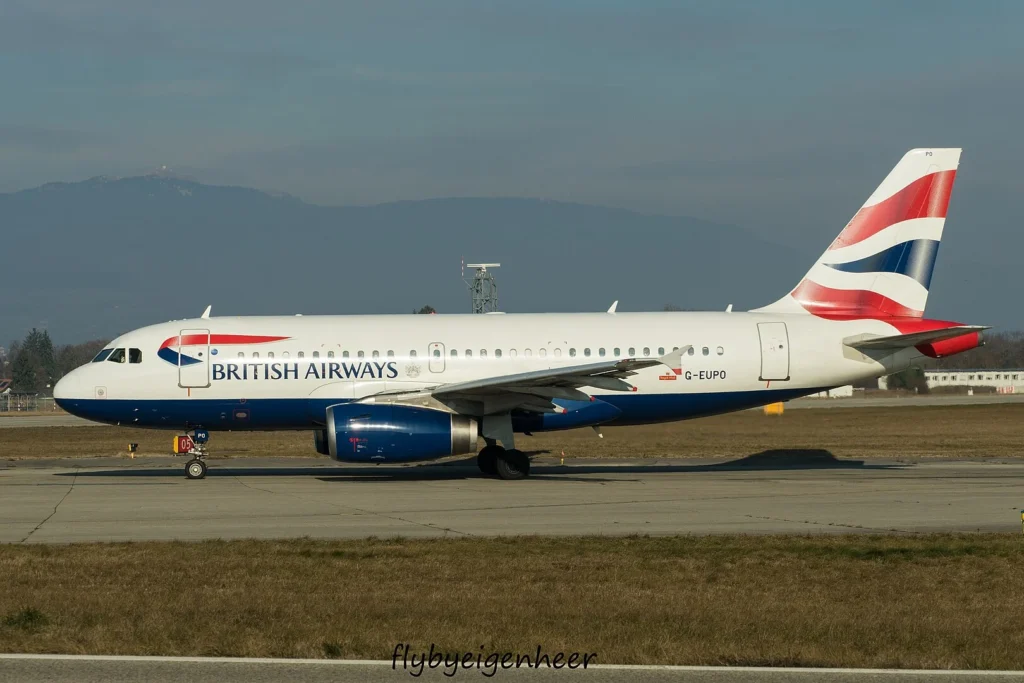
BA431 Landing Incident Raises Safety Concern
The aircraft involved was an approximately two-year-old Airbus A321neo registered as G-TNEB. It had started its operating day at Heathrow, completing an outbound flight to Amsterdam before returning to London on the affected service.
The landing attempt took place on runway 27L at approximately 10:35 local time. Footage shared by Big Jet TV, an aviation livestream channel operated by enthusiast Jerry Dyer, captured the aircraft’s tail making contact with the runway as the jet touched down.
The footage appeared to show the rear section striking the runway twice before the aircraft climbed away. The crew initiated a go-around, applying additional engine power to regain altitude and prepare for another landing attempt.
The incident attracted attention because the landing took place in relatively calm weather conditions. Big Jet TV subsequently shared the footage on social media, bringing the unusual landing sequence to a wider aviation audience.

Aircraft Grounded For Inspection
Following the go-around, the A321neo climbed away from Heathrow before positioning for another approach. The aircraft subsequently landed safely on its second attempt, allowing passengers to disembark normally.
British Airways removed G-TNEB from commercial operations following the incident. The airline has scheduled the aircraft to return to service on November 14, although its availability will depend on the results of engineering inspections and any repairs required.
A tailstrike occurs when an aircraft’s rear fuselage makes contact with the runway, usually during takeoff or landing. The incident can damage the aircraft’s lower rear structure and require detailed inspections before engineers can clear it for further operations.
The extent of any damage to the British Airways aircraft has not been publicly established. Investigators will examine the circumstances surrounding the landing, while technical inspections will help determine whether the aircraft requires repairs.
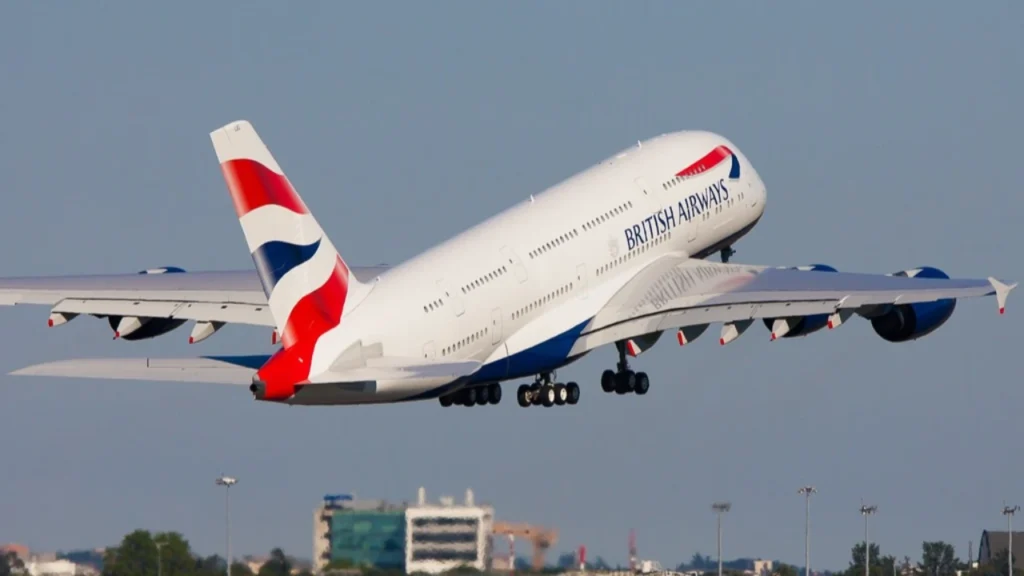
AAIB Investigation Underway Following Heathrow Accident
The AAIB is investigating the incident to establish the circumstances behind the unusual landing sequence. The investigation will help determine the factors that contributed to the tailstrike and the crew’s decision to initiate a go-around.
British Airways confirmed that the aircraft landed safely and that it is cooperating with investigators. However, the airline declined to provide further details while the investigation remains ongoing.
A British Airways spokesperson said: “The aircraft landed safely, and we’re assisting the AAIB with its investigation and are legally unable to comment further at this stage.”
The incident also highlights the potential consequences of tailstrikes for commercial aircraft. In 2024, an Air France Airbus A350 suffered a serious tailstrike while landing at Toronto Pearson International Airport, requiring extensive repairs and keeping the aircraft out of service for several months.
Unlike routine landing disruptions, tailstrikes require careful structural assessments because damage to the rear fuselage can affect an aircraft’s airworthiness. The AAIB investigation and subsequent engineering checks will determine the next steps for G-TNEB, PYOK reported.
Stay tuned with us. Further, follow us on social media for the latest updates.
Join us on Telegram Group for the Latest Aviation Updates. Subsequently, follow us on Google News
