

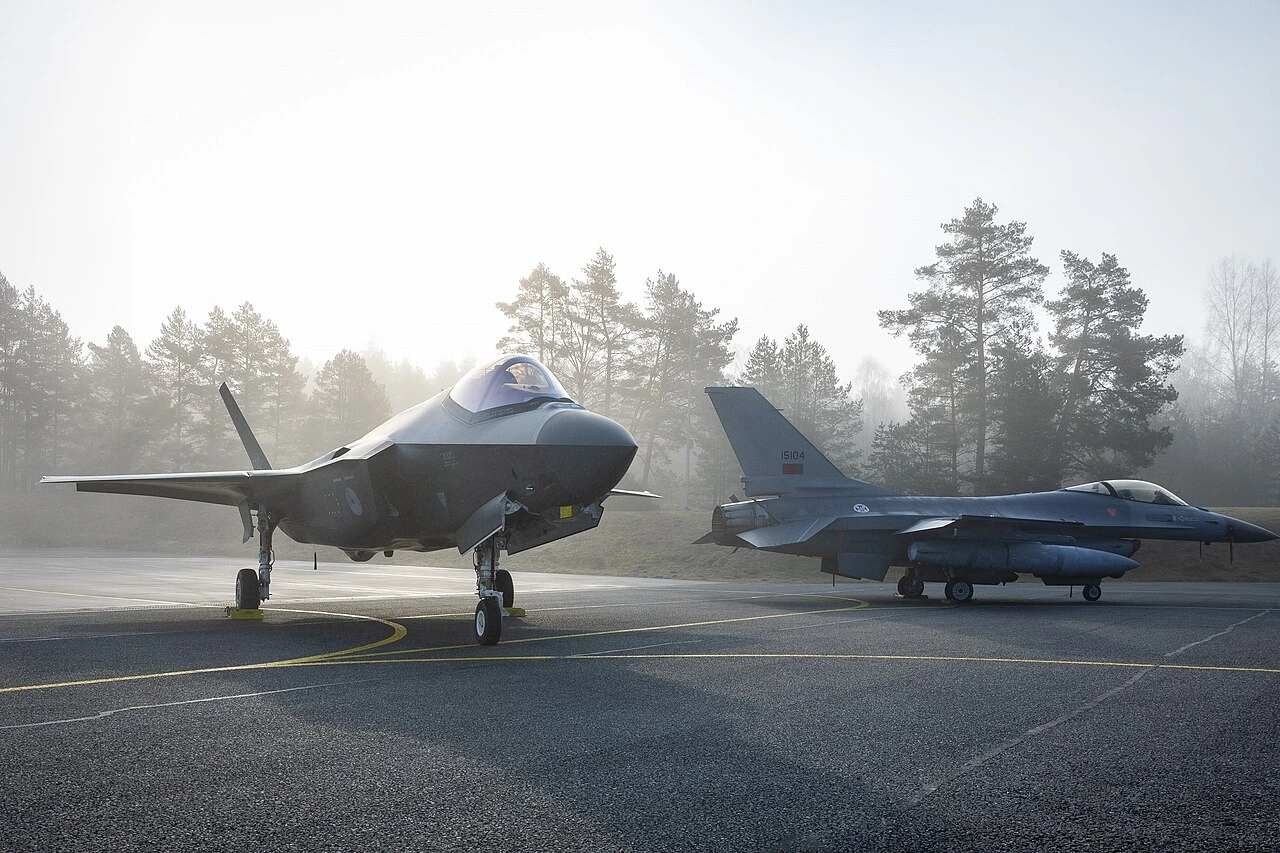
HAWAII- Pacific Air Forces (PACAF) hosted 2 back-to-back virtual F-35 exercises in October, Cope Lightning 26-2 and 26-3.
Pilots from Australia, Japan, South Korea, and Singapore trained on the FENIX simulator at Andersen Air Force Base (UAM), Guam.
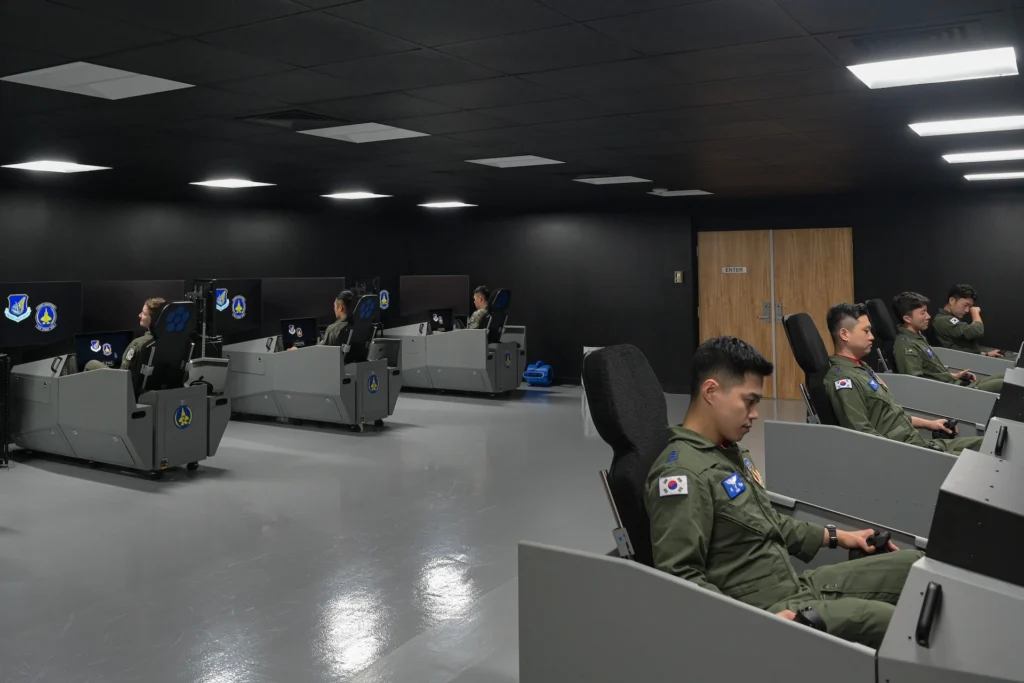
FENIX Simulator Supports Multinational F-35 Training
Pacific Air Forces hosted 2 consecutive virtual exercises, Cope Lightning 26-2 and Cope Lightning 26-3, to strengthen multilateral combat readiness across the Pacific.
Cope Lightning 26-2 involved the Royal Australian Air Force and Japan Air Self-Defense Force, while Cope Lightning 26-3 brought together the Republic of Korea Air Force and Republic of Singapore Air Force.
The FENIX simulator provided a shared training environment where F-35 pilots and other fifth-generation fighter personnel could rehearse complex, theater-specific missions.
It allowed participating nations to plan, execute and review simulated operations together without relying entirely on live aircraft activities.
Col. William Yoakley, commander of the Pacific Air Warfare Center, highlighted the importance of this approach.
“Cope Lightning delivers an unmatched simulation environment where our F-35 and fifth-generation warriors can rehearse complex, theater-specific scenarios,” Yoakley said.
He explained that the platform allows Pacific F-35 allies and partners to come together under one roof to brief, execute and debrief missions. This level of multinational training coordination is difficult to achieve through real-world peacetime flying operations.
Cruise Missile Defense and SEAD Missions
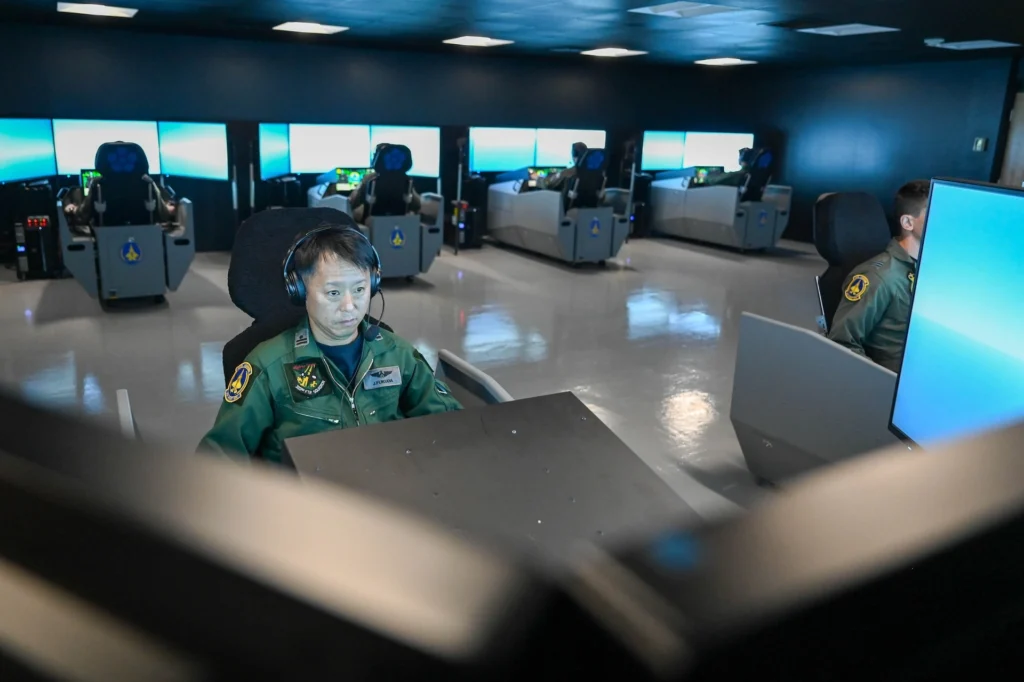
During both exercise iterations, pilots practiced complex tactical missions, including cruise missile defense and suppression of enemy air defenses (SEAD).
These mission scenarios require coordinated responses, accurate tactical decisions and effective communication between aircraft and command organizations. Reproducing them through live flying alone can be structurally and logistically difficult.
The FENIX simulator allowed participating pilots to rehearse these scenarios in a controlled virtual environment. It provided opportunities to repeat mission activities and evaluate how different air forces coordinate their tactical responses.
Cruise missile defense training focuses on coordinating aircraft and command resources to respond to incoming missile threats. SEAD missions involve operations designed to suppress or neutralize enemy air defense systems that could restrict friendly aircraft operations.
Practicing both mission types helped participating pilots develop a shared understanding of the tactical requirements involved in complex air operations. It also allowed multinational teams to work through scenarios that would be difficult to organize through live-flight training alone.
Integrated Command and Control Systems
Beyond aircraft tactics, Cope Lightning focused on testing communication and coordination between multinational pilots and geographically separated command organizations.
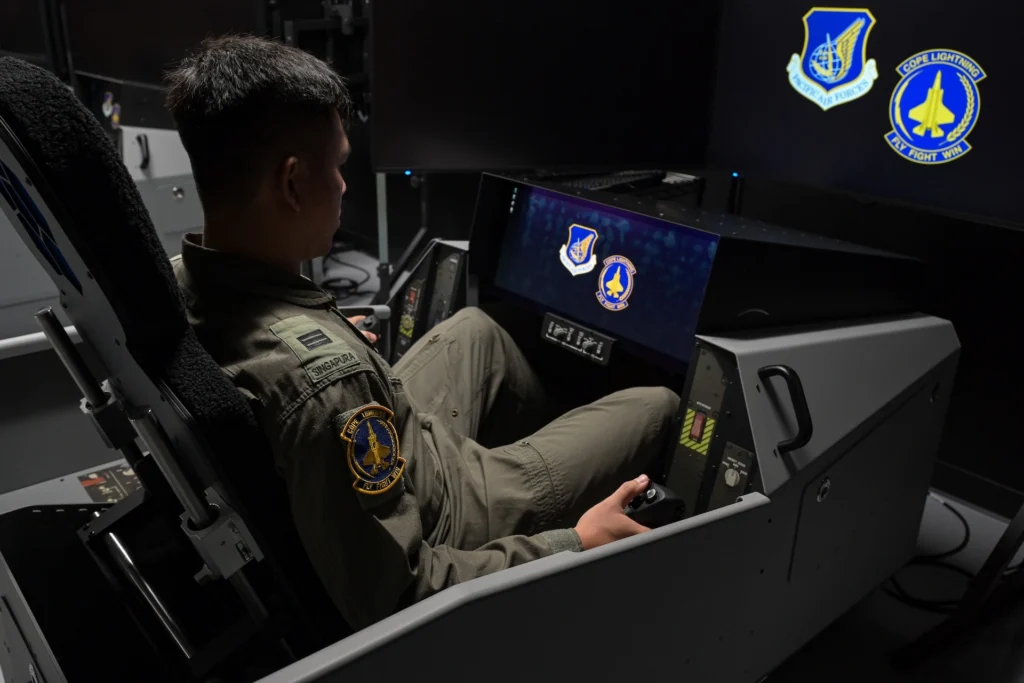
The FENIX virtual architecture integrated command and control systems directly into the simulated environment. This allowed pilots to conduct real-time radio and data-link communications with controllers located in different geographical areas.
The integrated setup tested operational coordination from the cockpit to the command center. Pilots could communicate with controllers and coordinate mission activities through the systems used to support complex military operations.
This approach extended the training beyond individual aircraft performance. It allowed participating air forces to assess how effectively their personnel and command organizations could exchange information and coordinate tactical activities within a multinational environment.
Testing these connections during simulated missions also helped ensure that communication procedures and operational coordination were included in the overall exercise rather than treated as separate training activities.
Singapore Gains F-35 Experience
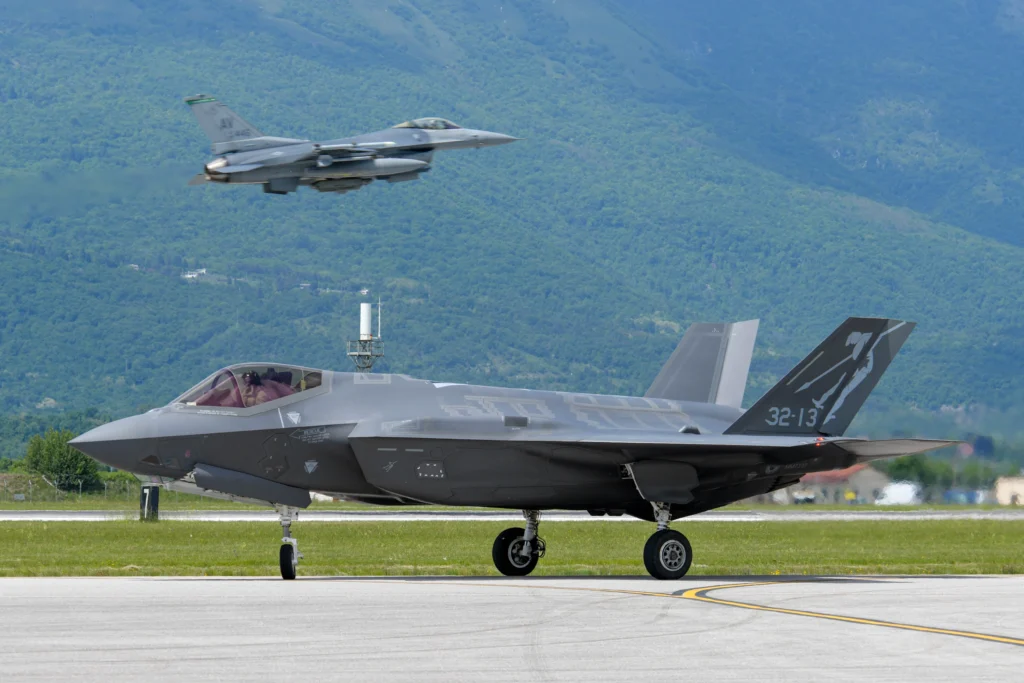
Cope Lightning 26-3 provided particularly valuable experience for the Republic of Singapore Air Force as it prepared to receive its first F-35 aircraft.
The exercise allowed Singaporean personnel to work alongside the US Air Force (USAF) and the Republic of Korea Air Force, gaining practical exposure to F-35 tactics and multinational operational procedures.
RSAF Maj. Julian Low, head of the next-generation fighter project office at RSAF Headquarters, highlighted the value of participating in the exercise.
“As we look to take delivery of our first F-35, it has been very insightful for the RSAF to work alongside the USAF and ROKAF,” Low said.
He also emphasized the importance of sharing operational knowledge and repeating tactical exercises with experienced F-35 partners.
“Sharing best practices on F-35 tactics and drilling repetitions together allows us to work more effectively,” Low explained.
This collaboration allowed Singapore to develop familiarity with F-35 tactical practices before introducing the aircraft into its own operations.
Working with the USAF and ROKAF also allowed RSAF personnel to learn from established F-35 operational experience and understand how partner forces coordinate their missions.
Multinational Flight Integration
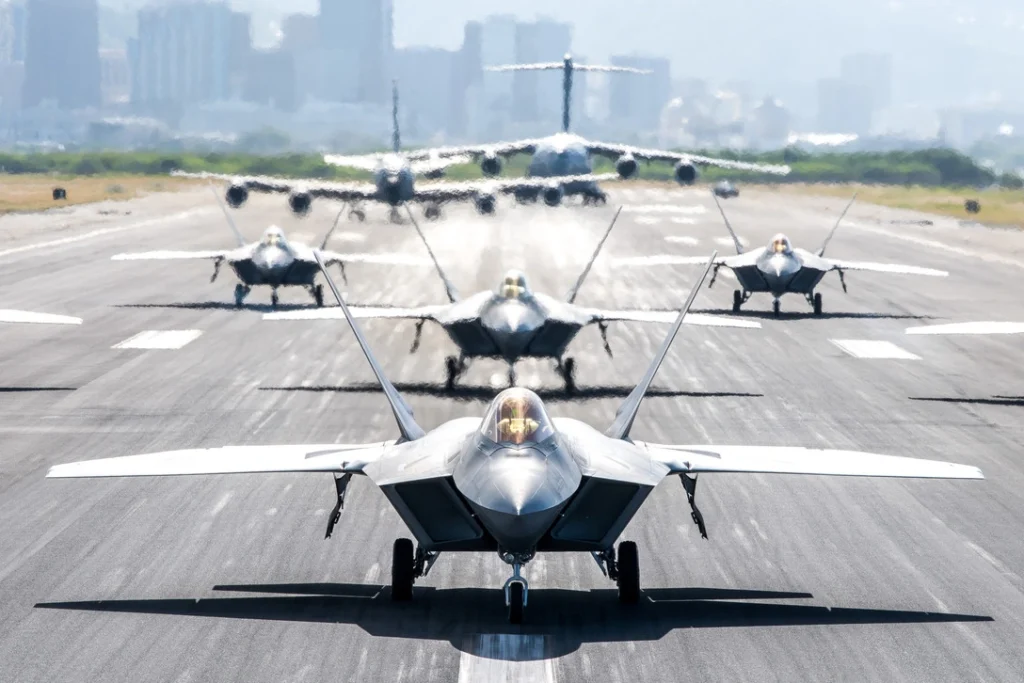
A central objective of both Cope Lightning exercises was to establish a common tactical baseline among participating air forces.
Pilots from different countries operated under a shared weapons system and common tactical guidelines. This allowed multinational teams to integrate their flight formations and develop a common understanding of mission procedures.
The shared approach helped reduce differences in how participating pilots interpreted tactical instructions and coordinated their activities. It also strengthened familiarity with the procedures used by partner forces during combined operations.
Developing this common tactical understanding is important when aircraft from different countries operate in the same formation. Pilots must understand the mission, recognize the tactical decisions being made and coordinate their actions with other members of the formation.
Through repeated exercises, participating nations could strengthen their working relationships and build confidence in one another’s operational procedures.
Combined Airpower
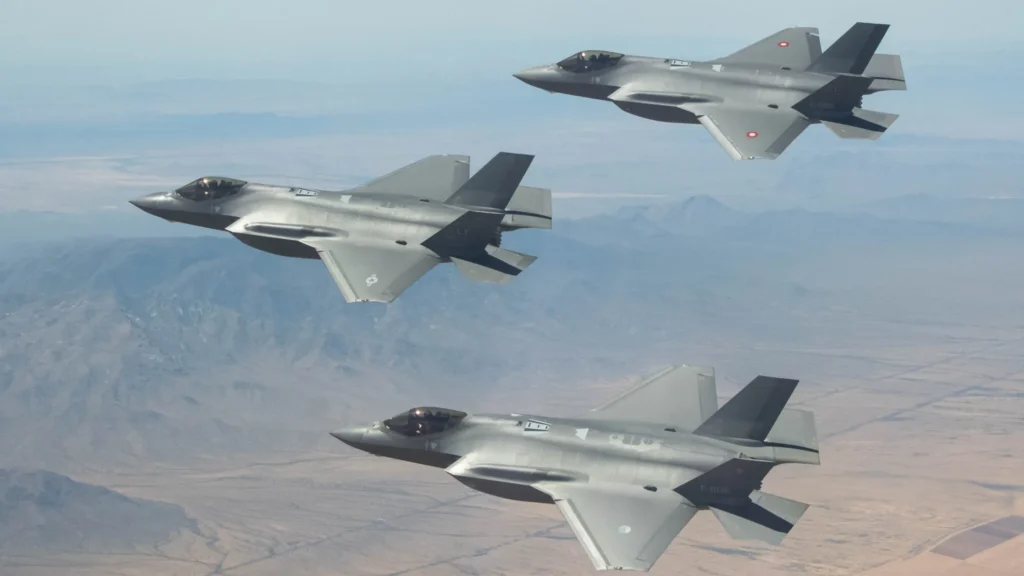
The value of Cope Lightning extends beyond simulator proficiency and mission repetition. Building trust between multinational pilots and their flight leaders is an essential part of developing an effective combined fighting force.
Col. William Yoakley explained that the relationships developed during shared training help pilots operate more effectively when they eventually fly together in real-world multinational formations.
He emphasized that pilots must understand the operational situation, recognize the tactical decisions being made and trust the flight leads, regardless of which country the pilots represent.
“When you do end up in the real world in a mixed, multinational formation, no matter who the pilot is or what country they’re from, everyone understands the situation, understands the tactical decisions that are being made, and has trust in the flight leads,” Yoakley said.
This shared understanding is central to effective multinational air operations. Pilots who have rehearsed together are better familiar with their partners’ tactical procedures, communication practices and expectations during mission execution.
Cope Lightning 26-2 and 26-3 demonstrated how advanced simulation technology can bring regional air forces together to practice complex missions, test command and control integration and develop common F-35 tactical procedures.
By combining mission rehearsals with multinational coordination and repeated tactical training, Pacific Air Forces provided its partners with an environment to strengthen interoperability and build trust before operating together in real-world missions.
Stay tuned with us. Further, follow us on social media for the latest updates.
Join us on Telegram Group for the Latest Aviation Updates. Subsequently, follow us on Google News
