

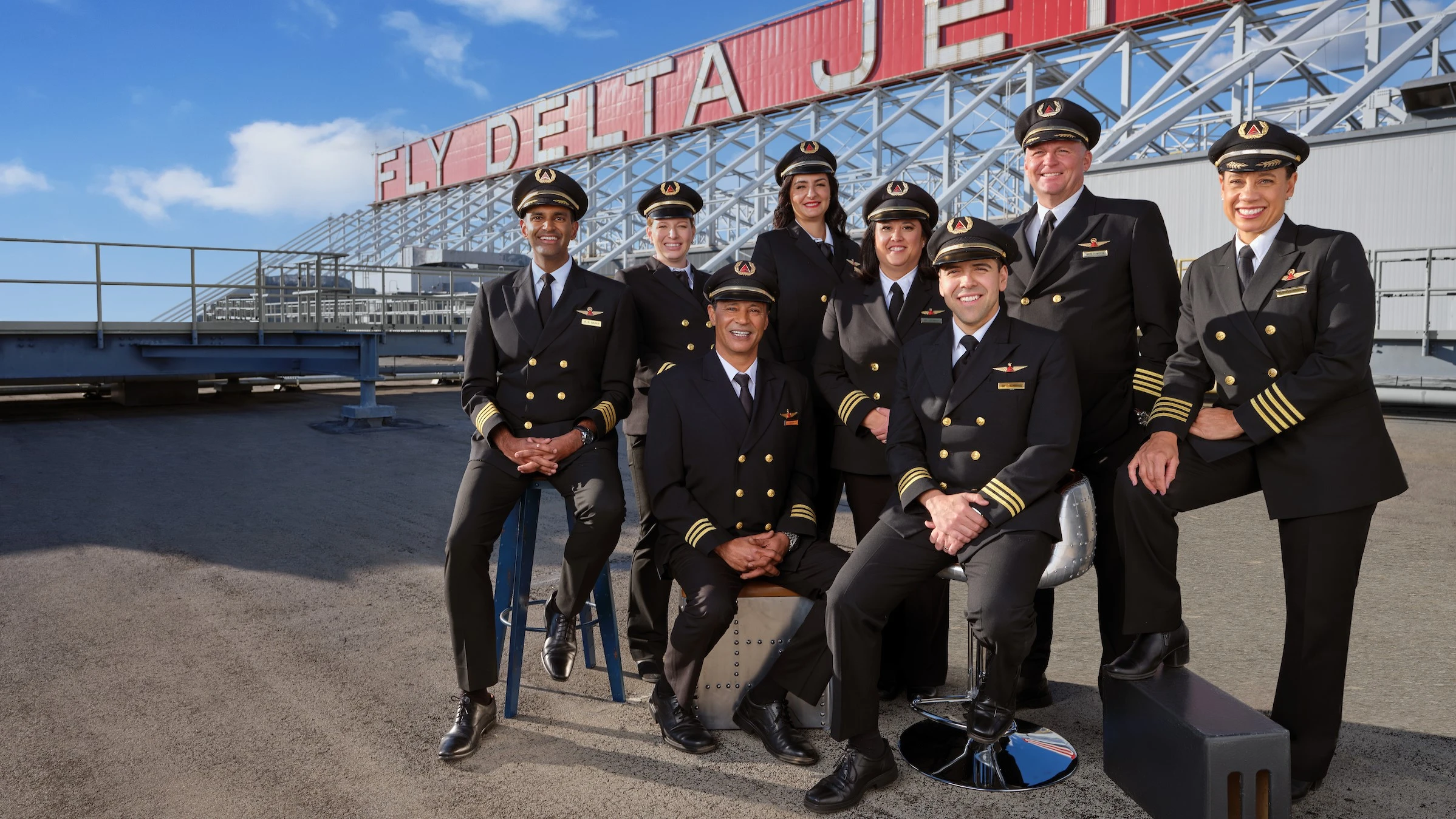
ATLANTA- Delta Air Lines (DL) is facing a significant legal challenge after a federal judge certified a class action lawsuit alleging the airline failed to compensate pilots for short-term military leave. The case could affect more than 3,300 current and former pilots seeking back pay under federal employment law.
The lawsuit centers on Delta Air Lines, headquartered near Hartsfield-Jackson Atlanta International Airport (ATL), where plaintiffs argue the carrier treated military leave differently from other forms of paid short-term leave. The airline maintains that the recent ruling addresses only class certification and not the merits of the claims.

Federal Judge Clears Class Action Against Delta to Move Forward
A federal judge in the U.S. District Court for the Northern District of Georgia granted class certification on August 7, marking a major procedural step in litigation that has been ongoing for more than five years.
The lawsuit alleges that Delta compensated pilots for several types of short-term absences, including jury duty, bereavement leave, and sick leave, while denying pay for short-term military leave lasting 30 days or less.
According to the plaintiffs, this policy violates the Uniformed Service Employment and Reemployment Rights Act (USERRA), a federal law that protects the employment rights of military service members who leave civilian jobs to fulfill military obligations.
Delta responded by stating that the certification ruling does not determine whether the airline violated USERRA.
A company spokesperson said the decision only defines the class of eligible plaintiffs and does not address the legal merits of Delta’s position. The airline also emphasized its long history of supporting employees with military commitments through various programs.
Two Certified Classes Identified
The court divided eligible pilots into two separate classes.
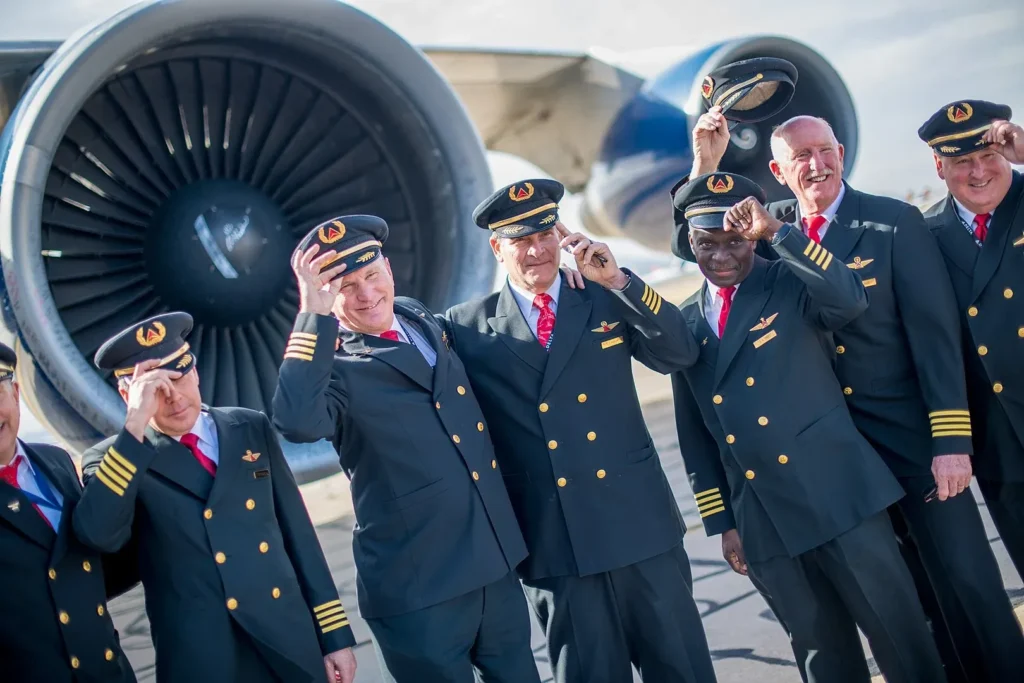
The first is a damages class consisting of former and current Delta pilots who took military leave of 30 days or less between January 1, 2007, and September 30, 2022. Approximately 3,361 pilots fall within this category.
Court records indicate these pilots collectively took 119,285 instances of short-term military leave during the covered period. If the plaintiffs ultimately prevail, each pilot’s compensation would be calculated individually.
The second class includes approximately 669 active Delta pilots who also serve in the military. These pilots seek an injunction requiring Delta to modify its leave policy to comply with USERRA going forward.

Delta’s Legal Arguments
Delta argued that identifying every eligible pilot is difficult because some pilots allegedly did not report the full duration of their military leave. The airline claimed this makes it impossible to determine class membership using objective company records alone.
The carrier also previously argued that paying employees during military leave would provide reservists with benefits unavailable to other workers, contrary to USERRA’s requirement of equal treatment.
In addition, Delta contended that paid military leave is not a statutory right or benefit under the language of USERRA.
The court rejected these arguments in 2022, allowing the case to continue toward trial.
Collective Bargaining Agreement at the Center of the Dispute
The disputed leave policy is incorporated into Delta’s pilot employment agreements through collective bargaining contracts.
According to court documents, Delta’s pilot contract provides compensation for jury duty, bereavement leave, and sick leave but does not provide paid military leave for absences lasting 30 consecutive days or fewer.
Although the Air Line Pilots Association (ALPA) is not a party to the lawsuit, the union expressed support for affected military pilots.
A union spokesperson stated that ALPA leadership supports members who seek to enforce their legal rights whenever the company fails to meet its obligations.

Why USERRA Comparison Matters
A central issue in the case is whether short-term military leave should be treated similarly to other paid short-term absences under USERRA.
The court concluded that this question can be resolved using evidence common to all class members rather than requiring thousands of separate lawsuits.
The judge also found that handling the dispute as a class action is more efficient than requiring each pilot to pursue an individual legal claim.
Even if the plaintiffs succeed, however, damages will still be calculated separately for each eligible pilot based on their individual military leave records.
Long Legal History and Industry-Wide Implications
The litigation began in March 2021 when former Delta pilots Patrick Haley and Randal Reep filed separate lawsuits within days of each other. The cases were later consolidated into a single amended complaint in June 2021.
Delta sought dismissal of the lawsuit, but the court denied that request in March 2022.
The plaintiffs first requested class certification in June 2023. That motion was denied without prejudice in December 2025, allowing them to revise their complaint and submit a renewed request in January 2026. The renewed motion ultimately resulted in the August 2026 certification order.
The lawsuit also reflects a broader trend across the U.S. airline industry.
In 2025, Southwest Airlines (WN) agreed to pay $18.5 million to settle a similar USERRA class action involving short-term military leave. The settlement benefited approximately 2,791 employees, with eligible workers receiving an average payment of $4,421.
The outcome of the Delta case could further shape how airlines interpret and apply military leave policies under USERRA in future employment disputes.
Stay tuned with us. Further, follow us on social media for the latest updates.
Join us on Telegram Group for the Latest Aviation Updates. Subsequently, follow us on Google News
