

SAN PEDRO SULA— A US federal court has ruled that an alleged malfunction involving an automated external defibrillator (AED) on an American Airlines flight did not establish that the equipment caused the death of a 14-year-old passenger.
The decision prevents Kevin Greenidge’s family from recovering damages from the airline under Article 17 of the Montreal Convention.
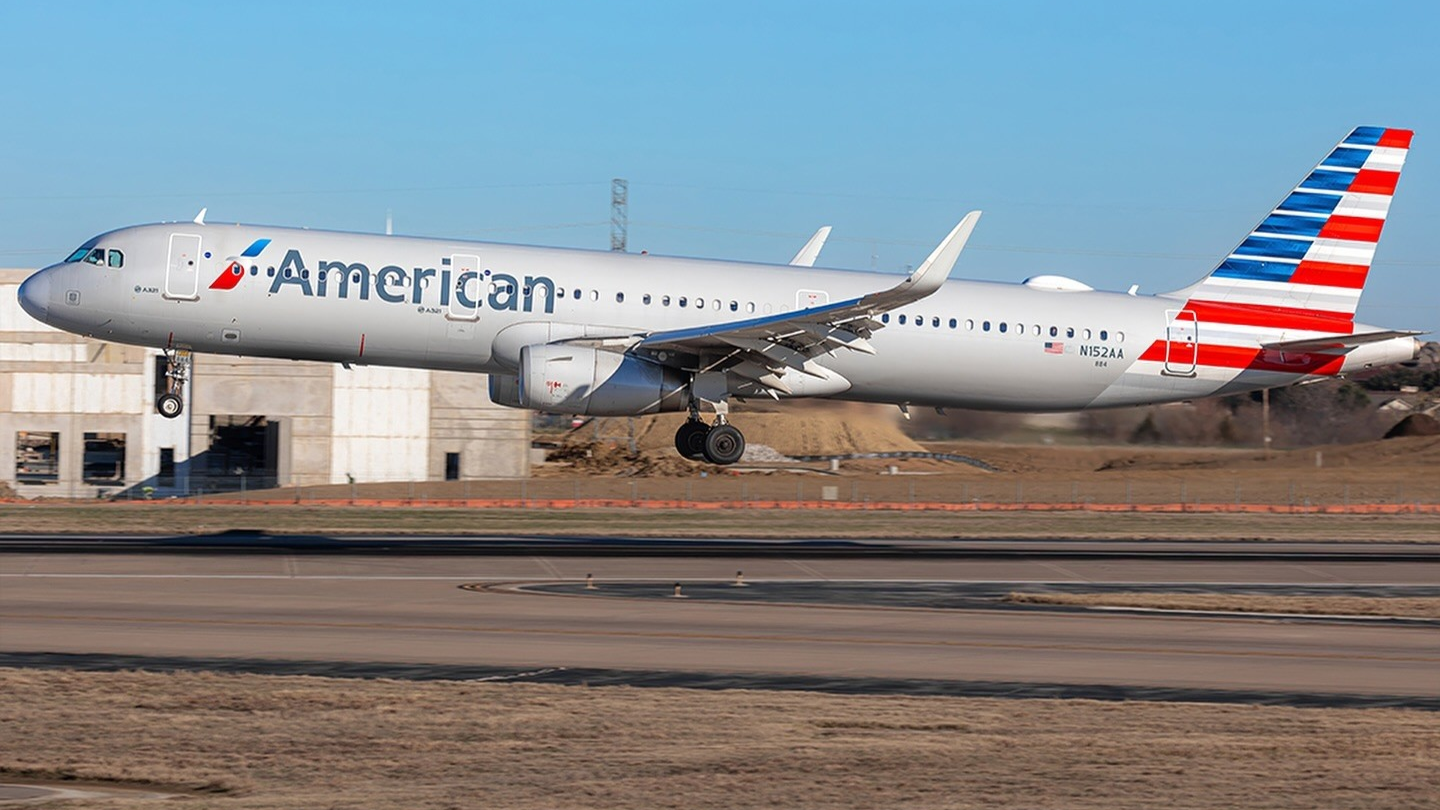
Greenidge was traveling on American Airlines (AA) Flight 614 from San Pedro Sula (SAP), Honduras, to Miami (MIA) on June 4, 2022.
The flight later diverted toward Cancun (CUN), Mexico, after Greenidge suffered a severe medical emergency, but the teenager died before the aircraft could complete the emergency landing.

American Airlines Medical Emergency Onboard
Greenidge weighed 319 pounds and had several underlying medical conditions, including asthma, high blood pressure, Type II diabetes, and sleep apnea.
After the aircraft departed following a lengthy weather delay, he experienced increasing difficulty breathing and used an asthma inhaler provided by his aunt.
His condition deteriorated after takeoff, and he eventually became unconscious. Family members and passengers moved him toward the rear of the aircraft, where an off-duty nurse and a surgical resident began CPR while flight attendants retrieved the AED.
The AED initially detected asystole, a heart rhythm without detectable electrical activity that cannot be treated with a defibrillation shock.
After about eight minutes of CPR, however, the device identified a shockable rhythm and instructed the crew to deliver a shock.
The device’s internal records indicated that a shock was delivered after a flight attendant pressed the button.
Four witnesses, including the two medical professionals assisting Greenidge, testified that they did not see or believe that a shock was actually delivered.

Montreal Convention Case
Greenidge’s family sued American Airlines under Article 17 of the Montreal Convention, which covers passenger death or injury caused by an accident occurring on board an international flight.
The case eventually focused on whether the alleged AED malfunction qualified as an accident and, separately, whether it caused Greenidge’s death.
The Fifth Circuit Court of Appeals ruled in May 2026 that the AED theory could proceed because federal regulations require qualifying passenger aircraft to carry an approved AED.
The appeals court found that evidence suggesting the device failed to deliver a shock could allow a jury to regard the malfunction as an unexpected or unusual event.
The appeals court had already rejected the separate argument that the crew’s medical response itself constituted an Article 17 accident. It then returned the AED-related question to the Texas district court.
Court Rejects Causation
US District Judge Mark T. Pittman subsequently examined whether a functioning AED would probably have changed the outcome.
The family relied on testimony from pediatrician Dr. Corwin Warmink, who said Greenidge likely would have survived if the AED had worked.
Judge Pittman found that the medical studies used to support that opinion did not establish the required level of causation. The evidence considered survival to hospital admission after successful defibrillation, while longer-term survival was substantially lower.
For Greenidge, the court considered his medical history, the initial asystole and the evidence surrounding the AED.
It concluded that the probability of surviving to hospital discharge was below 25%, meaning the family had not shown that a functioning AED would probably have prevented his death, PYOK flagged.
The ruling emphasized that airlines must still comply with federal requirements for emergency equipment. However, under Article 17, establishing a defective device is not enough by itself; the plaintiff must also establish that the accident caused the death.
Stay tuned with us. Further, follow us on social media for the latest updates.
Join us on Telegram Group for the Latest Aviation Updates. Subsequently, follow us on Google News
