

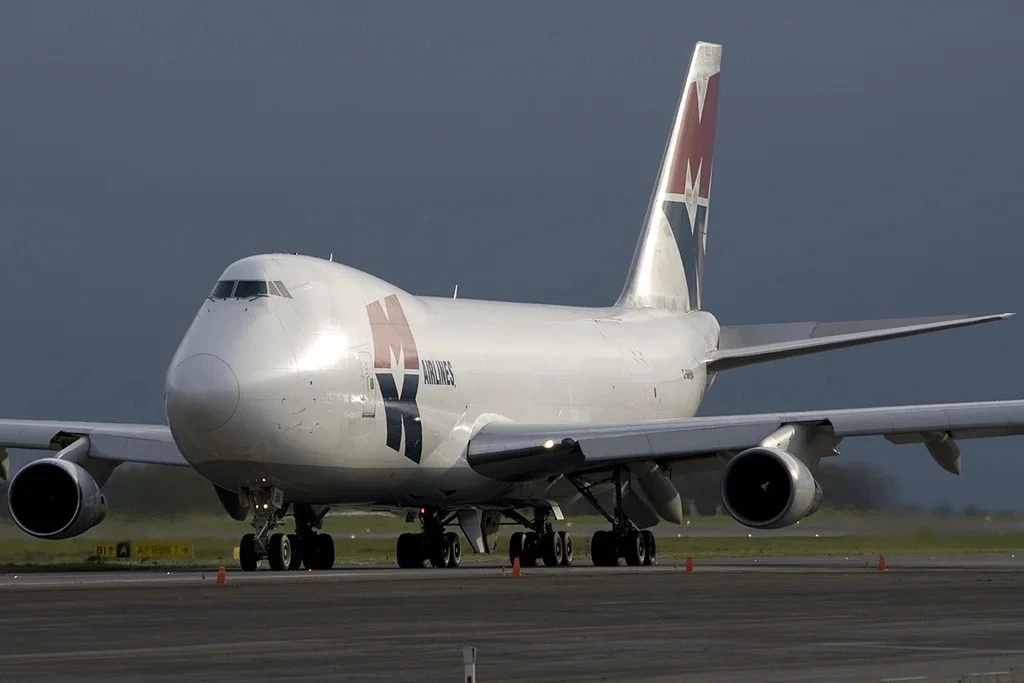
On October 14, 2004, MK Airlines (7G) Flight 1602, a Boeing 747-244SF, attempted to depart Halifax International Airport (YHZ) for Zaragoza Airport (ZAZ), Spain, but never achieved a safe climb. All seven crew members died after the aircraft overran the runway and crashed.
The aircraft itself had no pre-existing defect that prevented normal operation, and the weather was not the main problem. Instead, investigators found that incorrect takeoff performance data led the crew to use speeds and thrust settings that were too low for the aircraft’s actual weight.
Wrong Takeoff Weight Behind Fatal Crash
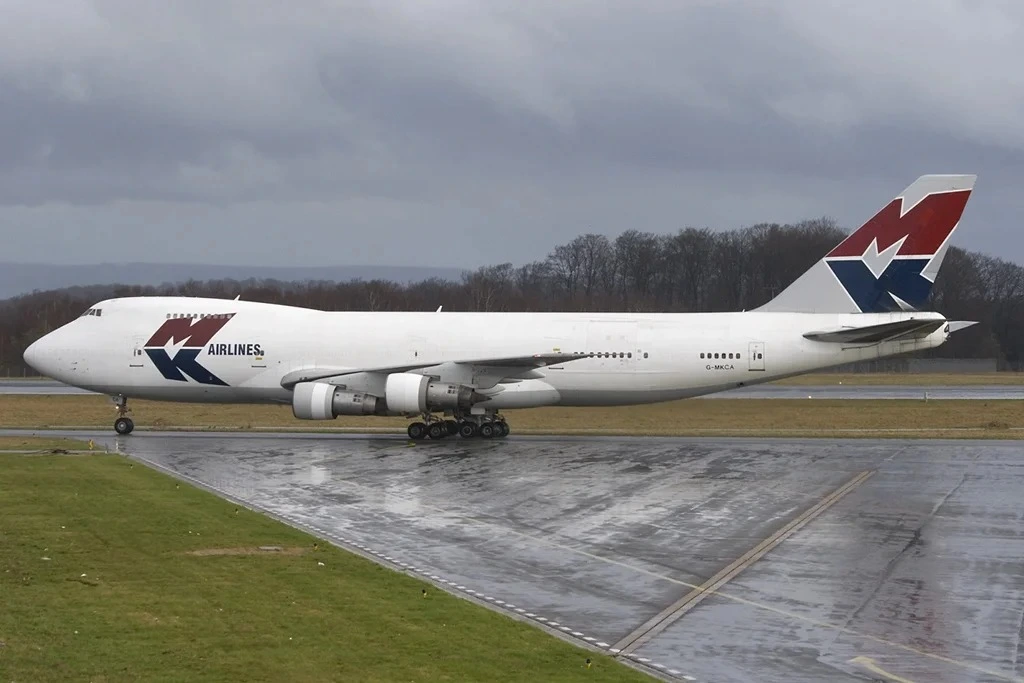
The Boeing 747 had arrived in Halifax after operating the previous sector from Bradley International Airport.
During preparation for the next flight, the takeoff performance data were generated using the earlier, much lighter weight instead of the aircraft’s actual Halifax takeoff weight.
The aircraft’s planned takeoff weight was about 353,000 kilograms, while the weight used to generate the performance data was likely around 240,000 kilograms.
That difference of roughly 113,000 kilograms produced incorrect V-speeds and an inadequate thrust setting for the heavily loaded 747.
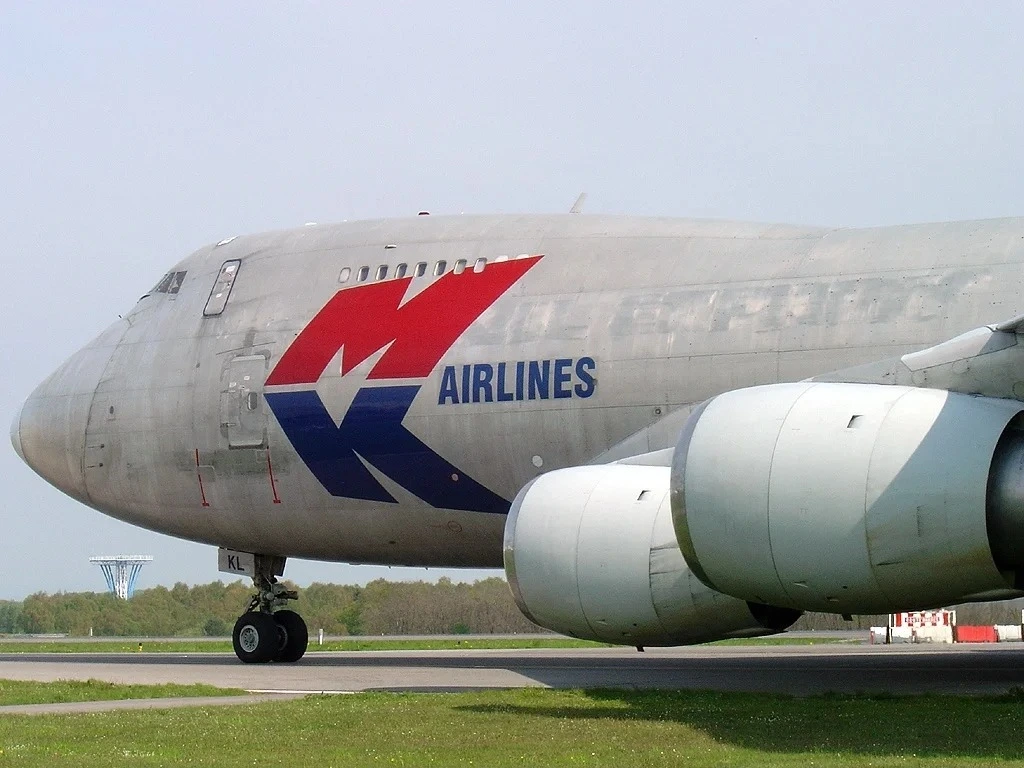
The crew used the Boeing Laptop Tool (BLT) to calculate the required takeoff performance. The investigation found that the software could carry forward the weight from the earlier calculation, creating a serious opportunity for an input error to pass into the next stage of the operation.
Takeoff Performance Data Failed
The incorrect figures were not caught by the required independent checks. The Transportation Safety Board found that the pilots did not complete the company’s gross-error check, allowing the incorrect performance data to reach the takeoff.
As the aircraft accelerated along Runway 24, the crew attempted to rotate using the incorrect performance figures. The lower aft fuselage struck the runway twice, while the aircraft remained on the ground beyond the runway end before becoming airborne briefly.
It then struck an earthen berm supporting an ILS localizer antenna, causing the tail section to separate.
The remaining fuselage continued forward before striking terrain and breaking apart. A severe post-crash fire followed, and all seven people aboard suffered fatal injuries.
Investigators found no evidence of pre-impact fire or a mechanical condition that would have prevented normal operation.
Fatigue Added Significant Risk
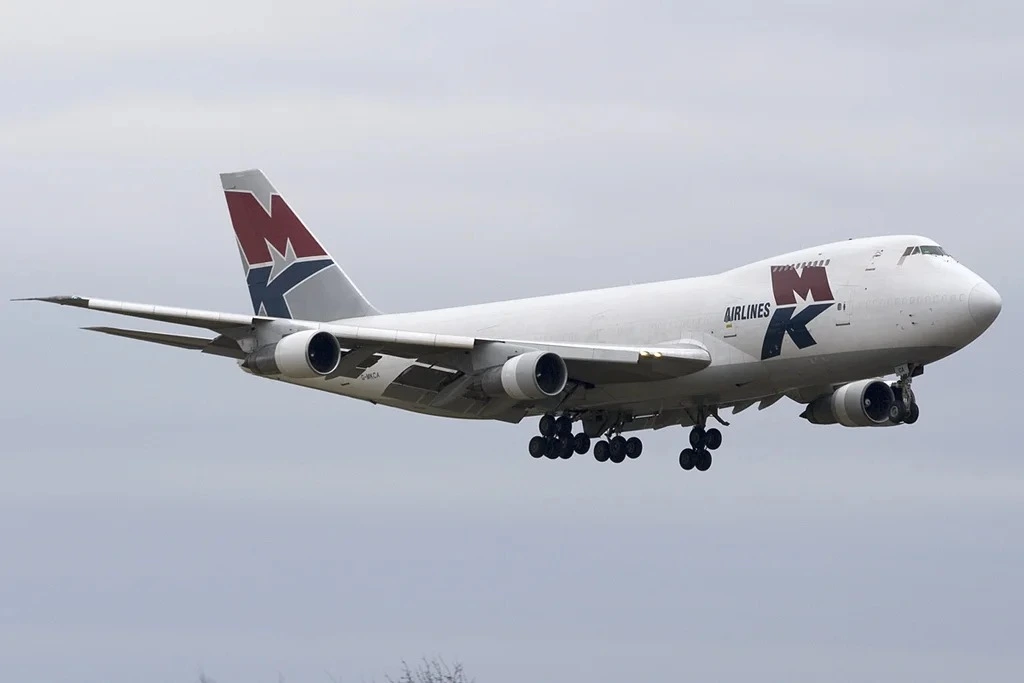
The wrong number was only one part of the accident chain. Investigators concluded that fatigue likely increased the probability of an error during the performance calculation and reduced the crew’s ability to recognize the aircraft’s inadequate acceleration during the takeoff roll.
The investigation also found that MK Airlines had no formal training and testing program for the BLT, meaning the user involved in the calculation may not have been fully familiar with the software, Pilots Who Ask Why reported.
The combination of inadequate training, procedural non-compliance, and fatigue made it harder to detect the incorrect data before departure.
The accident demonstrates why aviation performance calculations depend on more than sophisticated technology. A computer can process an incorrect input accurately, but it cannot automatically make that input correct.
The strongest protection remains a properly trained crew, effective procedures, and an independent cross-check capable of challenging an unexpected number before the aircraft begins its takeoff roll.
Stay tuned with us. Further, follow us on social media for the latest updates.
Join us on Telegram Group for the Latest Aviation Updates. Subsequently, follow us on Google News

,_MK_Airlines_JP6202545.jpg)

,_MK_Airlines_JP6196653.jpg)