

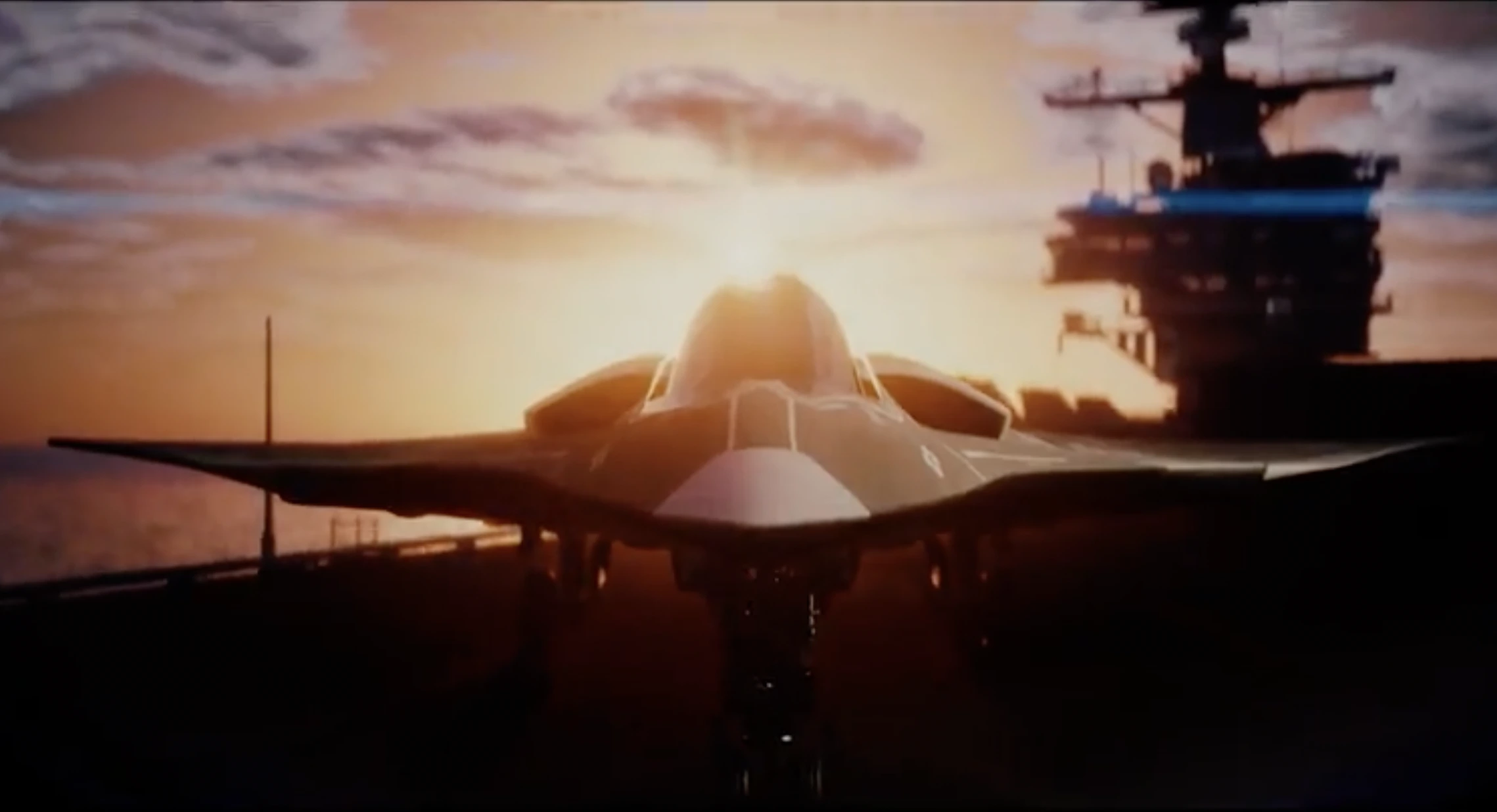
MELBOURNE— Northrop Grumman is strengthening its campaign for the U.S. Navy’s next-generation carrier fighter as the long-awaited F/A-XX decision moves closer.
The company has opened a major expansion of its sixth-generation aircraft development site in Melbourne, Florida, adding new engineering and research capacity for advanced combat aircraft.
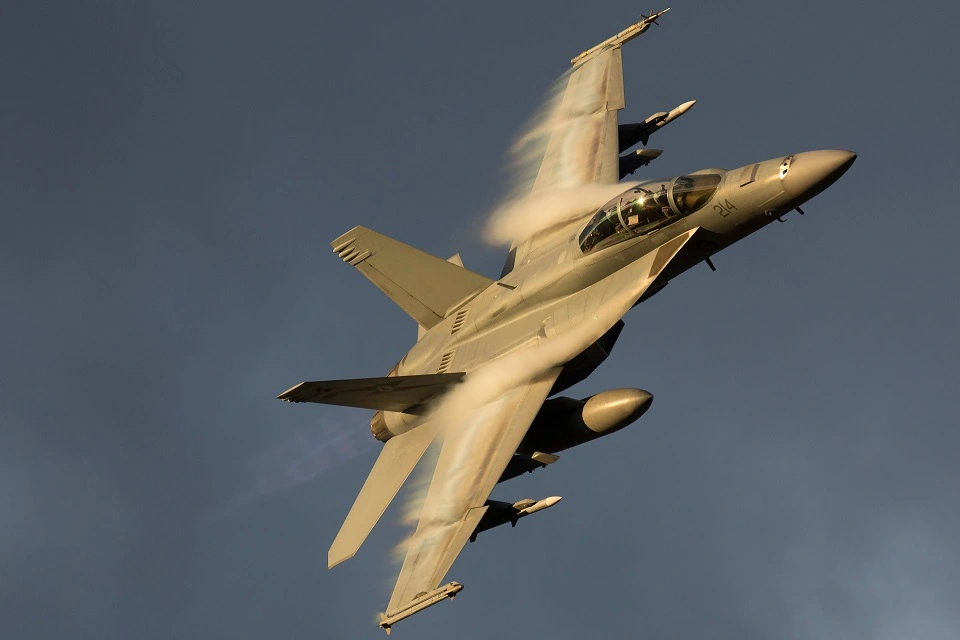
The expansion comes as Northrop Grumman and Boeing remain the leading contenders for the multibillion-dollar F/A-XX program, which is intended to replace the Navy’s F/A-18E/F Super Hornet fleet from the 2030s.
The Navy has targeted August 2026 for a downselect, making the timing of Northrop Grumman’s investment particularly significant.
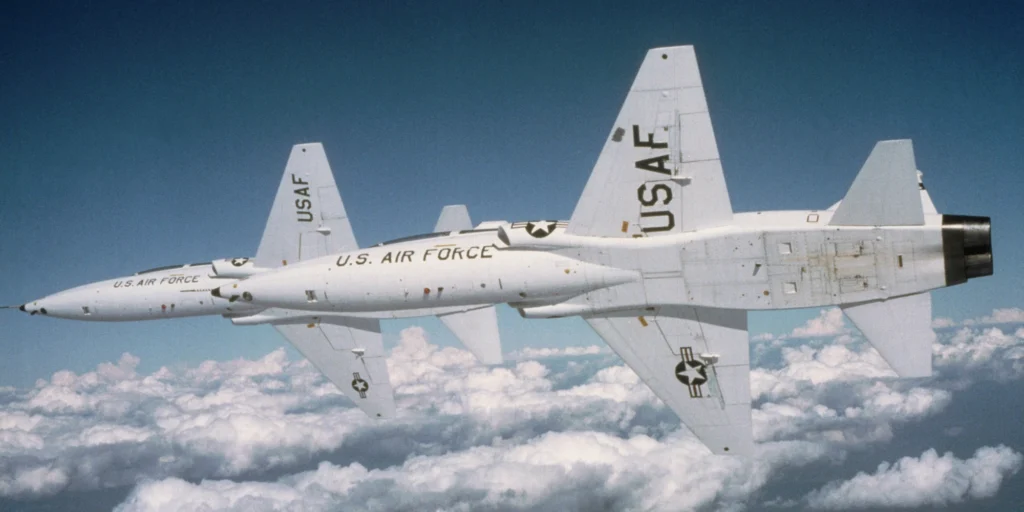
Northrop Grumman New Advanced Engineering Facility
Northrop Grumman’s Melbourne campus now supports about 5,000 employees and includes a new 300,000-square-foot engineering facility.
The building will provide space for more than 1,200 engineers and 17 secure laboratories focused on next-generation aircraft and advanced subsystems.
The company said the investment reflects years of work in advanced aviation technology and aims to turn that experience into new capabilities for U.S. warfighters.
Tom Jones, corporate vice-president and president of Northrop Grumman Aeronautics Systems, described Melbourne as the centre of the company’s sixth-generation aircraft activity.
The facility is also expected to support classified development work, with Northrop Grumman indicating that some projects taking place inside the building cannot be publicly discussed.
The company believes the expanded workforce and infrastructure will strengthen its ability to develop complex military aircraft at speed.
F/A-XX Strategy for Future Carrier Aviation
Northrop Grumman’s F/A-XX concept is built around a different approach to carrier aviation.
Instead of focusing only on close-range fighter performance, the company is proposing a stealthy aircraft designed to operate at long distances and coordinate other systems across the battlespace.
The proposed design reportedly uses a tailless configuration and dorsal engine intakes to reduce its radar signature. It is also intended to carry a substantial internal weapons load while maintaining the range needed for operations in heavily defended maritime environments.
A major part of the concept is its role as a networked command platform. The aircraft is designed to work with autonomous and collaborative combat aircraft that could perform surveillance, electronic warfare and strike missions ahead of the crewed fighter.
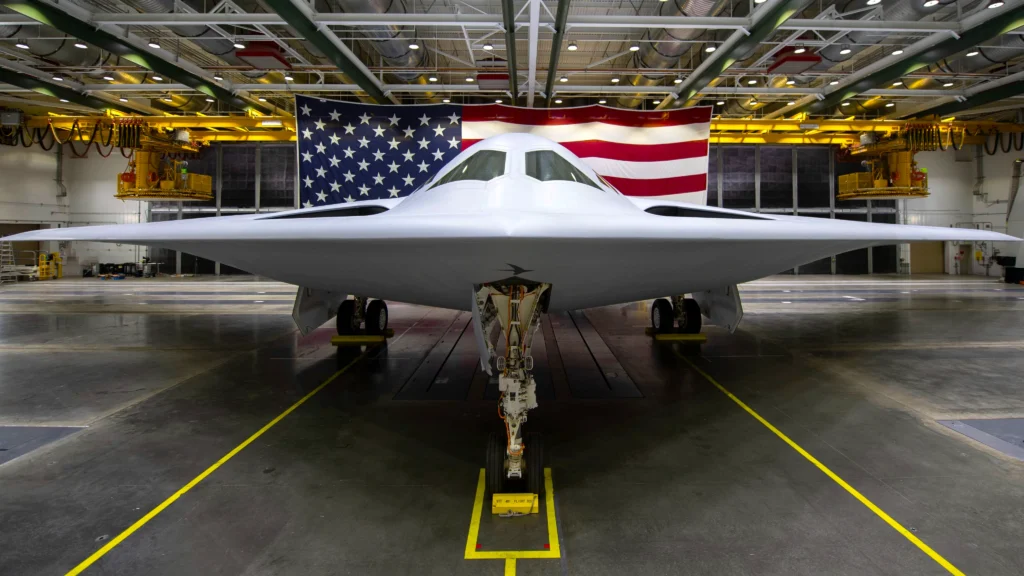
B-21 Raider Technology Development Program
Northrop Grumman is using experience from the B-21 Raider program to support its sixth-generation ambitions.
The company says the bomber combines stealth, advanced networking and an open architecture that allows new capabilities to be added through software and technology upgrades.
That approach could be important for the F/A-XX program because the Navy expects its future fighter to remain adaptable as threats and technologies change.
Northrop Grumman is therefore emphasizing an open-architecture design that could support faster software updates throughout the aircraft’s service life.
The F/A-XX is expected to become a central part of the future U.S. carrier air wing alongside the F-35C and unmanned systems. Northrop Grumman’s expanded Melbourne operation gives the company a larger industrial base as it competes for the program.
The company’s proposal also has relevance for Australia, which operates 24 F/A-18F Super Hornets alongside F-35A Lightning II fighters and EA-18G Growlers, Australian Aviation reported.
For Northrop Grumman, the Melbourne expansion represents both a major industrial investment and a stronger push to shape the next era of carrier-based combat aviation.
Stay tuned with us. Further, follow us on social media for the latest updates.
Join us on Telegram Group for the Latest Aviation Updates. Subsequently, follow us on Google News
