


CHICAGO- United Airlines (UA) flight UA219, travelling from Chicago O’Hare International Airport (ORD) to Daniel K. Inouye International Airport (HNL) in Honolulu, returned to Chicago on November 4, 2026, after a reported windshield crack aboard its Boeing 787-10.
The aircraft, registered as N12003, was cruising at FL360 approximately 360 nautical miles west of Chicago when the crew descended to FL190 and turned back. The aircraft landed safely on runway 27C approximately 2 hours and 10 minutes after departure.
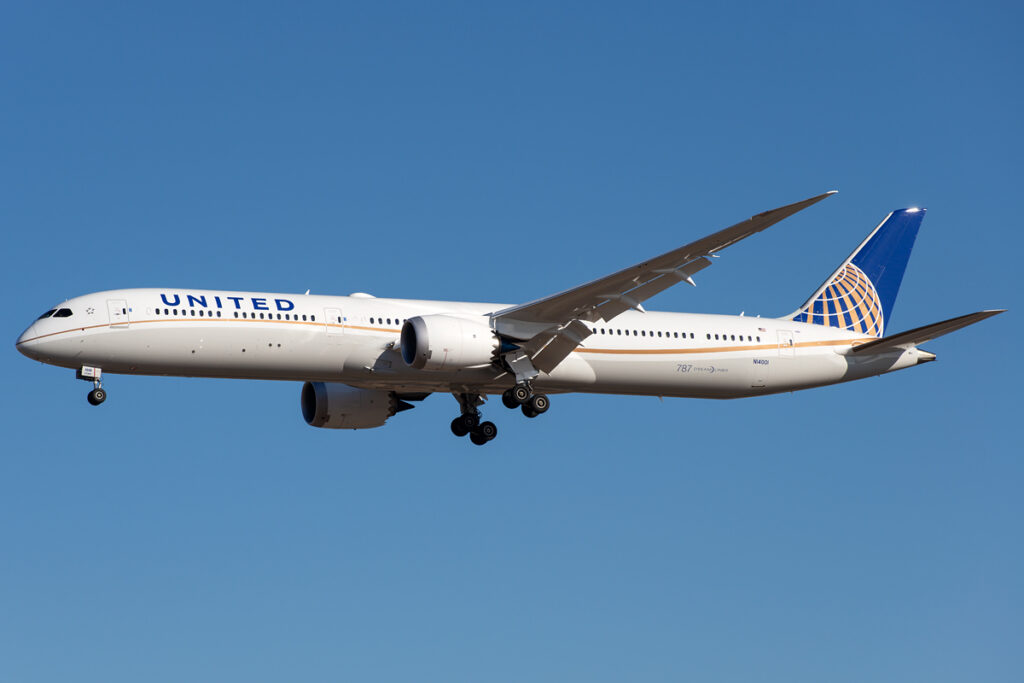
United Boeing 787-10 Makes Mid-Flight Return to Chicago
United Airlines flight UA219 was operating its scheduled service from Chicago to Honolulu when the incident occurred on November 4.
The Boeing 787-10 had reached an altitude of 36,000 feet (FL360) and was flying west of Chicago when the crew initiated a descent. The aircraft descended to 19,000 feet (FL190) before returning towards Chicago O’Hare International Airport.
According to the incident report, the aircraft was approximately 360 nautical miles west of Chicago when the descent began. The crew subsequently brought the aircraft back to its departure airport rather than continuing the transpacific journey.
The Boeing 787-10 landed safely on runway 27C approximately 2 hours and 10 minutes after takeoff. Available reports do not mention any injuries or the number of passengers on board.
Passenger Reports Cracked Starboard Windshield
A passenger reported that the captain informed those on board about a cracked starboard windshield during the flight, Aviation Herald reported.
The reported damage prompted the aircraft’s return to Chicago, although United Airlines had not independently confirmed the windshield issue at the time of the November 5 reporting.
The available information also does not establish what caused the reported crack or whether the crew declared an emergency during the flight.
No official details were available on the extent of the windshield damage or the inspection findings after the aircraft returned.
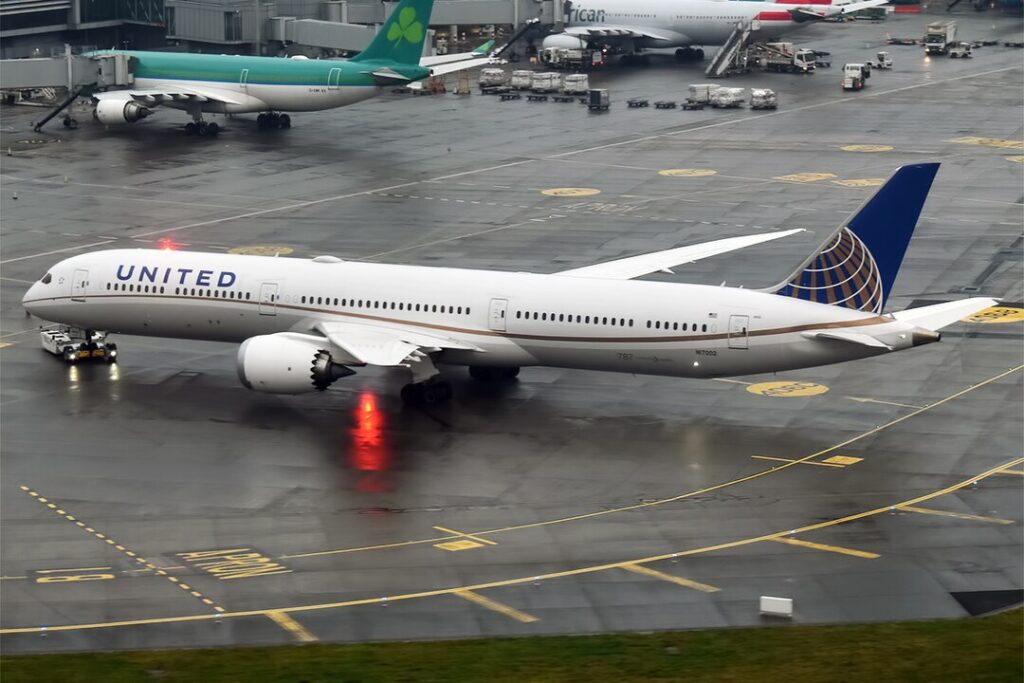
Boeing 787-10 Remains on the Ground in Chicago
The aircraft, registration N12003, remained at Chicago O’Hare after landing.
According to the November 5 incident update, the Boeing 787-10 was still on the ground approximately 22 hours after returning to Chicago when Avherald reported the incident. The aircraft’s subsequent operational status and the specific maintenance work required were not confirmed in the available reporting.
United Airlines had not publicly explained the technical issue or provided details about the aircraft’s return to service at the time.
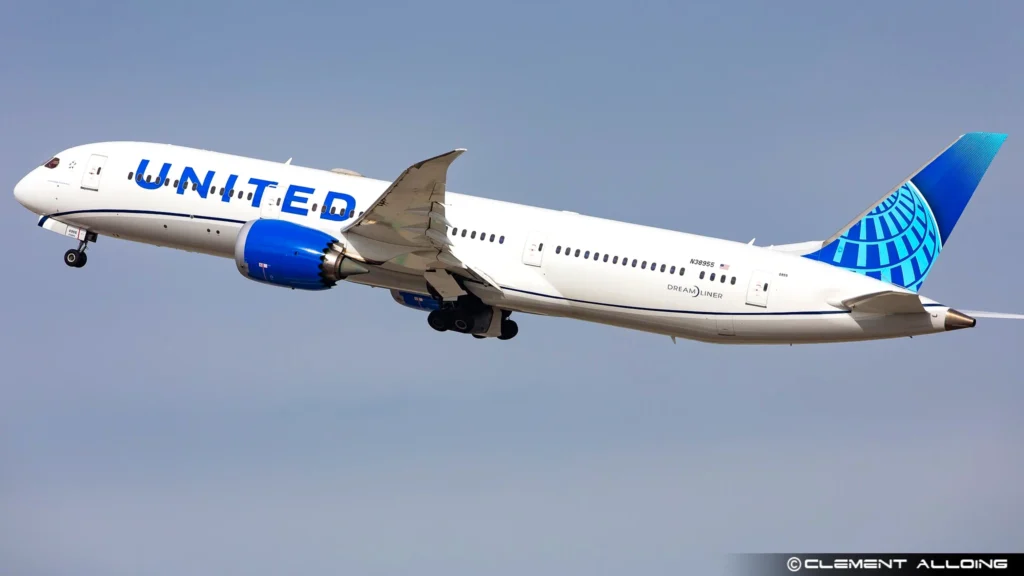
United Operates Later Honolulu Service With Another Aircraft
United Airlines subsequently operated flight UA219 to Honolulu using a different aircraft.
According to flight-tracking information, a Boeing 787-9 departed Chicago O’Hare at approximately 10:51 p.m. CST on November 4 and arrived in Honolulu at approximately 2:53 a.m. local time on November 5.
The replacement operation followed the earlier aircraft’s return to Chicago. However, available flight records did not establish whether the original UA219 passengers travelled on the later service.
The incident left Boeing 787-10 N12003 out of service at Chicago for at least the period covered by the initial incident report, while the airline arranged another aircraft for the Honolulu route.
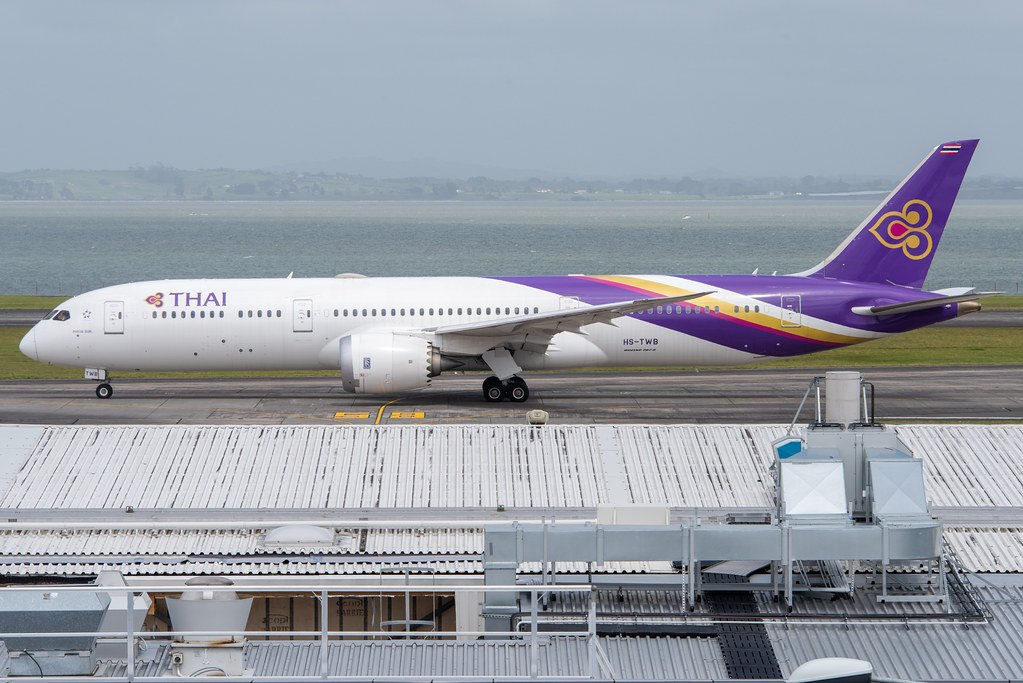
Similar Incident
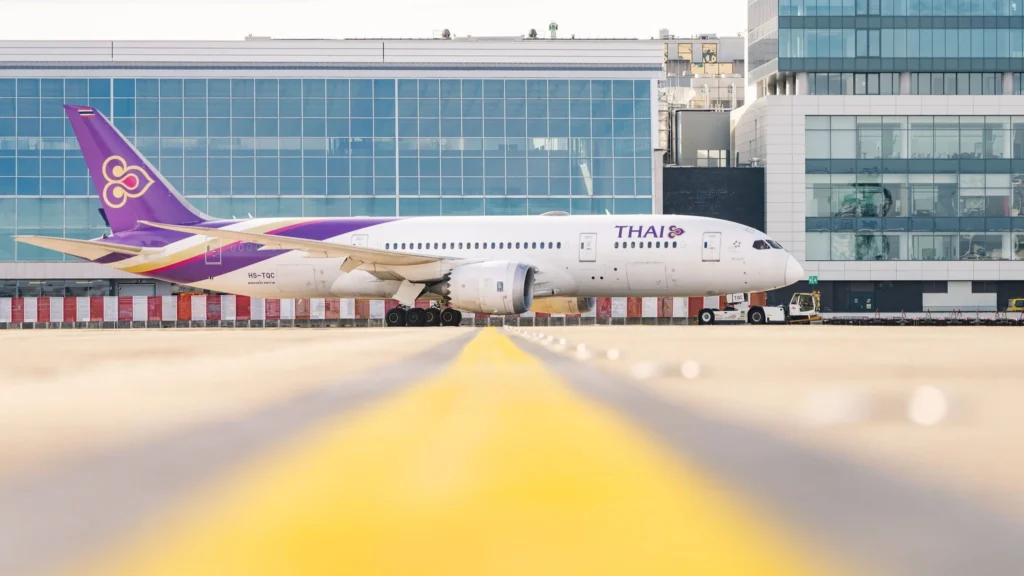
A Thai Airways International (TG) Boeing 787-9 Dreamliner operating flight TG663 from Shanghai Pudong International Airport (PVG), China, to Suvarnabhumi Airport (BKK), Bangkok, returned to Shanghai after the crew detected a crack in the cockpit windshield shortly after departure on November 4, 2026.
The aircraft, registered as HS-TWA, stopped its climb at approximately 2,700 metres (9,000 feet). The crew dumped fuel before returning to Shanghai Pudong, where the aircraft landed safely on runway 16R about 80 minutes after takeoff.
Thai Airways Boeing 787-9 Returns to Shanghai After Windshield Damage
Flight TG663 departed Shanghai Pudong International Airport at approximately 8:08 a.m. local time on November 4, bound for Bangkok. The aircraft was scheduled to operate the international service using a Boeing 787-9 Dreamliner.
During the initial climb, the pilots detected a crack in the left side of the cockpit windshield. The damage raised a safety concern, prompting the crew to stop climbing and assess the situation.
The aircraft levelled off at approximately 9,000 feet instead of continuing towards its planned cruising altitude. The crew subsequently coordinated the return with air traffic control and prepared to land at the departure airport.
Before landing, the aircraft dumped fuel to reduce its weight and meet the required landing conditions. Flight tracking information indicates that the Boeing 787-9 departed from runway 17L and subsequently landed safely on runway 16R approximately 80 minutes after departure.
The aircraft completed its return without any reported injuries. Thai Airways confirmed that the pilots followed established safety procedures after identifying the damaged windshield.
Thai Airways Arranges Alternative Travel for Passengers
The incident disrupted passengers travelling between Shanghai and Bangkok. Following the return, Thai Airways arranged accommodation for affected passengers and crew members in Shanghai.
The airline also coordinated with partner airlines to transfer passengers to alternative flights and help them continue their journeys to Thailand.
To accommodate affected travellers, Thai Airways changed the aircraft assigned to flights TG662 and TG663 on November 5, deploying larger aircraft with additional passenger capacity.
The airline apologised for the inconvenience and reiterated that passenger and crew safety remained its priority.

Cause of Thai Airways Boeing 787 Windshield Crack Remains Unclear
The available reports confirmed that the crack affected the left cockpit windshield of the Boeing 787-9. However, they did not establish what caused the damage.
The aircraft’s return allowed the airline to address the reported technical issue before the aircraft could resume commercial operations. No official technical explanation for the windshield crack had been reported in the available coverage.
The incident highlights the operational response required when flight crews detect damage to a critical aircraft component during flight. In this case, the pilots discontinued the climb, returned to the departure airport, and completed a safe landing after dumping fuel.
Stay tuned with us. Further, follow us on social media for the latest updates.
Join us on Telegram Group for the Latest Aviation Updates. Subsequently, follow us on Google News
