

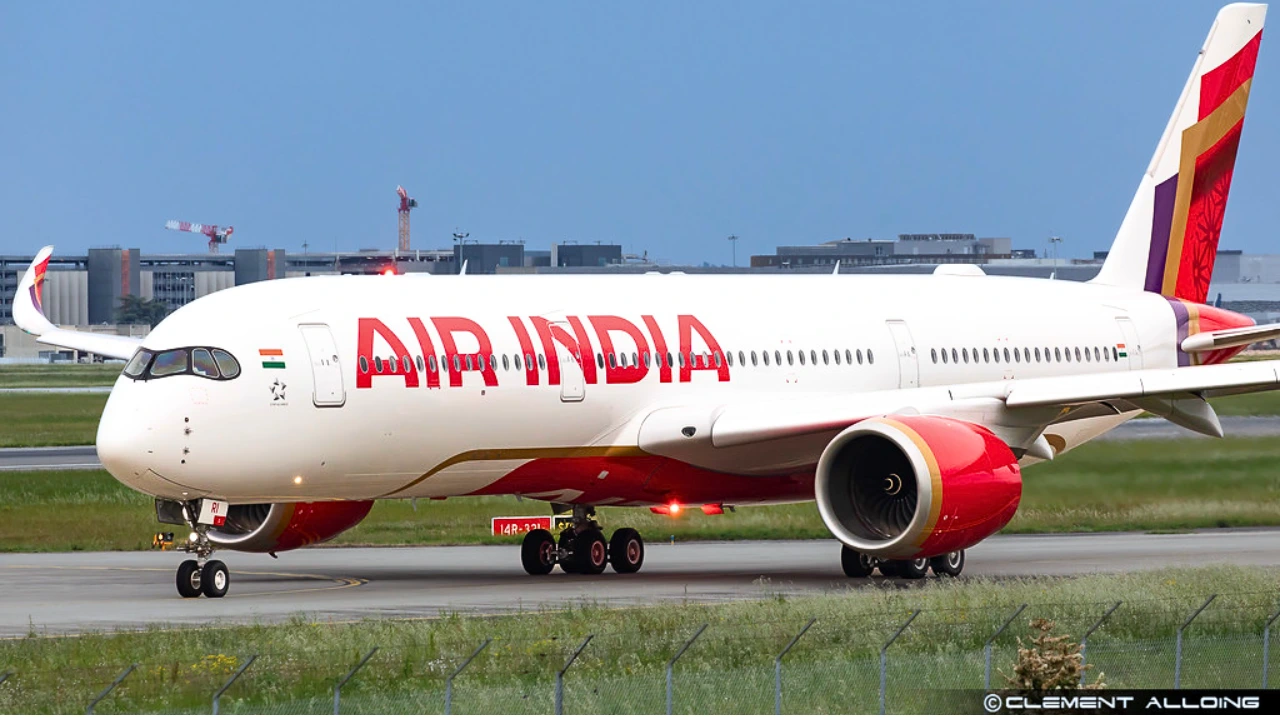
GURUGRAM- Air India (AI) will test all of its pilots for banned substances after a Phuket to Delhi flight lost about 300 feet in altitude on 4 August. Phuket (HKT) to Delhi (DEL) was the route involved in the incident, which injured 17 passengers and crew members.
The expanded screening goes beyond India’s existing requirement for airlines to randomly test at least 10% of pilots. Air India Express (IX) pilots will also be included in the programme from Thursday.
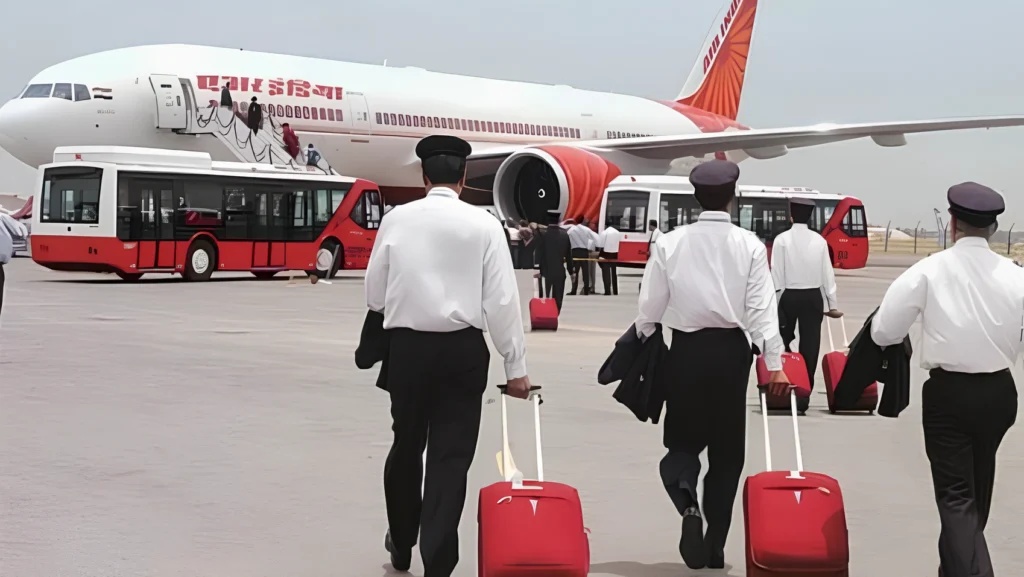
Air India Expands Pilot Substance Testing
Air India has ordered substance testing for all pilots with immediate effect, expanding its checks beyond the minimum regulatory requirement. The programme will cover prohibited substances as well as medications that are not permitted under aviation regulations.
Existing rules require airlines to conduct random testing on at least 10% of their pilots for psychoactive substances. Air India’s broader programme increases the scope of screening to the entire pilot workforce rather than a limited random sample.
Air India said the decision was important because the airline wanted to go further than the regulatory requirement.
In a memo seen by the BBC, the airline said the initiative was intended to uphold high standards of safety and professionalism and provide reassurance to passengers, stakeholders and the wider community.
The expanded testing follows a serious incident involving an Air India flight from Phuket to Delhi on 4 August. The Airbus aircraft suddenly lost about 91 metres, or 300 feet, of altitude shortly after departure. Thirteen passengers and four crew members were injured.
The incident is being investigated by Indian authorities, with Airbus and France’s aviation safety agency assisting the investigation. Both pilots were removed from duty while the inquiry continues.
After the flight, the senior pilot was required to retake a substance test. Reports said the pilot tested positive for marijuana, with Reuters reporting that a confirmatory drug test was positive.
The positive result is part of the wider investigation into the incident. It does not, by itself, establish that substance use caused the aircraft’s altitude loss.
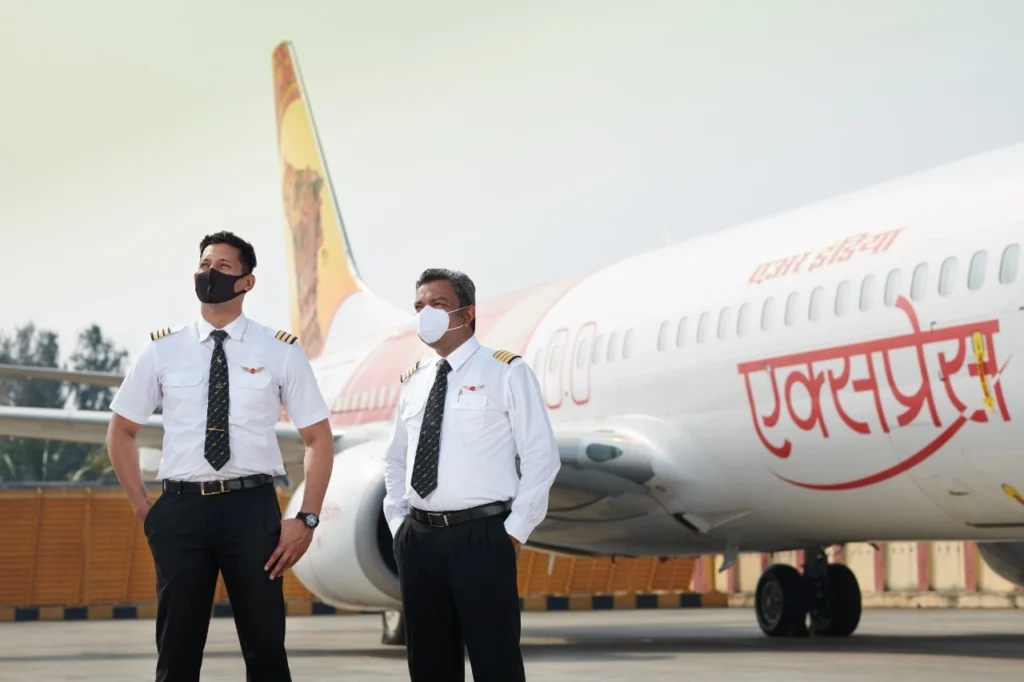
Air India Express Pilots Also Included
The new testing policy also applies to pilots at Air India’s budget subsidiary, Air India Express. The expanded checks are scheduled to begin for the subsidiary’s pilots from Thursday.
Tests will cover both substances and medications that aviation regulations prohibit or restrict. Air India plans to conduct the testing alongside training sessions at its academy and at other locations, including briefing centres and offices.
The wider programme gives Air India greater internal oversight of pilot compliance with aviation rules. It also places substance screening more firmly within the airline’s broader safety procedures.

Existing Rules Set a 10% Minimum
India’s current aviation rules already require random substance testing of a portion of flight crew. The minimum threshold is 10% of pilots, making Air India’s decision to test its entire pilot workforce a significant expansion of the airline’s own screening programme.
The distinction is important because random testing is designed to provide regulatory monitoring across a workforce, while testing all pilots gives an airline a much broader picture of compliance at a particular point in time.
Air India’s stated approach goes beyond the regulatory floor rather than replacing the existing aviation safety framework.
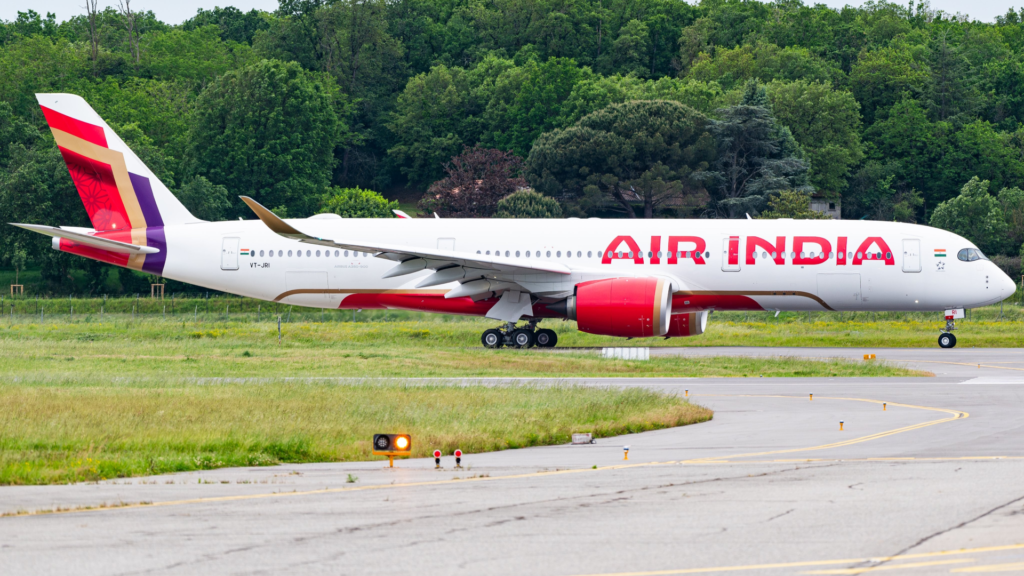
Airline Faces Safety Scrutiny
The latest initiative comes as Air India remains under scrutiny following the crash of an Air India flight from Ahmedabad to London in June 2025.
The aircraft crashed shortly after take-off from Ahmedabad. The accident killed 241 people on board and 19 people on the ground. Only one passenger survived.
The 2025 crash has remained a major focus of aviation safety discussions surrounding the airline.
The Phuket-Delhi incident has added another layer of scrutiny involving flight operations, crew fitness and compliance with aviation requirements.

New CEO Takes Charge at Air India
The expanded testing programme also comes shortly after former Ethiopian Airlines chief Tewolde Gebremariam became Air India’s new chief executive.
Gebremariam was appointed to lead the airline as it continues its wider turnaround and addresses operational and safety challenges.
Reuters reported that his appointment comes after Air India faced significant pressure following the 2025 crash and other operational concerns.
His arrival gives Air India new leadership at a time when safety controls, regulatory compliance and passenger confidence remain important priorities.

What New Testing Policy Means
Air India’s decision moves pilot substance screening well beyond the existing minimum requirement. Testing all pilots at the airline, together with the inclusion of Air India Express pilots, represents a broader internal safety measure following the Phuket-Delhi incident.
The programme will test for prohibited substances and restricted medications and will operate across training and other airline facilities. Its immediate purpose is to strengthen compliance and reinforce the airline’s stated commitment to safety and professional standards.
The Phuket-Delhi investigation will continue separately as authorities examine the circumstances surrounding the altitude loss. The outcome of that investigation will determine whether any connection exists between the incident and the issues identified during pilot testing.
Stay tuned with us. Further, follow us on social media for the latest updates.
Join us on Telegram Group for the Latest Aviation Updates. Subsequently, follow us on Google News
