

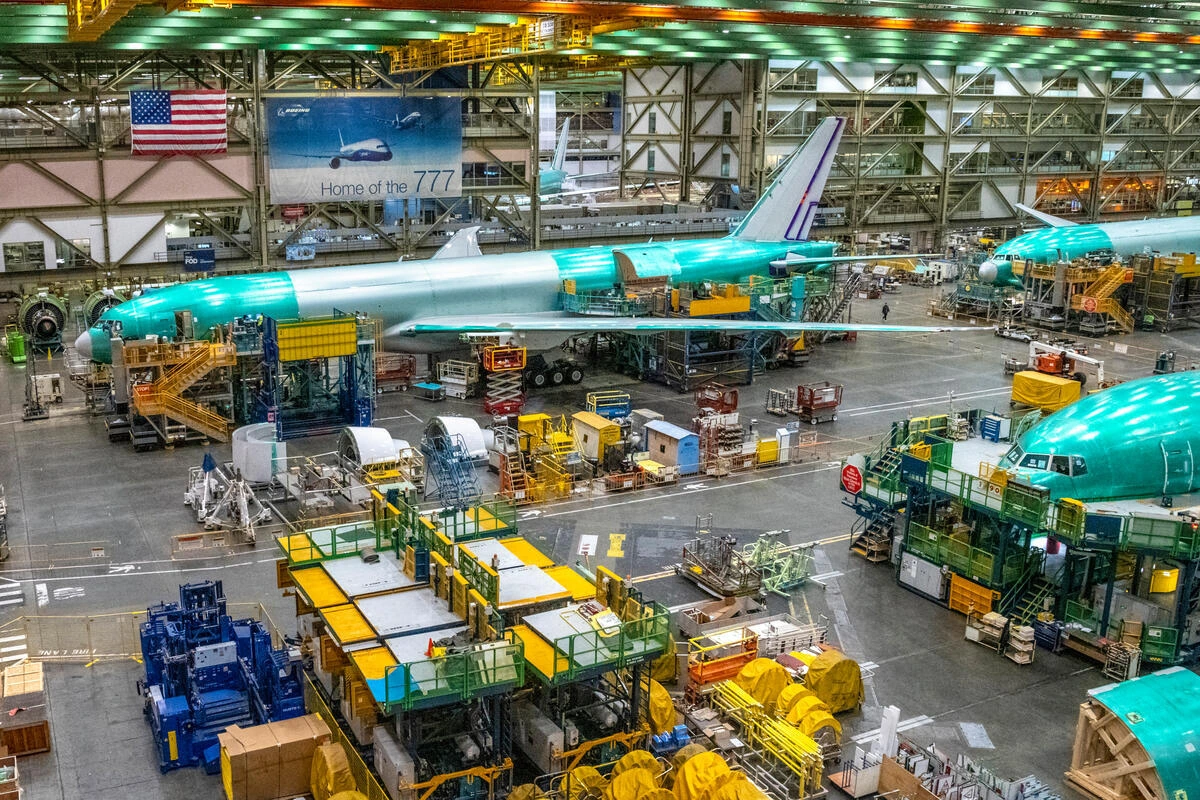
EVERETT- Boeing faces several more quarters of production disruption after a supply dispute involving Vaero, a Florida-based manufacturer of aircraft wing components, interrupted work on its 777 freighters and 767 aircraft in Everett. Although shipments have resumed, the US aircraft manufacturer expects the shortage to leave a production gap that will gradually affect its assembly lines.
Boeing Chief Financial Officer Jay Malave disclosed the continuing impact on October 27, 2026, during the company’s third-quarter financial update. The dispute centred on trailing-edge rib kits, essential components used in wing assembly, and disrupted production of commercial freighters and KC-46 military aerial refuelling tankers.
Boeing Supplier Dispute
Boeing’s dispute with Vaero, headquartered in Jacksonville, Florida, escalated after the supplier allegedly stopped delivering trailing-edge rib kits.
Boeing filed a complaint in August, claiming that the missing components were costing the manufacturer as much as $6.5 million per day.
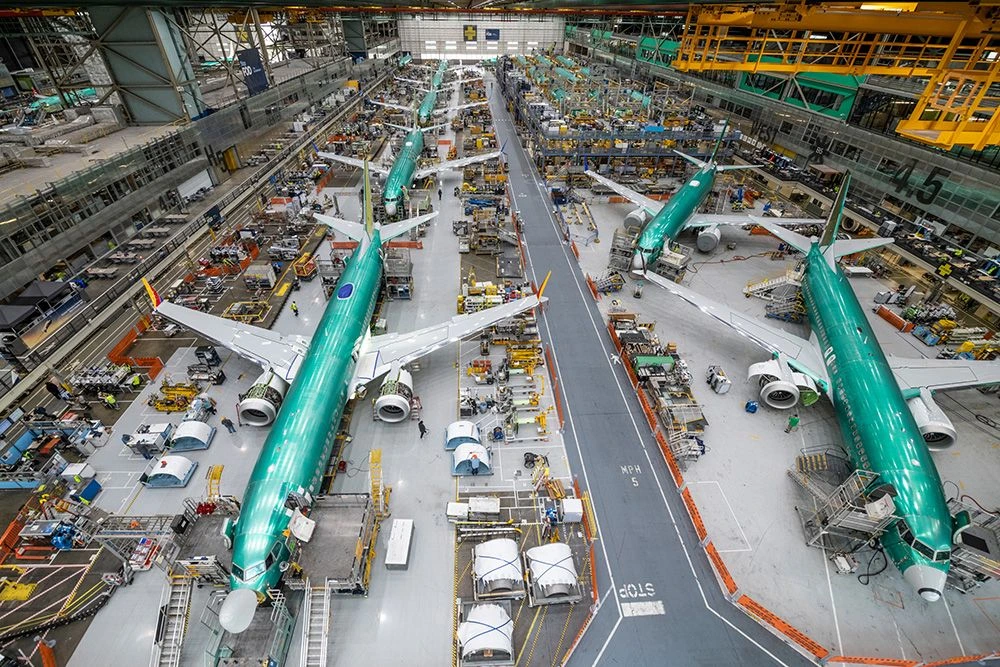
The rib kits help shape and support the rear section of an aircraft’s wing. Because Vaero was the sole supplier of these components, the interruption created a bottleneck at Boeing’s Everett production facility, affecting both the 777 freighter and 767 programmes.
The companies reached a settlement in late September, but the recovery has taken longer than the resolution of the dispute itself.
Boeing reportedly removed two partially assembled 777 freighters from final assembly because the missing components prevented work from progressing.
Malave confirmed that shipments had resumed, but warned that the resulting production shortfall would move through the manufacturing system over the next several quarters.
He added that the disruption’s costs were not material to the third quarter, although Boeing would record them as abnormal costs and period expenses in subsequent quarters.
777F Production Extension
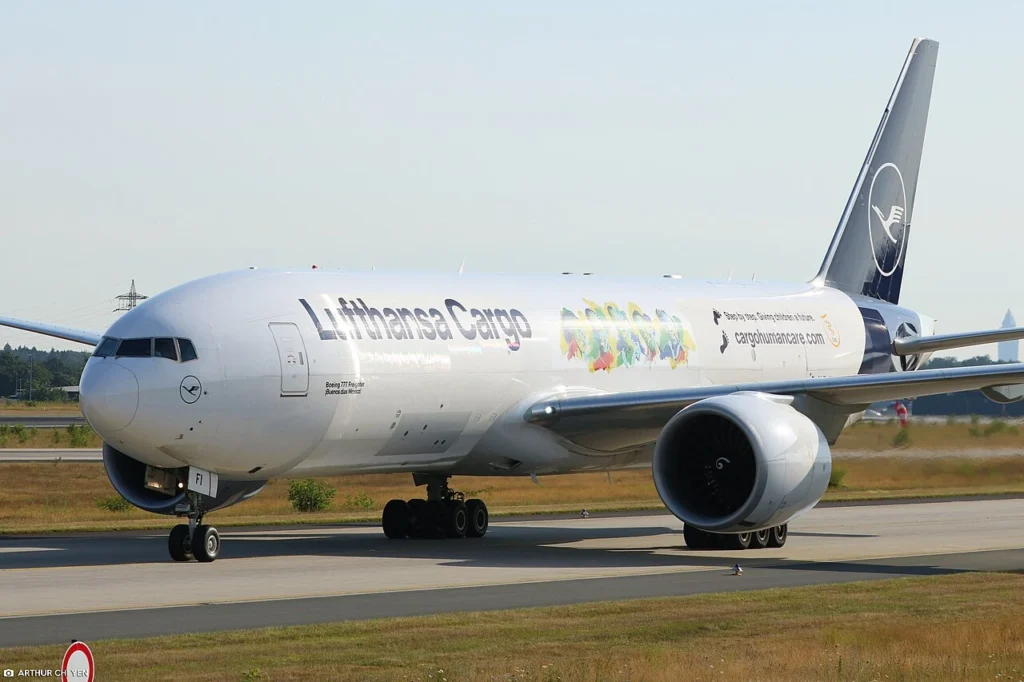
The supply disruption comes as Boeing works to maintain production of its current-generation 777 freighter while preparing its replacement.
In September, the Federal Aviation Administration (FAA) approved an extension allowing Boeing to produce 35 additional 777 freighters beyond the previously established production cutoff.
The approval provides additional time for the existing aircraft as certification delays affect the next-generation 777-8F. International emissions and noise requirements had threatened to end production of the current 777 freighter and 767-300 freighter models under the original timeline.
Boeing has also been working to reduce its dependence on Vaero by bringing production of the trailing-edge rib kits in-house.
The move could provide greater control over component availability, although the company has not indicated how quickly it can eliminate its reliance on the supplier.
Production of the 767 freighter is expected to end in 2027 after Boeing completes its remaining deliveries.
The 767 production line also supports the KC-46 tanker programme, meaning component shortages have consequences beyond commercial cargo aircraft.

777X Certification Risks
Boeing’s production challenges also coincide with uncertainty surrounding the 777X programme.
The manufacturer continues assembling 777-9 aircraft at approximately one per month while awaiting certification, with first delivery still targeted for 2027, according to its third-quarter update.
Chief Executive Officer Kelly Ortberg said Boeing had included financial reserves to accommodate further certification delays.
However, Malave warned that a significant delay could affect deliveries, potentially reducing them by approximately 10 to 15 aircraft under one scenario discussed with analysts.
The 777X programme has faced years of delays, and certification of the 777-8F freighter depends on progress with the passenger version, Leeham News reported.
Unlike the current-generation 777 freighter, the 777X uses composite wings, so it has not been directly affected by the Vaero component shortage.
Boeing must now address the production backlog while managing certification schedules and restoring stability across its manufacturing operations. The resumption of shipments is an important step, but the company expects the consequences of the dispute to remain visible on its production lines for months.
Stay tuned with us. Further, follow us on social media for the latest updates.
Join us on Telegram Group for the Latest Aviation Updates. Subsequently, follow us on Google News
