

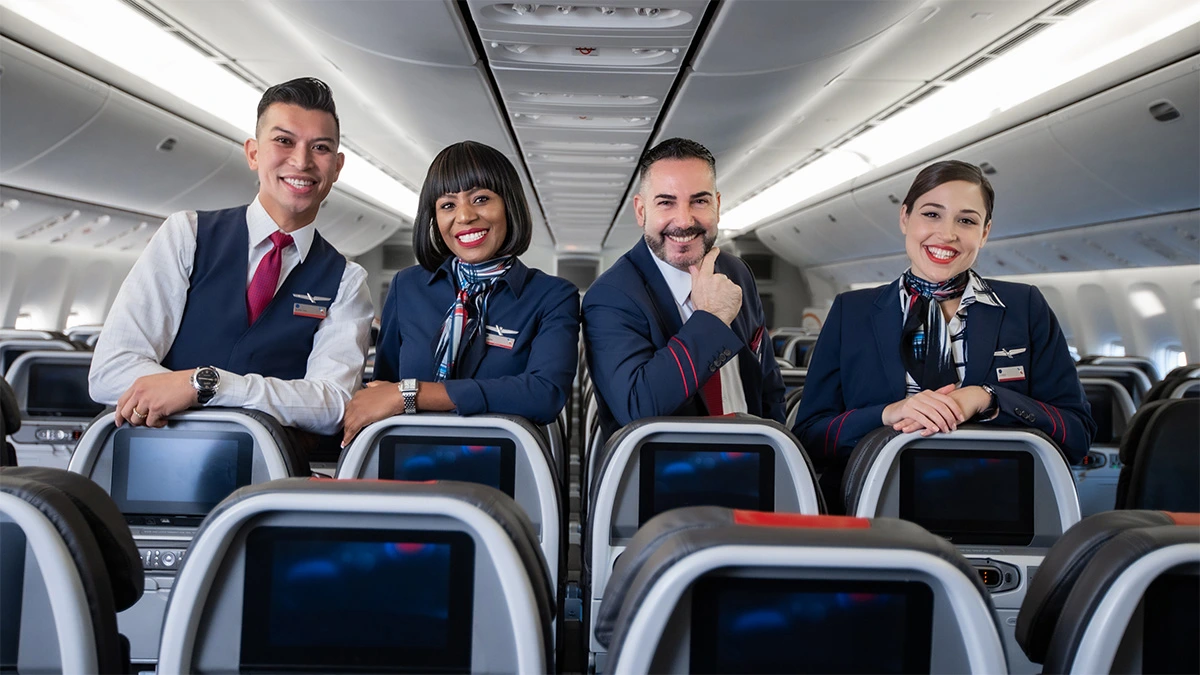
FORT WORTH— American Airlines (AA) is facing opposition from its flight attendant union after making online credit card sales training mandatory for its cabin crew workforce of more than 30,000 employees. The Association of Professional Flight Attendants (APFA) argues that the requirement could change the scope of flight attendants’ duties.
The dispute centres on a distinction between learning how to promote financial products and being required to sell them as part of the job. The new training module forms part of the airline’s latest batch of required online coursework, which employees must complete to avoid potential disciplinary action.
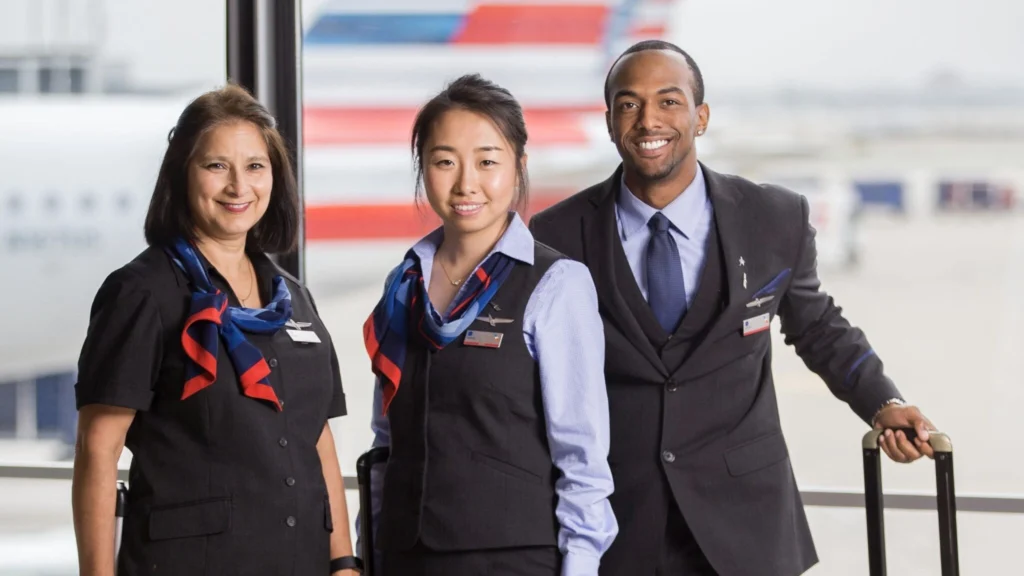
Mandatory Sales Training for AA’s Flight Attendants
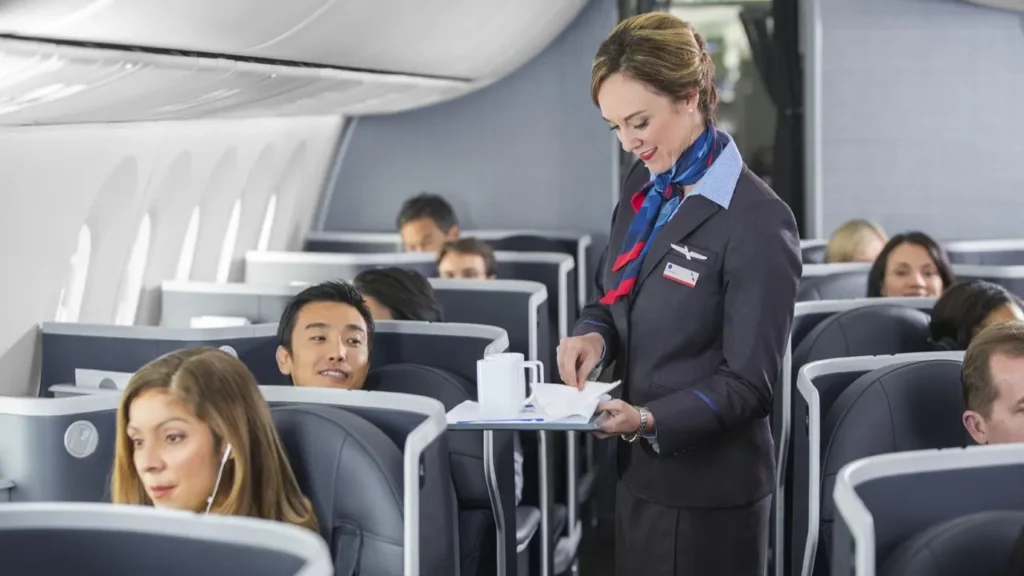
American Airlines has long offered flight attendants the opportunity to promote its co-branded credit cards during flights.
Under the existing programme described in reports, crew members can earn commissions when passengers apply for a card, and their applications are subsequently approved, but individual flight attendants are not required to participate in the sales activity.
The introduction of compulsory training has therefore prompted questions about the boundary between optional commercial activity and mandatory employment responsibilities.
Although completing the module does not necessarily mean a flight attendant must make sales announcements, the union is concerned that the requirement could establish a precedent for expanding their duties without a corresponding agreement.
APFA has emphasised the importance of the scope provisions in its collective bargaining agreement with American Airlines.
In a message to members, the union argued that these protections prevent management from redefining the flight attendant role or introducing new compulsory responsibilities at its discretion.
The disagreement does not mean that the airline has formally changed every flight attendant’s job description. Rather, the union’s objection focuses on the implications of requiring all employees to complete training for a sales programme that they can currently choose whether to join.
The distinction is significant because mandatory training generally forms part of an employee’s required professional development, while sales commissions provide an incentive for those who elect to participate in a commercial programme.
Flight attendants who do not wish to promote credit cards may nevertheless have to complete the same module as colleagues who actively pursue sales.
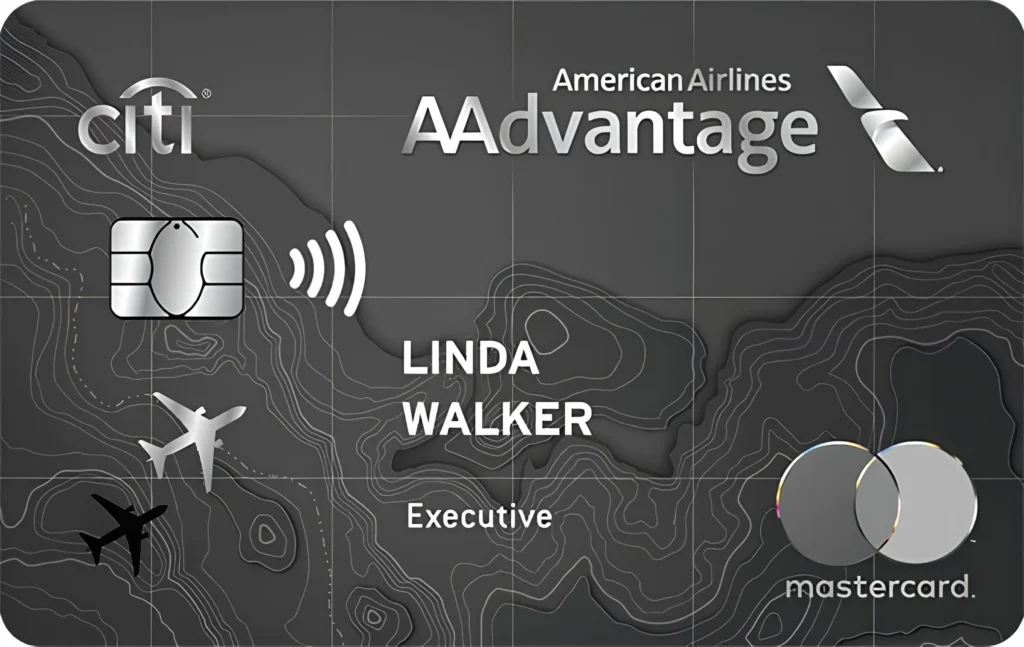
American Airlines’ Credit Card Revenue
The controversy comes as co-branded credit cards and loyalty programmes have become important sources of revenue for major US airlines.
These partnerships connect airline brands with financial institutions, allowing carriers to earn income from card-related agreements while encouraging customers to collect miles through everyday spending.
For American Airlines, credit card promotions give passengers another way to engage with its loyalty programme. Travellers may be offered introductory bonuses or other incentives when applying, while the airline benefits from the commercial relationship associated with card usage and customer loyalty.
Flight attendants have been encouraged to participate in the sales programme through the commissions they can earn from approved applications. Earlier reports also described efforts to make the opportunity more attractive to crew members by highlighting how the additional income could help cover personal expenses or fund travel.
However, a sales pitch delivered during a flight must be handled carefully. Crew members are expected to communicate offers accurately, and passengers should receive clear information about the terms of any financial product being promoted.
Requiring all flight attendants to complete training could help familiarise them with the programme, but it does not by itself establish that every employee will sell cards or that the airline has changed its participation rules.
The issue also raises questions about how commercial targets fit into cabin crew responsibilities. Flight attendants perform safety-related duties, assist passengers, manage cabin procedures and respond to disruptions, while onboard sales represent an additional commercial activity rather than the central purpose of their role.
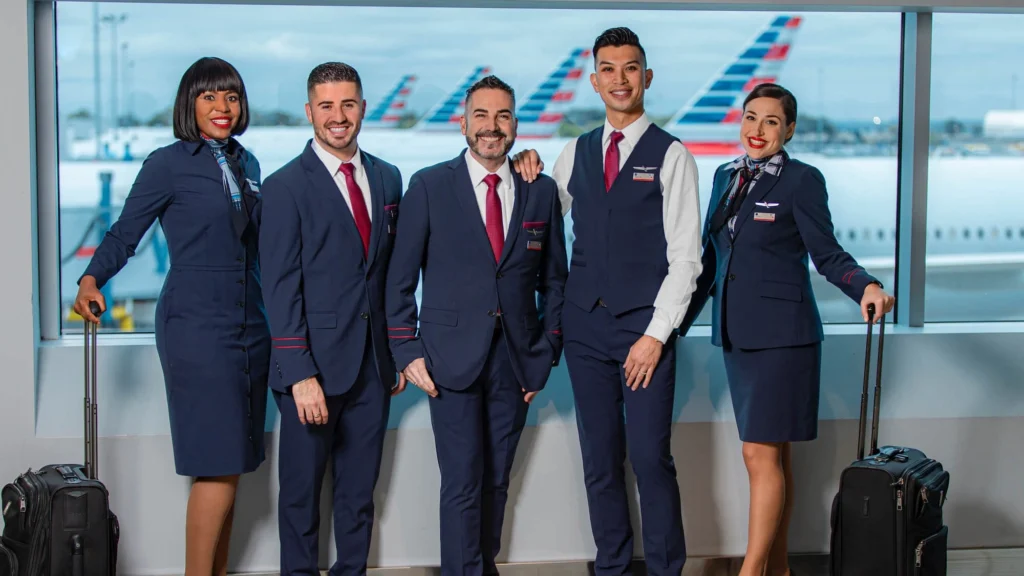
Me@work Performance Tracking
The dispute is also connected to American Airlines’ Me@work employee portal, which provides access to performance-related information.
The system tracks several measures, including customer satisfaction, punctuality and sickness, while credit card sign-up figures are expected to become another available metric.
The addition has raised concerns among union representatives about how individual employees will be evaluated.
APFA has questioned whether customer satisfaction scores can reliably measure one flight attendant’s performance when several crew members may contribute to a passenger’s experience on the same flight.
Credit card sales figures could create a similar debate if management uses them to compare employees who have different levels of interest in the voluntary programme.
The available reports do not establish that flight attendants will face sales quotas or automatic disciplinary action for failing to secure applications, so mandatory training should not be treated as proof that selling cards has become compulsory.
The wider concern is how performance tracking might affect the working environment.
If commercial activity becomes more visible in employee evaluations, crew members may worry that declining to promote a financial product could affect how management assesses their performance, even when participation remains officially optional.
For APFA, the central question is whether the training requirement and planned reporting changes are consistent with the existing collective bargaining agreement, PYOK flagged.
Bottom Lines
The union’s position places the emphasis on contractual protections and the limits of management’s authority, rather than simply opposing the airline’s credit card partnership.
American Airlines’ credit card programme remains a commercial opportunity for employees who choose to participate.
The unresolved issue is whether mandatory training and expanded performance tracking will remain separate from the voluntary sales activity, or whether the changes will alter how the airline expects its cabin crew to work.
Stay tuned with us. Further, follow us on social media for the latest updates.
Join us on Telegram Group for the Latest Aviation Updates. Subsequently, follow us on Google News
