

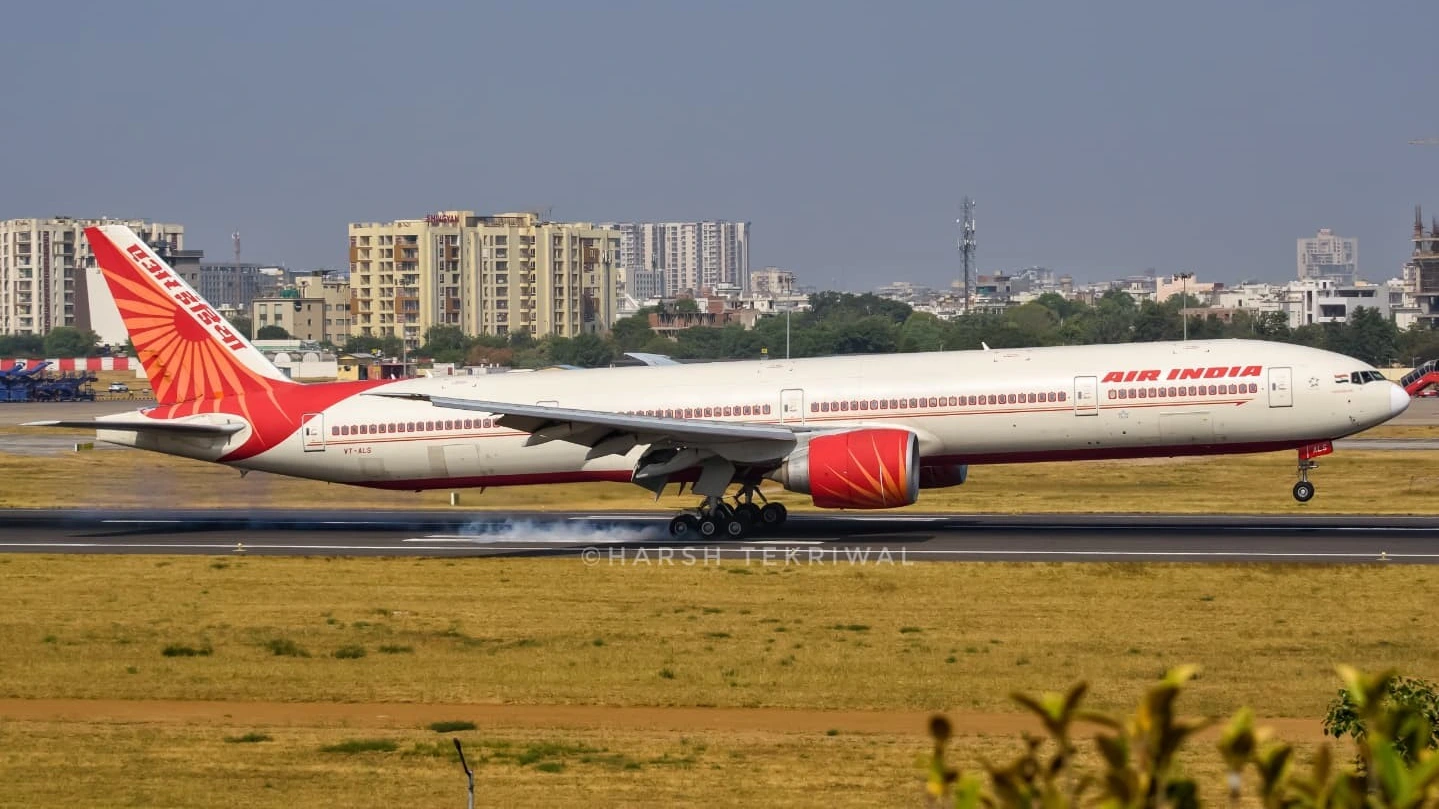
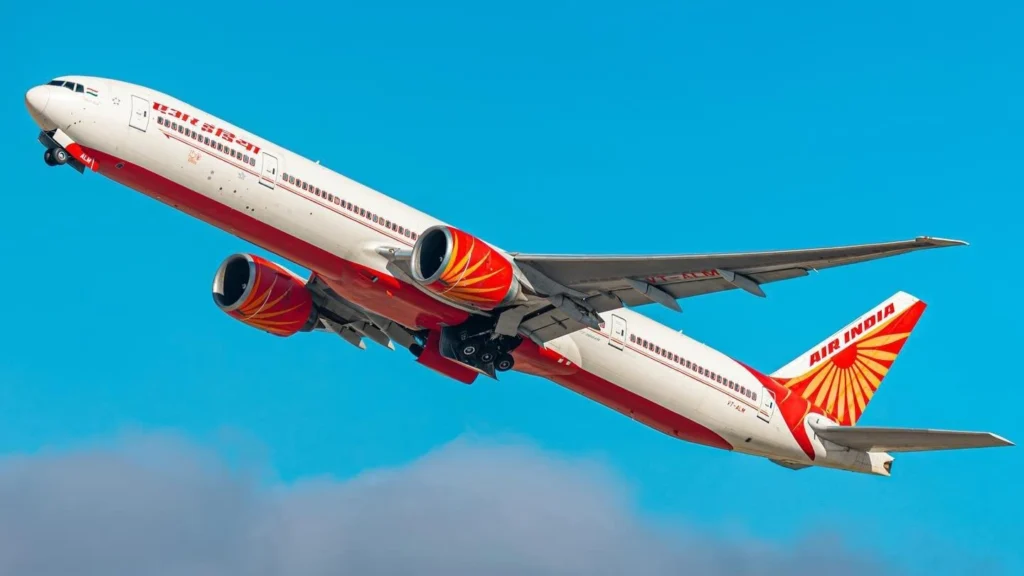
DELHI- Tata Group-owned Indian FSC Air India (AI) will suspend its nonstop flights between Delhi Indira Gandhi International Airport (DEL) and Birmingham Airport (BHX), United Kingdom, from November 1, 2026. The airline will also discontinue its four-times-weekly service between Delhi (DEL) and Vienna International Airport (VIE), Austria, at the end of October.
The changes will affect Air India’s European network during the winter 2026-27 season. The airline is adjusting its international capacity amid rising fuel costs, airspace restrictions, and longer flight times affecting operations across Europe.
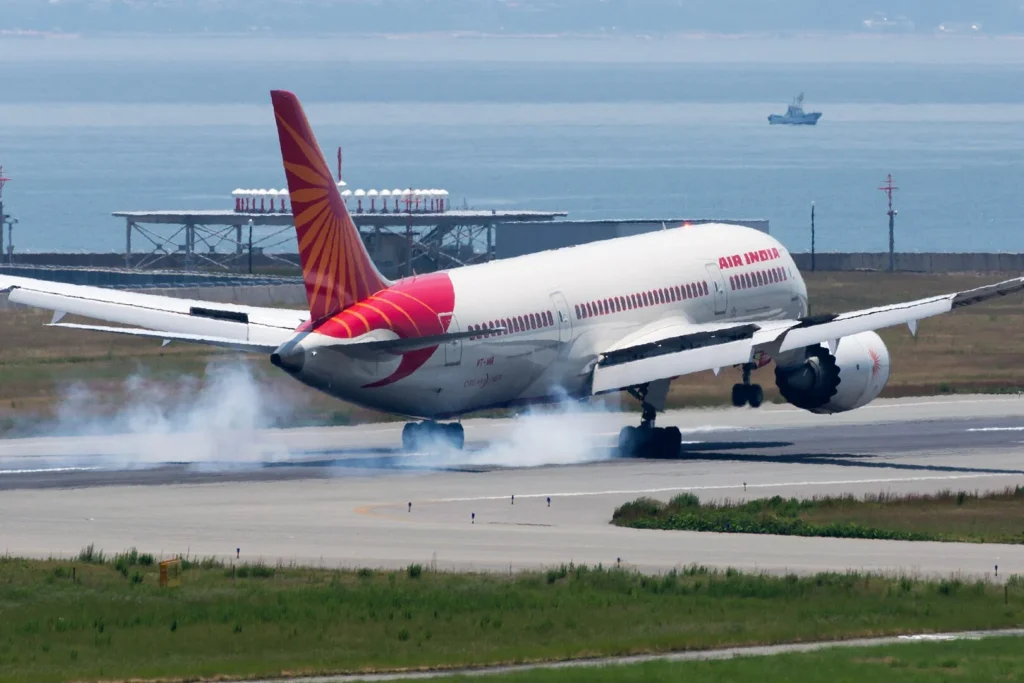
Air India Reduces European Flight Network
Air India will withdraw its four-times-weekly Delhi-Vienna service and three-times-weekly Delhi-Birmingham flights as part of its latest European network changes. The suspensions will reduce nonstop travel options between India and these European destinations.
According to timetable and reservation data reported by CAPA – Centre for Aviation and Aviation Week, the Vienna suspension is scheduled for the end of October, while the Delhi-Birmingham service is set to end in early November. Published schedule reports differ slightly on the precise effective dates, so passengers should check Air India’s booking platform for the latest flight availability.
The airline’s three-times-weekly Amritsar-Birmingham service is also expected to pause for the winter 2026-27 season, according to CAPA. However, reservations were still available through Air India’s booking platform in the reported schedule update.
The latest changes will therefore affect services from two Indian cities to Birmingham, in addition to the withdrawal of the Delhi-Vienna connection.
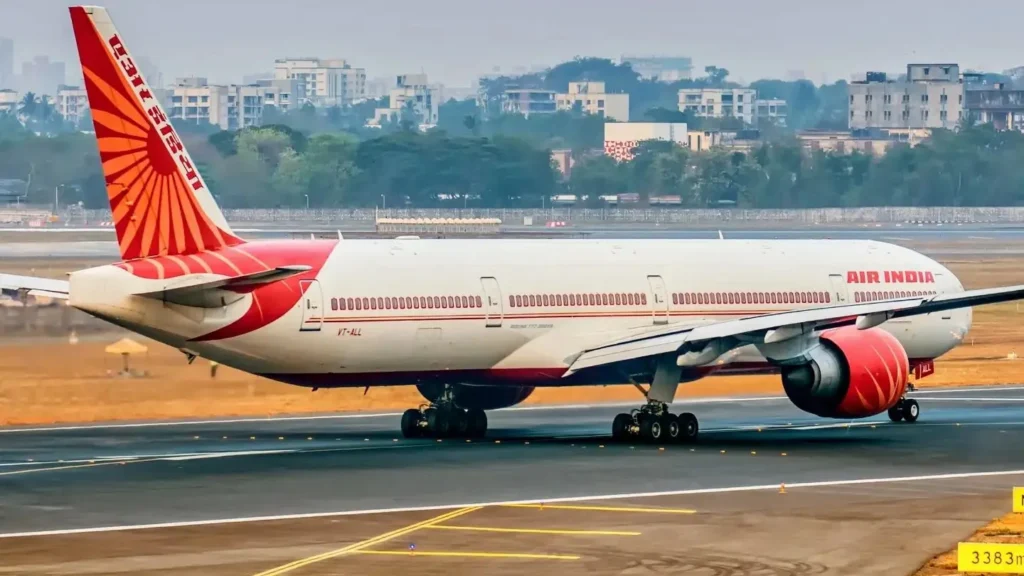
Birmingham Routes Face Winter Suspension
Air India had planned to offer approximately 91,100 two-way seats across its Delhi-Birmingham and Amritsar-Birmingham routes during winter 2026-27, according to OAG Schedules Analyser data. That represented a 33.6% increase over the previous winter season.
The planned capacity increase contrasts with the airline’s decision to suspend the services for winter. However, the available data does not establish that weaker passenger demand alone prompted the cuts.
Sabre Market Intelligence data shows that Birmingham handled approximately 207,300 two-way origin-and-destination passengers travelling between the city and India during 2025. The figure declined 8.3% year-over-year.
Amritsar was Birmingham’s largest Indian city market, accounting for approximately 81,200 two-way passengers. Delhi ranked second with around 53,600 passengers.
The figures highlight the importance of both cities to Birmingham’s India market. The winter suspensions will affect travellers who rely on the nonstop services, although alternative routings through other airports remain possible.
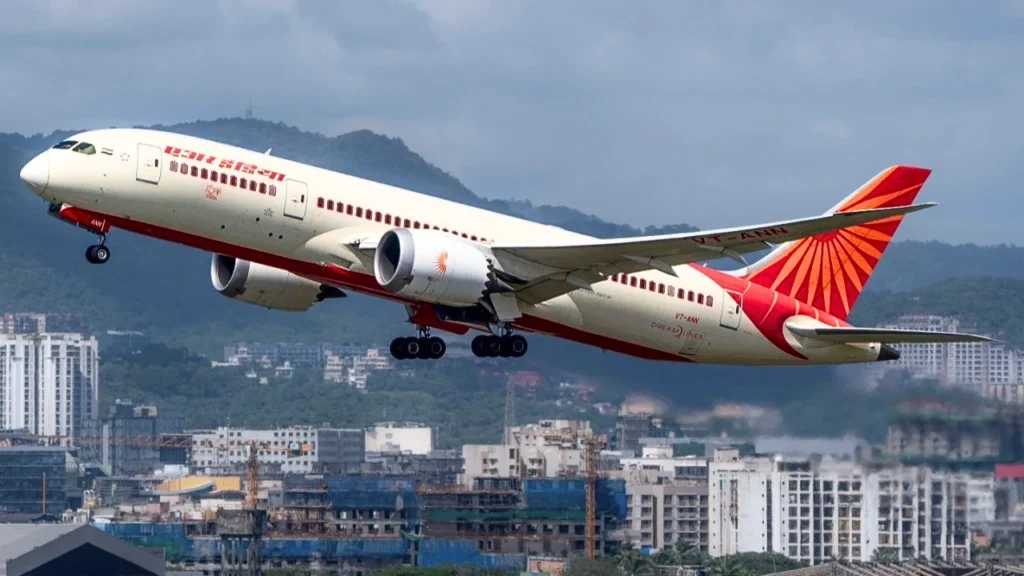
Air India Ends Nonstop India-Austria Connectivity
Air India’s withdrawal from the Delhi-Vienna route will remove the only nonstop scheduled air service connecting Austria and India, according to the reported network changes.
The airline most recently operated the route four times per week. Vienna will nevertheless continue to appear as a technical stop on selected Air India flights serving North American destinations, including certain services to Toronto, San Francisco, and Vancouver.
A technical stop does not necessarily provide the same travel option as a dedicated nonstop India-Austria service. Passengers travelling between the two countries may need to consider connecting itineraries after the withdrawal.
Sabre estimates that approximately 173,500 two-way passengers travelled between Vienna and Indian cities during 2025, an increase of 11% from the previous year.
Delhi accounted for around 68,400 passengers, making it the largest Indian market for Vienna. Mumbai followed with approximately 29,600 passengers, while Bengaluru recorded around 21,100.
The increase in passenger traffic indicates that demand between Austria and India grew in 2025, even as Air India prepares to withdraw its direct Delhi service. The available figures do not explain the airline’s specific commercial reasons for ending the route.
India-Europe Flight Capacity Faces Further Pressure
Air India’s latest suspensions form part of wider changes to India-Europe air connectivity during winter 2026-27.
Before the latest route changes, airlines had scheduled approximately 5.63 million two-way seats between India and Europe for the winter season, according to OAG data. That was 6.5% below the approximately 6.02 million seats scheduled for winter 2025-26.
Higher aviation fuel costs and international airspace restrictions have increased operating challenges for airlines serving European destinations. Longer flight paths can increase fuel consumption and aircraft utilisation time, affecting the economics of long-haul routes.
Airlines must also manage aircraft availability, crew schedules, and network priorities when operating costs increase. The supplied data does not quantify how much each factor contributed to Air India’s latest decisions.
The capacity reduction was already visible in OAG’s schedule data before the latest Air India changes, indicating that the adjustments extend beyond a single carrier or route.
IndiGo Also Scales Back European Operations
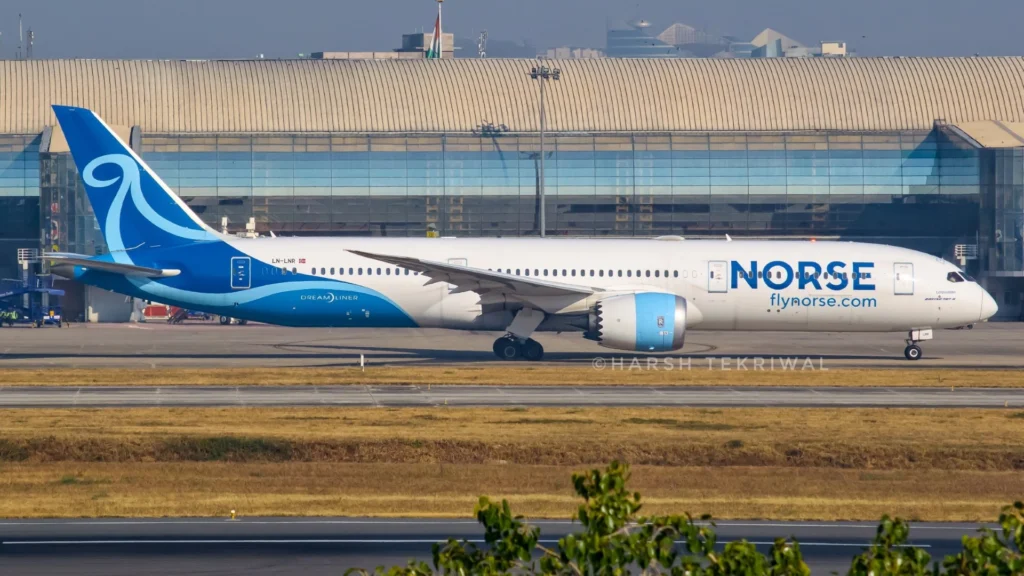
IndiGo (6E) has made separate changes to its European network following its decision to end its damp-lease arrangement with Norse Atlantic Airways.
The agreement covered six Boeing 787-9 Dreamliner aircraft. IndiGo used the leased widebodies to establish long-haul services while preparing to introduce its own Airbus A350 aircraft.
IndiGo suspended flights between Delhi and Manchester Airport (MAN), as well as Mumbai and Manchester, on August 31, 2026. The airline attributed the decision to international airspace restrictions, longer flight durations, and a difficult operating-cost environment.
The carrier also planned to conclude its Norse Atlantic widebody arrangement from October 25, 2026. It will temporarily suspend its London Heathrow (LHR) services pending the arrival of its own Airbus A350-900 aircraft.
IndiGo’s Mumbai-Amsterdam route will continue from October 25 using a 195-seat Airbus A321XLR, but the service will operate three times per week.
The changes reflect IndiGo’s shift away from its leased Boeing 787 operation and towards a long-haul strategy built around its own future widebody fleet and Airbus A321XLR aircraft.
Air India and IndiGo are making separate fleet and network decisions, but their changes will affect the capacity and nonstop travel options available between India and Europe during the winter season.
What the Changes Mean for Passengers
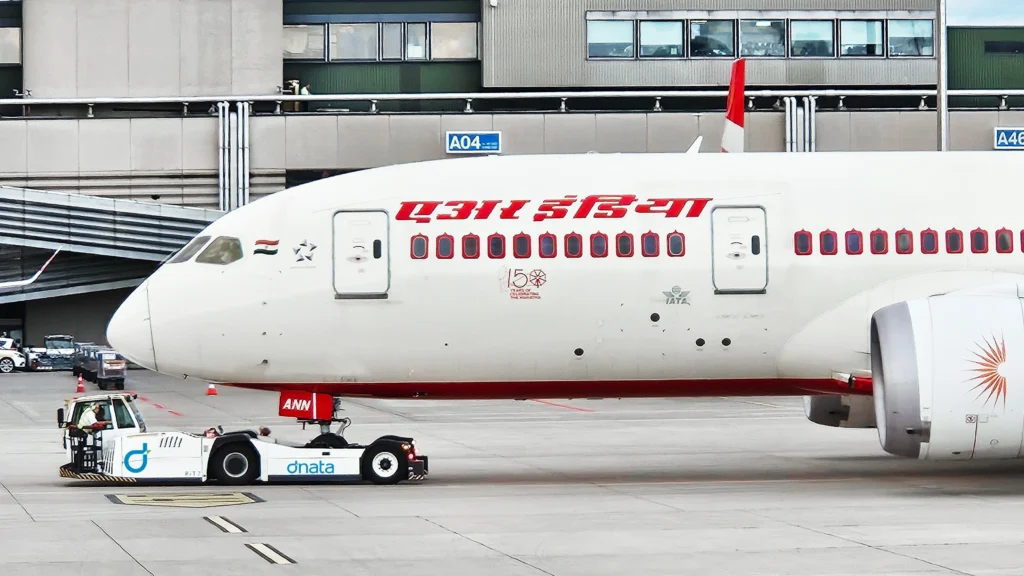
Passengers planning to travel between India and Birmingham or Vienna should confirm their flights before departure, particularly for journeys scheduled around the end of October and the beginning of November.
Travellers booked on affected services should check whether their flights remain available and contact the airline or booking provider about alternative arrangements if their service is cancelled.
For Birmingham, passengers may need to consider connecting flights or alternative departure cities. Travellers between India and Austria will also need to review connecting itineraries after the Delhi-Vienna nonstop service ends.
Air India’s published booking availability and final operating schedules will determine which options remain accessible to passengers during the transition.
Stay tuned with us. Further, follow us on social media for the latest updates.
Join us on Telegram Group for the Latest Aviation Updates. Subsequently, follow us on Google News
