

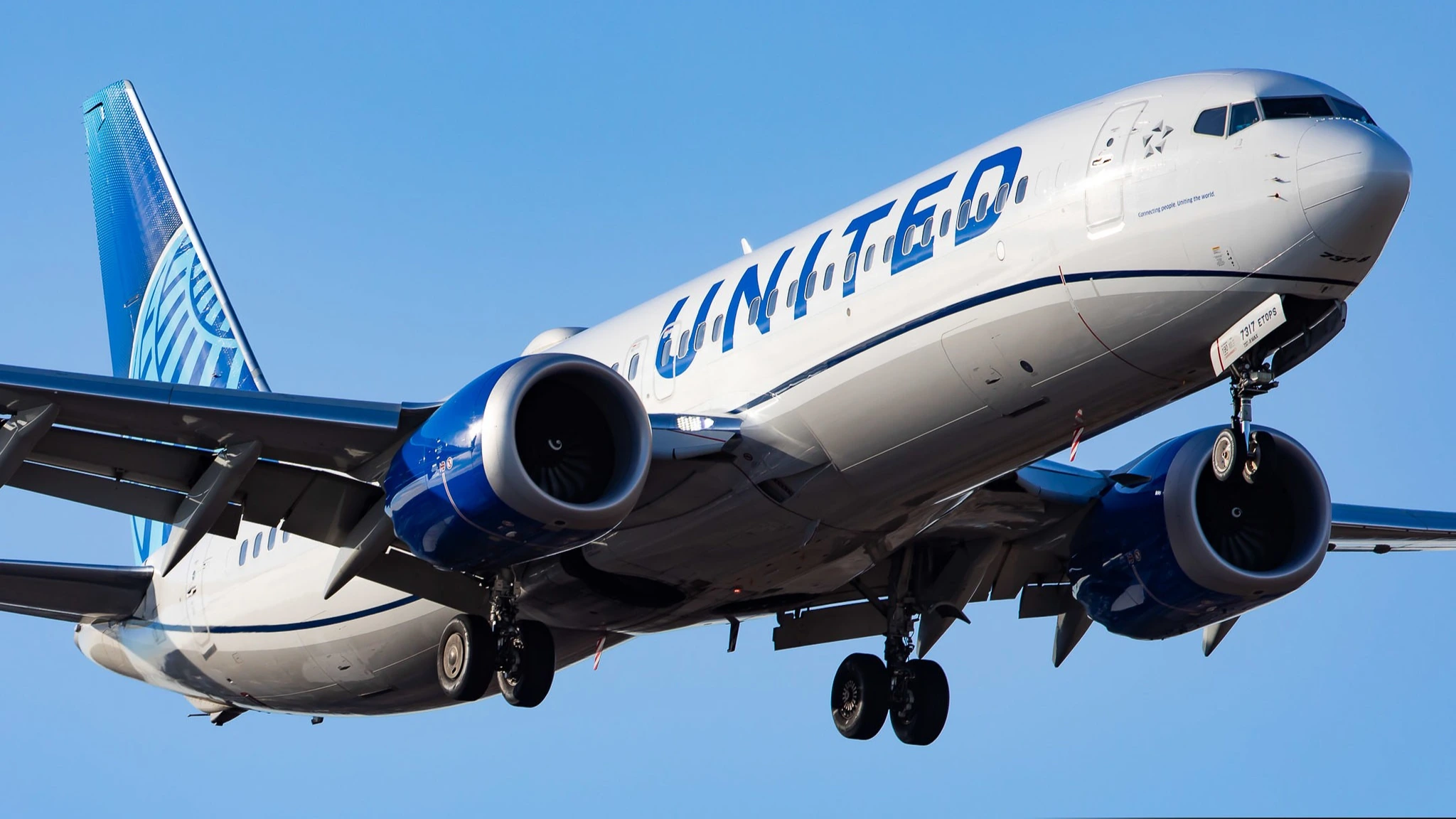
CHICAGO- United Airlines (UA) Flight UA1900, a Boeing 737 MAX 8 flying from Seattle-Tacoma International Airport (SEA) to Newark Liberty International Airport (EWR), began an emergency diversion to Chicago O’Hare International Airport (ORD) on October 13, 2026, after a 69-year-old passenger became trapped inside the rear lavatory.
The crew spent around 15 minutes trying to open the jammed door before preparing to divert. Flight attendants eventually freed the woman during the descent, allowing the pilots to cancel the diversion and continue to Newark, where the aircraft landed safely.
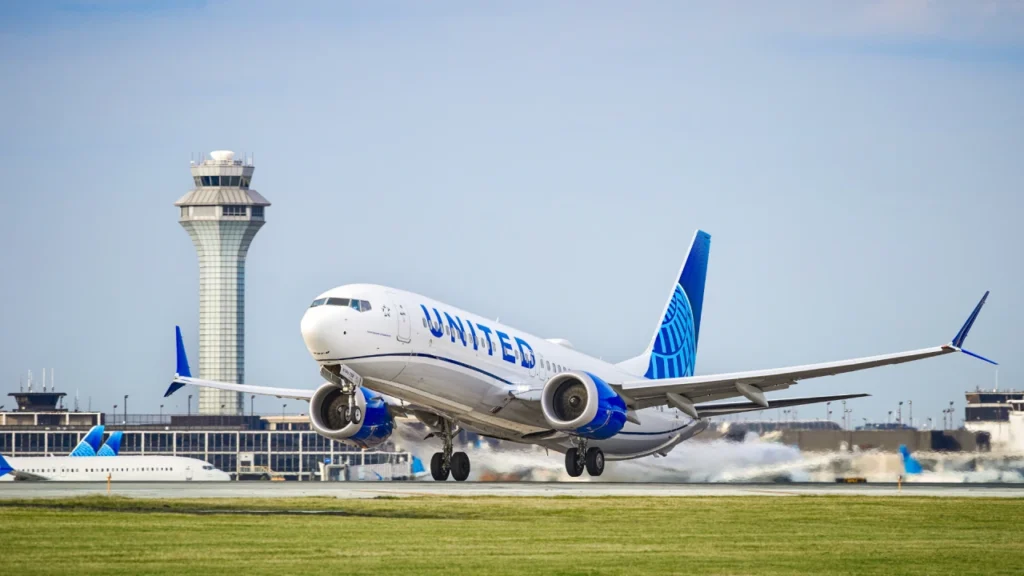
United Flight UA1900 Abandons Emergency Diversion to Chicago
According to AirLive, Flight UA1900 departed Seattle-Tacoma International Airport (SEA) at 7:00 a.m. local time on Tuesday, October 13. The service was scheduled to fly to Newark Liberty International Airport (EWR) using a Boeing 737 MAX 8 registered as N27274.
Approximately two and a half hours into the flight, the aircraft was cruising at 35,000 feet over Minnesota when the crew discovered that a 69-year-old woman was unable to exit the rear lavatory. A malfunctioning door mechanism had left her trapped inside.
Flight attendants initially followed the standard procedure for unlocking the door from outside. However, the latch remained stuck, preventing them from opening it.
The crew then used tools available onboard to try to release the jammed door. After approximately 15 minutes of unsuccessful attempts, the captain contacted air traffic control (ATC) and expressed concern about leaving the passenger trapped for an extended period.
The captain reportedly indicated that he was unwilling to leave the woman inside for more than 20 minutes. The crew therefore began preparing for an emergency diversion to Chicago O’Hare International Airport (ORD).
Flight tracking data showed the aircraft descending toward O’Hare, reaching 27,000 feet as air traffic controllers cleared it for an emergency approach.
However, the flight attendants managed to release the passenger while the aircraft was descending. With the immediate problem resolved and the woman reported to be unharmed, the pilots canceled the planned diversion.
The aircraft subsequently climbed back to 37,000 feet and resumed its journey to Newark. Flight UA1900 landed safely at Newark Liberty International Airport.
United Airlines Flight UA1900: Incident Details
| Detail | Information |
|---|---|
| Incident date | October 13, 2026 |
| Airline | United Airlines (UA) |
| Flight number | UA1900 |
| Aircraft | Boeing 737 MAX 8 |
| Registration | N27274 |
| Departure airport | Seattle-Tacoma International Airport (SEA) |
| Scheduled destination | Newark Liberty International Airport (EWR) |
| Intended diversion airport | Chicago O’Hare International Airport (ORD) |
| Passenger involved | 69-year-old woman |
| Reported problem | Jammed rear lavatory door latch |
| Final outcome | Diversion canceled; aircraft continued to Newark |
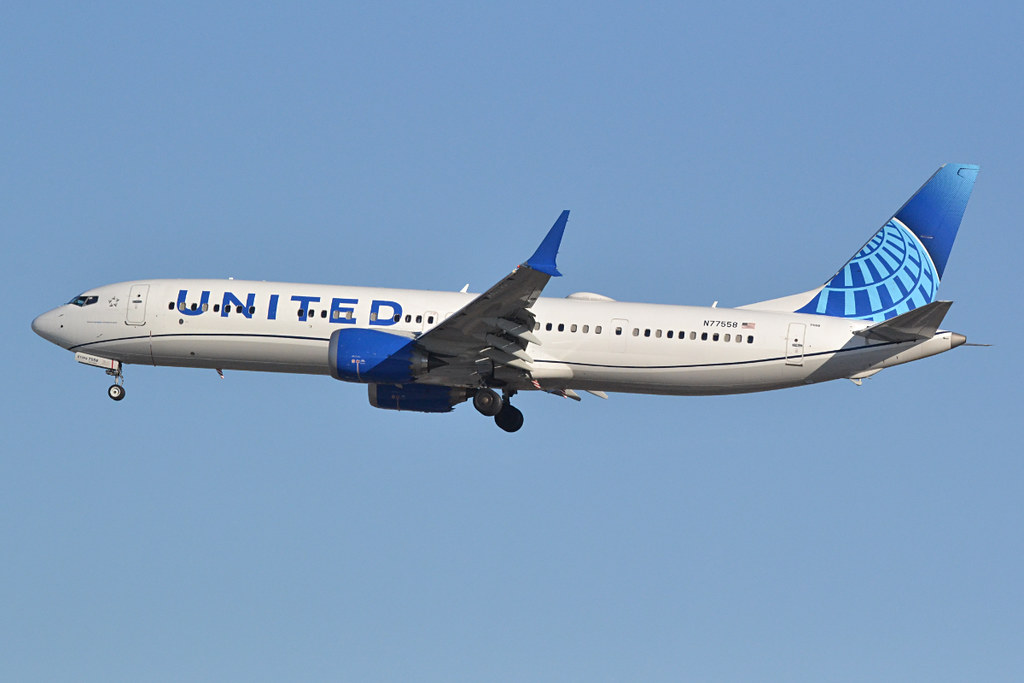
FAA Rules Require Aircraft Lavatory Doors to Open From Outside
Commercial aircraft must incorporate safety measures to prevent passengers from becoming trapped inside lavatories. The requirements are particularly important during medical emergencies, severe turbulence, or other situations in which cabin crew may need immediate access to an occupant.
Under 14 CFR § 25.820, lavatory doors must be designed to prevent people from becoming trapped inside. If a locking mechanism is installed, it must be possible to unlock it from outside without special tools.
Aircraft lavatories generally include an external override mechanism concealed behind the door’s signage or another designated panel. Cabin crew can use this mechanism to release the lock when a passenger cannot open the door.
However, on United Flight UA1900, the reported latch malfunction prevented the crew from releasing the door through the normal procedure. The attendants resorted to onboard tools before eventually freeing the passenger.
The available report does not establish the precise mechanical failure or confirm whether the aircraft had the same latch defect identified in an earlier Federal Aviation Administration (FAA) investigation.
The incident also highlights the importance of ensuring that lavatory locking mechanisms remain functional throughout an aircraft’s service life.
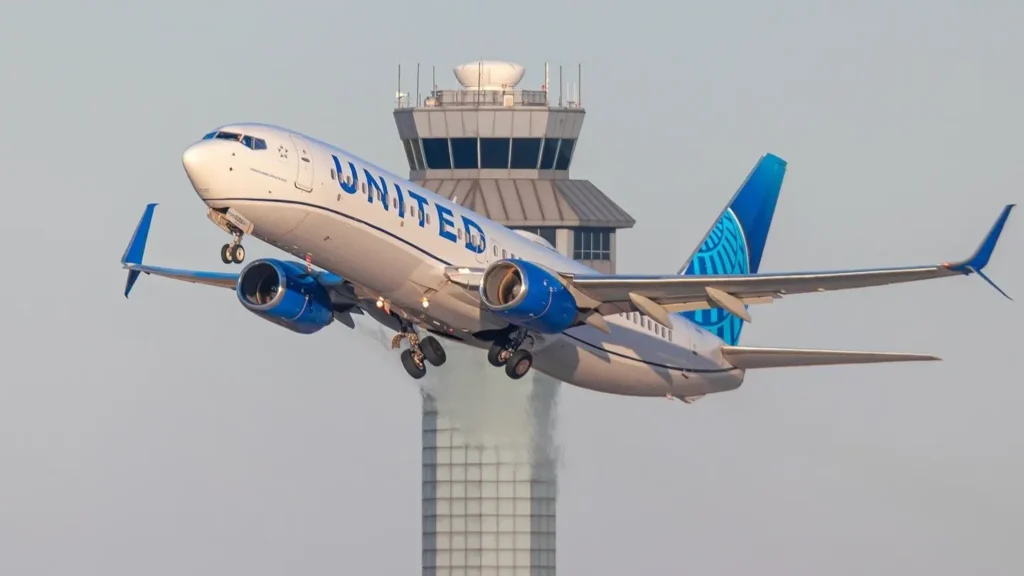
FAA Previously Proposed Replacing Faulty Boeing 737 Lavatory Latches
The United Airlines incident follows earlier concerns about lavatory door latches on the Boeing 737 Next Generation and 737 MAX families.
In April 2025, the FAA proposed an airworthiness directive covering certain Boeing 737-700, 737-800, 737-900, 737-900ER, 737-8 and 737-9 aircraft. The proposal followed a separate report in which a passenger became trapped inside a lavatory because a broken latch prevented the door lock from being released.
According to the FAA’s proposed directive, investigators traced the earlier problem to fatigue in the latch’s plastic structure. Stress and manufacturing-related marks contributed to the failure.
The proposed directive called for replacing affected folding-door latches with improved components and prohibiting the installation of the defective parts. The FAA estimated that the measure would affect more than 2,600 US-registered aircraft.
The proposal covered several Boeing 737 variants, including the 737 MAX 8 and MAX 9. However, the available information does not establish whether the latch on United’s aircraft had the same design, suffered the same failure, or was covered by the specific proposed replacement requirements.
That distinction matters because a passenger becoming trapped does not, by itself, prove that the same technical defect caused both incidents.
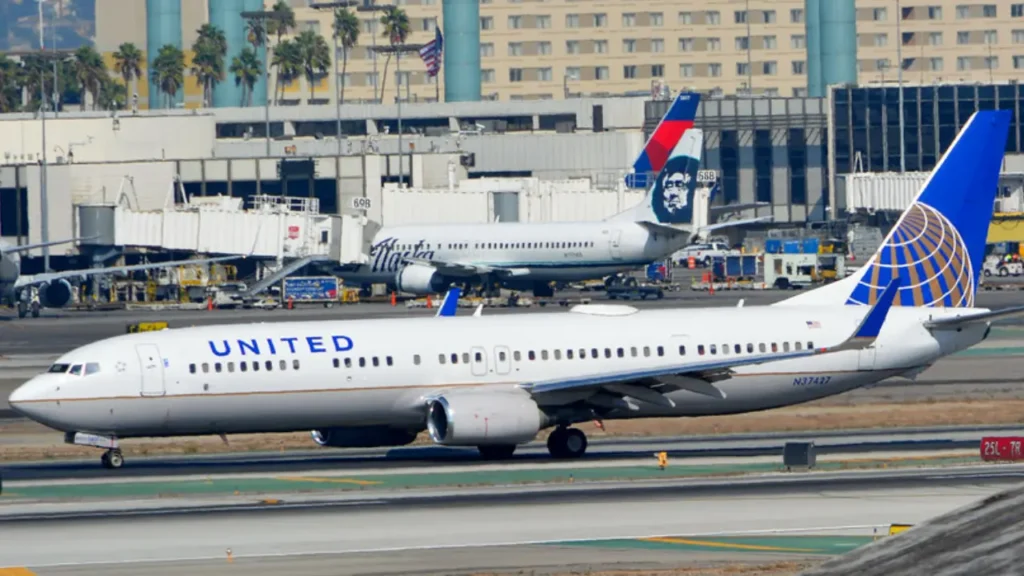
Previous United Airlines Flight Also Diverted After Lavatory Door Failure
United Airlines has experienced a similar incident involving a passenger trapped inside a Boeing 737 lavatory.
In September 2019, United Flight 1554 was flying from Washington, DC, to San Francisco when a passenger became trapped inside a lavatory. The Boeing 737-800 diverted to Denver International Airport, where firefighters from the Denver Fire Department helped open the door.
The incident highlighted the potential consequences of a lavatory door that cannot be released using the normal cabin-crew procedure.
Both events involved a passenger trapped inside a Boeing 737 lavatory and an unscheduled change to the flight’s operational plan. However, the circumstances and technical causes should not be assumed to be identical.
On Flight UA1900, the crew ultimately freed the passenger before the aircraft reached Chicago, avoiding the need to land at the diversion airport.
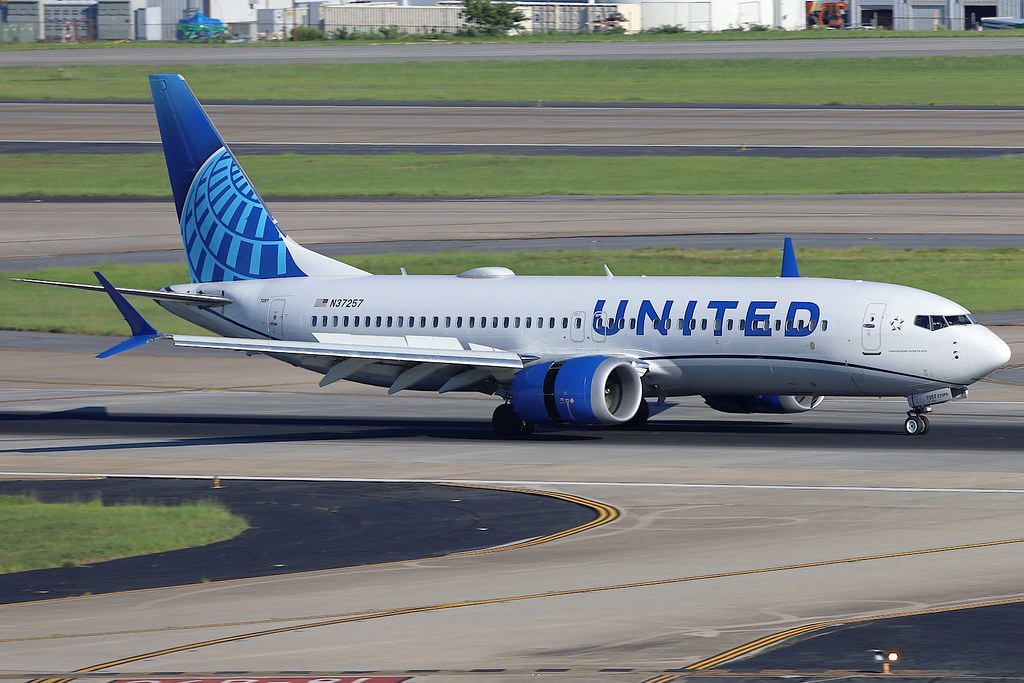
United Flight Reaches Newark After Passenger Is Freed
The October 13 incident ended without the aircraft making an emergency landing in Chicago. After the crew released the passenger, the pilots canceled the diversion and continued to Newark Liberty International Airport.
The incident nevertheless raises questions about lavatory door reliability and the need for functioning external release mechanisms. FAA regulations require these doors to be designed so occupants cannot become trapped, yet mechanical failures can still create operational challenges when a latch does not release as intended.
Stay tuned with us. Further, follow us on social media for the latest updates.
Join us on Telegram Group for the Latest Aviation Updates. Subsequently, follow us on Google News
