

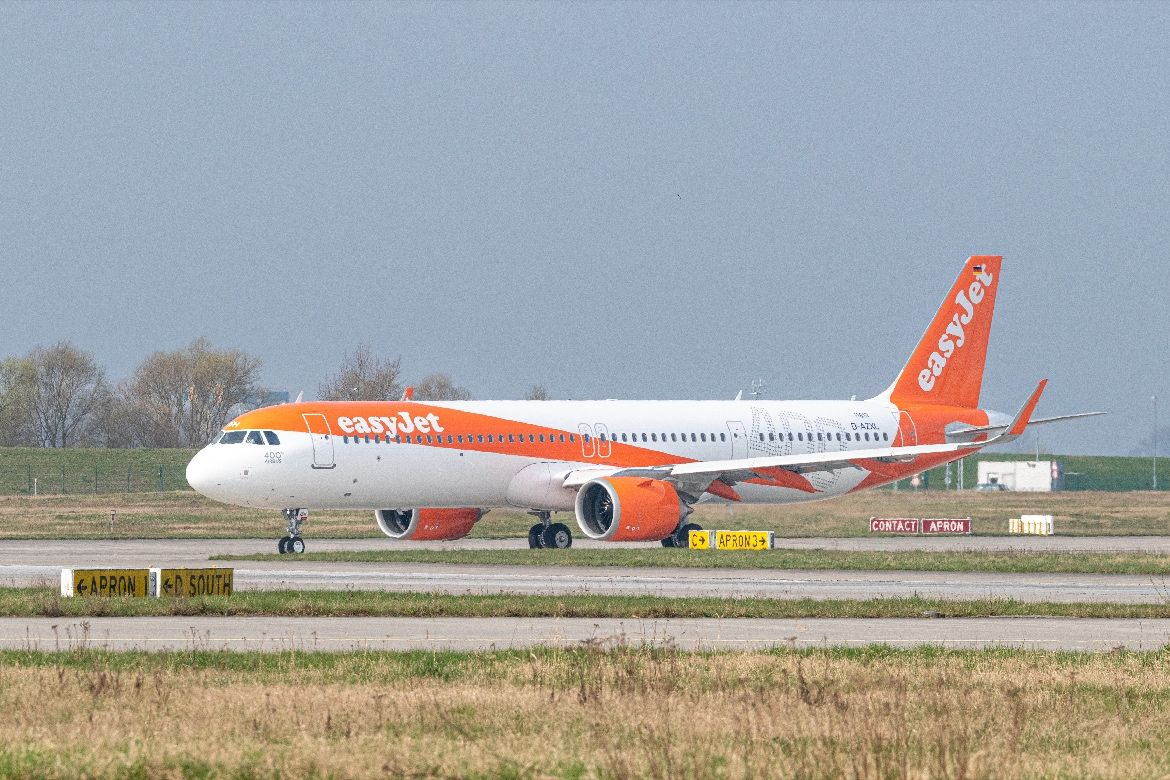
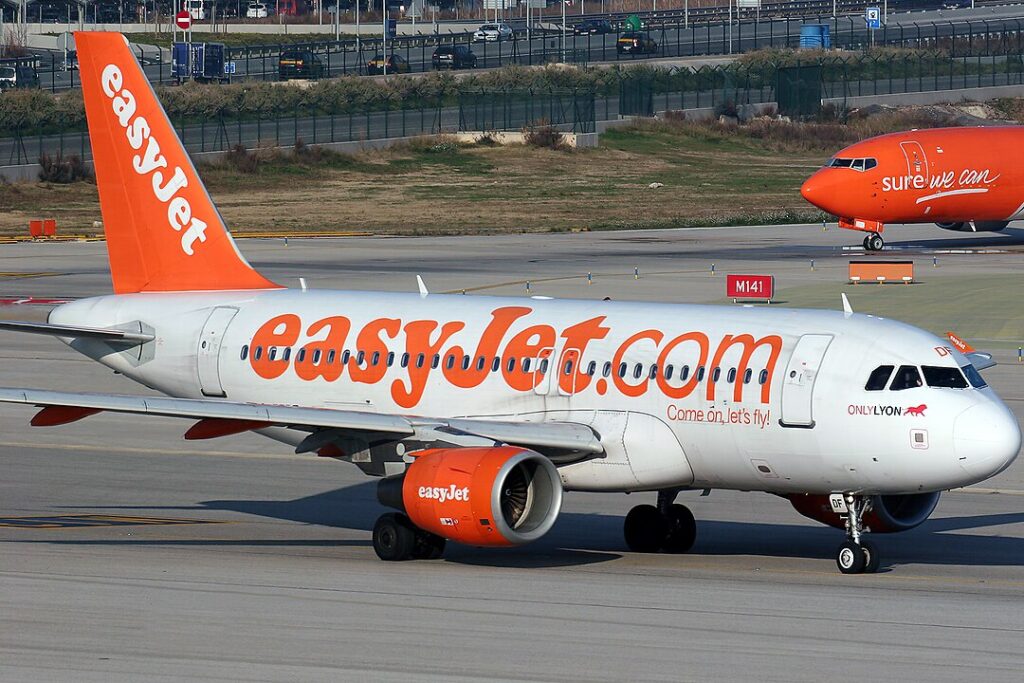
LUTON- An easyJet (U2) flight from Iceland to Italy diverted to Edinburgh Airport (EDI) on Wednesday after its pilots and cabin crew reached their legal maximum duty hours before they could complete the journey.
Flight U23970, operating from Reykjavík–Keflavík Airport (KEF) to Milan Malpensa Airport (MXP), landed in the Scottish capital so a replacement crew could take over. The stop added almost 6 hours to the schedule, with the aircraft finally reaching Milan in the early hours of Thursday.
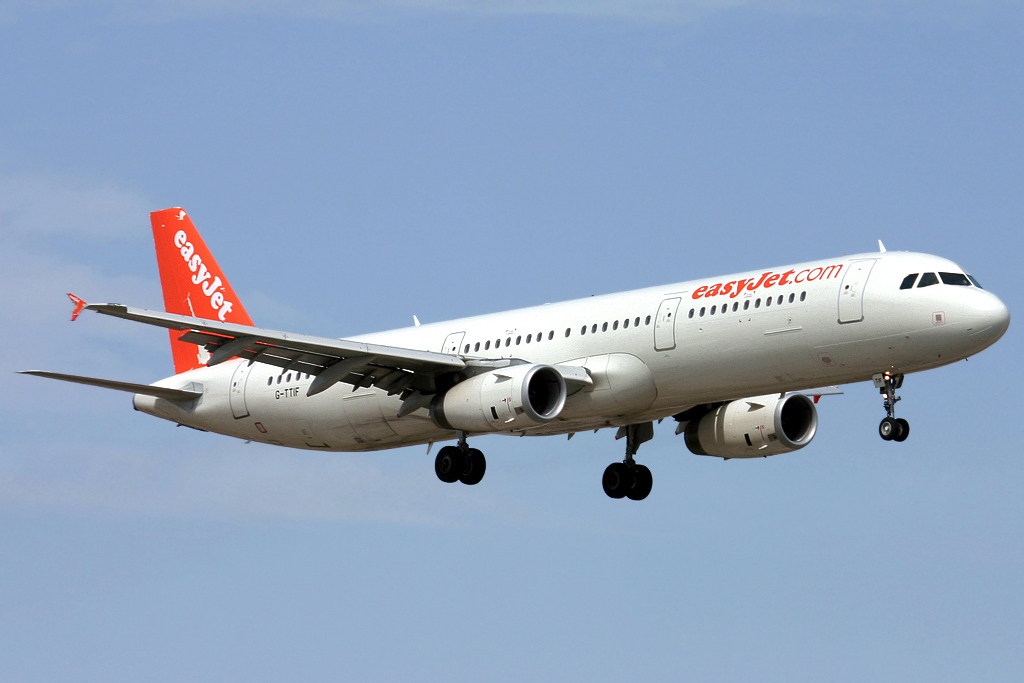
easyJet Flight Diverted to Edinburgh
Flight U23970 left Reykjavík–Keflavík Airport (KEF) on Wednesday bound for Milan Malpensa Airport (MXP). Before it could reach Italy, the aircraft diverted to Edinburgh Airport (EDI) for an unscheduled crew change.
According to The Herald Scotland, which first revealed the diversion, the flight was routed through Edinburgh because of an earlier delay on the aircraft’s previous rotation. That delay ate into the crew’s remaining legal duty time, leaving them unable to fly all the way to Milan within the hours permitted by law.
Rather than hold passengers indefinitely, easyJet chose to divert to Edinburgh, where a fresh set of pilots and flight attendants was ready to continue the service. After the aircraft landed, the replacement crew boarded, and the flight departed again for Milan.

What Flight Time Limitations Are
Flight Time Limitations, often shortened to FTL, are legally enforced rules that cap how long pilots and cabin crew can work, fly, and remain on duty. They also set the minimum rest a crew must receive before operating another flight.
In Europe, these rules are set by the UK Civil Aviation Authority and the European Union Aviation Safety Agency, and they exist to control fatigue and keep flight operations safe.
The core measure is the Flight Duty Period, or FDP. It begins when a crew member reports for duty and ends when the aircraft comes to a complete stop, and the engines are switched off at the final destination.
A single delay early in the day can therefore shorten how far into a schedule a crew is legally allowed to fly.
How the Duty Hour Limits Work
For an acclimatised crew, the maximum basic Flight Duty Period is usually 13 hours. That figure is not fixed. It reduces as the number of flights, known as sectors, increases, and it also drops for duties that begin during the night.
Duties that start in the window between roughly 2:00 AM and 6:00 AM, a period regulators call the Window of Circadian Low, carry the tightest limits because the human body is least alert during those hours.
In certain situations, a captain may extend the duty period by a limited amount using the commander’s discretion, but this is an exception rather than a routine tool. Once a crew reaches its legal ceiling, it must stop, no matter how close the aircraft is to its destination.
Crews must also receive a minimum rest period before their next duty, generally at least 12 hours at their home base or 10 hours away from base. These are the kinds of limits that left the U23970 crew unable to complete the final leg to Milan without a replacement.
Timeline of the Diversion
Flight tracking data from Flightradar24 shows the aircraft landed at Edinburgh Airport at around 5:00 PM on Wednesday.
After the crew change was completed, it departed again at approximately 9:20 PM the same evening.
The jet then landed at Milan Malpensa Airport at about 3:05 AM on Thursday, arriving almost six hours behind its scheduled time.
For passengers, the diversion meant a long evening on the ground in Scotland followed by an overnight arrival in Italy.
Why Airlines Accept Delays Over Breaking Rules
Flight Time Limitations apply even when compliance forces an airline to delay or divert a flight.
Regulators treat crew fatigue as a serious safety risk, since tired pilots and cabin crew are more likely to make errors during critical phases of flight. For that reason, an airline cannot simply ask a crew to keep working past its legal limit to save time.
In this case, diverting to Edinburgh allowed easyJet to swap in a rested crew and still deliver passengers to Milan the same night. The alternative, pushing the original crew beyond their permitted hours, is not something the regulations allow.
Recent easyJet Diversion
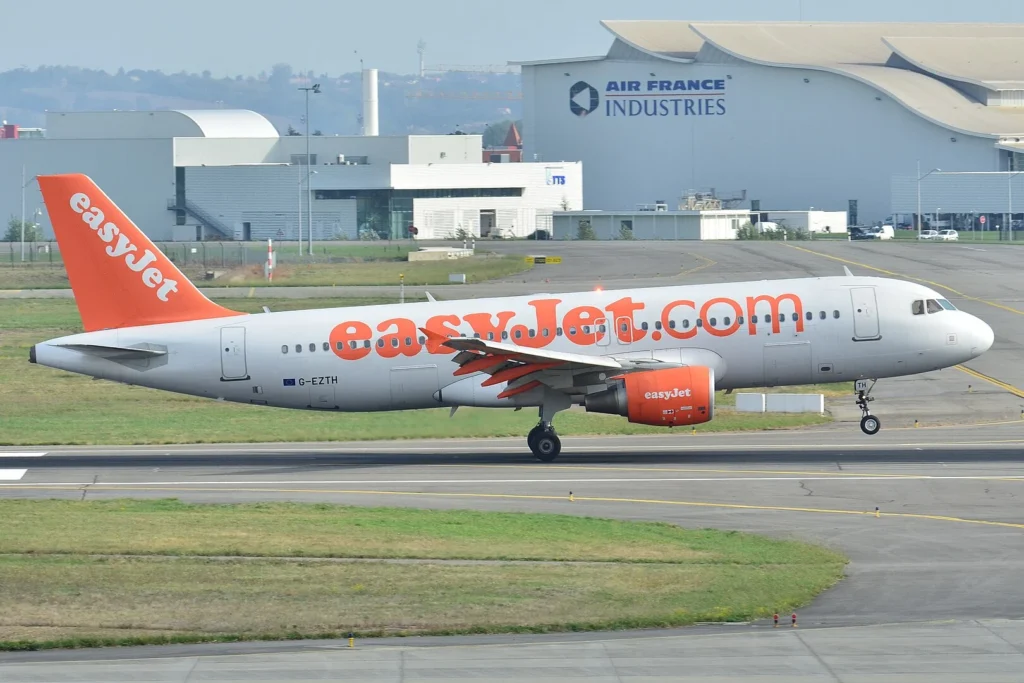
The Edinburgh incident followed another disruption reported the previous month. An easyJet flight from Palma de Mallorca (PMI) bound for Glasgow (GLA) diverted to Liverpool John Lennon Airport (LPL) because of a lack of fuel.
easyJet described that stop as a “technical stop” and called it “standard operating procedure.” In an online message to passengers, the airline said the disruption was “outside of our control and is considered to be an extraordinary circumstance,” adding, “We plan to refuel and continue your flight as soon as possible.”
Both incidents show how operational factors, from crew hours to fuel planning, can reroute a flight even when the aircraft itself is fully serviceable.
Stay tuned with us. Further, follow us on social media for the latest updates.
Join us on Telegram Group for the Latest Aviation Updates. Subsequently, follow us on Google News
