

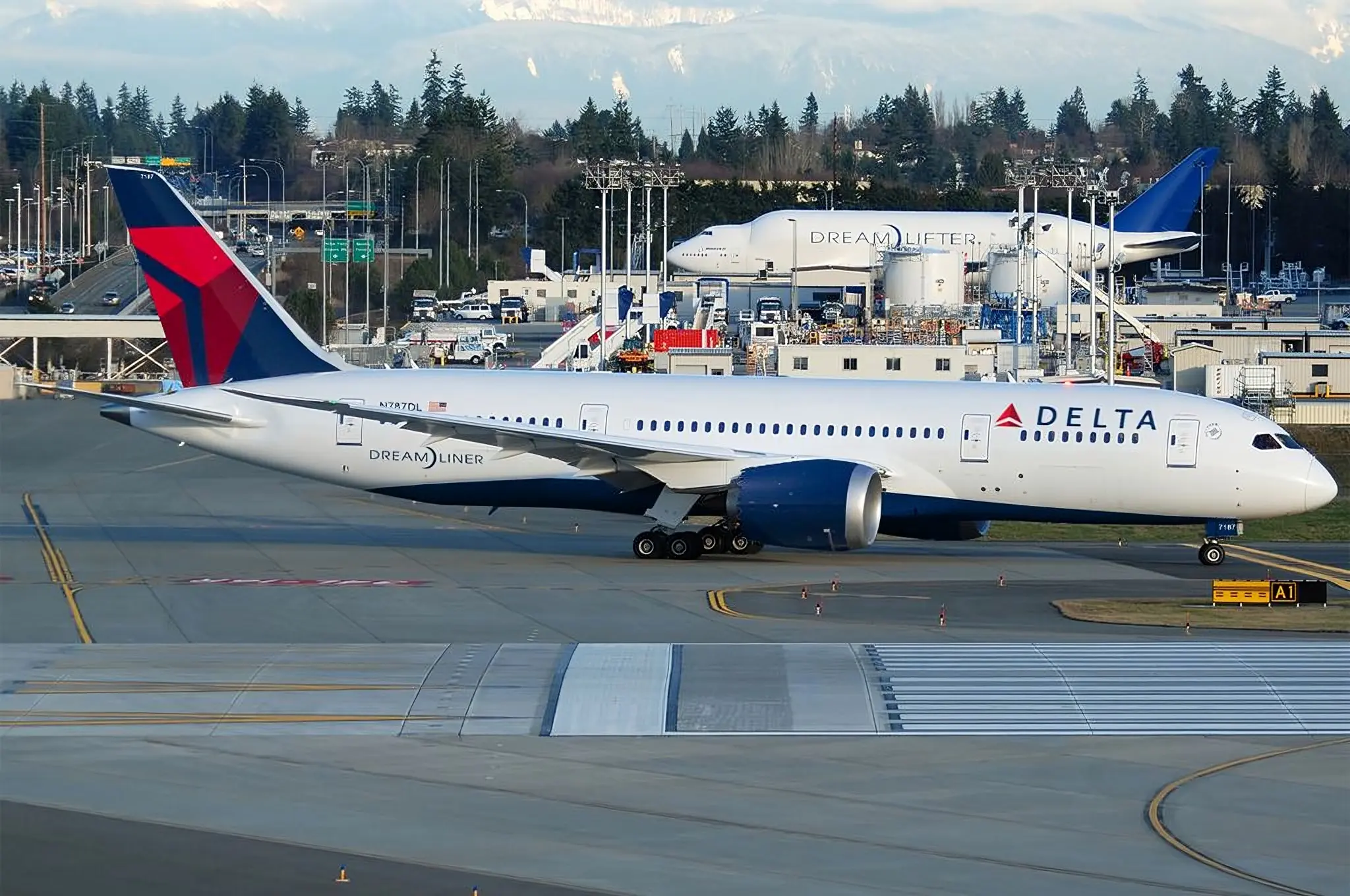
ATLANTA— Delta Air Lines (DL) will deploy both the Boeing 737 MAX 10 and 787-10 to drive what its leadership calls “efficient” growth. Commercial chief Joe Esposito outlined the plan during a quarterly earnings call on 10 July.
The strategy from Delta’s Atlanta (ATL) base centres on replacing older, smaller aircraft with larger, more capable models. The airline expects the shift to add capacity and lift margins across both domestic and transatlantic routes.
Larger Jets Anchor Delta’s Efficiency Push
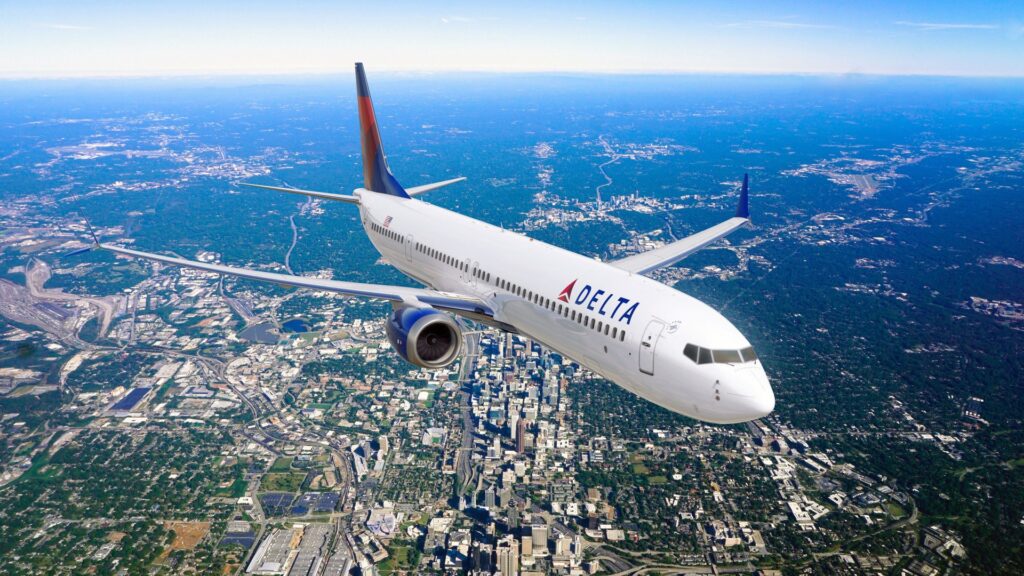
Delta plans to use the two new Boeing types to grow capacity without adding flights. Esposito told investors that scale is central to the airline’s cost and revenue advantage. “Larger airplanes make us more efficient and give us that extra capacity,” he said.
The plan is the latest step in a fleet upgauging programme that Delta has run for more than a decade. It began in the mid-2010s, when the carrier replaced 50-seat regional jets with the Boeing 717.
A Decade-Long Upgauging Strategy
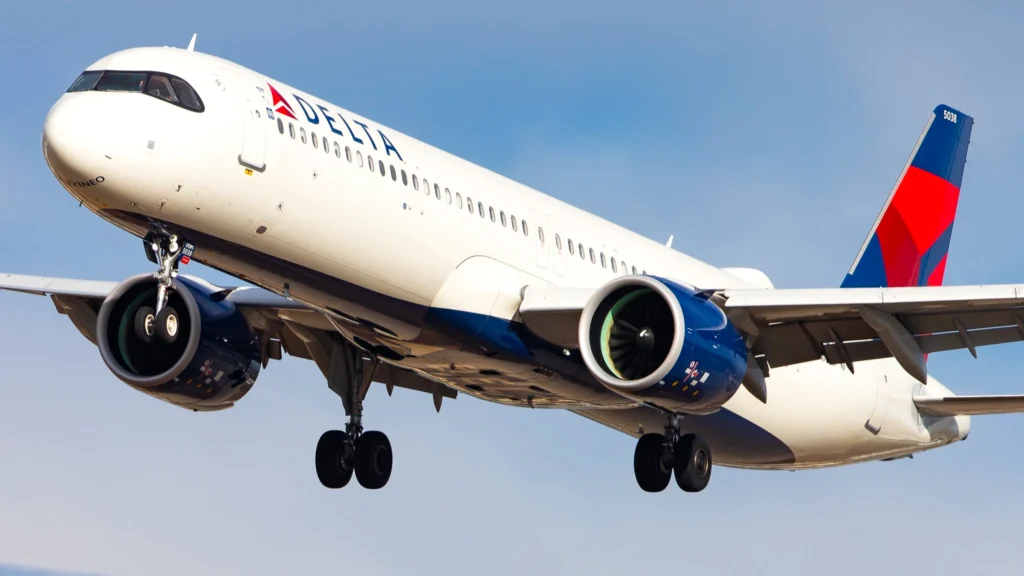
The programme continued into the 2020s. Delta retired ageing McDonnell Douglas MD-88s and MD-90s and brought in new Airbus A321s, followed by A321neos.
The approach has delivered clear results. As reported by FlightGlobal, Delta is the margin-leading network carrier in the United States, and much of the industry has adopted the same playbook.
Alaska Airlines (AS), American Airlines (AA), JetBlue Airways (B6) and United Airlines (UA) have all moved to replace smaller aircraft with larger narrowbodies over the past decade.
Boeing 737 MAX 10 Arrives From 2027
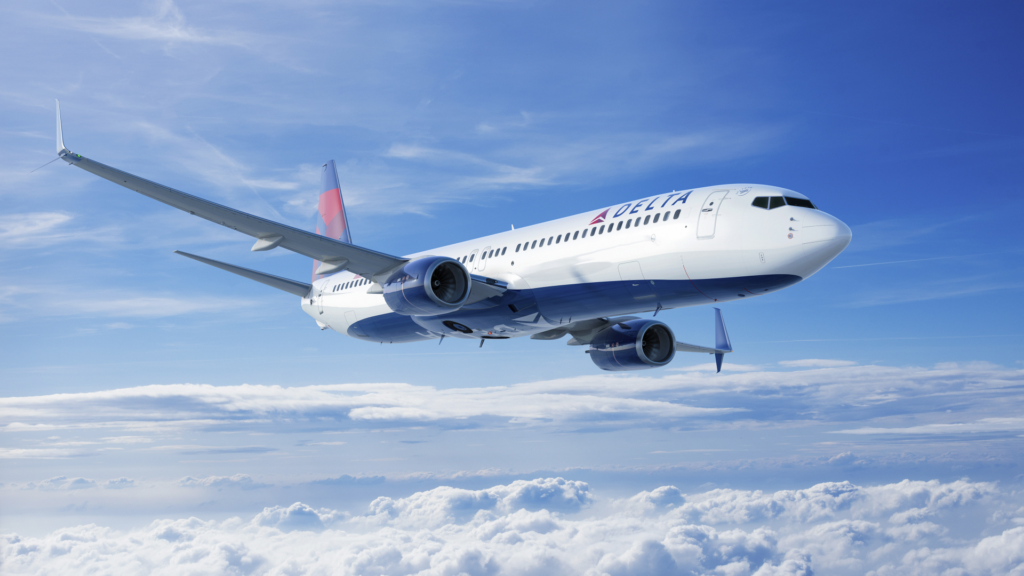
Delta’s next step begins in 2027 with the long-delayed 737 MAX 10. The airline ordered up to 130 of the type at the Farnborough air show in 2022, with deliveries first planned for 2025. Certification delays pushed the first delivery to next year.
“We expect to see that in Delta colours next year,” chief executive Ed Bastian said of the MAX 10. The airline expects up to 27 of the jets in 2027.
Boeing has signalled that MAX 10 certification will follow closely after the MAX 7, which could receive US Federal Aviation Administration sign-off as soon as this month. Once the MAX 10 begins arriving, Delta will use the aircraft, which seats roughly 190 passengers in a standard two-class layout, to replace older 717s and 757s.
Alaska, American and United also hold MAX 10 orders. Canada’s WestJet (WS) is expected to take delivery of the first aircraft.
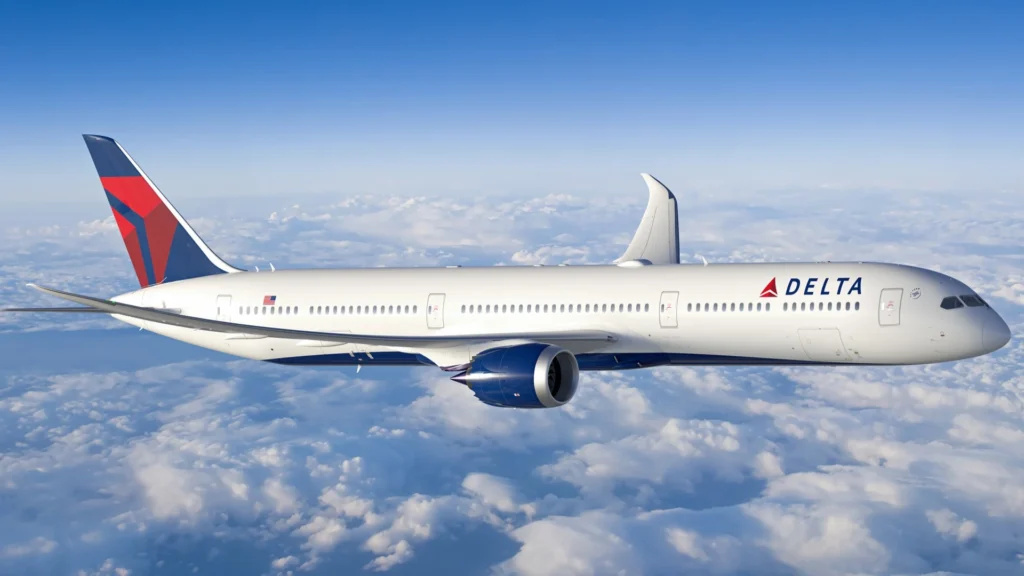
Boeing 787-10 Targets Transatlantic Routes
Delta’s first of 30 787-10s is not scheduled to arrive until 2031. When deliveries start, the airline will use the widebody to replace older Boeing 767s, including both -300ERs and -400ERs, mainly on transatlantic flights, Esposito said.
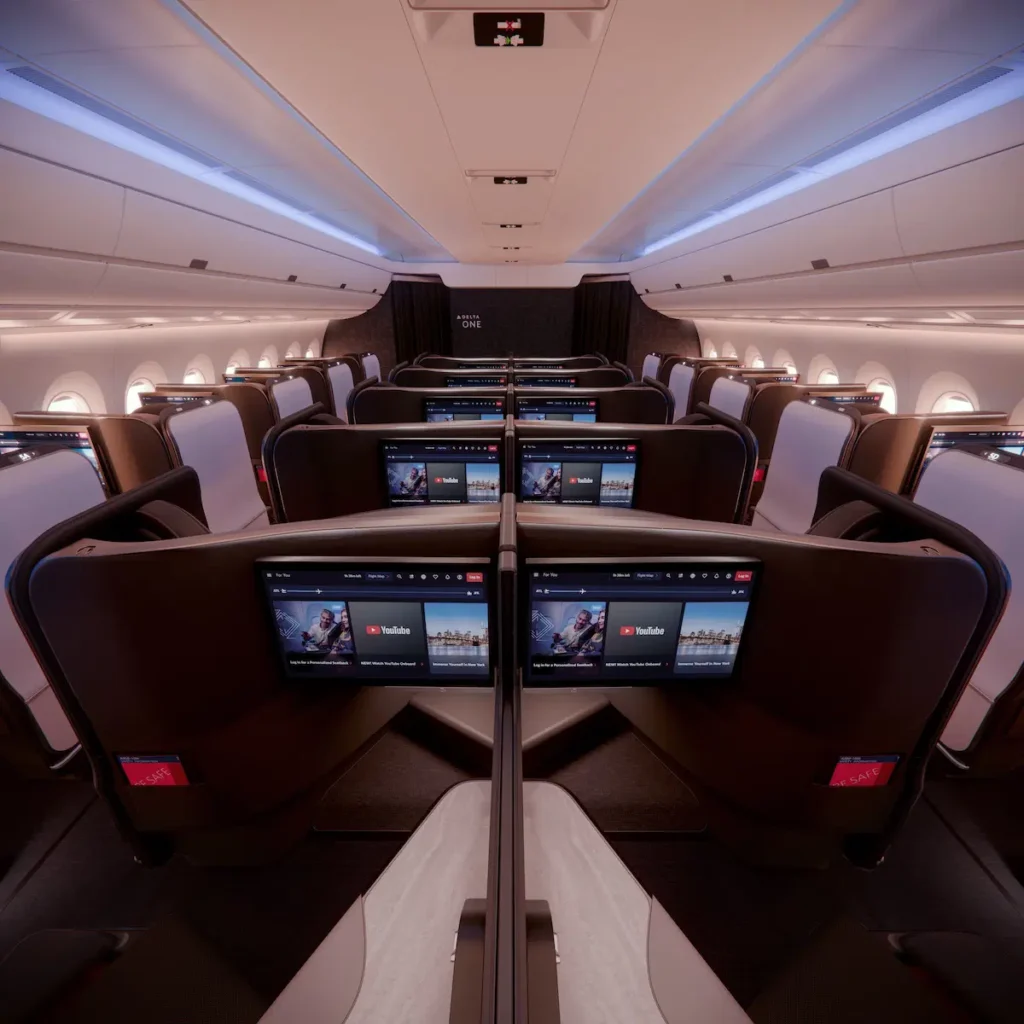
He framed the swap as a major efficiency gain. “When you think about the 787 that replaces a 767, that’s a significant amount of efficiency and margin premium,” he said. “You’re going from 30% premium seating in a 767 to over 50% in a 787, and it can handle twice the cargo. The continent of Europe falls into the bucket of domestic efficiency but on the widebody side.”
Cabin Capacity and Configuration
The 787-10 can seat up to 375 passengers in a standard two-class layout, though United configures its -10s with just 318 seats.
By comparison, Delta’s 767-300ERs seat up to 216 passengers, and its 767-400ERs seat 238 passengers. The larger cabins give Delta room to expand premium seating and cargo capacity as it retires the older widebodies.
Stay tuned with us. Further, follow us on social media for the latest updates.
Join us on Telegram Group for the Latest Aviation Updates. Subsequently, follow us on Google News
