

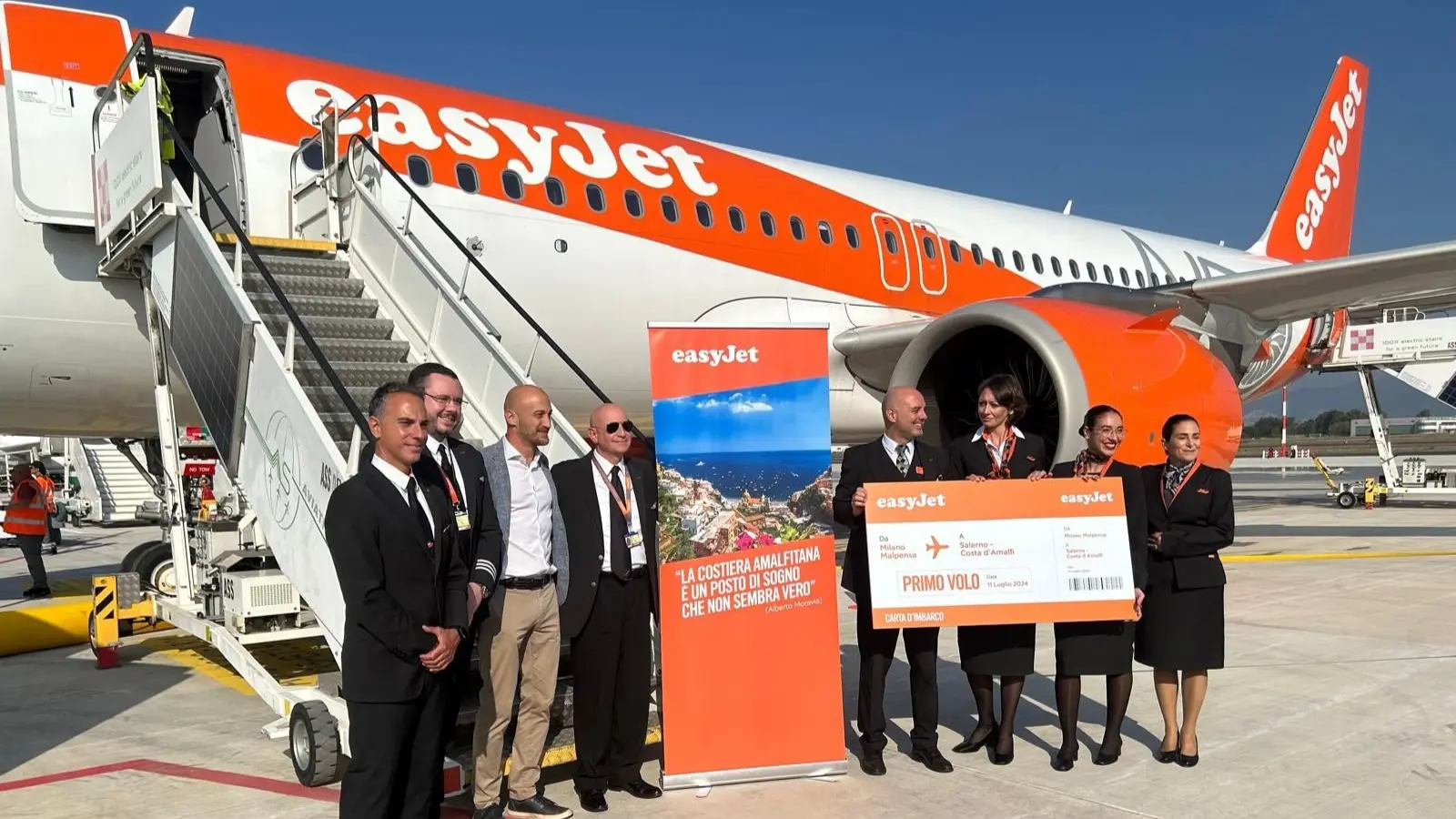
LUTON, UNITED KINGDOM— EasyJet (U2) has agreed in principle to a £5.7 billion takeover offer from US private equity firm Apollo Global Management, overturning a rival deal it accepted only days earlier from fellow American investor Castlelake. The agreement values the Luton (LTN)-based carrier at £7.15 per share.
The board of EasyJet (U2) said Apollo’s bid delivers a superior outcome for shareholders because it offers a higher cash value than Castlelake’s £6.90-per-share proposal. Apollo now has until August 7 to submit a firm offer or walk away, setting up a possible bidding war for one of Europe’s largest low-cost airlines, headquartered near London Luton Airport (LTN).
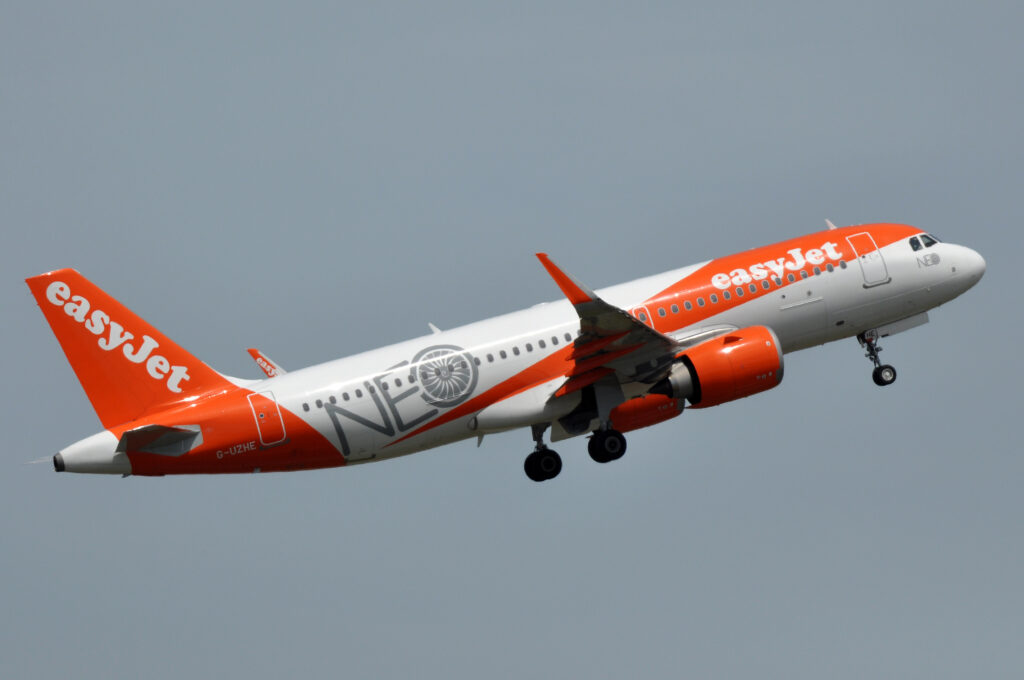
Apollo Overtakes Castlelake in Race for easyJet
Apollo’s offer values EasyJet’s fully diluted share capital at approximately £5.7 billion, funded through a combination of equity and debt. The £7.15-per-share price surpasses the £6.90 Castlelake had put forward, which valued the airline at around £5.5 billion on a fully diluted basis.
EasyJet’s board confirmed it is “no longer minded to recommend the Castlelake proposal,” citing the stronger cash value from Apollo. The airline described the Apollo approach as an attractive combination of value, strategic alignment, and long-term stewardship of the business.
Castlelake had reached its own agreement in principle only on the preceding Sunday, after a month of talks and several earlier rejections.
EasyJet had turned down the first four Castlelake proposals, including a £6.50-per-share offer rejected on June 25, before opening its books to the investor in the hope of securing better terms.
Terms, Premium, and Shareholder Options
Apollo’s price represents roughly an 80 percent premium to EasyJet’s closing share price of £3.94 on May 28, the final trading day before Castlelake’s interest first became public.
EasyJet shares jumped as much as 14 percent after the market opened following news of the Apollo approach.
As an alternative to the cash payment, Apollo has offered shareholders a Stub Equity Alternative, allowing them to roll their existing EasyJet holding into the acquisition vehicle rather than take cash.
Apollo has also indicated it places a high value on EasyJet staff and the EasyJet brand, which it does not intend to change.
What the Deal Means for EasyJet
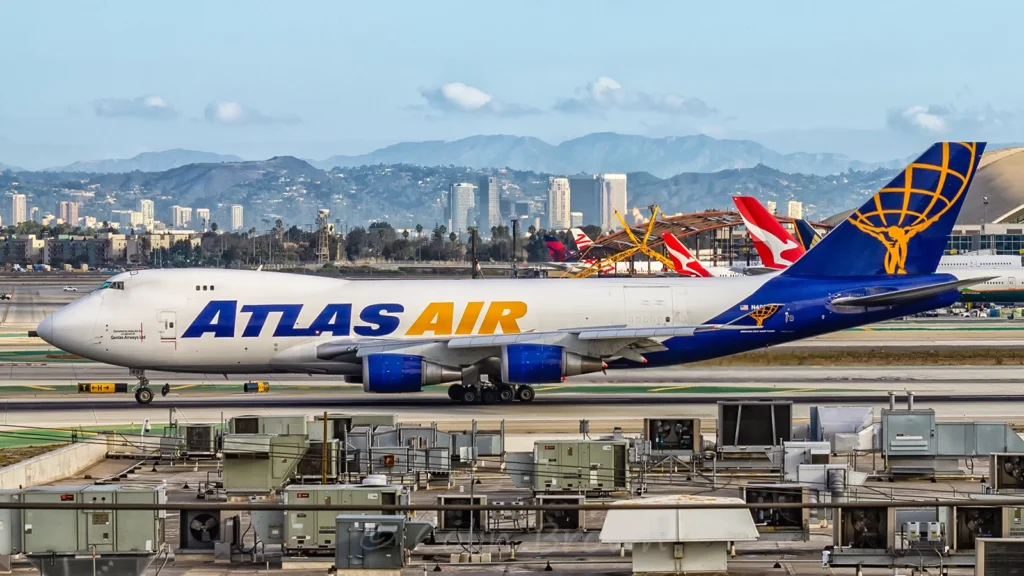
Should the offer succeed, EasyJet would join Apollo’s growing aviation portfolio, which already includes stakes in Atlas Air and Modern Aviation. Apollo’s private credit arm also lent 745 million dollars to Virgin Atlantic last year.
The deal remains subject to conditions. An agreement in principle is not a firm binding offer, and European airline ownership rules that can cap non-European ownership at 49.9 percent could complicate the final structure. Shareholder and competition regulator approval would also be required.
Financial Backdrop to the Takeover Battle
EasyJet entered the takeover contest after a mixed trading period. The airline reported 9 percent earnings growth in its 2025 financial year, with headline operating profit of £703 million.
However, its first-half 2026 results showed a widening pre-tax loss of £552 million, up from £394 million a year earlier.
The carrier attributed the decline to higher fuel costs and lower forward visibility linked to conflict in the Middle East, pressures that had earlier weighed on its share price before private equity interest emerged.
Three Decades of Low-Cost Flying
EasyJet has operated for more than 30 years and helped transform budget air travel across the United Kingdom and Europe. Greek Cypriot entrepreneur Sir Stelios Haji-Ioannou founded the airline, sketching his early ideas on a napkin after studying low-cost travel models in the United States.
The airline’s first flight departed Luton (LTN) for Glasgow (GLA) on November 10, 1995, with fares starting at £29, a price the company likened to a pair of jeans. EasyJet floated on the London Stock Exchange on November 22, 2000, with an initial valuation of £777 million.
Today EasyJet ranks among Europe’s largest airlines, operating 355 aircraft across 1,207 routes and serving 164 airports in 38 countries. It carried 93.4 million passengers in the year to the end of September 2025 and operated nearly 576,000 flights during its 2024/25 financial year.
Stay tuned with us. Further, follow us on social media for the latest updates.
Join us on Telegram Group for the Latest Aviation Updates. Subsequently, follow us on Google News
